Visual discrimination skills Normal Alphabet Worksheets for Ages 5-9
5 filtered results
-
From - To
Enhance your child's visual discrimination skills with our engaging Normal Alphabet Worksheets designed for ages 5-9! These worksheets are perfect for developing crucial abilities such as distinguishing between similar-looking letters and recognizing differences in shapes and sizes. Through fun and interactive activities, children will practice identifying letters, enhancing their attention to detail, and building confidence in their reading readiness. Our carefully crafted exercises align with early learning standards, making them an ideal resource for teachers and parents alike. Dive into a world of learning where visual skills come to life with our colorful, user-friendly alphabet worksheets! Unlock your child's potential today!
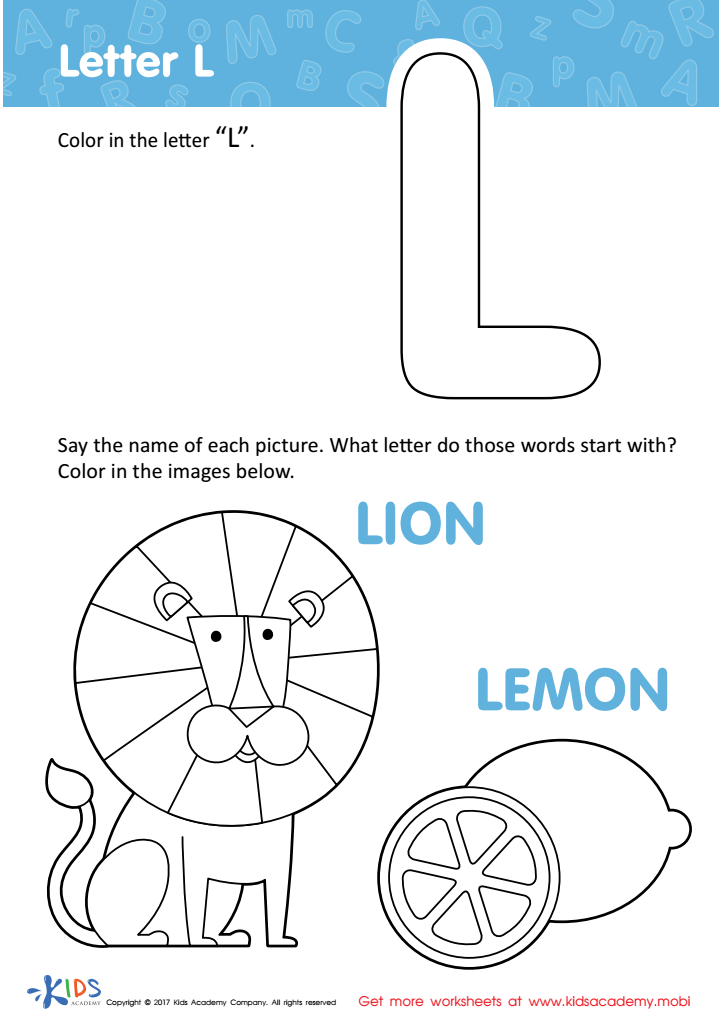
Letter L Coloring Sheet
 Assign to My Students
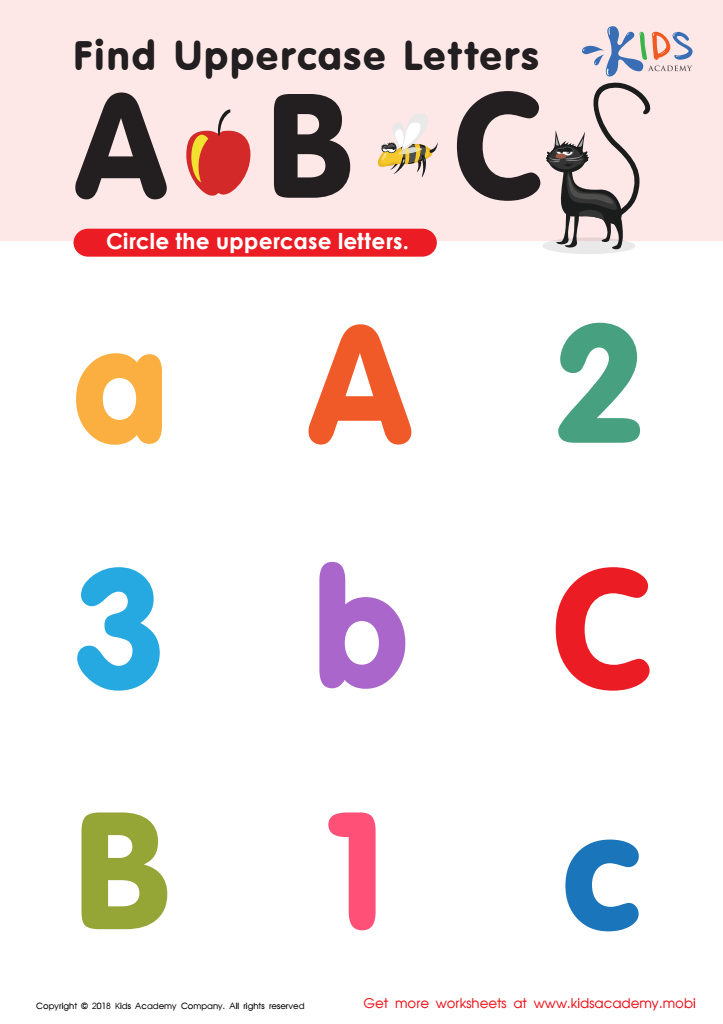
Find Uppercase Letters A, B, and C Worksheet
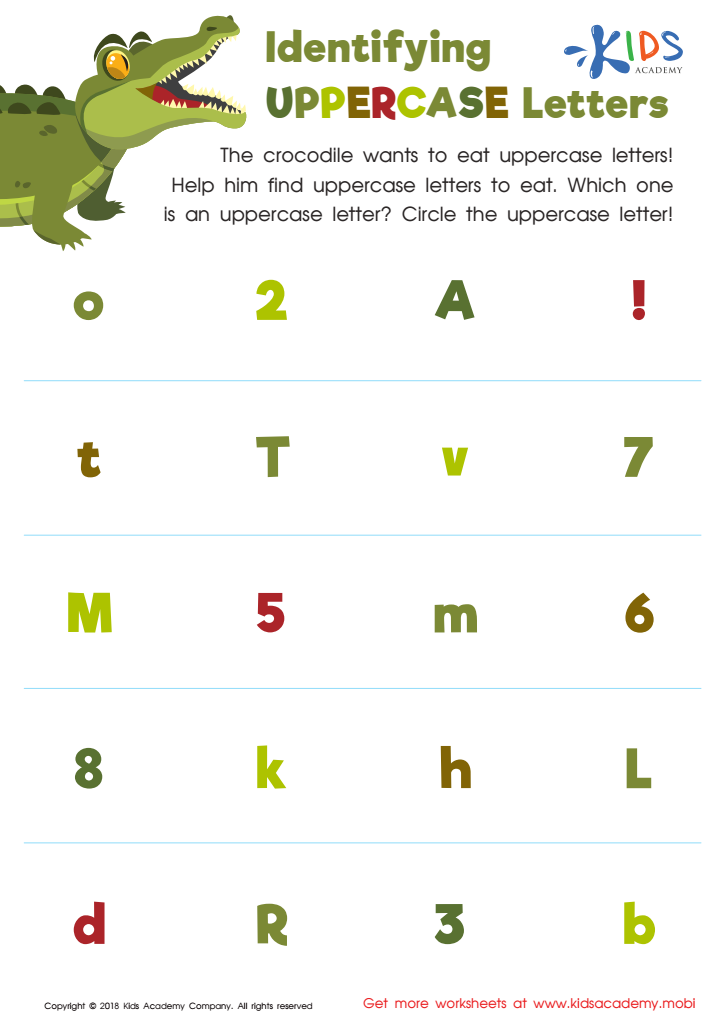
Identifying Uppercase Letters Worksheet
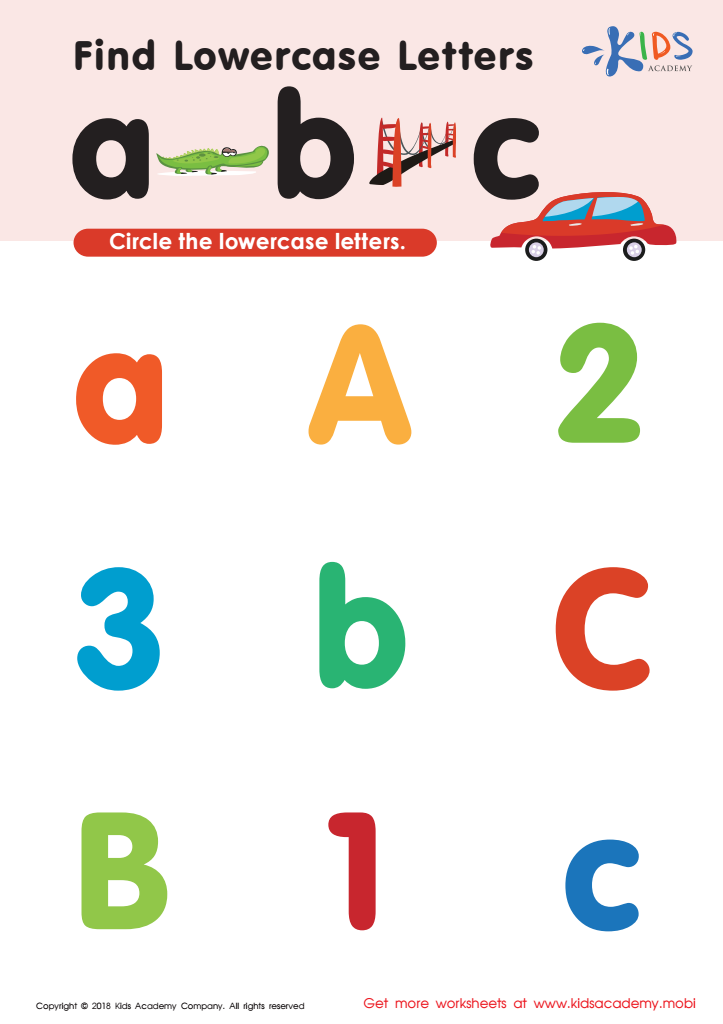
Find lowercase letters a b c Worksheet
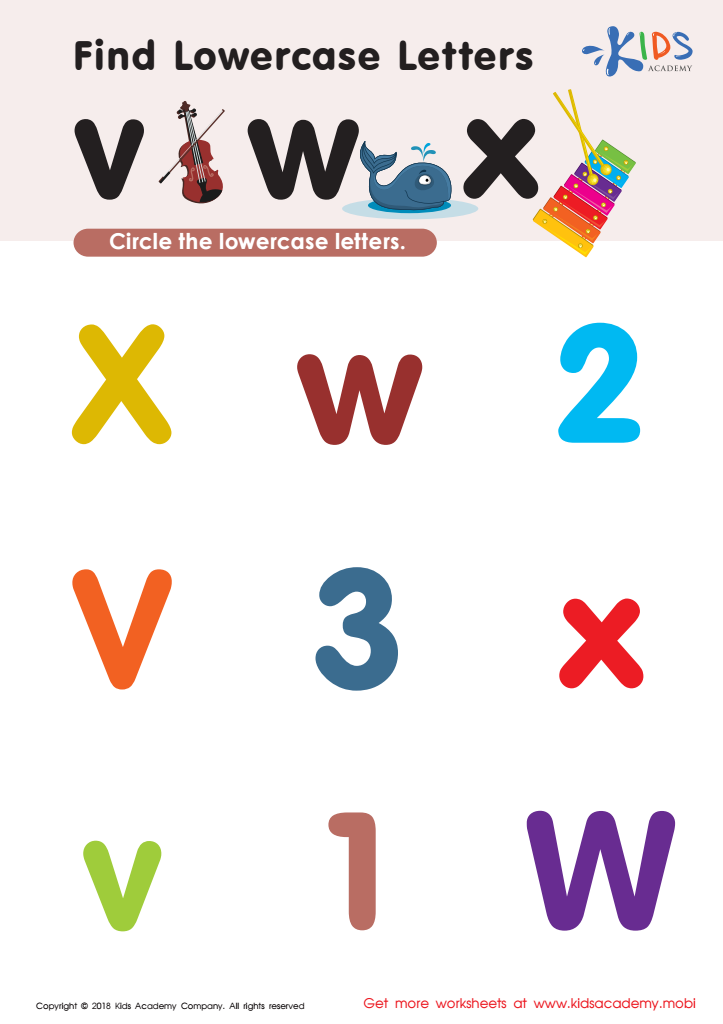
Find Lowercase Letters v w x Worksheet







Visual discrimination skills are crucial for children aged 5-9 as they lay the foundation for effective reading, writing, and overall learning. These skills involve the ability to differentiate between various visual stimuli, such as letters, shapes, and words. In these formative years, children are developing their literacy and numeracy skills, making visual discrimination particularly important.
Parents and teachers should care because these skills directly influence a child's ability to recognize letters and understand the differences between similar-looking letters, such as 'b' and 'd' or 'p' and 'q'. Poor visual discrimination can lead to difficulties in reading and writing, causing frustration and impacting academic performance.
Additionally, strong visual discrimination skills are linked to improved focus and attention, enabling children to better engage with learning activities. By nurturing these skills through engaging activities like visual puzzles, matching games, and letter identification exercises, adults can support children in building confidence and competence in their educational journey.
Ultimately, fostering strong visual discrimination skills in young learners sets the stage for lifelong learning, making it essential for both parents and educators to prioritize this aspect of childhood development.







