Word Recognition Normal Alphabet Worksheets for Ages 5-9 - Page 2
26 filtered results
-
From - To
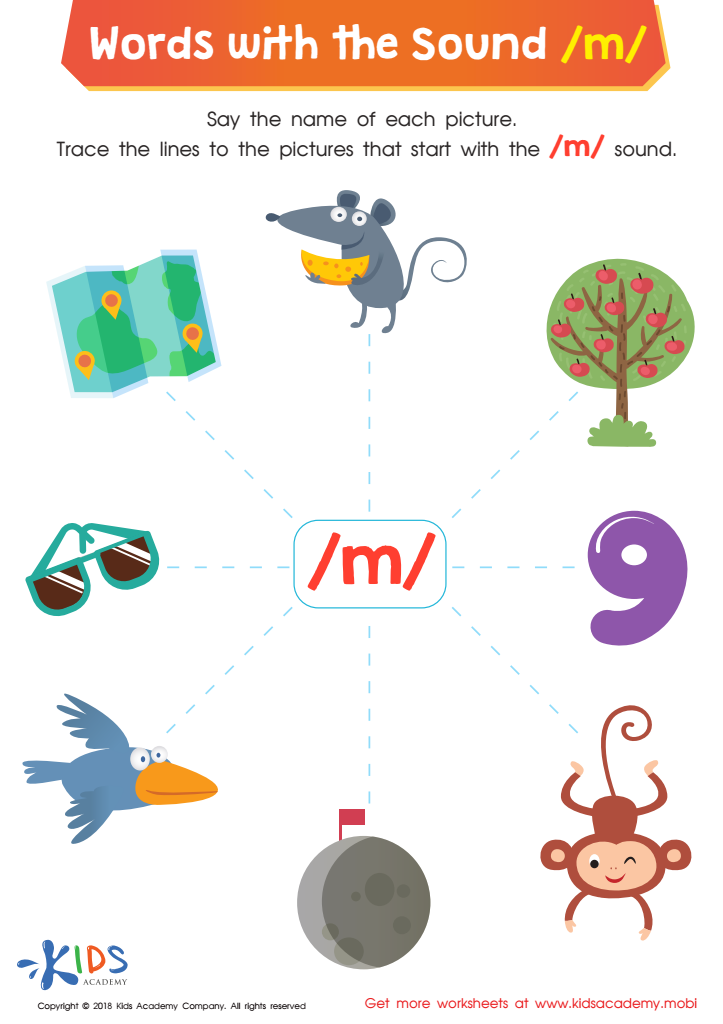
Words with Sound M Reading Worksheet
 Assign to My Students
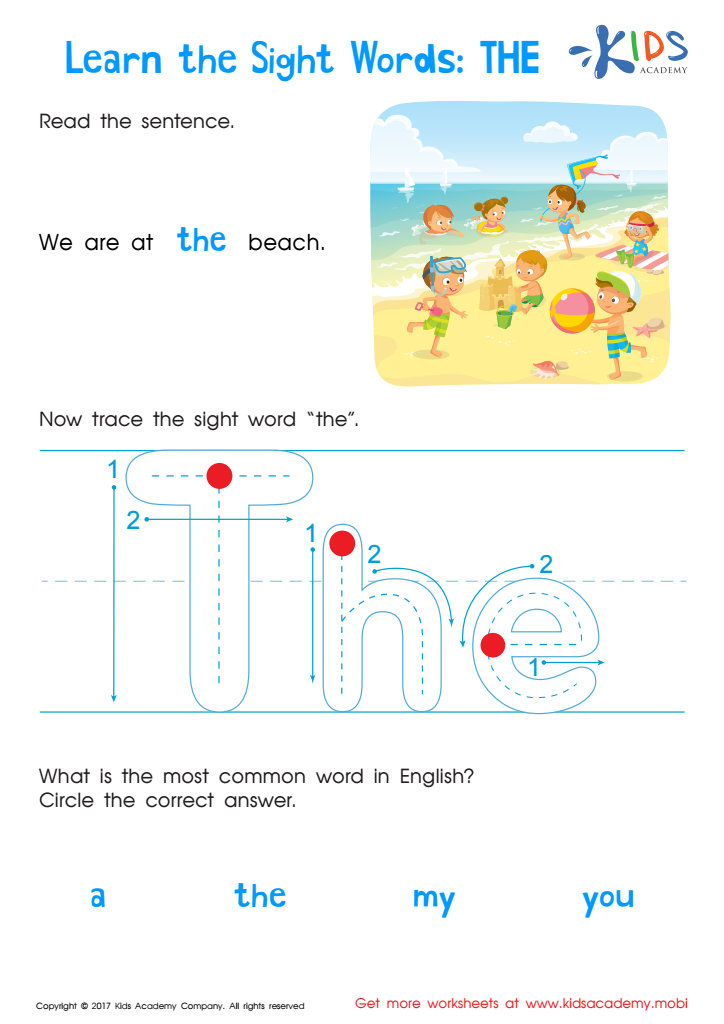
Sight Words: The Worksheet








Word recognition is a fundamental skill for children aged 5 to 9, acting as a building block for reading and overall literacy development. At this age, students transition from learning letters and sounds to recognizing whole words, which significantly enhances their reading fluency and comprehension. If parents and teachers actively support the mastery of word recognition in normal alphabets, they pave the way for improved confidence in children as they engage with texts.
Strong word recognition allows children to focus on understanding the meaning of sentences rather than spending excessive time decoding words. This not only fosters a love for reading but also encourages cognitive development and critical thinking skills. Early identification of struggles in word recognition can lead to timely interventions, ensuring that children receive the necessary support to catch up and stay on track with their peers.
Moreover, nurturing a child’s word recognition skills promotes engagement during learning activities, enabling a more interactive and enjoyable educational experience. Overall, prioritizing word recognition among young learners benefits both their academic pathways and personal growth, equipping them with skill sets that last a lifetime. Parents and teachers, therefore, play a crucial role in guiding and assessing this vital literacy skill.







