Problem-Solving Skills Normal Letter Recognition Worksheets for Ages 5-9
3 filtered results
-
From - To
Enhance your child’s letter recognition and problem-solving abilities with our engaging worksheets designed for ages 5-9! Our "Problem-Solving Skills Normal Letter Recognition Worksheets" provide a fun and interactive way for young learners to master the alphabet. Each worksheet is crafted to challenge children, helping them think critically while identifying letters and solving related puzzles. Perfect for classroom or home use, these worksheets nurture essential cognitive skills, making learning both effective and enjoyable. Watch as your child's confidence grows while they develop key literacy skills, paving the way for future success. Start their journey to becoming proactive problem solvers today!
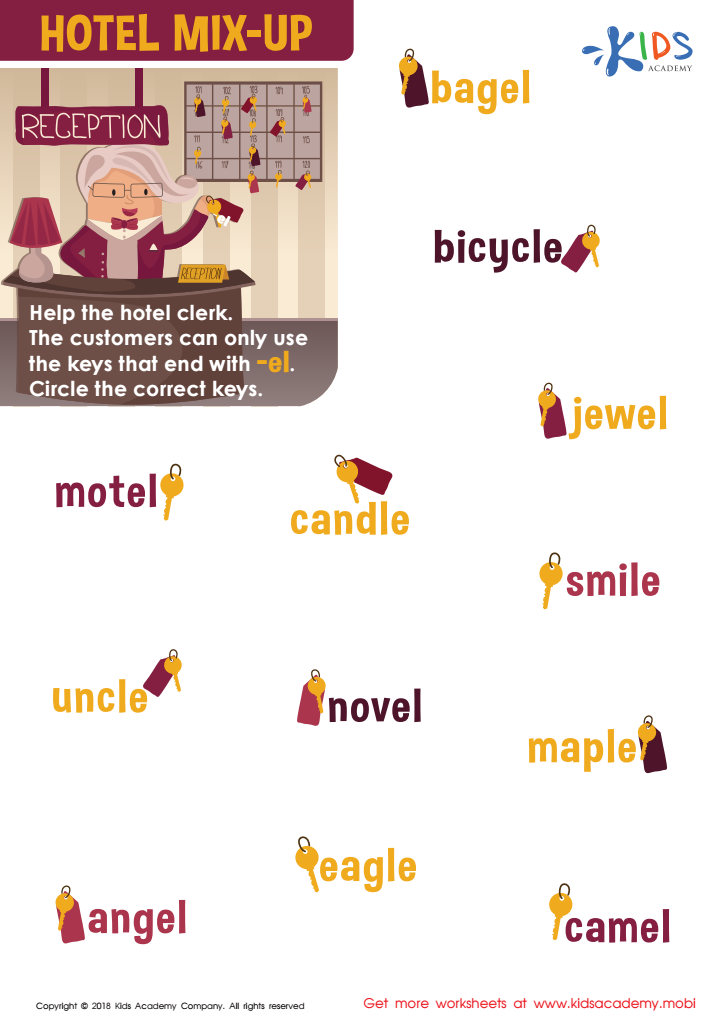
Hotel Mix-up Worksheet
 Assign to My Students
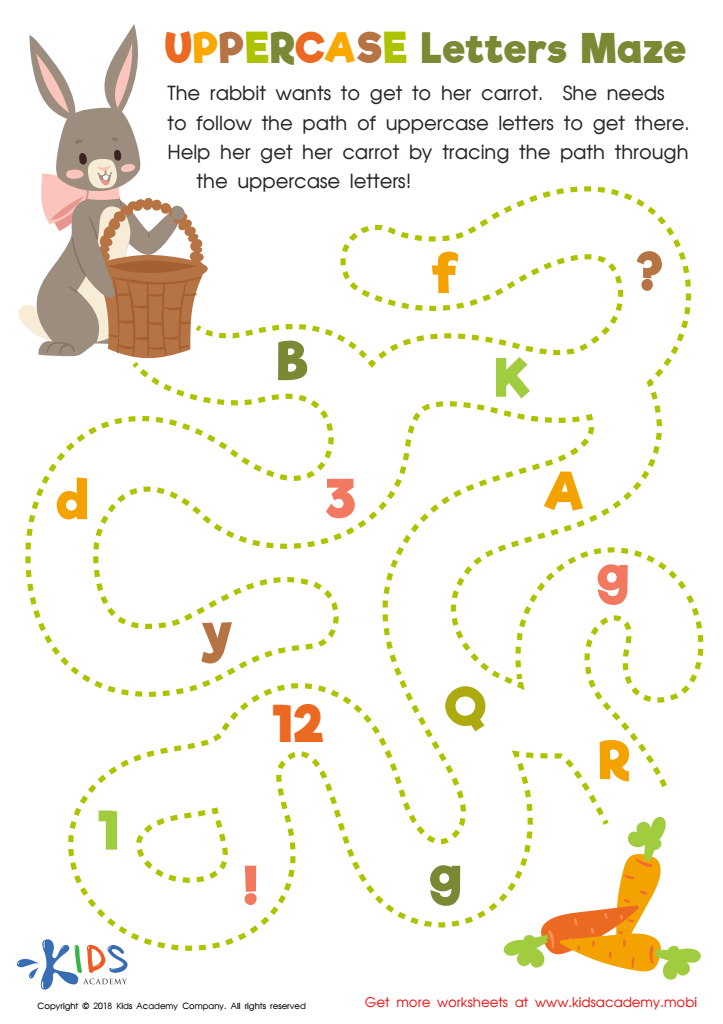
Uppercase Letters Maze Worksheet
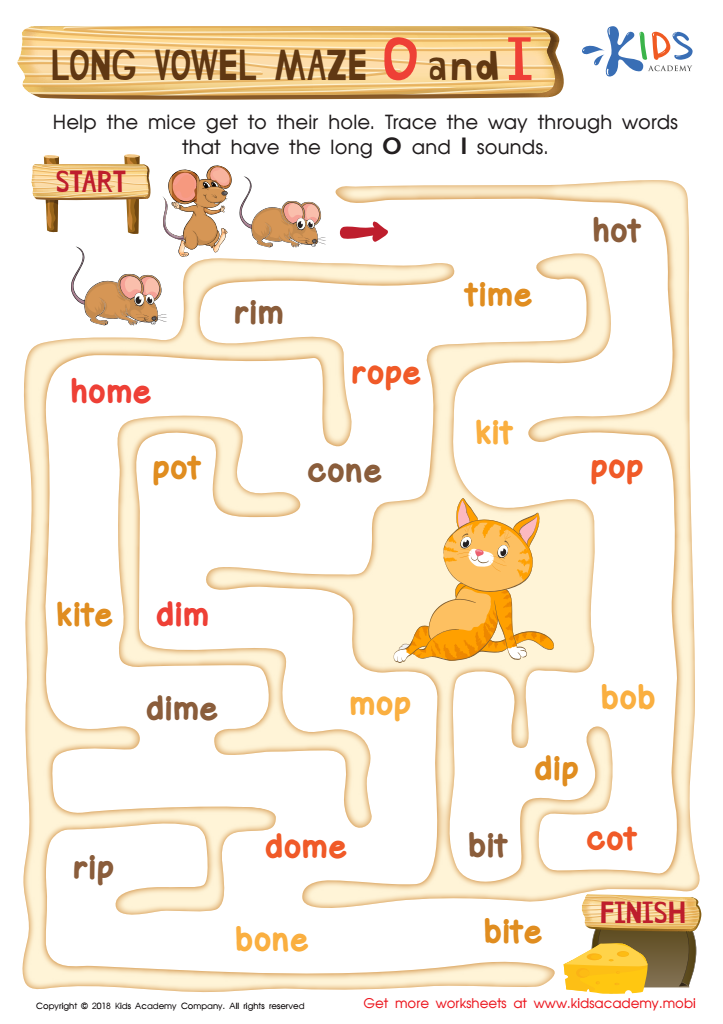
Long Vowel Maze /o/ and /i/ Worksheet








Parents and teachers should prioritize problem-solving skills alongside normal letter recognition for children aged 5-9, as these skills are foundational for lifelong learning. In this developmental stage, children are not only learning to read but also to think critically; integrating these two skills enhances their cognitive abilities. Problem-solving encourages creativity and resilience, teaching children how to approach challenges systematically.
Effective problem-solving aids children in decoding textual information and navigating complex concepts as they become proficient in reading. It fosters a deeper understanding of language, allowing them to make connections between letters, sounds, and meanings. Moreover, when children engage in activities that promote problem-solving, they learn important social skills, such as collaboration and communication, which are essential for group interactions in preschool and early elementary settings.
Furthermore, these skills build confidence. As children overcome obstacles in problem-solving tasks or master letter recognition, they gain a sense of achievement that can motivate them in their academic endeavors. In collaboration, letter recognition and problem-solving pave the way for enhanced literacy skills, critical thinking, and academic success. Thus, focusing on both areas lays a robust groundwork for children's future educational journeys.








