Visual discrimination skills Normal Letter Recognition Worksheets for Ages 5-9
5 filtered results
-
From - To
Enhance your child's visual discrimination skills with our engaging Letter Recognition Worksheets, designed specifically for ages 5-9. These worksheets provide a fun and interactive way for young learners to identify and differentiate between letters, fostering essential early literacy skills. With a variety of activities, children will practice recognizing letter shapes, familiarizing themselves with the alphabet while developing critical thinking and focus. Ideal for homeschoolers or classroom use, our worksheets cater to diverse learning styles, making letter recognition entertaining and effective. Start building a strong foundation in reading with our thoughtfully crafted materials today and watch your child's confidence soar!
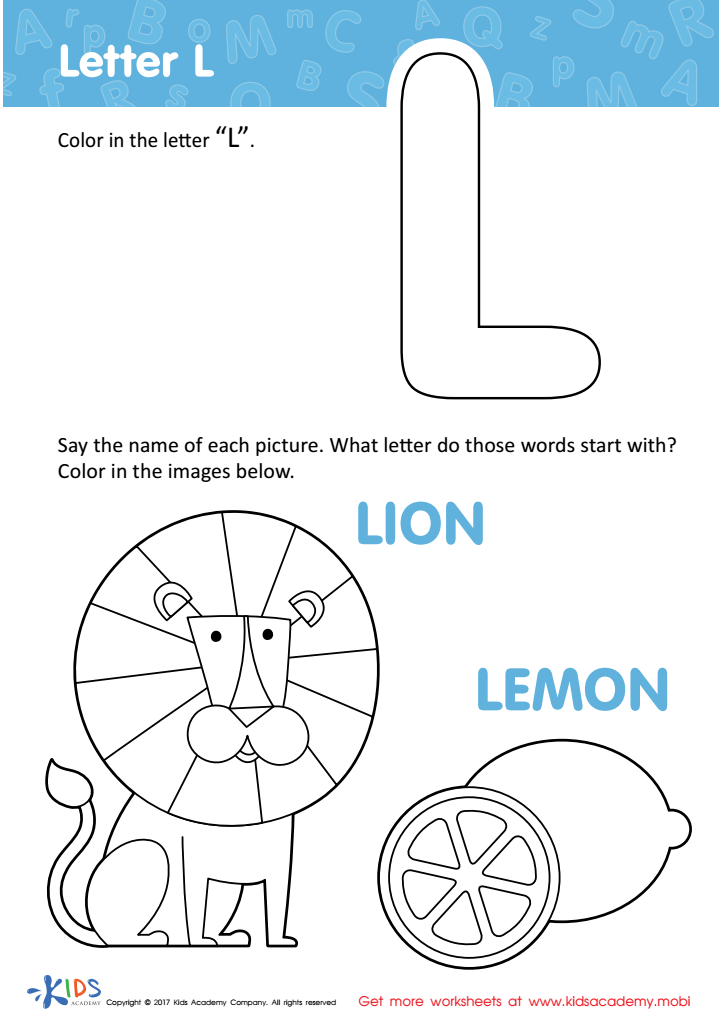
Letter L Coloring Sheet
 Assign to My Students

Find Uppercase Letters A, B, and C Worksheet
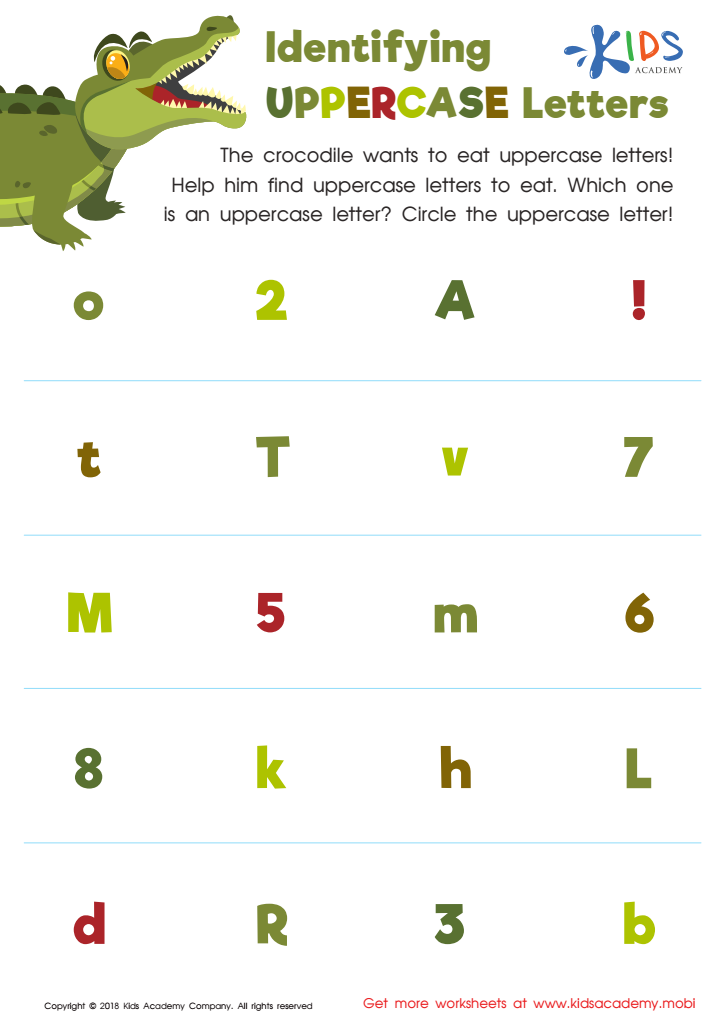
Identifying Uppercase Letters Worksheet
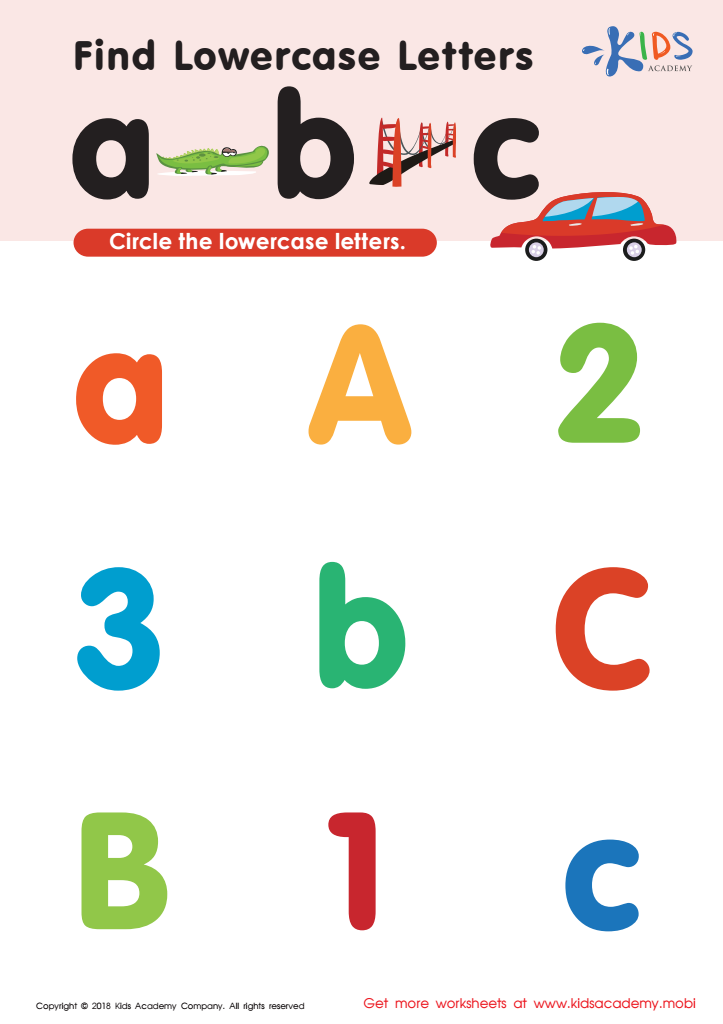
Find lowercase letters a b c Worksheet

Find Lowercase Letters v w x Worksheet








Visual discrimination skills and normal letter recognition are crucial for children aged 5-9 because they form the foundation for reading and writing. At this developmental stage, children are learning to differentiate between various shapes, letters, and symbols, which is essential for recognizing letters of the alphabet. Strong visual discrimination allows children to not only identify letters but also to discern differences between similar-looking letters, such as 'b' and 'd' or 'p' and 'q.'
When children develop these skills, it enhances their ability to decode words, leading to improved reading fluency. Conversely, difficulties in visual discrimination can result in challenges with literacy, causing frustration and hindering academic progress. Parents and teachers need to recognize the significance of these skills to provide appropriate activities and interventions that promote visual learning, such as letter games, flashcards, or interactive apps designed to strengthen letter recognition abilities.
Moreover, good visual discrimination contributes to overall cognitive skills, including problem-solving and critical thinking. Encouraging and nurturing these capabilities during this formative period helps children build confidence in their reading abilities, ultimately positively impacting their educational journey and lifelong learning. Prioritizing visual discrimination in early education ensures a solid foundation for literacy and broader academic success.








