Phonics development Normal Phonics Worksheets for Ages 5-9
3 filtered results
-
From - To
Explore our engaging Phonics Worksheets designed for children ages 5-9, fostering essential phonics development skills. These worksheets are tailored to support young learners as they build foundational reading abilities through fun and interactive activities. Each worksheet focuses on understanding letter sounds, blending, and decoding, making learning enjoyable and effective. Our resources cater to various learning styles, ensuring every child thrives. Perfect for both classroom and home use, these worksheets encourage independent learning and practice. Empower your child's literacy journey today with our comprehensive phonics materials that inspire confidence and creativity in learning! Check out our collection now!
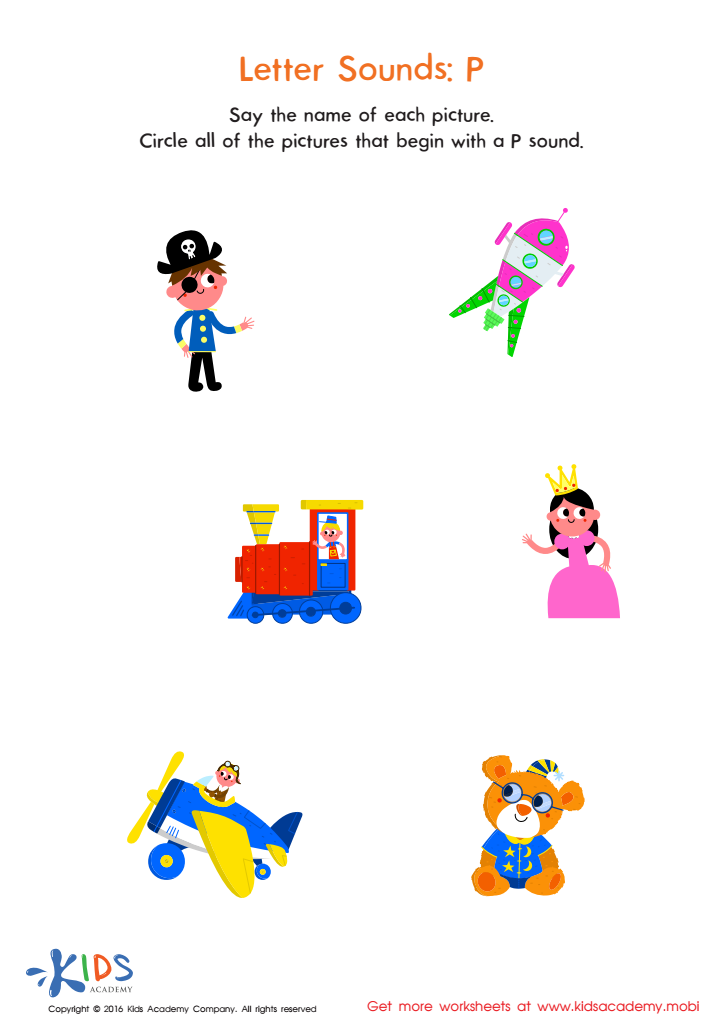
Letter P Sound Worksheet
 Assign to My Students
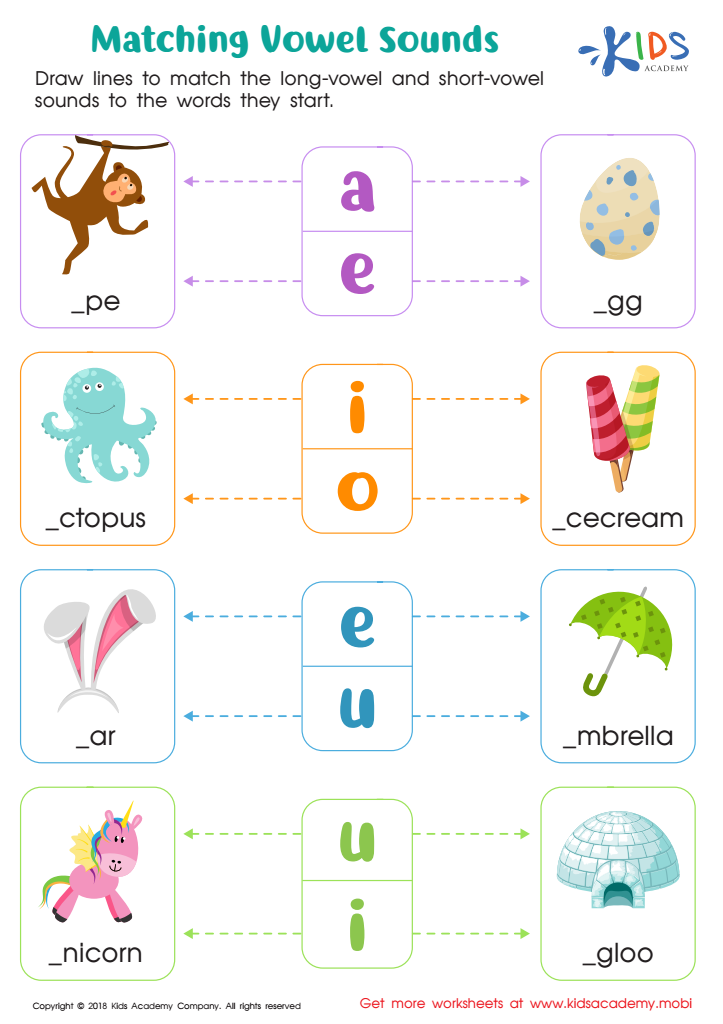
Matching Vowel Sounds Worksheet
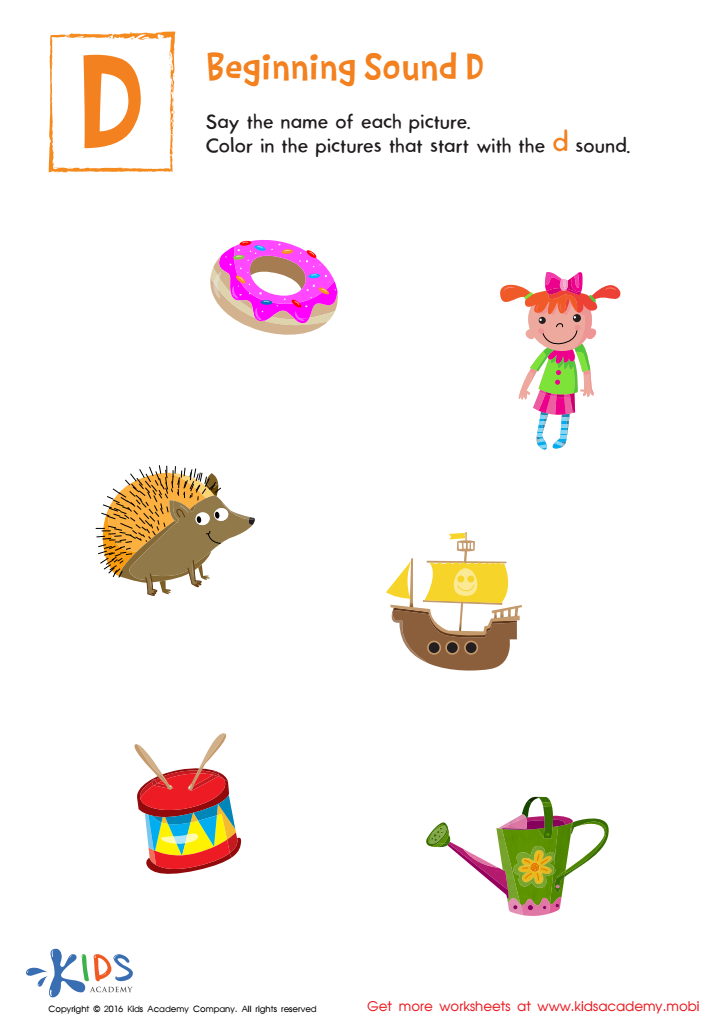
Beginning Sound D Worksheet








Phonics development is crucial for children aged 5-9 as it lays the foundation for reading and writing skills. During these formative years, children learn to connect sounds (phonemes) with letters (graphemes), enabling them to decode words. This skill is vital not only for literacy but also for overall academic success, as strong reading abilities enhance comprehension across subjects.
Parents and teachers should care deeply about phonics development because it fosters confidence and independence in young learners. When children master phonics, they are more likely to become avid readers, exploring literature and expanding their knowledge independently. Furthermore, effective phonics instruction helps to prevent reading difficulties, ensuring that all children, including those who may struggle, receive the support they need to succeed.
Engaging parents in the journey of phonics development can also create a strong home-school connection. Through shared activities, like reading together or playing phonics games, parents can reinforce what children learn in school, making learning a collaborative effort. Ultimately, prioritizing phonics in early education empowers children to navigate the world of words with skill and confidence, paving the way for lifelong learning and achievement.







