Visual discrimination skills Normal Upper & Lowercase Letters Worksheets for Ages 5-9
4 filtered results
-
From - To
Enhance your child's visual discrimination skills with our engaging Normal Upper & Lowercase Letters Worksheets, designed for ages 5 to 9. These printable worksheets combine fun and education, helping young learners easily distinguish between upper and lowercase letters. With a variety of visually appealing activities, children will develop critical skills to recognize and differentiate letters, preparing them for literacy success. Perfect for classroom or home use, our worksheets cater to diverse learning styles, promoting confidence and independence in reading and writing. Give your child the right tools to excel: download our comprehensive worksheets today and watch their learning soar!
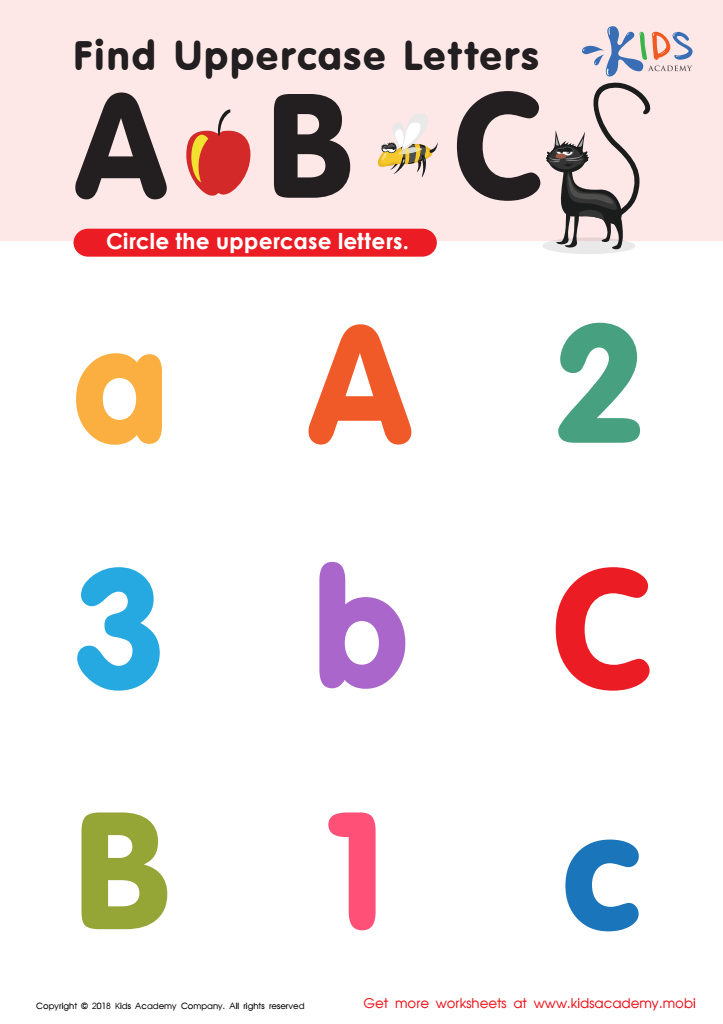
Find Uppercase Letters A, B, and C Worksheet
 Assign to My Students

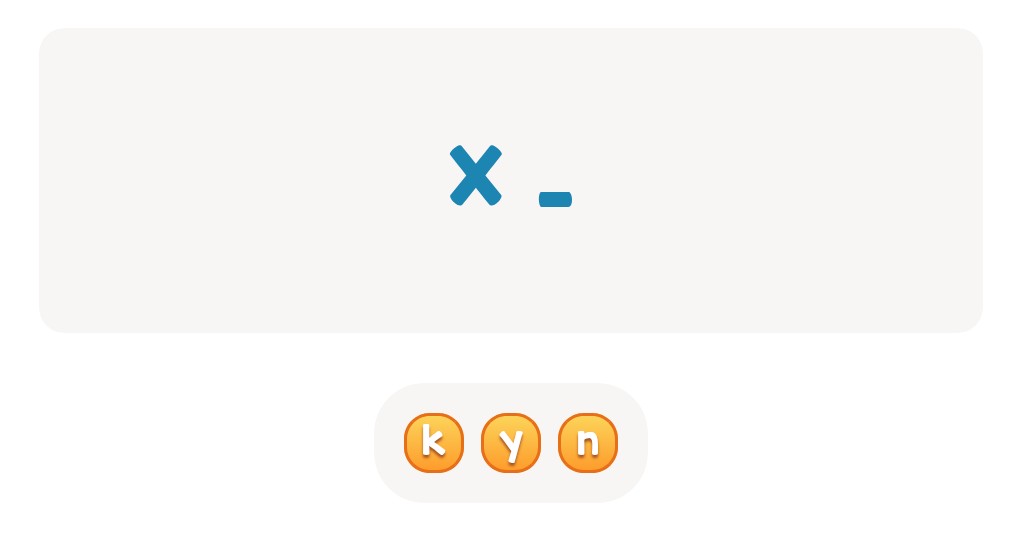
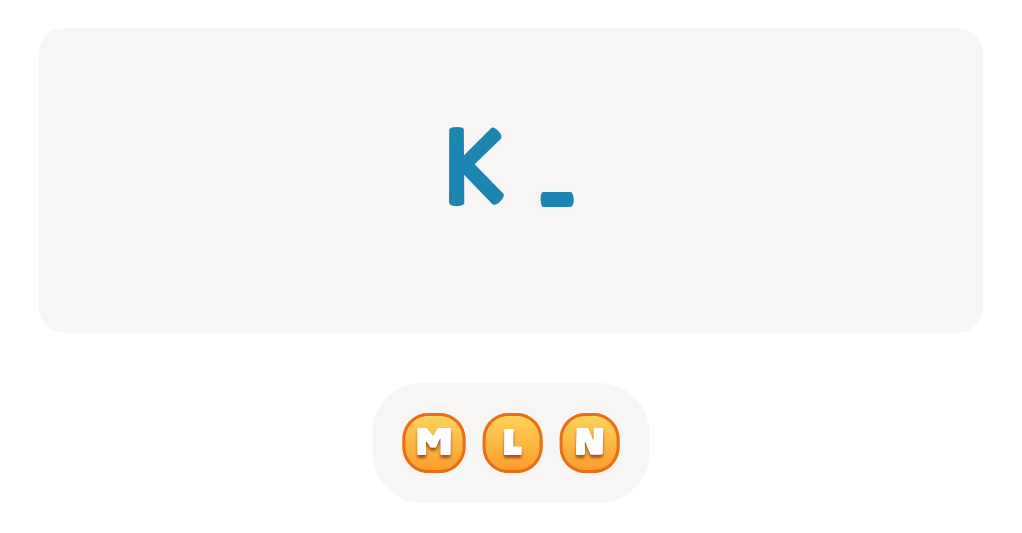
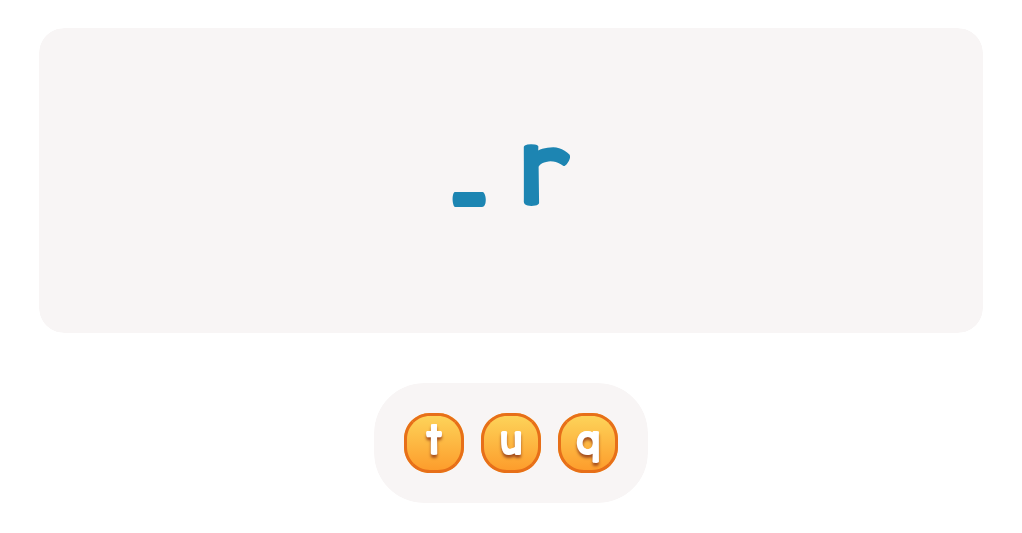
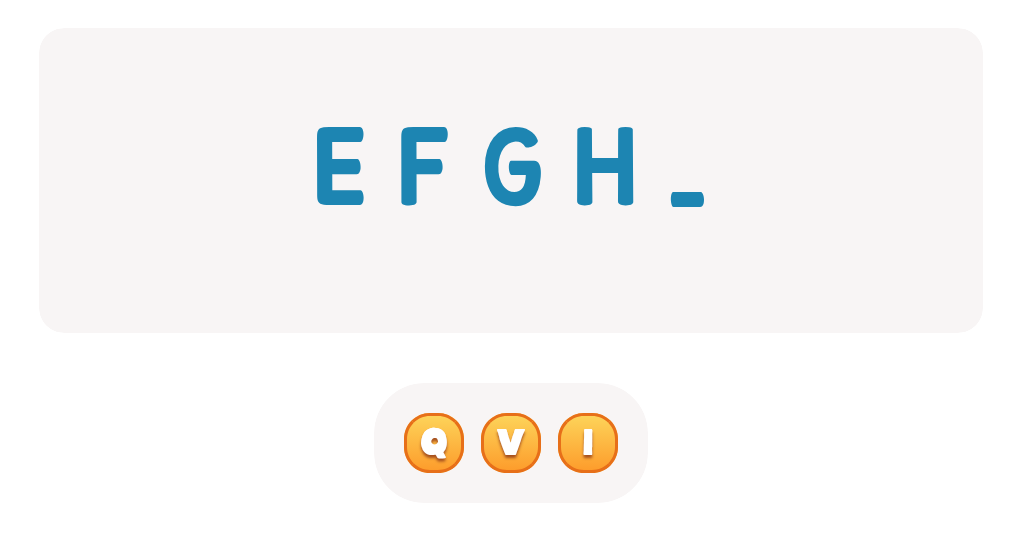
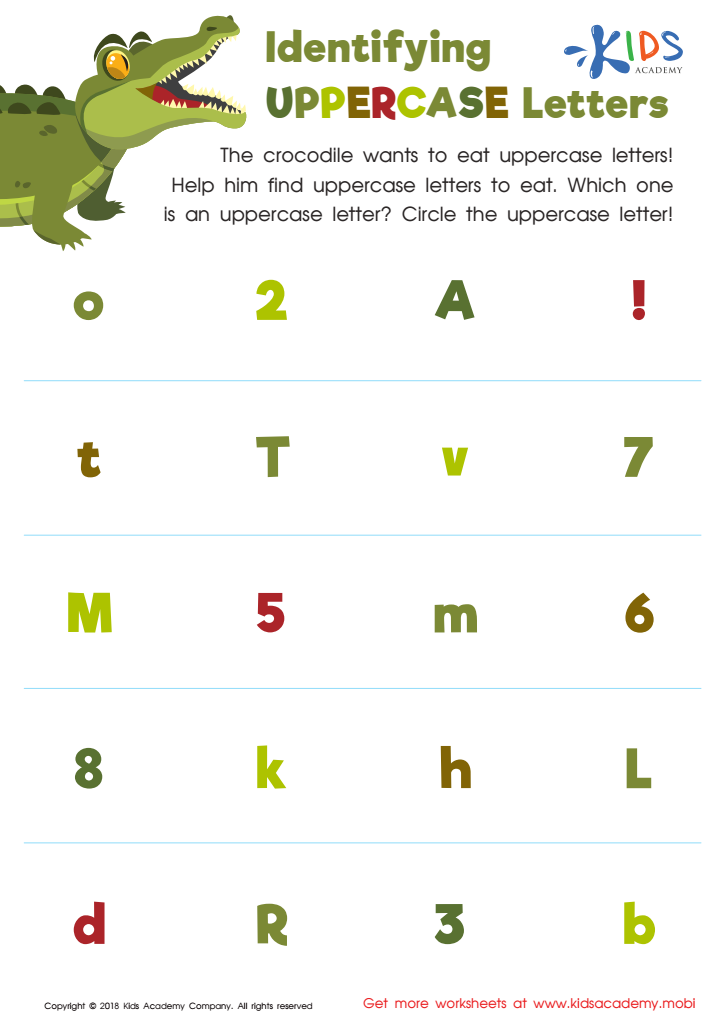
Identifying Uppercase Letters Worksheet
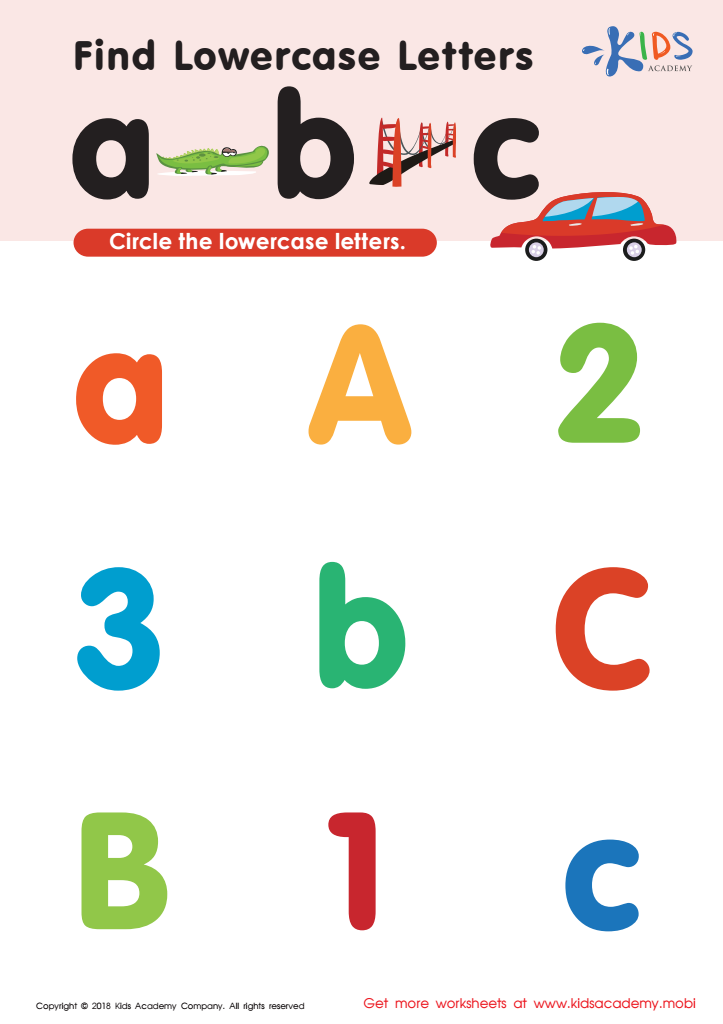
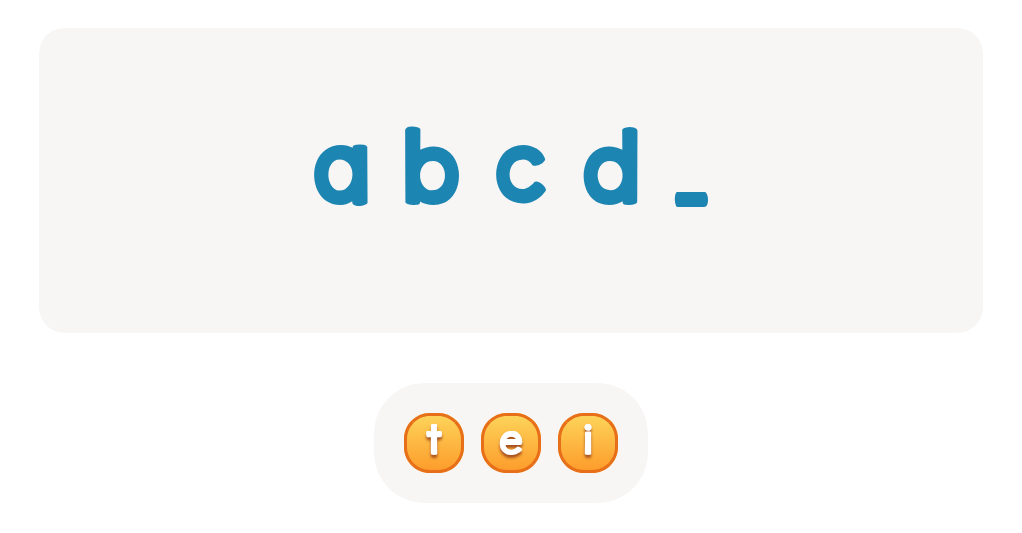
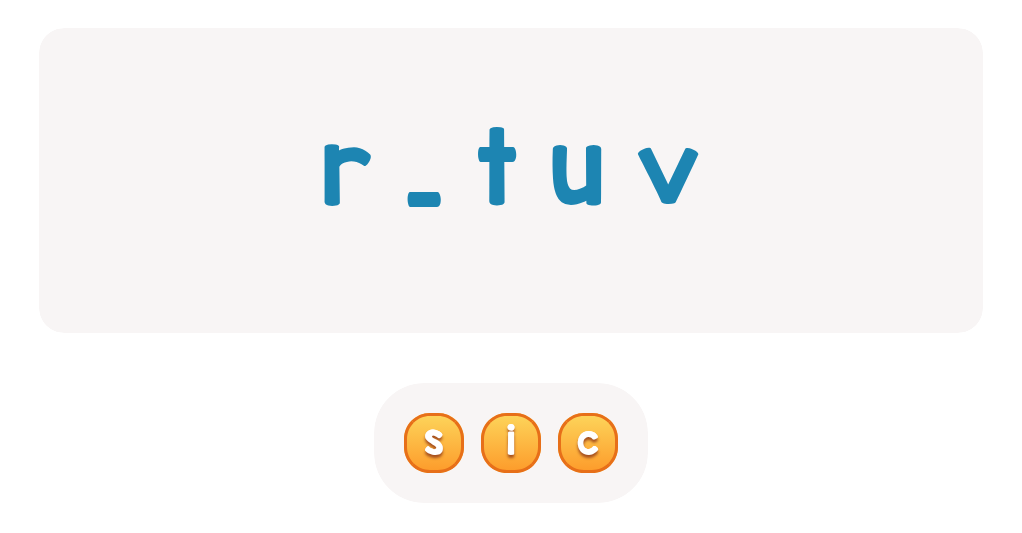
Find lowercase letters a b c Worksheet
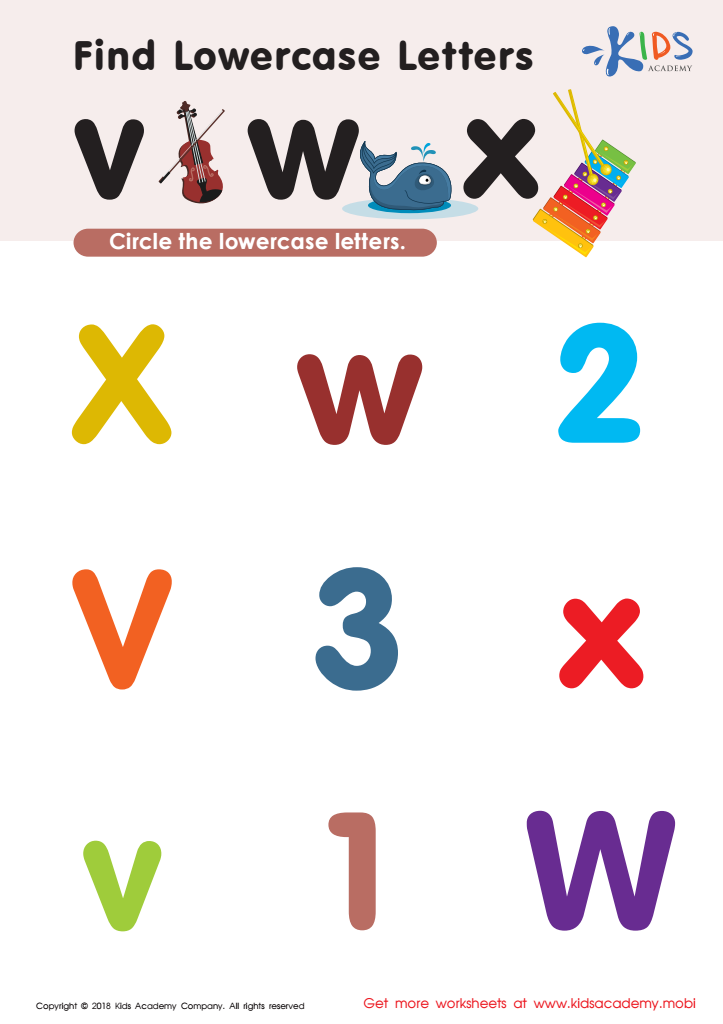
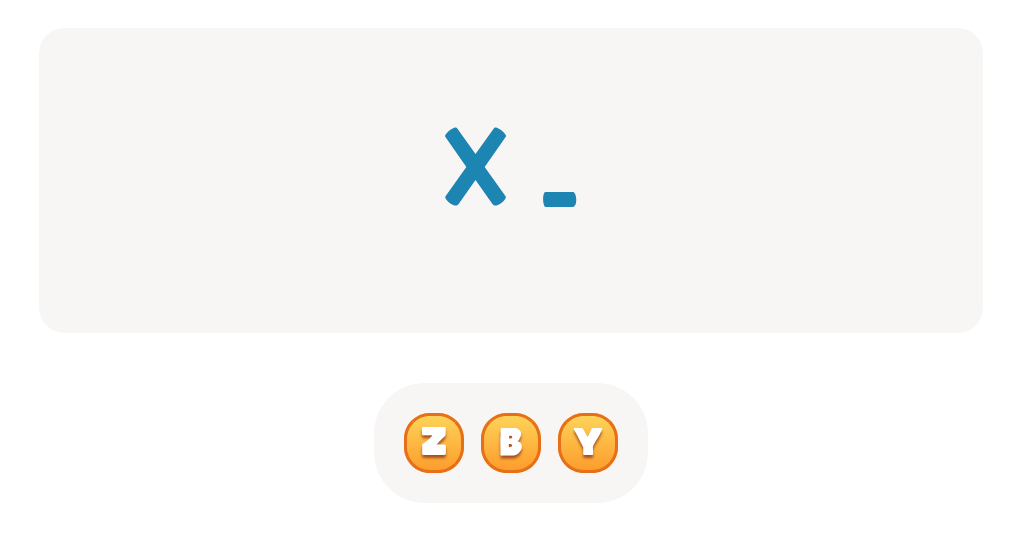
Find Lowercase Letters v w x Worksheet






Visual discrimination skills are crucial for children ages 5-9, particularly when it comes to recognizing normal uppercase and lowercase letters. These skills enable children to distinguish between similar letters, such as 'b' and 'd' or 'p' and 'q', which can significantly impact their reading and writing abilities. Parents and teachers should care about these skills for several reasons.
Firstly, strong visual discrimination enhances literacy development. Children who can easily recognize and differentiate letters are better equipped to decode words, leading to improved reading fluency and comprehension. Secondly, visual discrimination supports handwriting skills; when children can accurately identify letters, they are more likely to form them correctly, promoting neatness and clarity in their writing.
Moreover, developing these skills at an early age builds confidence in young learners, reducing frustration and discouragement that can occur when children struggle with recognizing letters. Finally, these skills also lay a foundation for future learning in subjects like math and science, where distinguishing between symbols and figures is essential. By prioritizing visual discrimination in early education, parents and teachers help children become more proficient readers and writers, setting them on a pathway to academic success.







