Building vocabulary Normal Worksheets for Ages 5-9
4 filtered results
-
From - To
Enhance your child's language development with our Building Vocabulary Normal Worksheets, designed specifically for ages 5-9. These engaging and interactive worksheets focus on expanding vocabulary through fun activities like word association, matching exercises, and context usage. Tailored for young learners, each worksheet incorporates visually appealing illustrations to capture their interest, making learning enjoyable. Ideal for homeschooling or classroom settings, our resources align with educational standards to support literacy skills. Help your child build a strong vocabulary foundation that fosters reading comprehension and effective communication. Explore our collection today to empower your young learners with essential language skills!
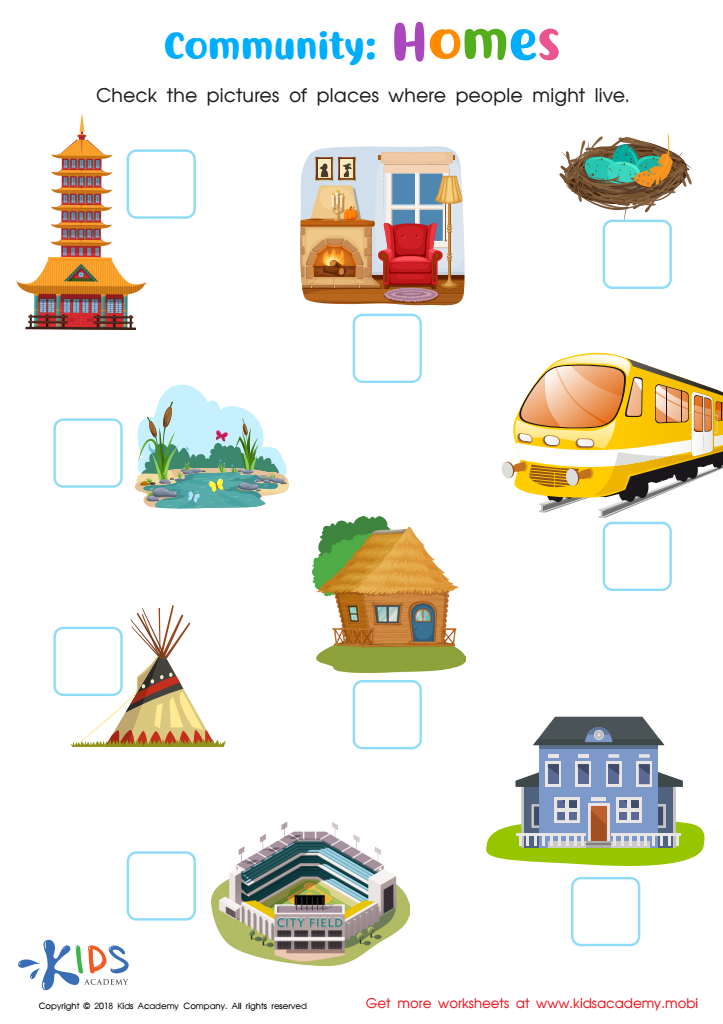
Community: Homes Worksheet
 Assign to My Students
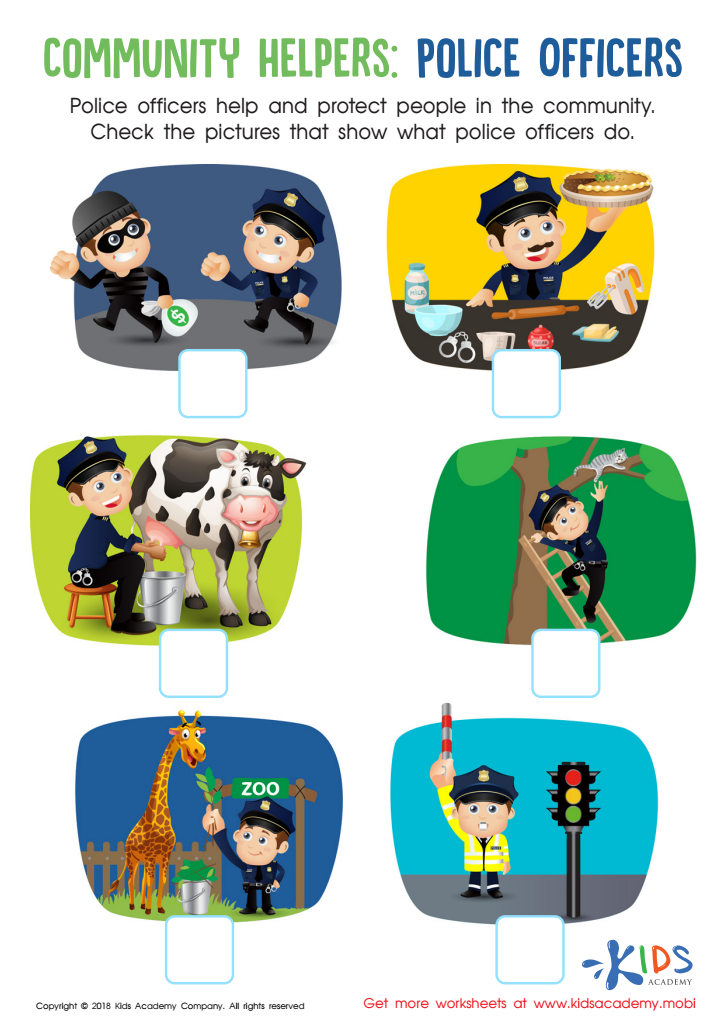
Police Officers Community Helpers Worksheet
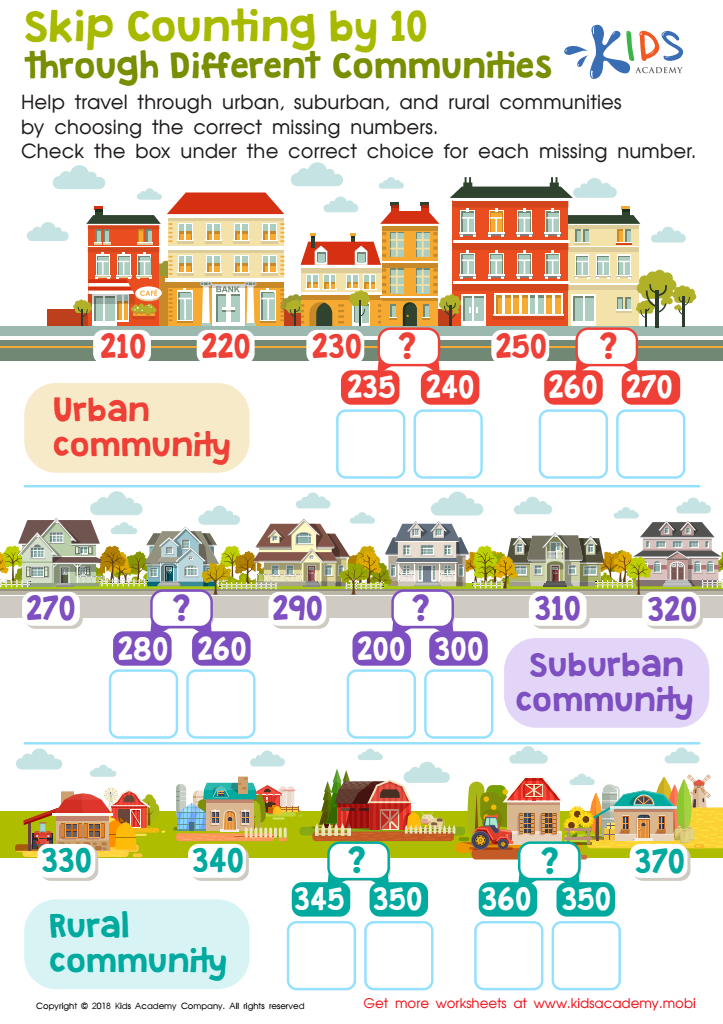
Skip Counting by 10 through Different Communities Worksheet
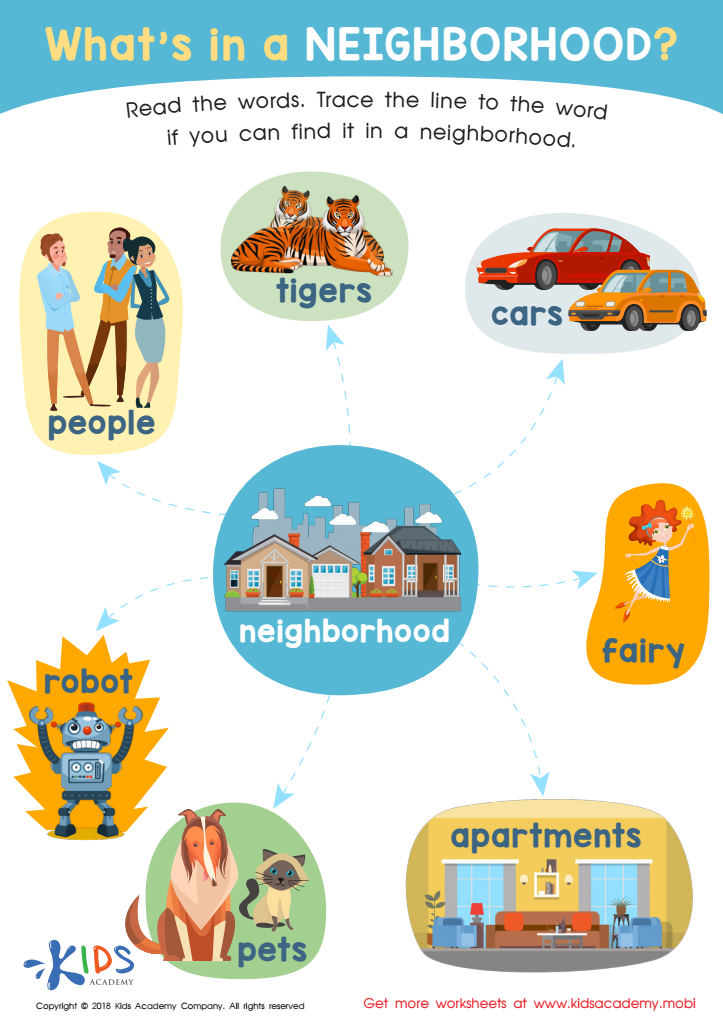
What's in a Neighborhood? Worksheet



.jpg)




Building vocabulary in children aged 5-9 is crucial for several reasons that greatly impact their academic and social development. First, a rich vocabulary enhances reading comprehension. As children encounter new texts, a well-developed vocabulary allows them to understand and engage with content more deeply, fostering a love for reading that is instrumental for lifelong learning.
Secondly, vocabulary is integral to effective communication skills. Children who possess a broader vocabulary can express their thoughts, feelings, and ideas more clearly, paving the way for better interactions with peers and adults. This ability is essential for forming friendships and ultimately leads to increased self-esteem and confidence.
Moreover, vocabulary development supports critical thinking skills. As children learn new words, they also gain the ability to categorize items, compare and contrast concepts, and understand nuanced meanings, all of which are crucial components of problem-solving.
Finally, strong vocabulary skills contribute to academic success, influencing performance across subjects such as math and science, where specific terminology is key. By prioritizing vocabulary building, parents and teachers lay a strong foundation for children's future learning and social interactions, ultimately preparing them for the challenges of adulthood.








