Geography knowledge Normal Worksheets for Ages 5-9 - Page 2
27 filtered results
-
From - To

Towns Worksheet
 Assign to My Students
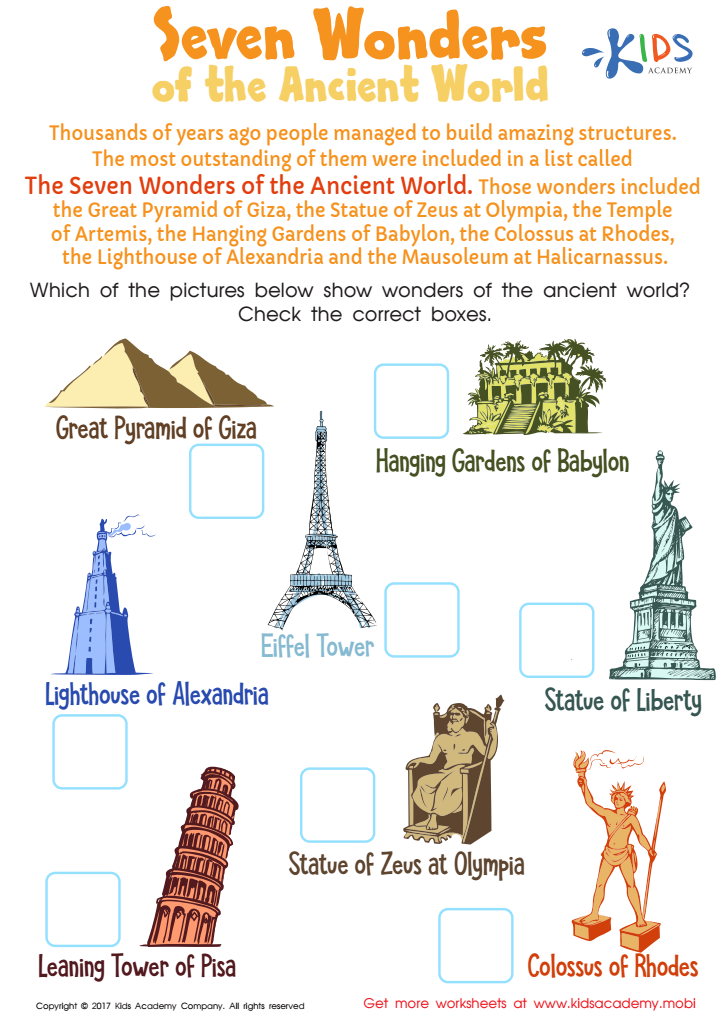
Seven Wonders of the Ancient World Worksheet
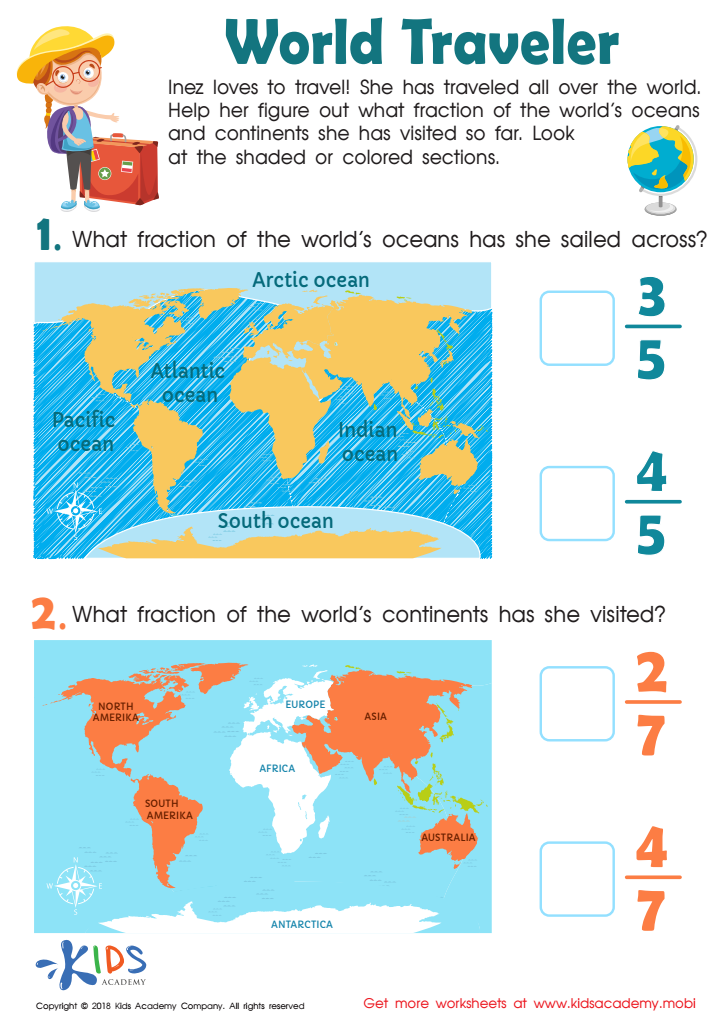
World Traveler Worksheet





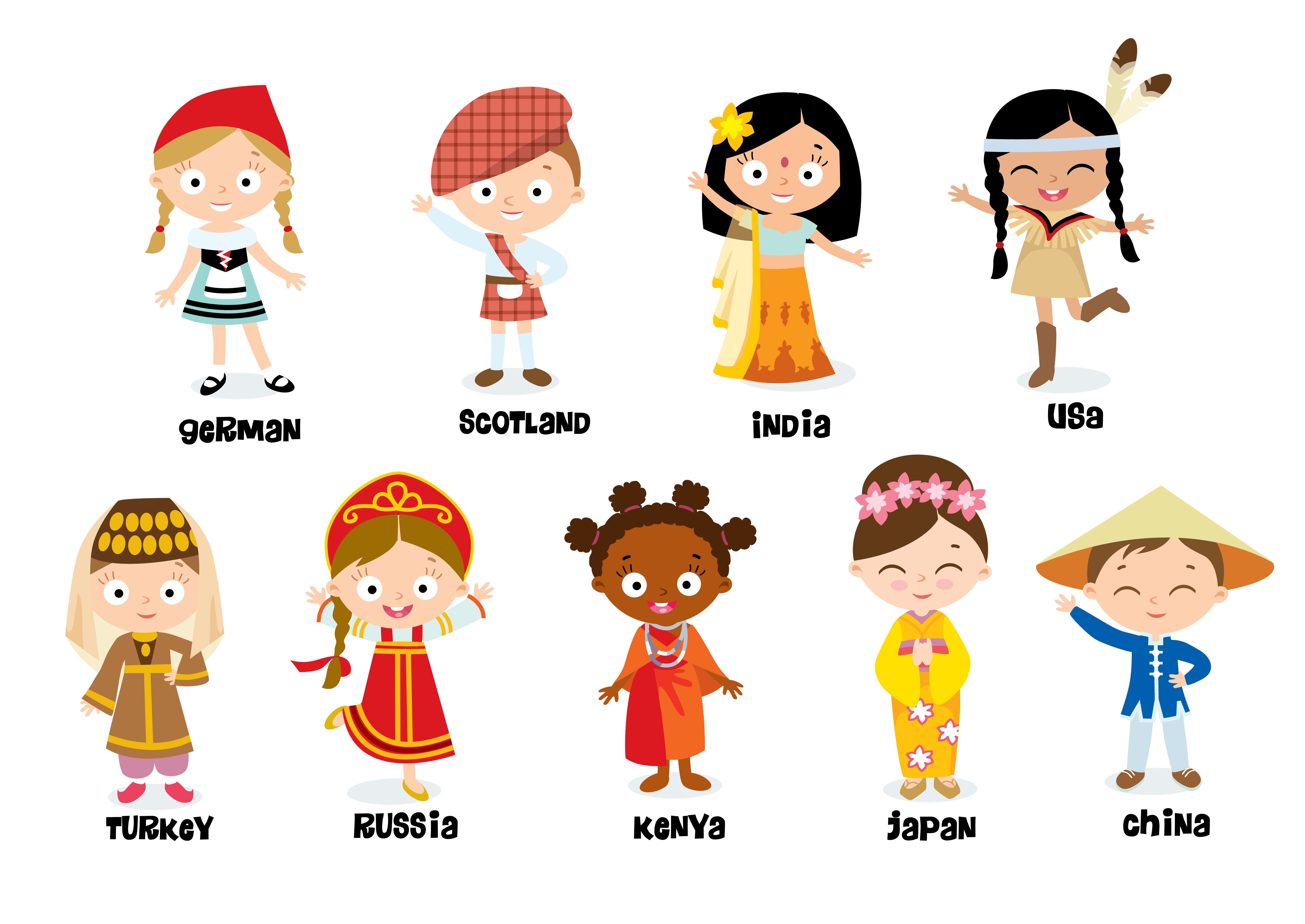


Parents and teachers should care about geography knowledge for children ages 5-9 because it lays the groundwork for understanding the world and fosters curiosity about diverse cultures, places, and environments. At this developmental stage, children are naturally curious about their surroundings. Introducing them to geography helps them comprehend basic concepts such as locations, maps, and landscapes, which are essential for spatial awareness.
Understanding geography enhances critical thinking skills as children learn to ask questions about their environment — why certain places are located where they are and how humans interact with their surroundings. This knowledge encourages empathy, as children grasp the diversity of life experiences globally, promoting appreciation and respect for differences in cultures and lifestyles.
Moreover, geography serves as a bridge to other subjects, including history, science, and social studies. It enhances literacy and numeracy as they interpret maps and graphs, sharpening analytical skills. By nurturing geography knowledge, parents and teachers prepare children to be informed citizens who can address global challenges such as climate change and migration. Ultimately, a solid foundation in geography can inspire a lifelong interest in discovery and a profound connection to our planet and its people.








