Knowledge application Normal Worksheets for Ages 5-9
6 filtered results
-
From - To
Explore our engaging "Knowledge Application Normal Worksheets" designed for children aged 5-9! These worksheets aim to reinforce learning and encourage critical thinking skills through fun activities tailored for young learners. Each worksheet focuses on applying knowledge in various contexts, promoting creativity and problem-solving. From matching exercises to creative scenarios, these printable resources make learning enjoyable and effective. Ideal for classroom use or at-home practice, our worksheets complement a range of subjects including math, science, and reading. Foster a love of learning in your child with our thoughtfully crafted materials, designed to inspire curiosity and enhance knowledge application skills!
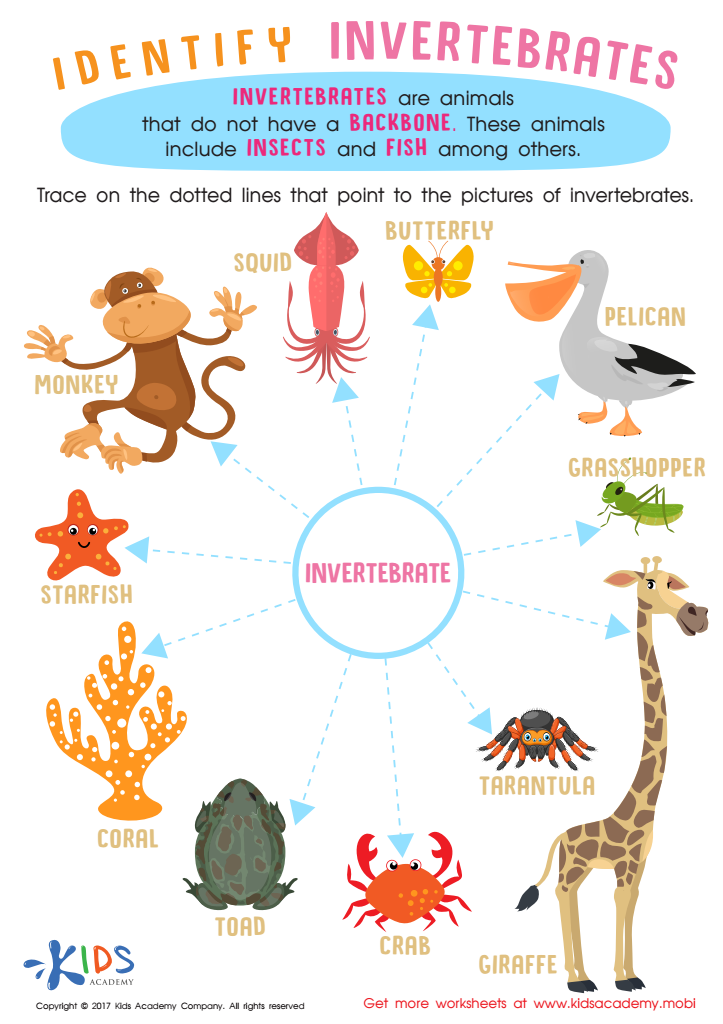
Invertebrates Worksheet for Grade 3
 Assign to My Students
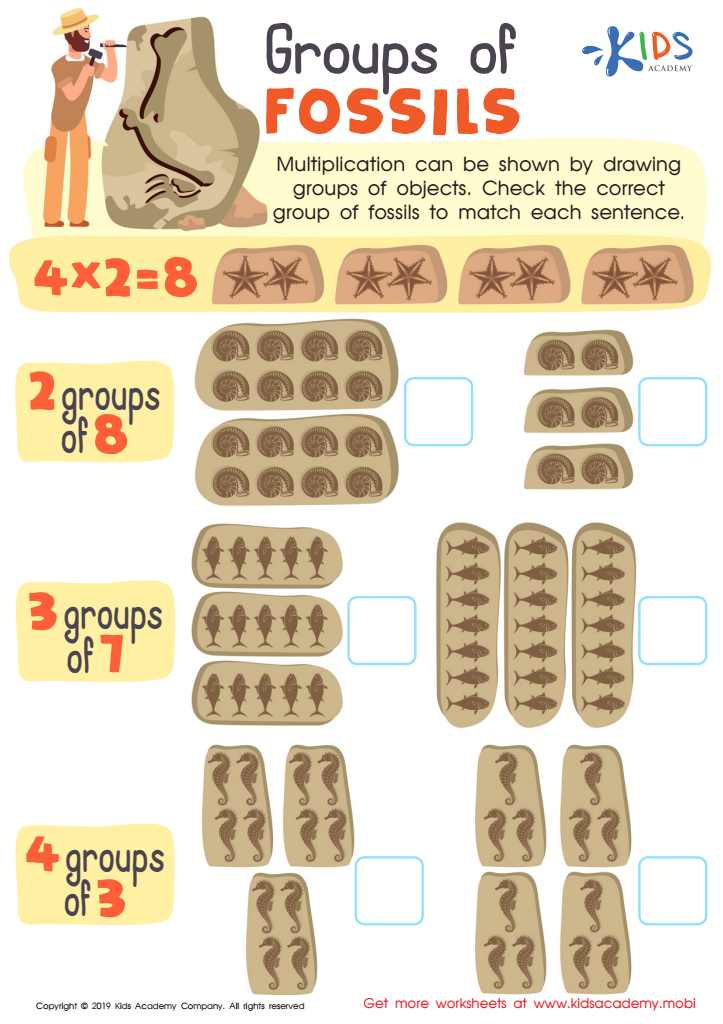
Groups of Fossils Worksheet
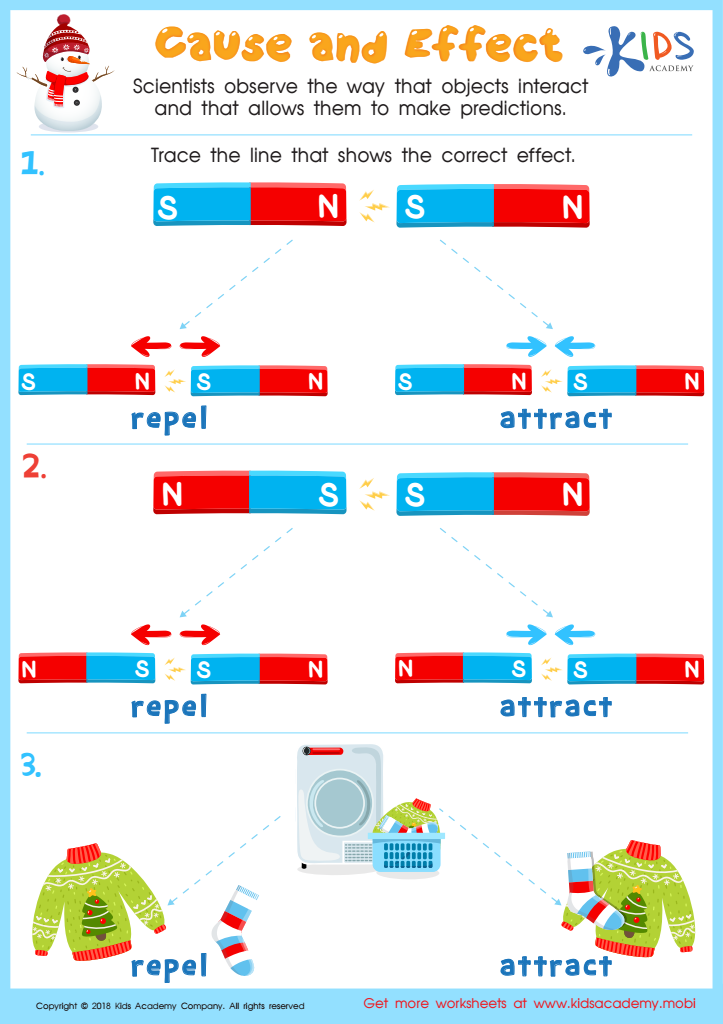
Repel and Attract Magnet Worksheet
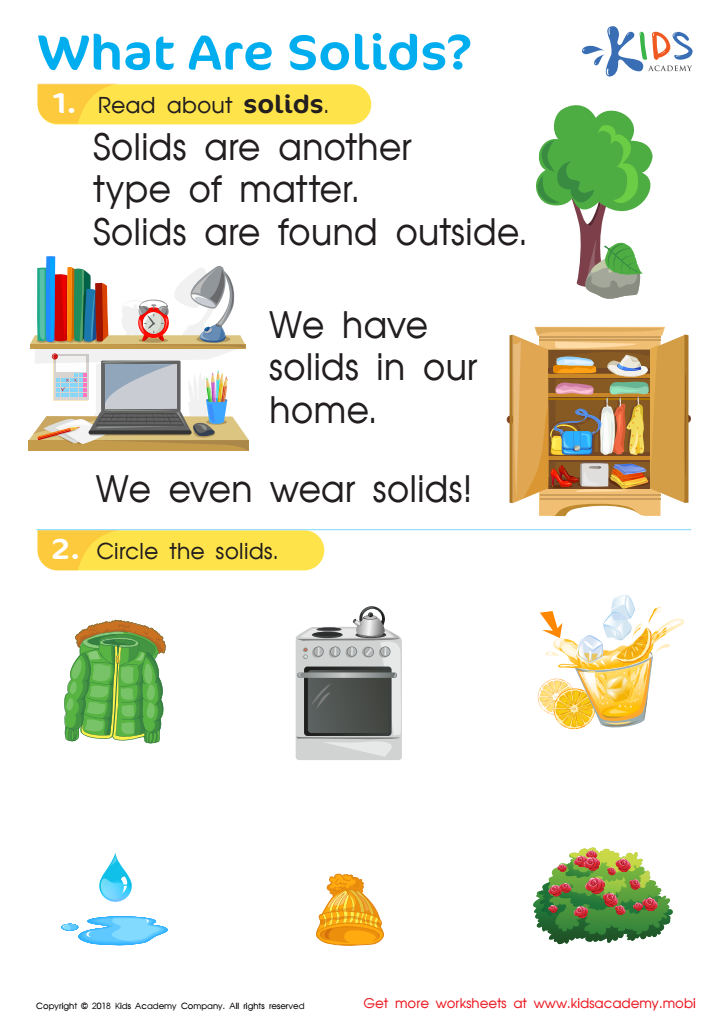
What Are Solids? Worksheet
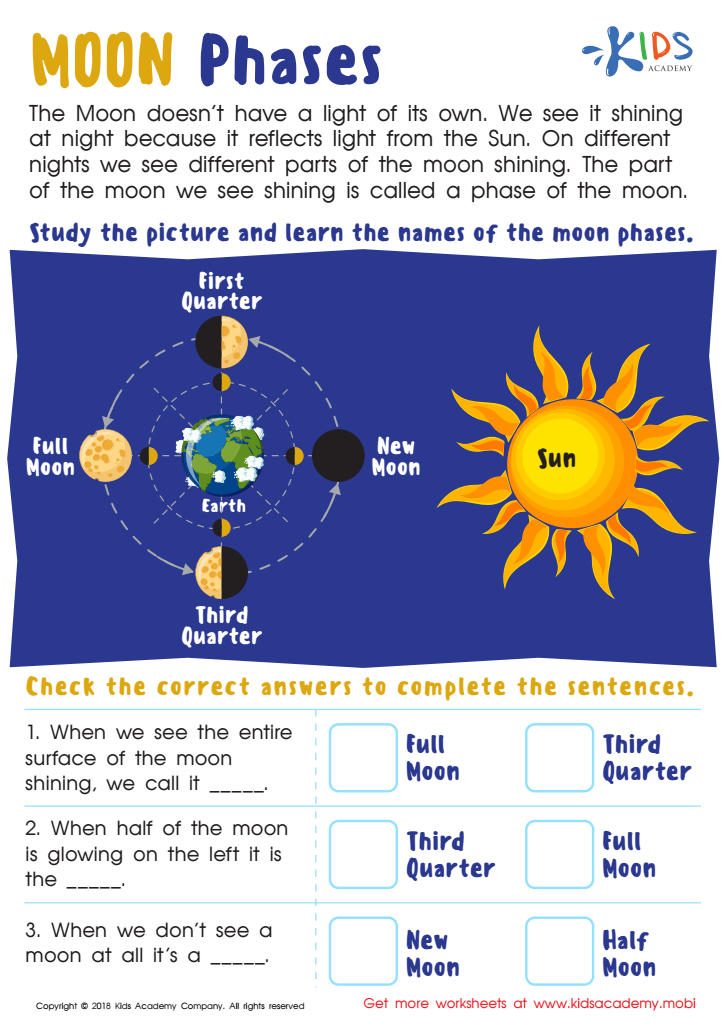
Moon Phases Worksheet
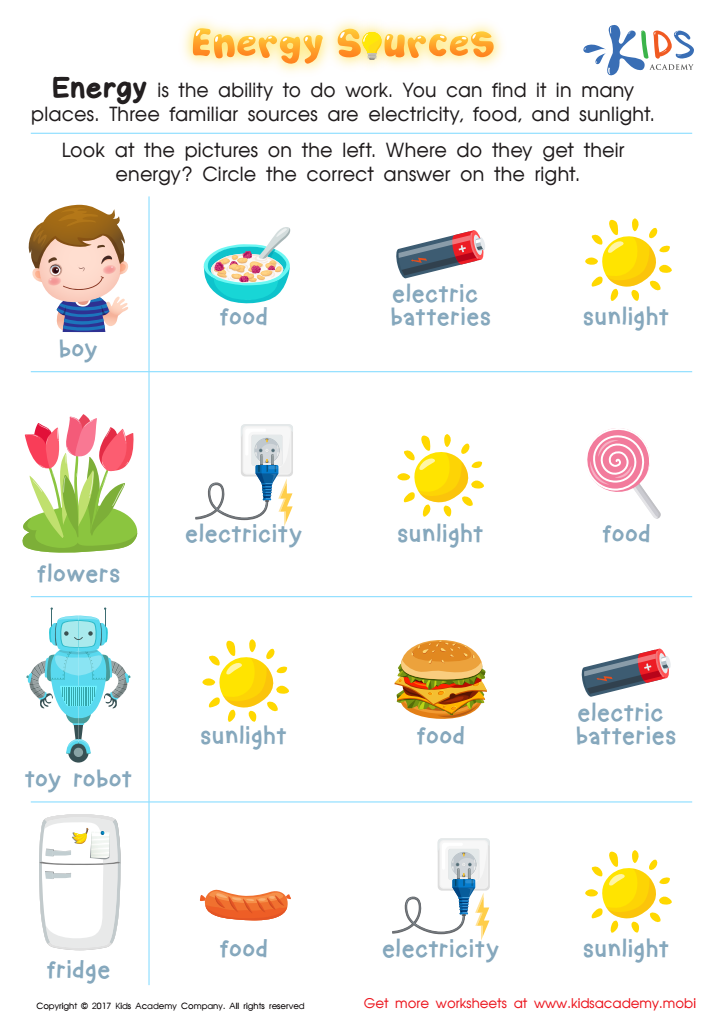
Energy Sources Printable








Parents and teachers should prioritize knowledge application in children aged 5-9 because this developmental stage is vital for establishing a strong educational foundation. During these formative years, children are not just absorbing information; they are learning how to apply it in real-world contexts. This skill is essential for deeper understanding and retention of knowledge. Applying concepts helps children see the relevance of what they learn, fostering engagement and enthusiasm for education.
Furthermore, knowledge application encourages critical thinking and problem-solving skills, which are crucial for adapting to future challenges. Children learn to analyze situations, make connections, and devise solutions, preparing them for more complex ideas in higher grades.
Additionally, hands-on activities and experiential learning reinforce what they’ve learned, making education more interactive and enjoyable. When children work on projects, experiments, or role-playing scenarios, they develop social skills and learn to collaborate with peers.
Ultimately, focusing on knowledge application helps nurture a lifelong love for learning. It equips children with the confidence and skills to navigate their environments creatively and effectively, setting the tone for their academic journey ahead. Parents and teachers play a pivotal role in fostering these essential competencies, making their involvement crucial.








