Spatial awareness Normal Worksheets for Ages 5-9 - Page 2
29 filtered results
-
From - To
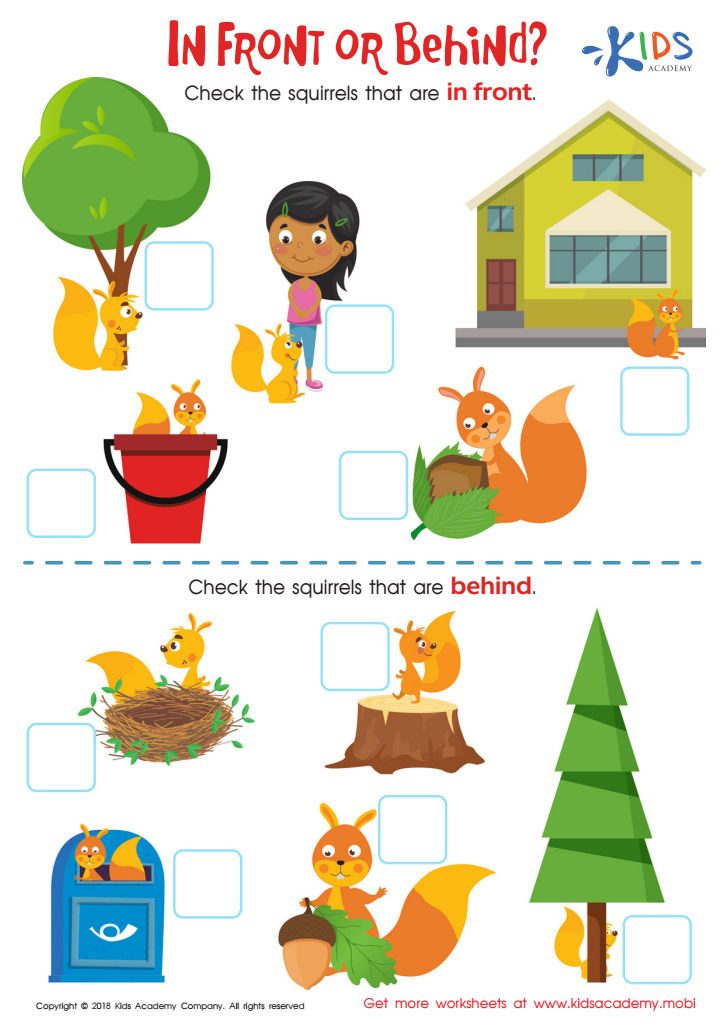
In Front or Behind: Part 2 Worksheet
 Assign to My Students
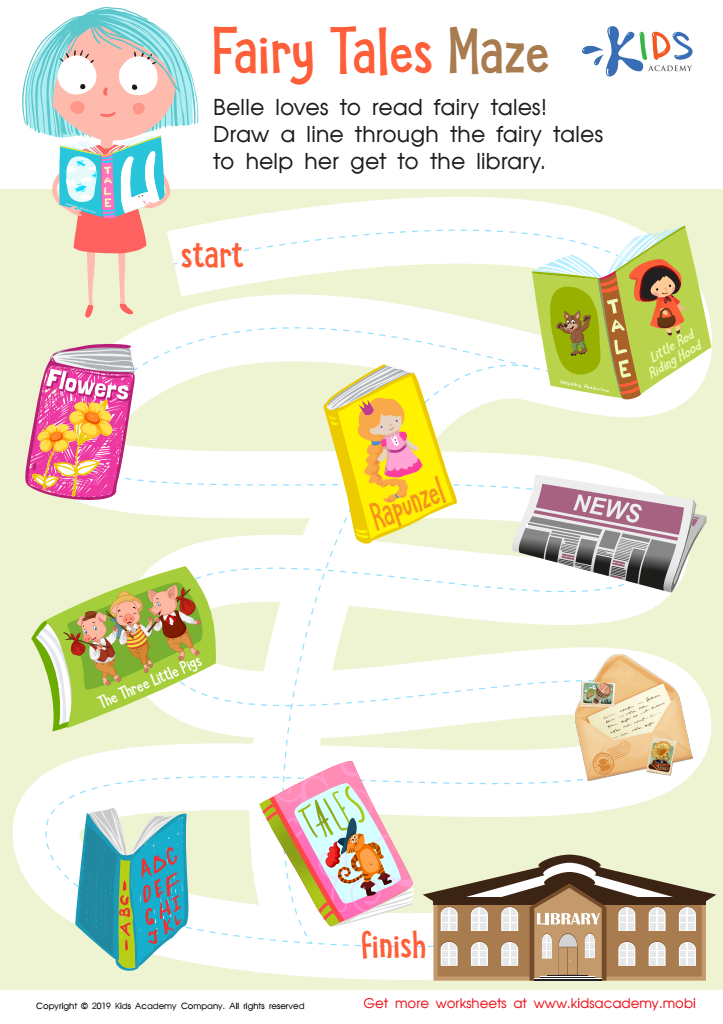
Fairy Tales Maze Worksheet
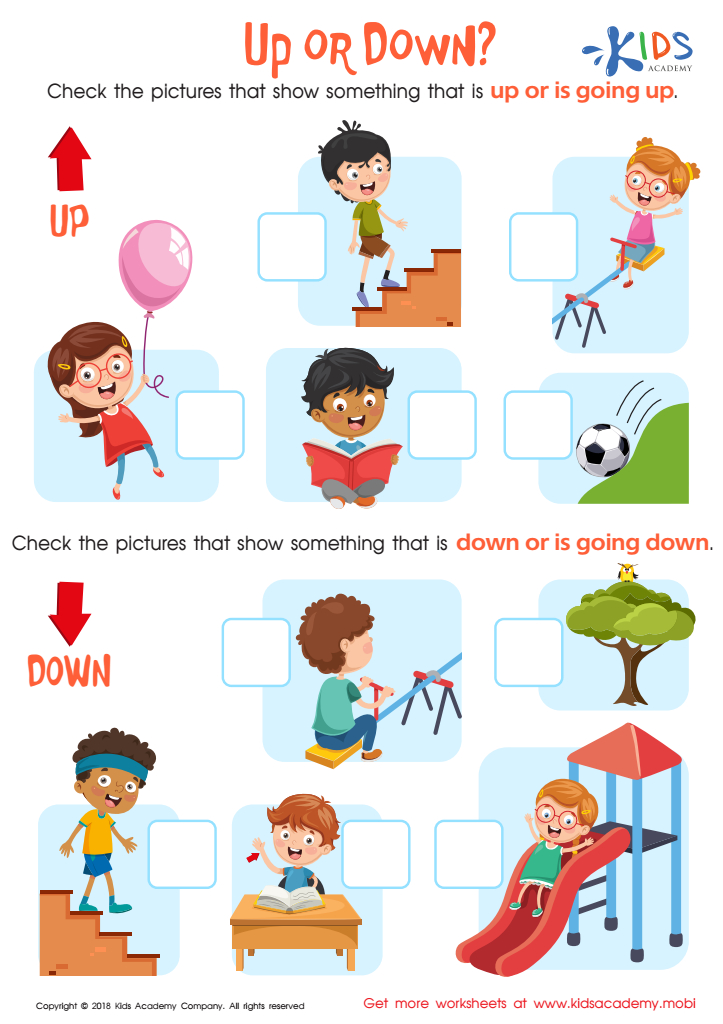
Up or Down Worksheet
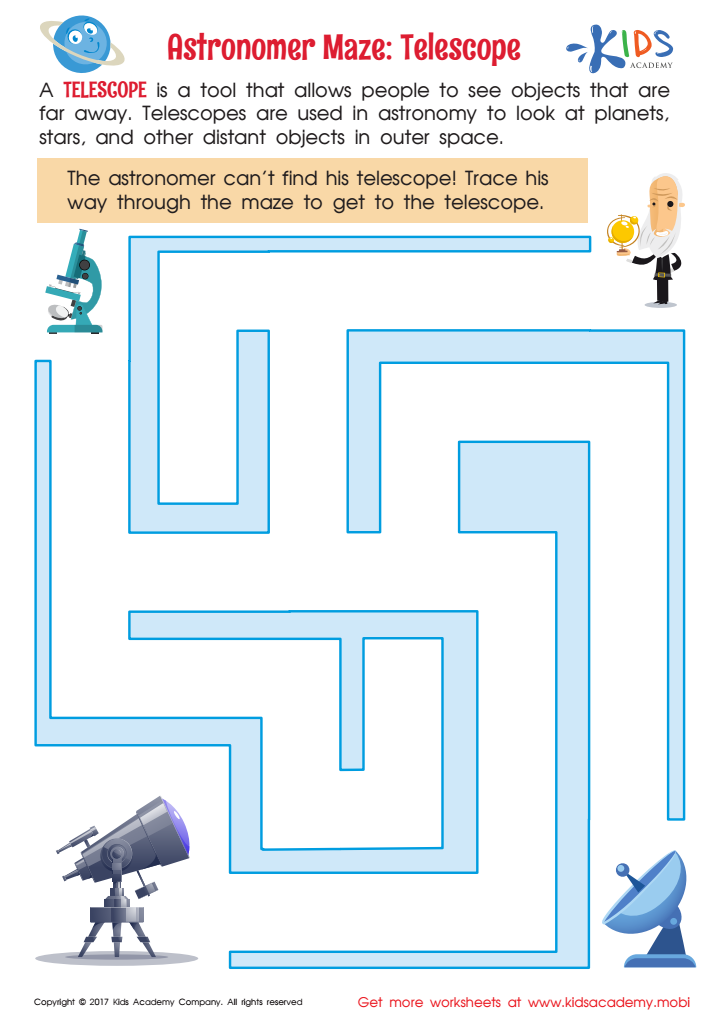
Astronomer Maze: Telescope Worksheet
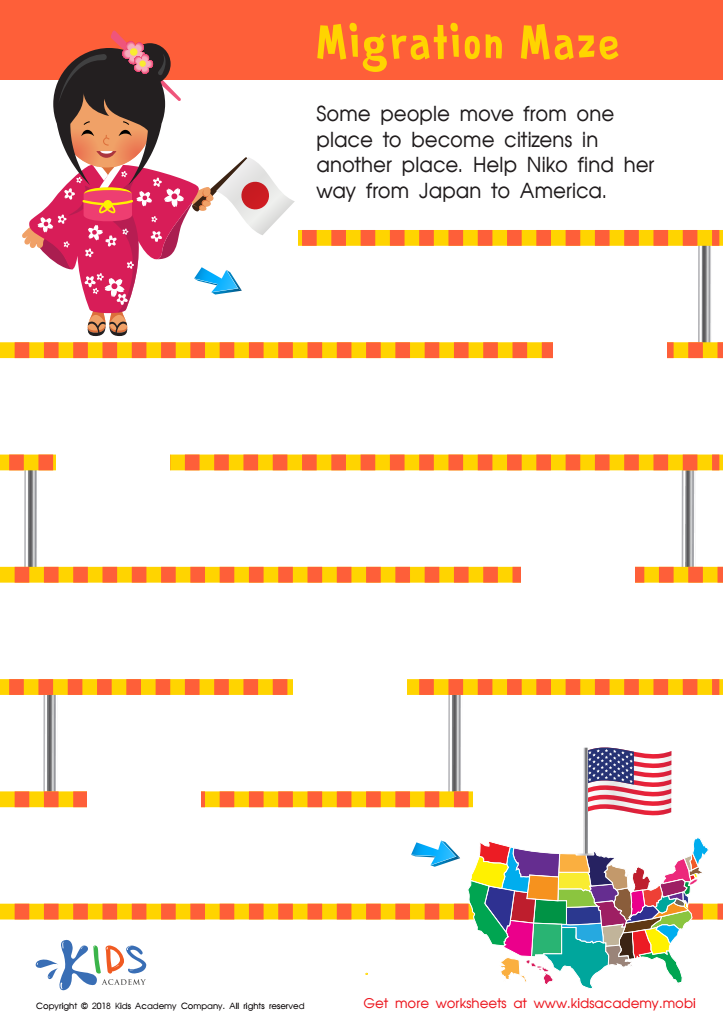
Migration Maze Worksheet






.jpg)
Spatial awareness is crucial for children ages 5-9 as it lays the foundation for numerous cognitive, academic, and social skills. During this developmental stage, children are beginning to understand their position and interaction with the world around them. This understanding helps inform their ability to navigate spaces, recognize patterns, and learn geometry, which is essential in mathematics.
Parents and teachers should prioritize spatial awareness because it directly impacts a child's ability to problem-solve and think critically. Activities that encourage spatial reasoning, such as puzzles, building with blocks, or drawing shapes, enhance a child's fine motor skills and hand-eye coordination. These activities also foster creativity and imagination, important attributes for overall development.
Additionally, spatial awareness is linked to social understanding, as children learn how to share space with others and navigate social settings. Home and classroom environments that promote spatial skills support collaborative learning experiences, leading to improved teamwork and communication skills.
By investing time in enhancing spatial awareness, parents and teachers cultivate lifelong advantages in education, personal interaction, and everyday practical activities, ultimately preparing children for more complex tasks as they grow. The early years are formative, and nurturing these skills now can yield significant benefits later in life.








