Vocabulary Building Normal Worksheets for Ages 5-9 - Page 3
51 filtered results
-
From - To
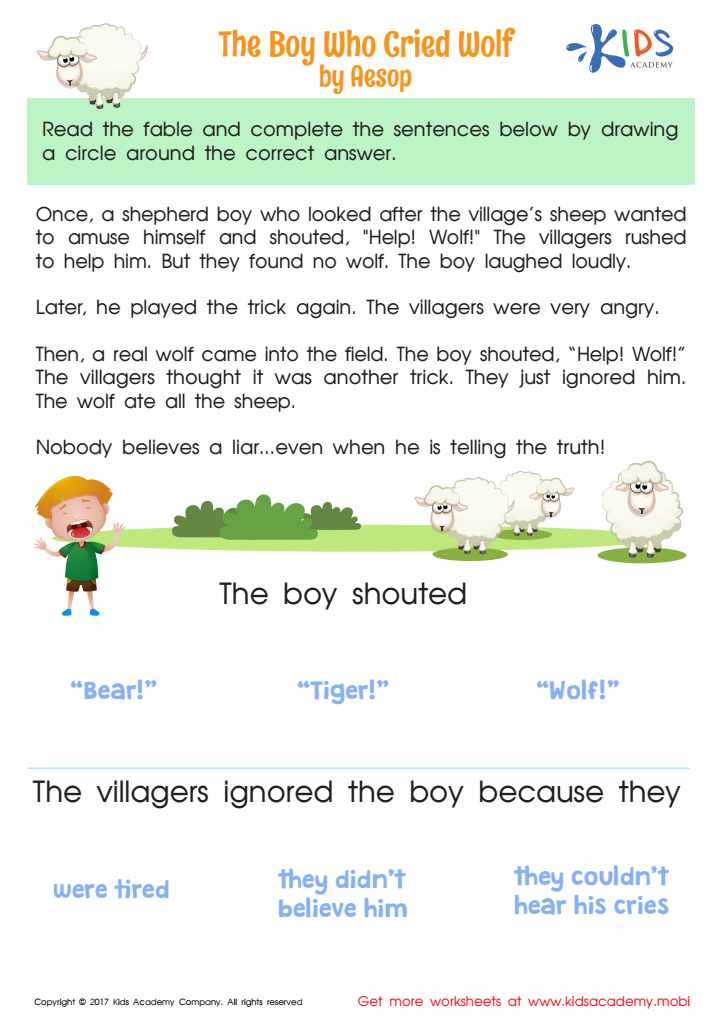
The Boy Who Cried Wolf Worksheet
 Assign to My Students
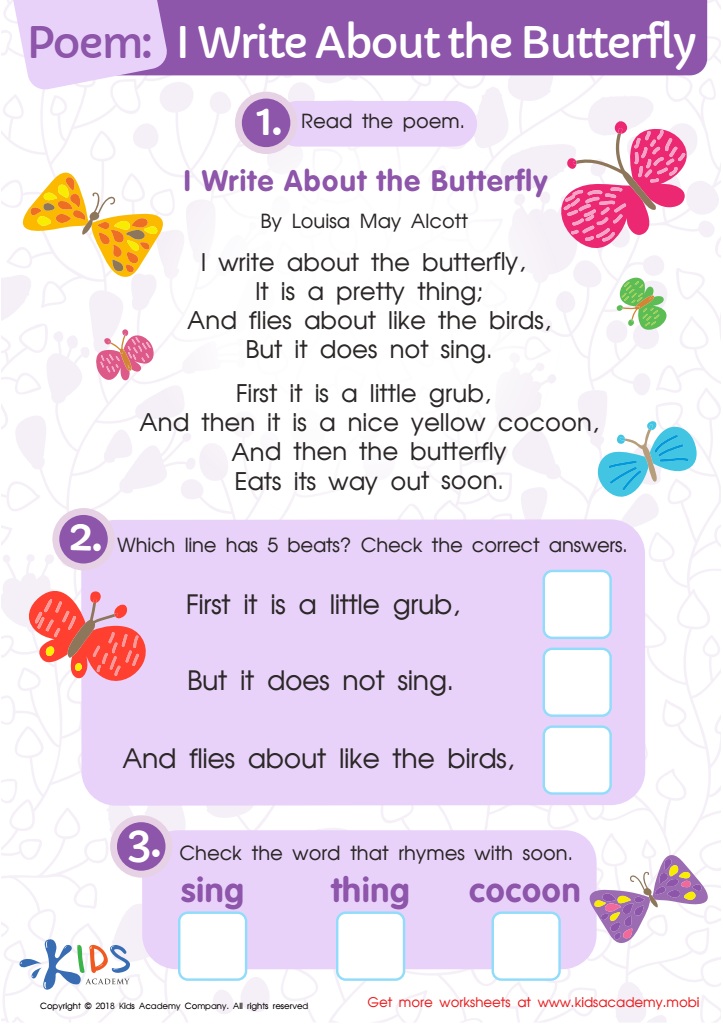
Poem: I Write About The Butterfly Worksheet
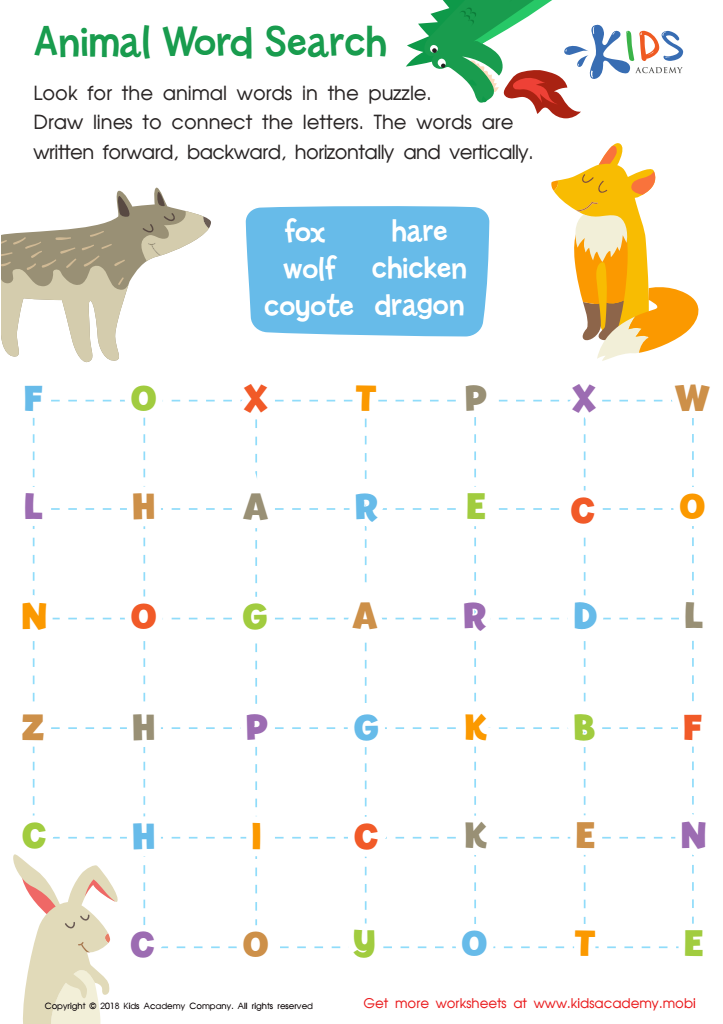
Animal Word Search Worksheet








Vocabulary building is crucial for children aged 5-9, as this developmental stage lays the foundation for their academic and social futures. At this age, children's brains are highly receptive to language, making it an ideal time to expand their vocabulary. Vocabulary not only enhances reading comprehension but also improves communication skills, enabling children to express their thoughts and emotions clearly.
Additionally, a robust vocabulary boosts cognitive development. When children encounter new words, they are encouraged to think critically, which fosters a love for learning. It also helps them in various subjects, as language is an integral part of every discipline.
For teachers and parents, promoting vocabulary building creates more engaged and confident learners. Children with a strong vocabulary are more likely to participate in discussions, ask questions, and take academic risks, which can lead to richer classroom experiences. Engaging in vocabulary-building activities—such as reading together, playing word games, or encouraging creative storytelling—can transform mundane lessons into exciting explorations of language.
In summary, nurturing vocabulary development in young children is essential, as it empowers them not only in school but also in their everyday interactions, setting a lifelong precedent for effective communication and learning.








