
Number Sequencing Normal Counting Worksheets for Ages 5-9
3 filtered results
Difficulty Level
Grade
Age
-
From - To
Subject
Activity
Standards
Discover our engaging Number Sequencing Normal Counting Worksheets, specially designed for children aged 5-9. These worksheets help young learners develop essential counting skills through fun and interactive activities. With various exercises focusing on number ordering and sequencing, children will strengthen their understanding of numerical relationships while building confidence in their math abilities. From fill-in-the-blank sequences to vibrant illustrations, our resources provide a stress-free learning environment. Perfect for homeschooling, classroom use, or supplementary practice, these worksheets make mastering number sequences enjoyable. Explore our collection and watch your child’s counting skills flourish as they learn through play!
Favorites
With answer key
Interactive
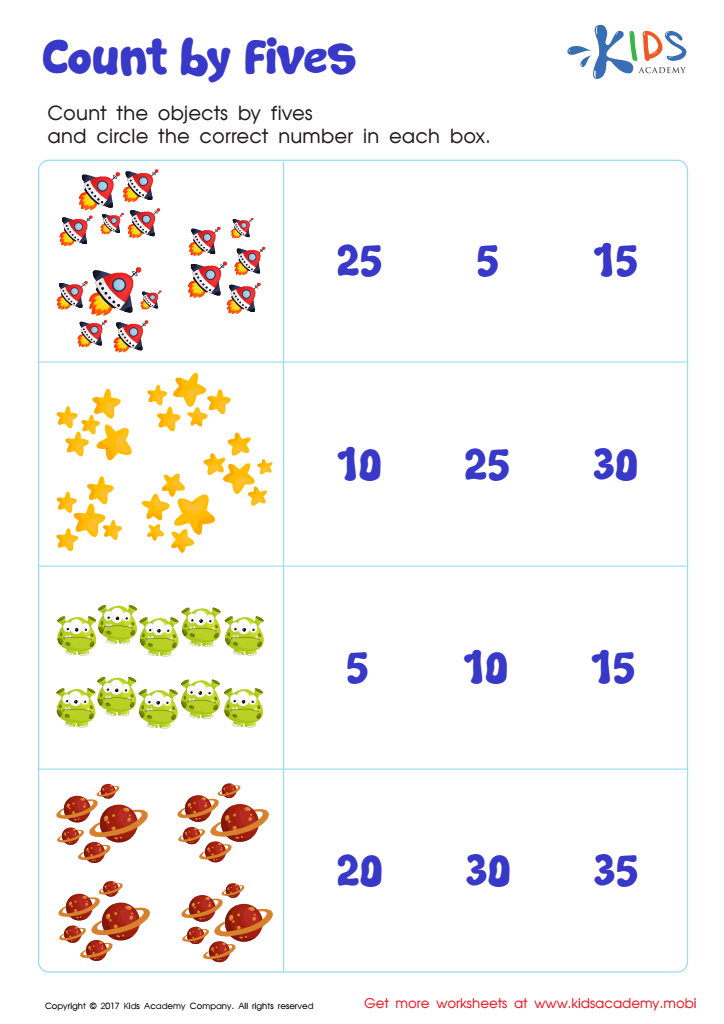
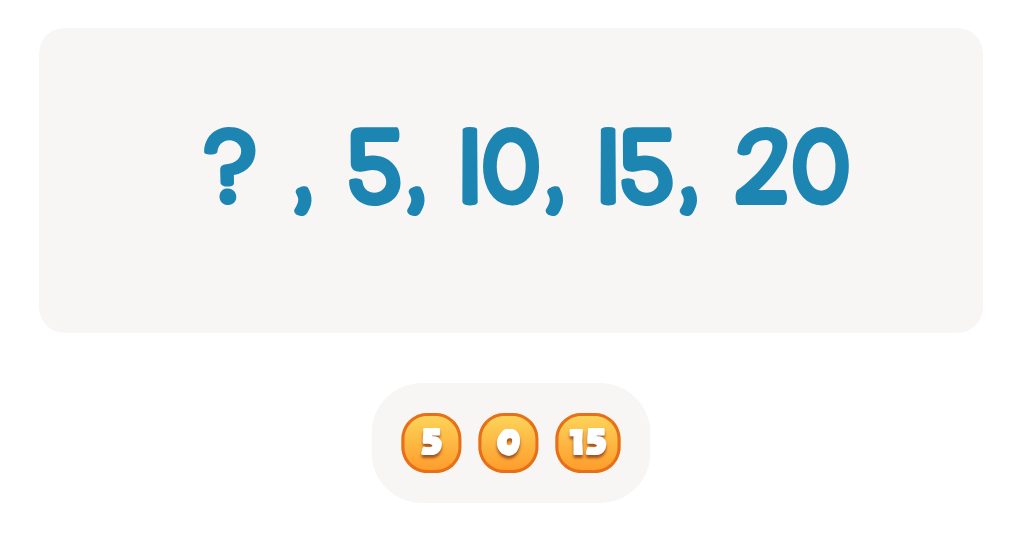
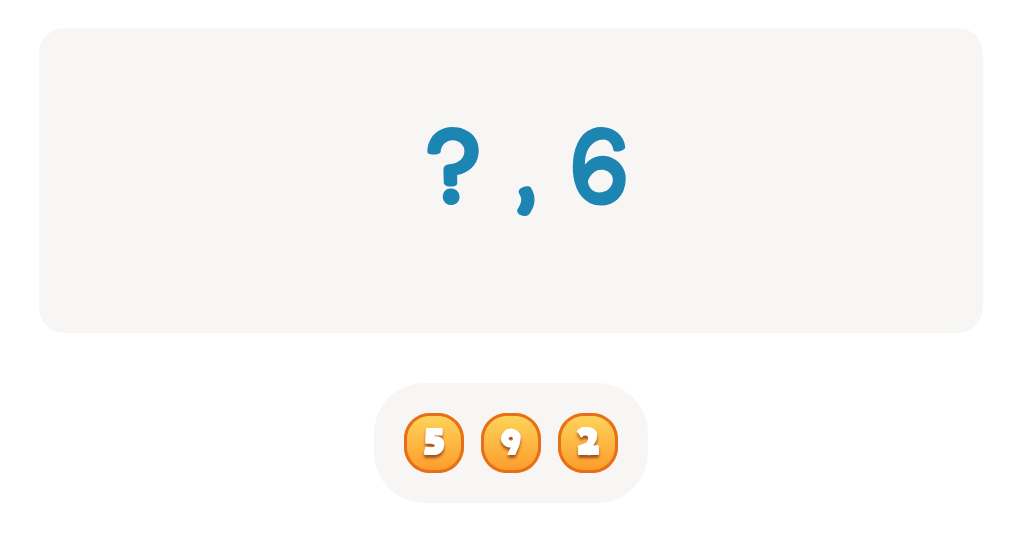
Skip Counting by 5s: Space Math Printable
This worksheet will provide your child with fun and practice counting by 5's. It'll help them visually count numbers, use problem solving skills and make connections between individual and groups of numbers. Counting money and various math concepts will become easier with this invaluable skill. Blast off with this fun and educational worksheet featuring space graphics.
 Assign to My Students
Skip Counting by 5s: Space Math Printable
Worksheet


Count by 2's: Trains Worksheet
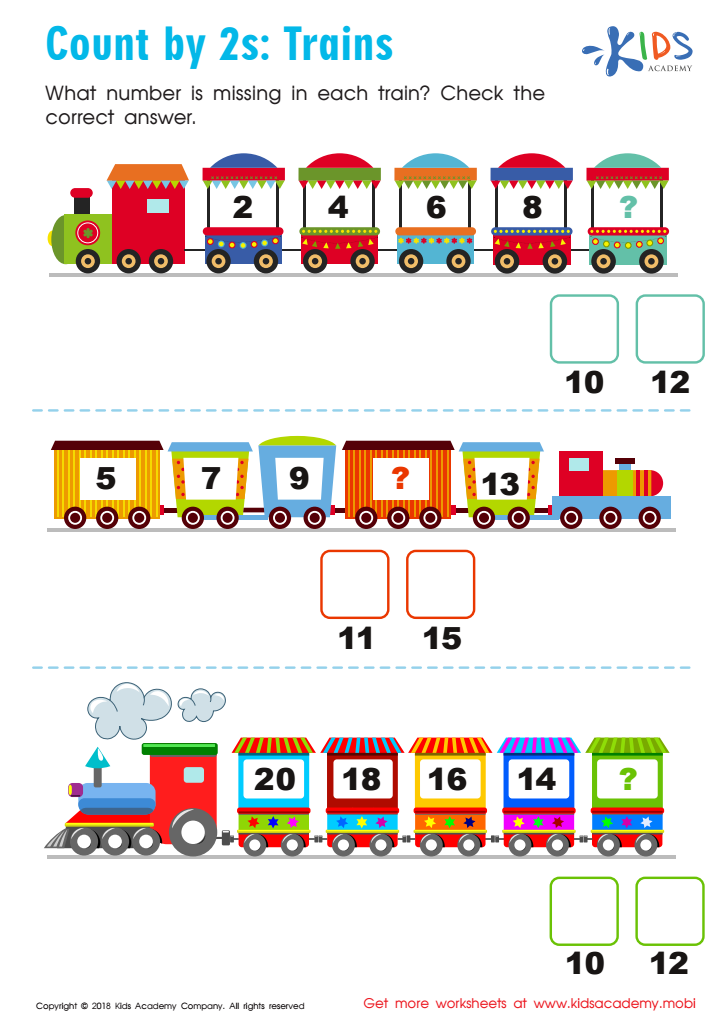
Teaching your kids quick computations? Get them skip-counting by 2s! They'll love filling in the colors of the train while counting, and it will help with 'counting up' or backward on paper or in their heads - essential for quick computations later.
Count by 2's: Trains Worksheet
Worksheet
Frog Countdown Worksheet
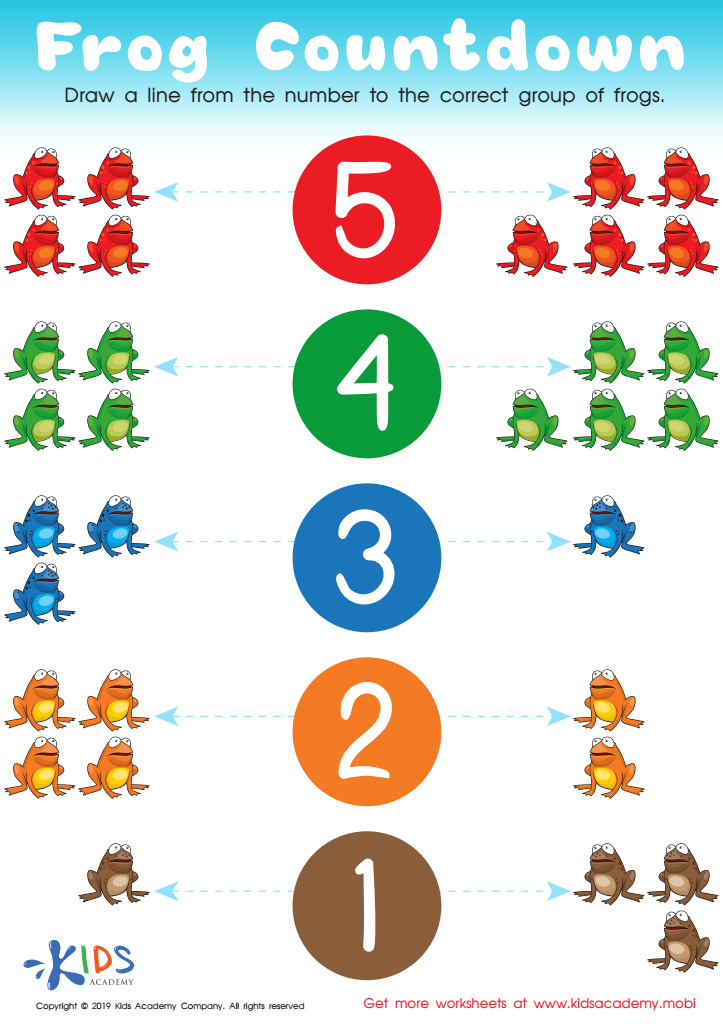
Make learning fun for kids with traceable printouts! This exercise has kids counting frogs and drawing a line to match the number. Expand their knowledge with activities like this, beyond the basics they learn in school. Help them explore new ways of learning and make it enjoyable.
Frog Countdown Worksheet
Worksheet
Join Kids Academy for Free
Who is primarily going to use this learning content?








Number sequencing and normal counting are fundamental skills that lay the groundwork for a child’s mathematical development, particularly for those aged 5 to 9. Parents and teachers should care about these skills for several reasons.
Firstly, counting and sequencing help children develop number sense—a critical understanding of numbers and their relationships. Mastering these concepts assists with simple arithmetic, as well as more complex mathematical operations in later grades.
Additionally, these skills enhance cognitive development. When children engage in activities that involve sequencing numbers, they practice problem-solving and critical thinking, essential skills for their overall academic success. Counting sequences, such as forward and backward counting, also foster pattern recognition, which is vital in various subjects beyond math, such as science and reading.
Moreover, establishing a strong foundation in number sequencing and counting can boost children's confidence in their mathematical abilities, leading to a more positive attitude toward learning. As they successfully tackle number sequences, children gain reassurance in their skills, paving the way for future academic challenges.
Ultimately, nurturing these early numeracy skills equips children not only with mathematical proficiency but also with essential cognitive and emotional tools that aid their growth as learners and problem solvers.








