Sound recognition Normal Reading Worksheets for Ages 5-9
4 filtered results
-
From - To
Discover our engaging "Sound Recognition Normal Reading Worksheets" designed specifically for children aged 5-9. These worksheets enhance phonemic awareness through fun and interactive activities that make learning enjoyable. Kids will develop essential sound recognition skills by practicing with various exercises, including identifying beginning sounds, matching pictures with words, and exploring rhymes. Each worksheet is tailored to reinforce key literacy concepts, promoting reading fluency and comprehension alongside auditory skills. Perfect for classroom use or home practice, our resources are user-friendly and aligned with educational standards, ensuring a comprehensive reading foundation for your young learners. Let the journey to confident reading begin!
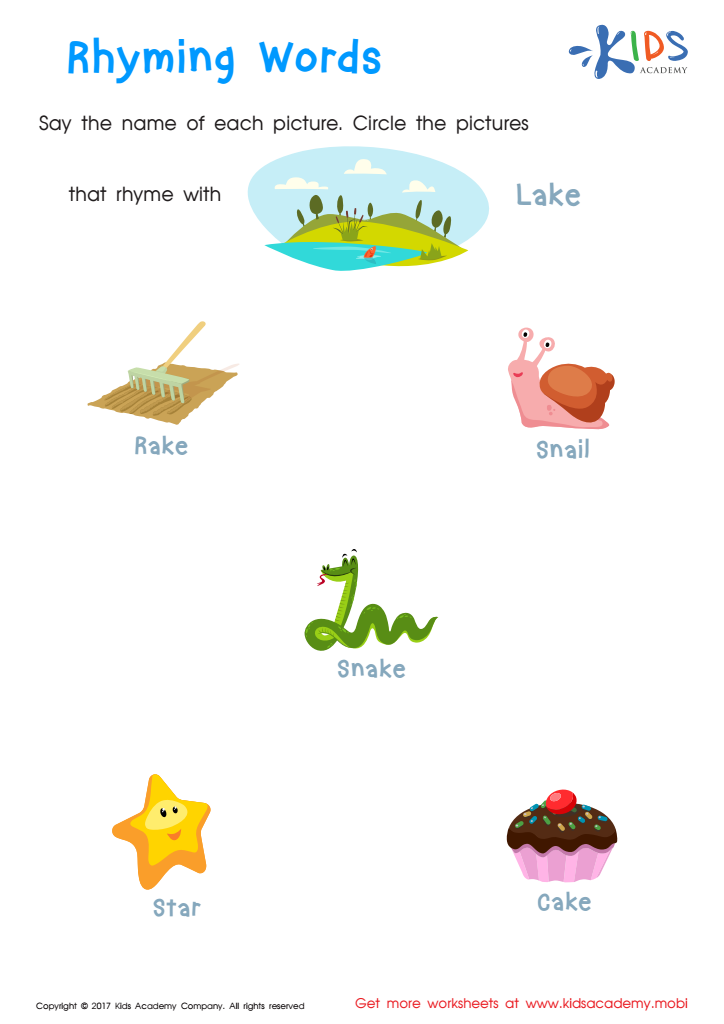
Rhyming Words Rhyming Worksheet

Long and Short U Worksheet
 Assign to My Students
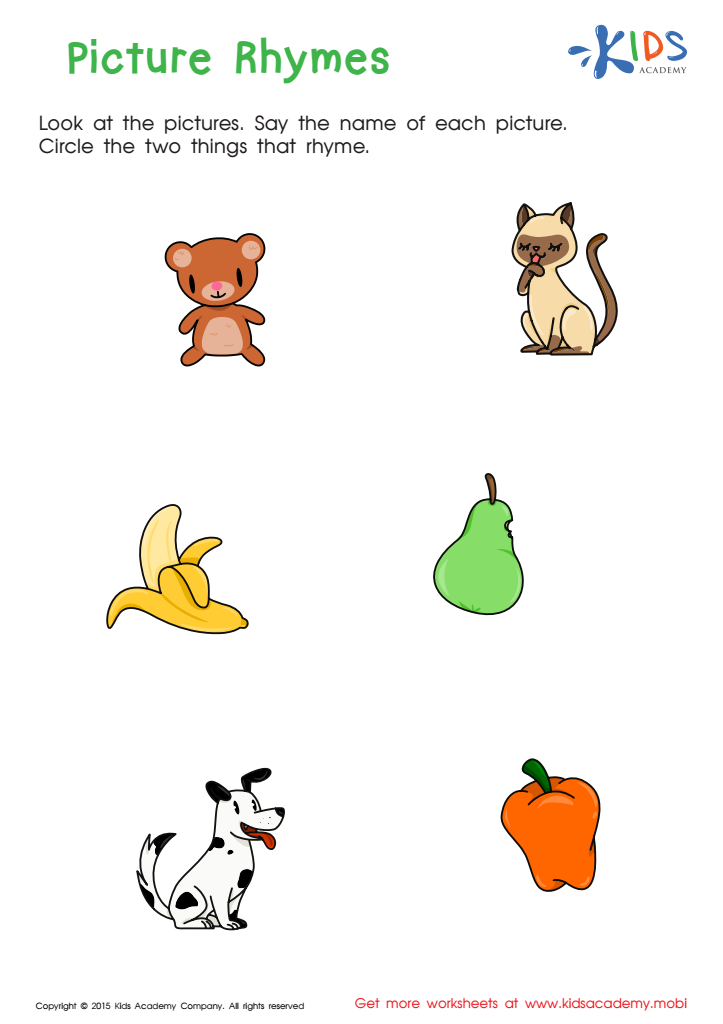
First Words: Picture Rhymes Worksheet
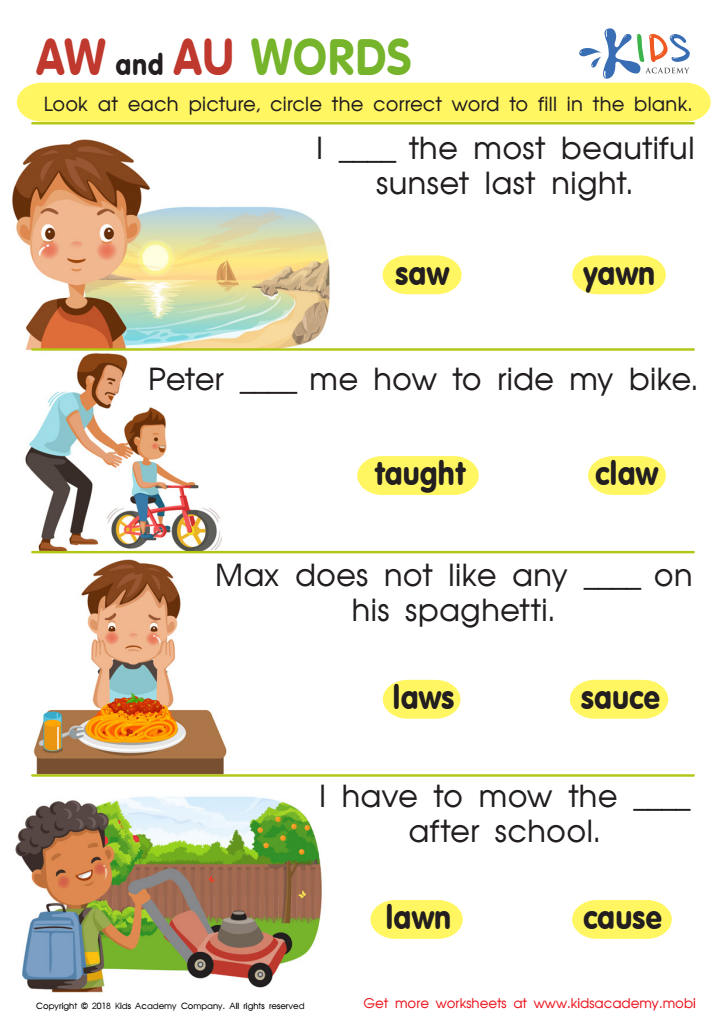
Reading: AW and AU Words Worksheet








Sound recognition, or phonemic awareness, is a critical foundation for reading development in children aged 5-9. This skill involves the ability to hear, identify, and manipulate individual sounds (phonemes) in spoken words. Phonemic awareness is essential because it directly correlates with a child's ability to decode written text, impacting their overall reading fluency and comprehension.
Parents and teachers should care about sound recognition because it helps children develop crucial literacy skills that support their academic success. By recognizing sounds and understanding how they blend to form words, children become more confident readers and writers. Early mastery of sound recognition can lead to improved spelling and vocabulary, setting the stage for advanced literacy as they progress.
Furthermore, children who struggle with sound recognition may face challenges in their reading journey, which can lead to frustration and decreased motivation. Early intervention through targeted activities and games can enhance sound recognition abilities, ensuring that all children can enjoy and benefit from reading.
In summary, fostering sound recognition is essential for holistic language development, creating a positive reading experience, and positioning children for long-term academic achievement. Parents and teachers play a vital role in nurturing these foundational skills during critical early years.








