Analytical thinking Normal Reading Fiction Worksheets for Ages 5-9
4 filtered results
-
From - To
Explore our engaging "Analytical Thinking Normal Reading Fiction Worksheets" designed specifically for ages 5-9! These worksheets help young learners develop critical analytical skills while enhancing their reading comprehension. Featuring captivating fiction stories, each activity encourages children to think deeply about characters, plot, and themes, fostering a love for reading. Through fun exercises such as story analysis, character exploration, and comprehension questions, children hone their ability to interpret information and make connections. Perfect for teachers and parents alike, our worksheets aim to create aspiring readers who not only enjoy stories but also understand them on a deeper level. Start your child’s analytical journey today!
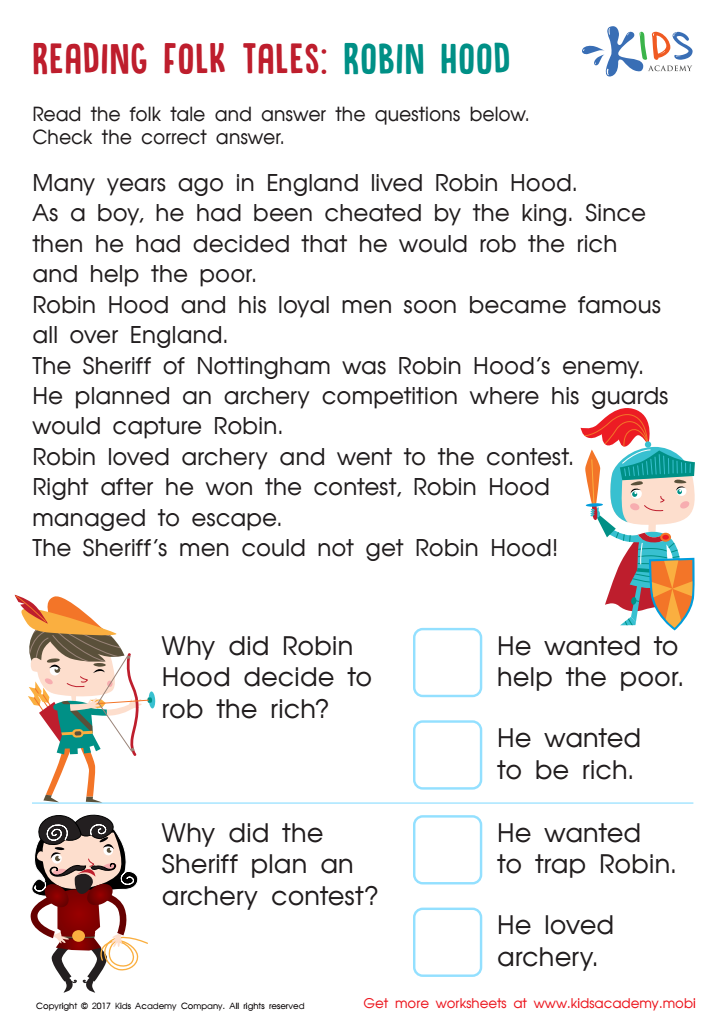
Robin Hood Folktale Worksheet
 Assign to My Students
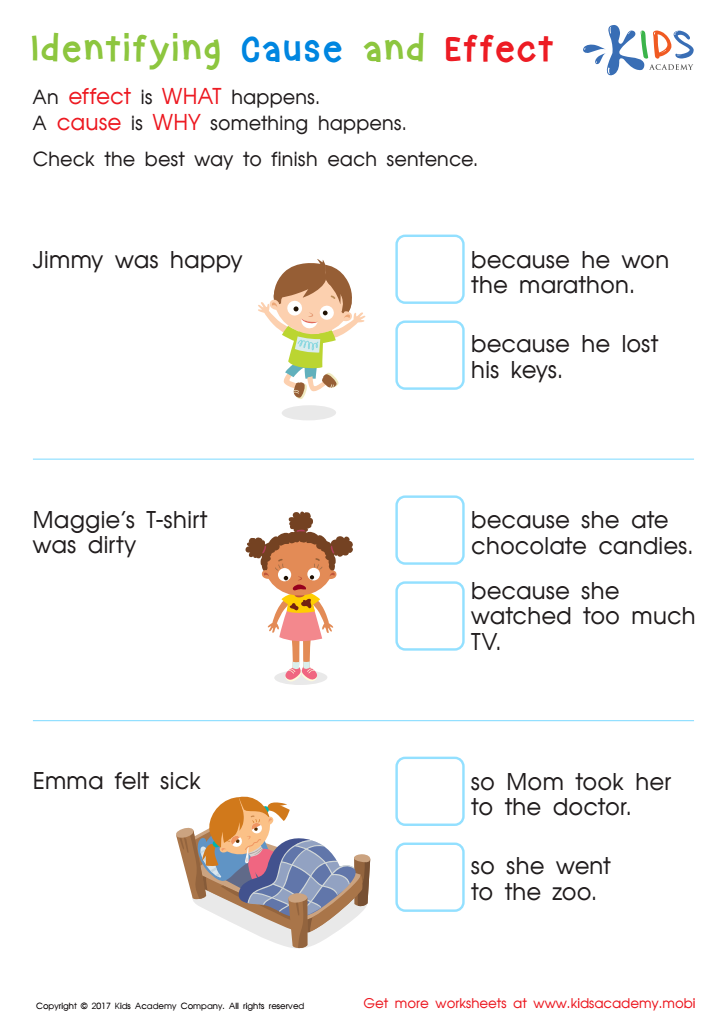
Indentifying Cause and Effect Worksheet
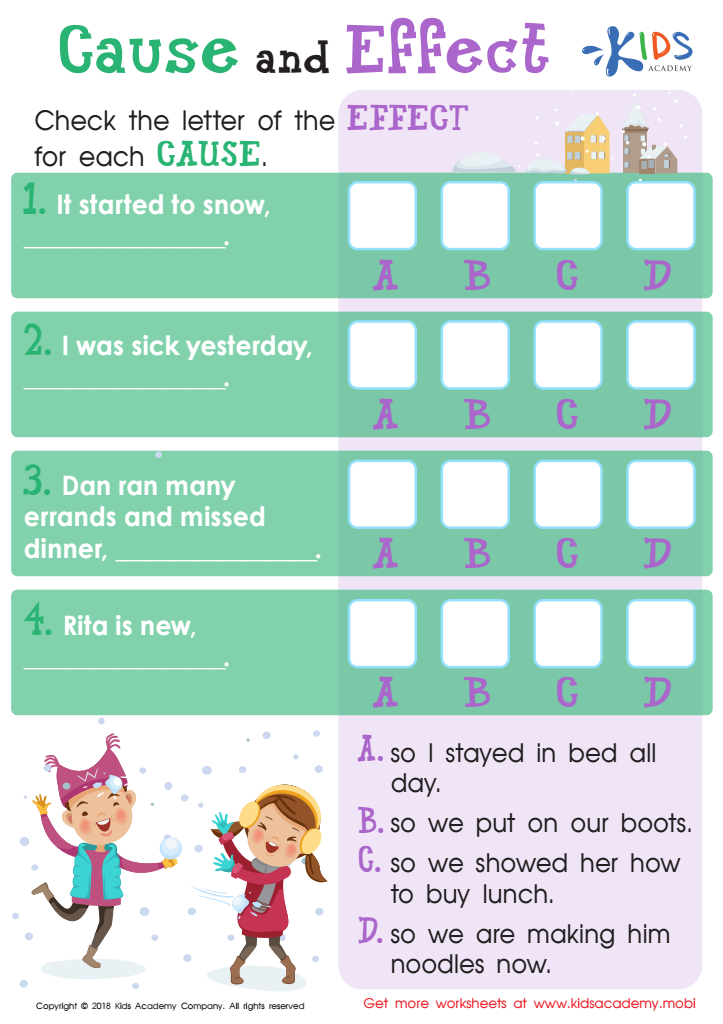
Cause and Effect Worksheet
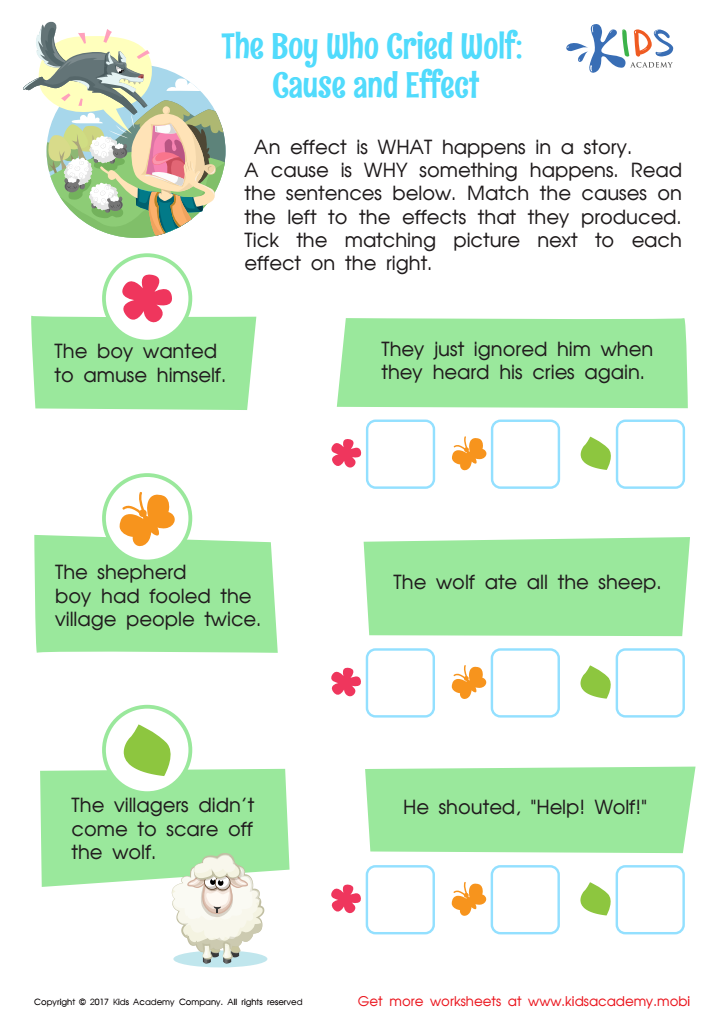
The Boy Who Cried Wolf: Cause and Effect Worksheet




.jpg)

.jpg)

Analytical thinking is a critical skill that lays the foundation for learning and problem-solving in children. When applied to reading fiction, particularly for ages 5-9, it encourages young learners to go beyond mere comprehension and engage with stories on a deeper level. Parents and teachers should care about nurturing analytical thinking during this pivotal stage as it promotes critical engagement with texts, fostering curiosity and creativity.
Through analytical thinking, children learn to identify plot structures, character motivations, and thematic elements. This process enhances their ability to reason and facilitates discussions, allowing them to express their thoughts and understand different perspectives. Additionally, analytical skills contribute to improved literacy, as children become adept at making connections between texts and real-world situations.
Furthermore, stories can spark deeper conversations about moral dilemmas and emotional responses, helping children develop empathy and social awareness. In today’s rapidly changing world, fostering analytical thinking through reading also prepares children to navigate complex problems and make informed decisions throughout their lives. Overall, supporting analytical thinking in young readers cultivates well-rounded, articulate, and thoughtful individuals ready to face the challenges of the future.







