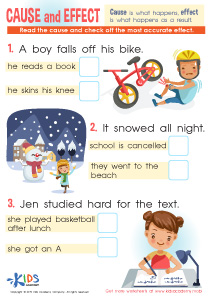
Improve reading comprehension Normal Reading Non-Fiction Worksheets for Ages 5-9
6 filtered results
-
From - To
Enhance your child's reading skills with our engaging Non-Fiction Worksheets designed for ages 5-9! These specially crafted activities focus on improving reading comprehension, helping young learners navigate different texts while fostering critical thinking and analytical skills. Our worksheets feature age-appropriate themes that captivate children's interests, ensuring they stay engaged. With a mix of captivating visuals and informative content, kids will learn to identify main ideas, details, and visualize concepts in real-world contexts. Perfect for classroom use or at-home practice, these resources empower students to build confidence in their reading abilities while enjoying the journey of discovery through non-fiction literature!
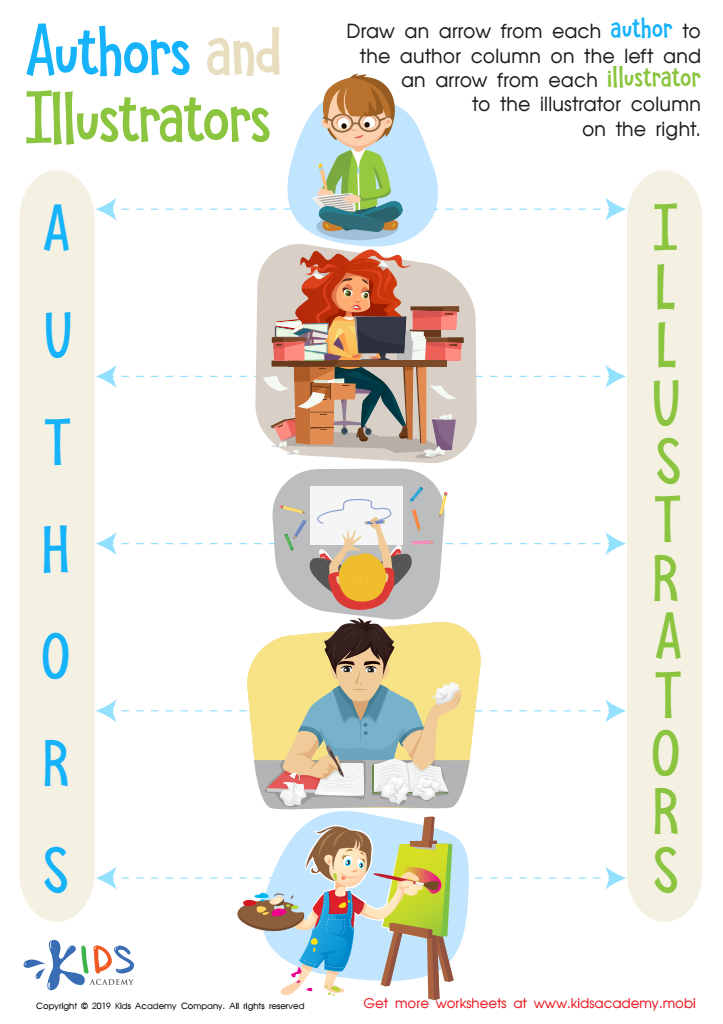
Authors and Illustrators Worksheet
 Assign to My Students
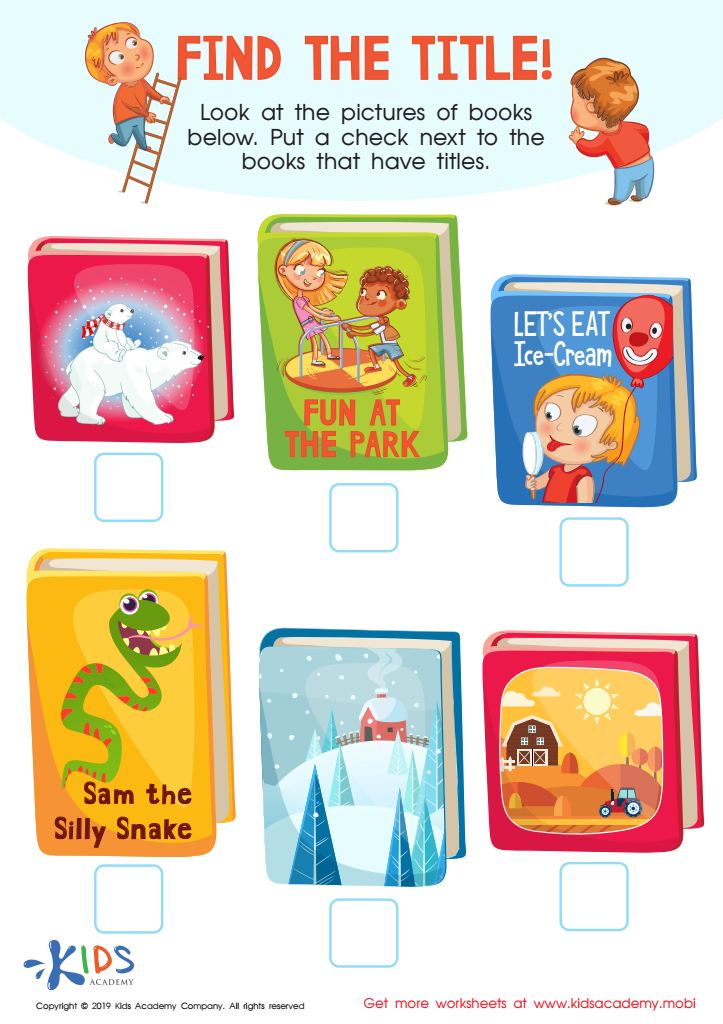
Find the Title Worksheet
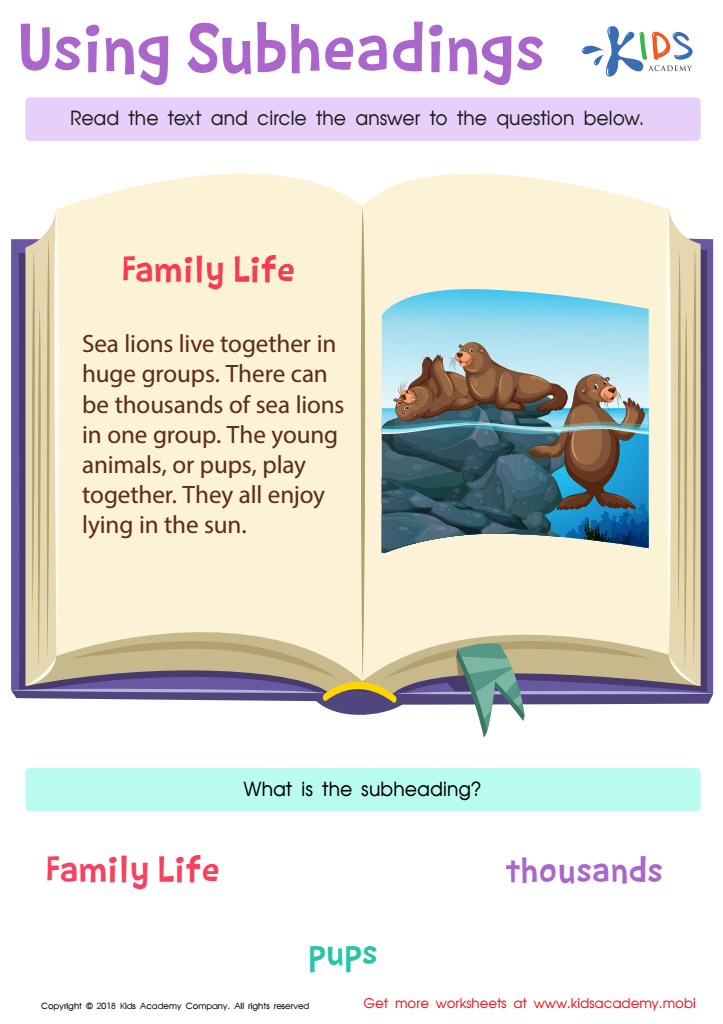
Using Subheadings Worksheet
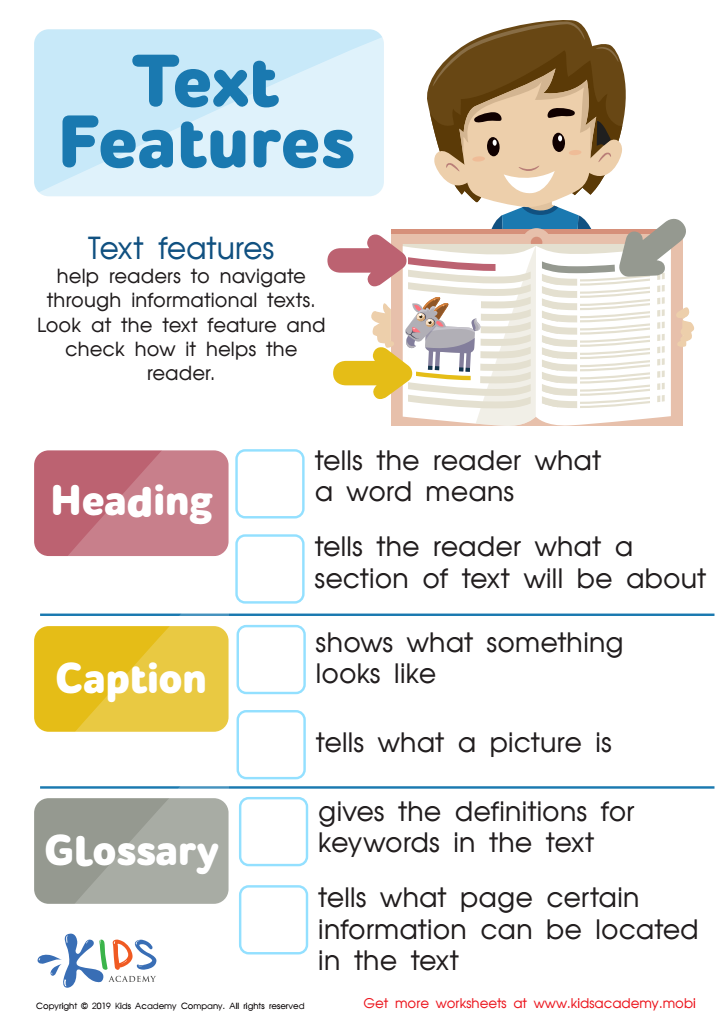
Text Features Worksheet
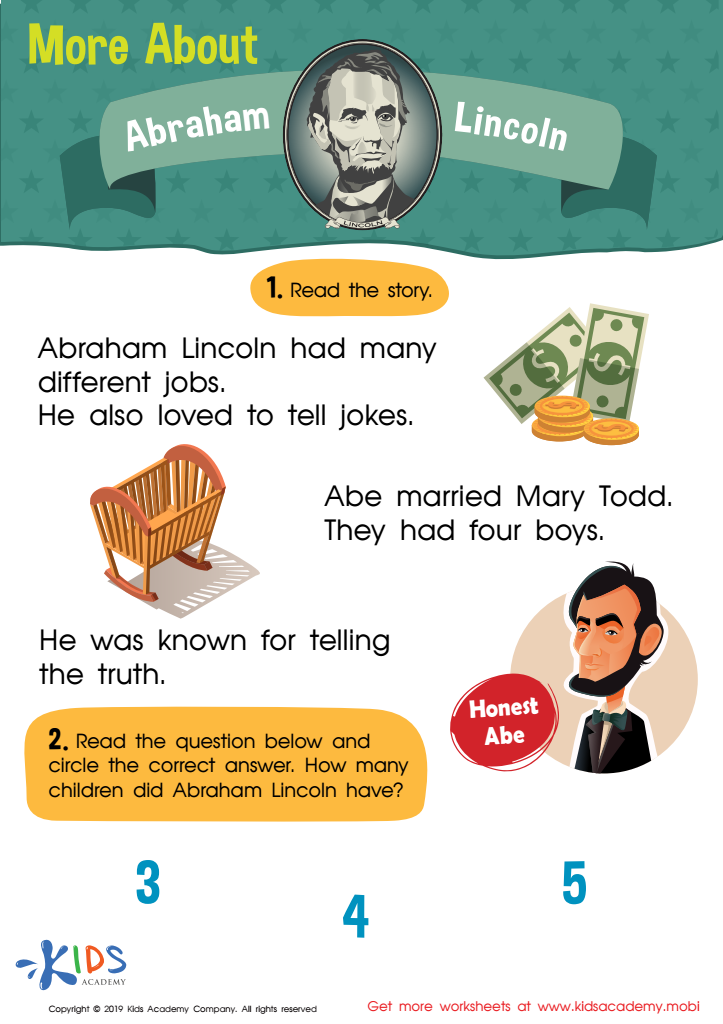
More About Abraham Lincoln Worksheet
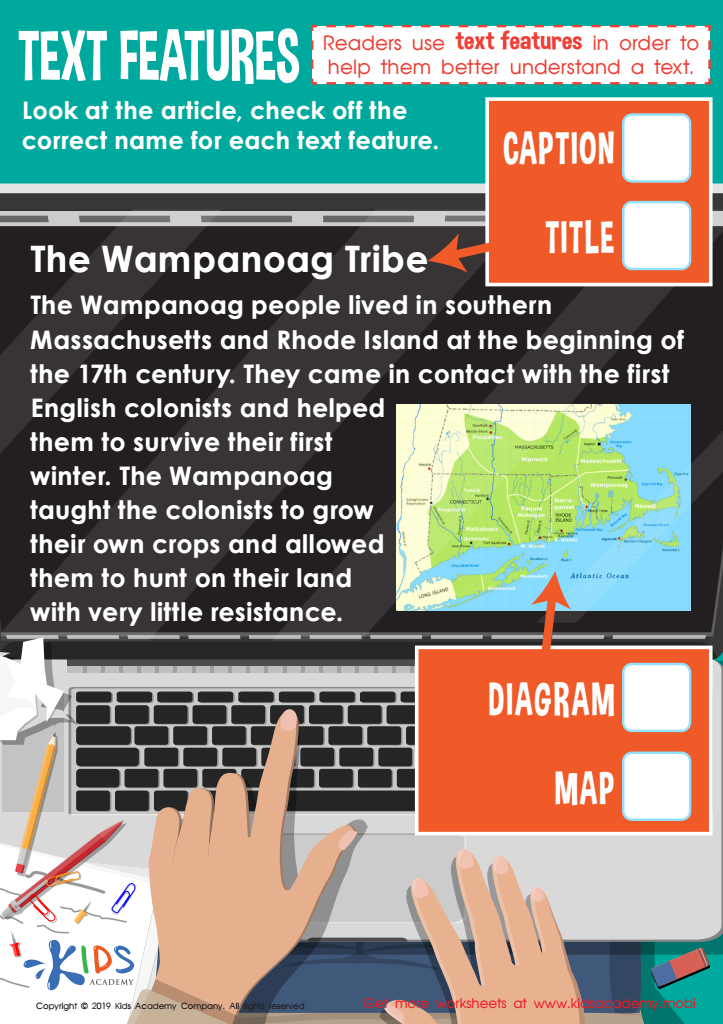
Text Features Worksheet








Improving reading comprehension in normal reading non-fiction for children aged 5-9 is crucial for several reasons. First, this age group serves as a foundational stage for literacy development. Non-fiction texts introduce young readers to real-world concepts, enhancing their understanding of various subjects, from science to social studies. By engaging with non-fiction, children learn to decode information accurately, fostering critical thinking skills as they analyze facts and scenarios.
Moreover, comprehension is essential for academic success. As students progress in their education, they will encounter increasingly complex texts; those who grasp basic comprehension early will have the tools to navigate more demanding materials later on. Additionally, reading non-fiction helps cultivate curiosity, enabling children to connect what they read with their surroundings, nurturing a love for inquiry and learning.
For parents and teachers, investing time in enhancing reading comprehension not only supports academic achievement but also strengthens children's confidence and self-esteem. As children learn to express their thoughts and opinions on non-fiction topics, they become more articulate and engaged individuals. Ultimately, prioritizing reading comprehension in this age bracket lays the groundwork for lifelong learning and informed citizenship, making it a vital focus for both educators and families.