Vocabulary enhancement Normal Rhyming Words Worksheets for Ages 5-9
7 filtered results
-
From - To
Discover our engaging "Vocabulary Enhancement Normal Rhyming Words Worksheets," specially designed for children aged 5-9. These carefully crafted worksheets promote language development by focusing on rhymes and vocabulary expansion. Through fun activities, kids will improve their reading skills, phonemic awareness, and word recognition while enjoying the playful aspect of rhyming. Each worksheet provides a variety of exercises, from matching words to filling in blanks, allowing for an interactive learning experience. Perfect for classroom use or at-home learning, these worksheets make vocabulary building both enjoyable and effective. Empower your child’s language skills with our vibrant, age-appropriate resources today!
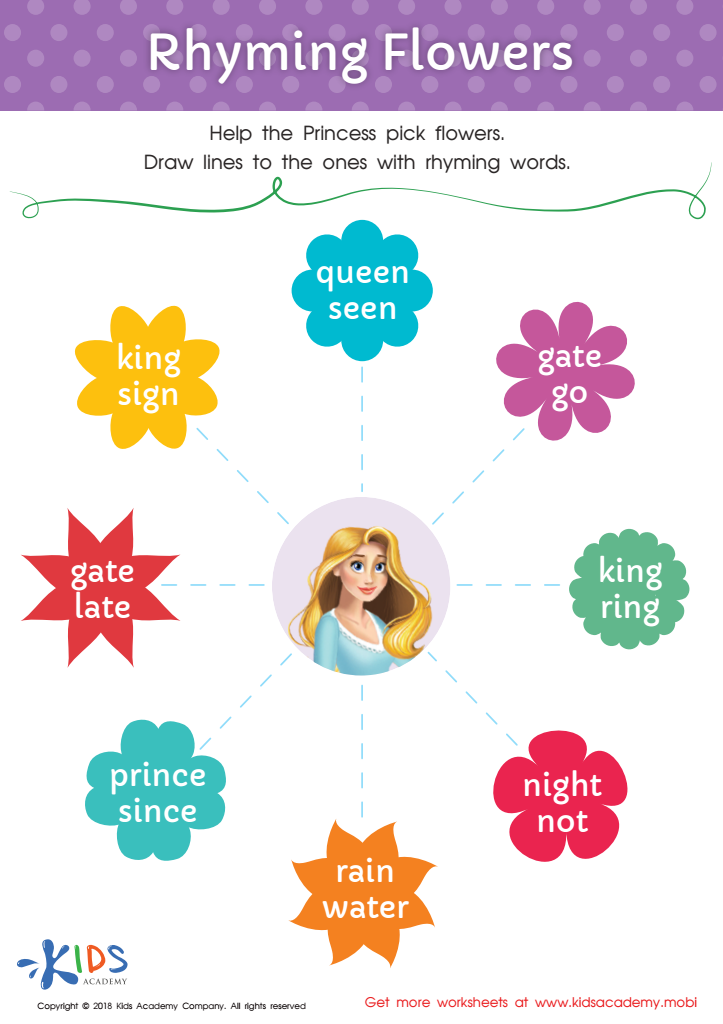
Rhyming Flowers Worksheet
 Assign to My Students
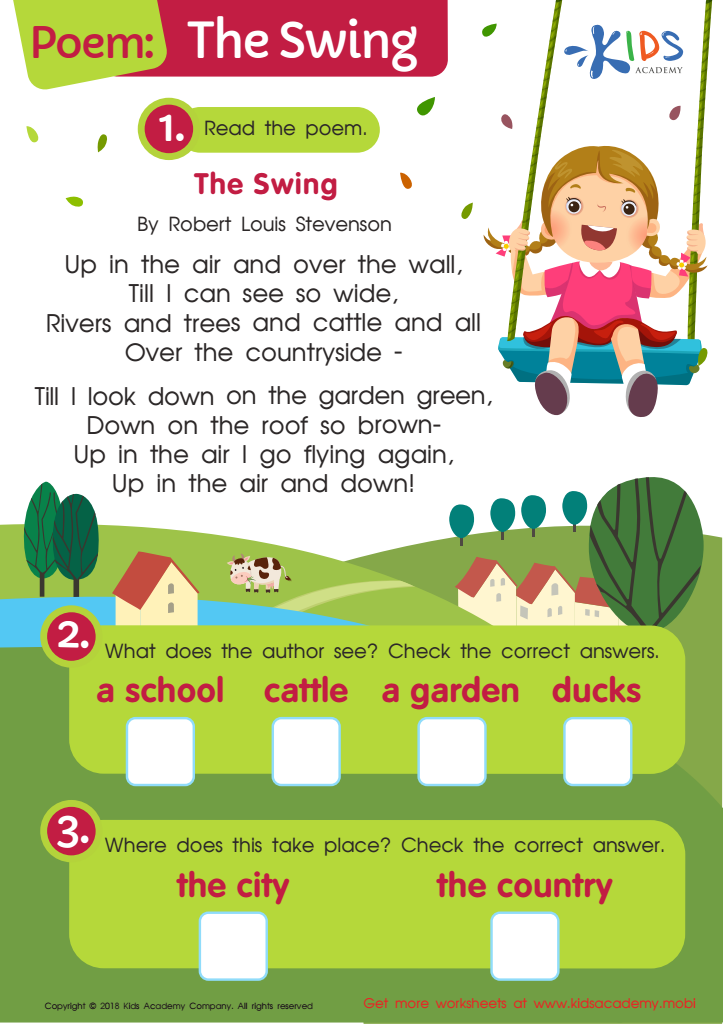
Poem: The Swing Worksheet
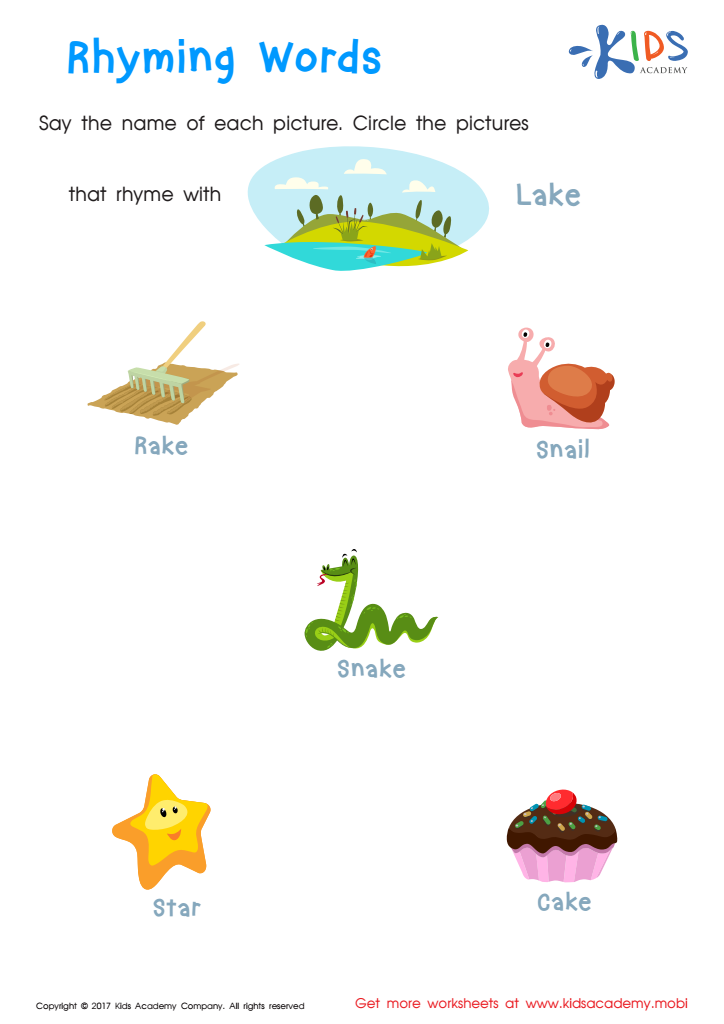
Rhyming Words Rhyming Worksheet
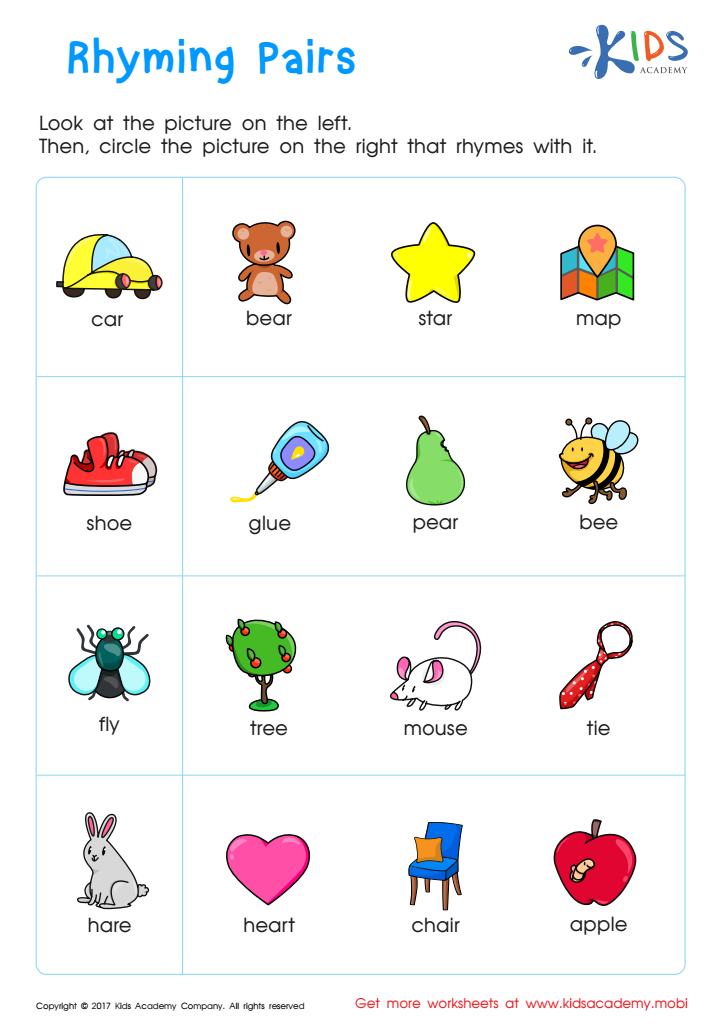
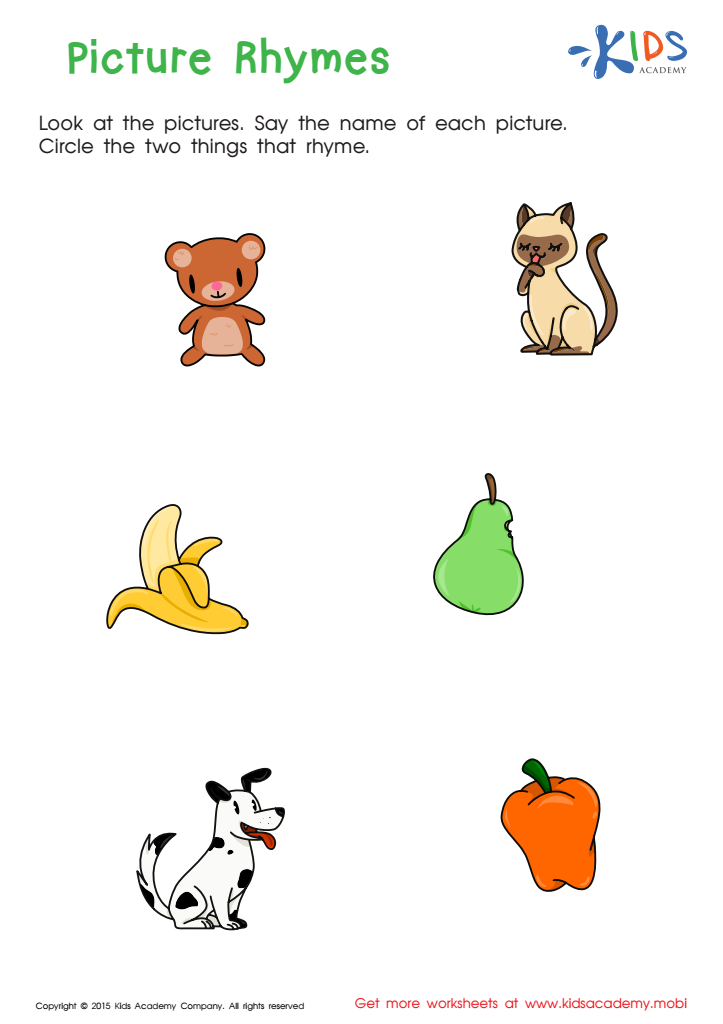
First Words: Picture Rhymes Worksheet
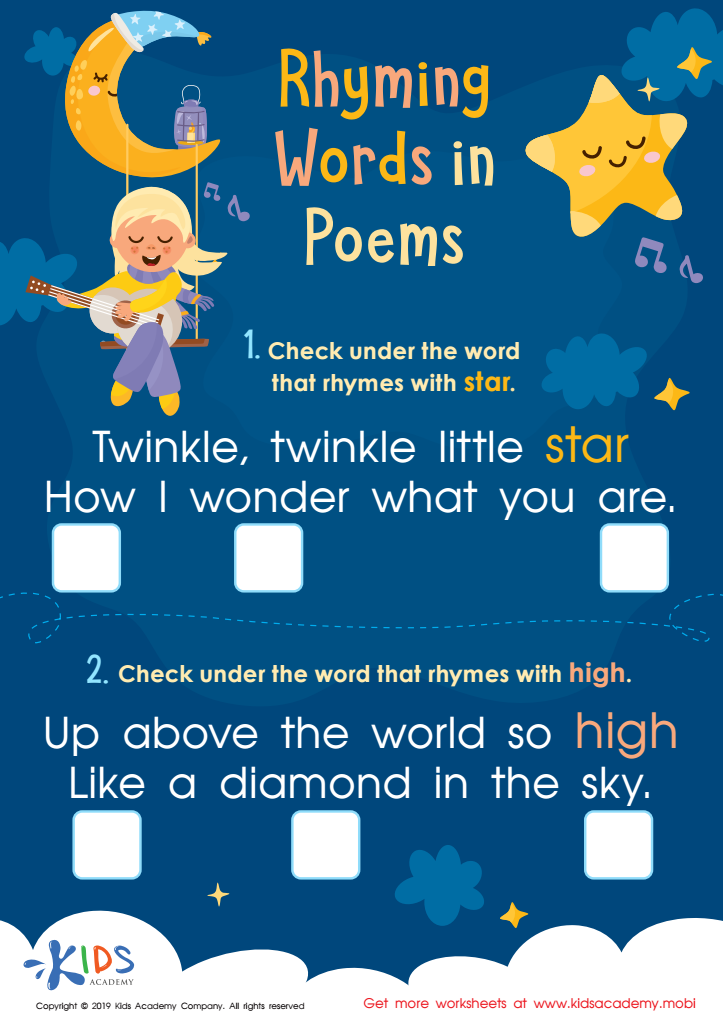
Rhyming Words in Poems Worksheet
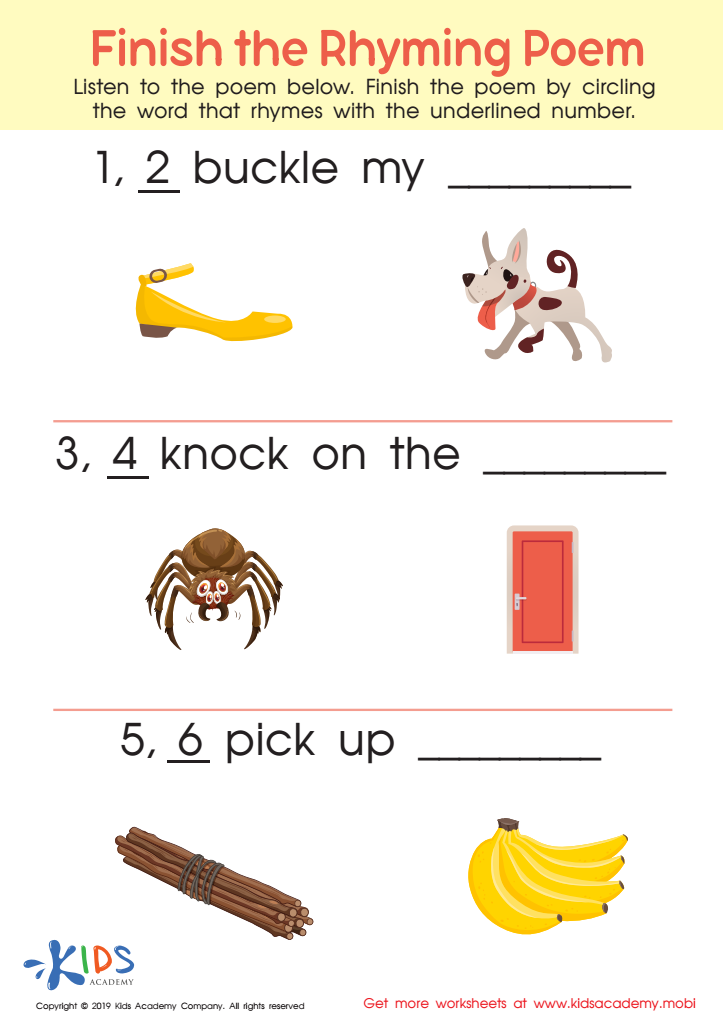
Finish Rhyming Poem Worksheet



.jpg)
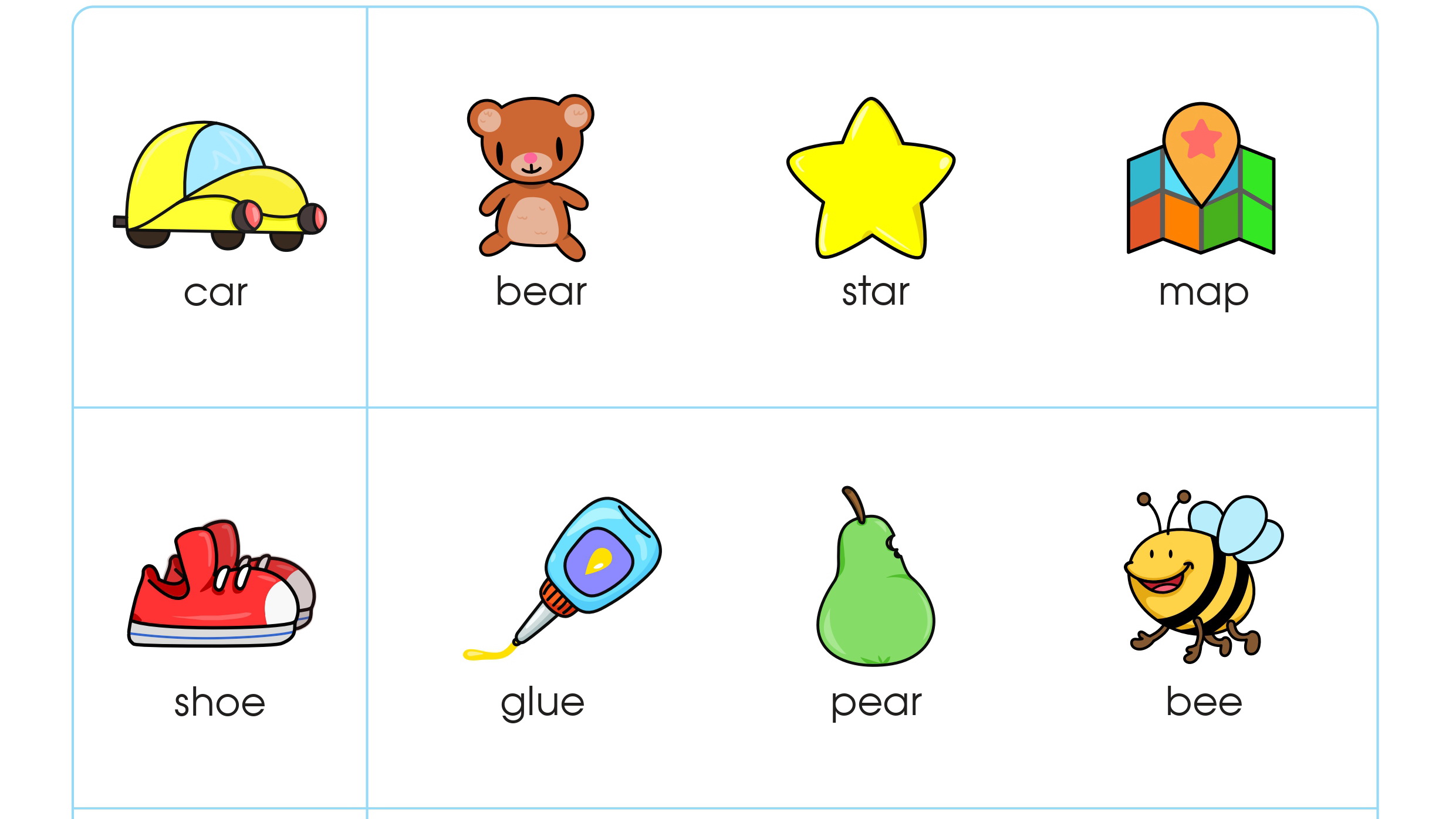



Vocabulary enhancement through normal rhyming words is crucial for children aged 5-9 as it plays a pivotal role in their linguistic and cognitive development. At this age, children are naturally absorbing language structures, making it an ideal time to introduce rhyming words. Engaging with rhymes helps enhance phonemic awareness, allowing children to recognize and manipulate sounds. This foundational skill is critical for reading and writing success.
Furthermore, rhyming words improve memory and recall, making word learning more fun and engaging. They also contribute to a richer vocabulary, providing children with diverse word choices as they learn to express themselves more effectively. The playful nature of rhyming can foster a love for language and literature, essential elements for lifelong learning.
Parents and teachers equipped with the knowledge of vocabulary enhancement and its importance in early education can create effective learning environments that encourage rhythmic language play. Incorporating games, songs, and stories featuring rhyming words can capture children's imaginations and accelerate their language acquisition. Ultimately, a focus on vocabulary enhancement through rhyming not only strengthens children's communication skills but also builds confidence and creativity in their thinking processes.








