Plant identification Normal Science Worksheets for Ages 5-9
4 filtered results
-
From - To
Explore the wonders of nature with our "Plant Identification Normal Science Worksheets" designed for children ages 5-9! These engaging and interactive worksheets introduce young learners to various plants, helping them develop essential identification skills. Through captivating illustrations and informative activities, kids will learn to recognize different leaves, flowers, and trees while enhancing their understanding of ecosystems. Perfect for home or classroom use, our worksheets inspire curiosity about the plant kingdom and promote a love for science. Foster observational skills and deepen environmental awareness in your child today with these fun and educational resources!
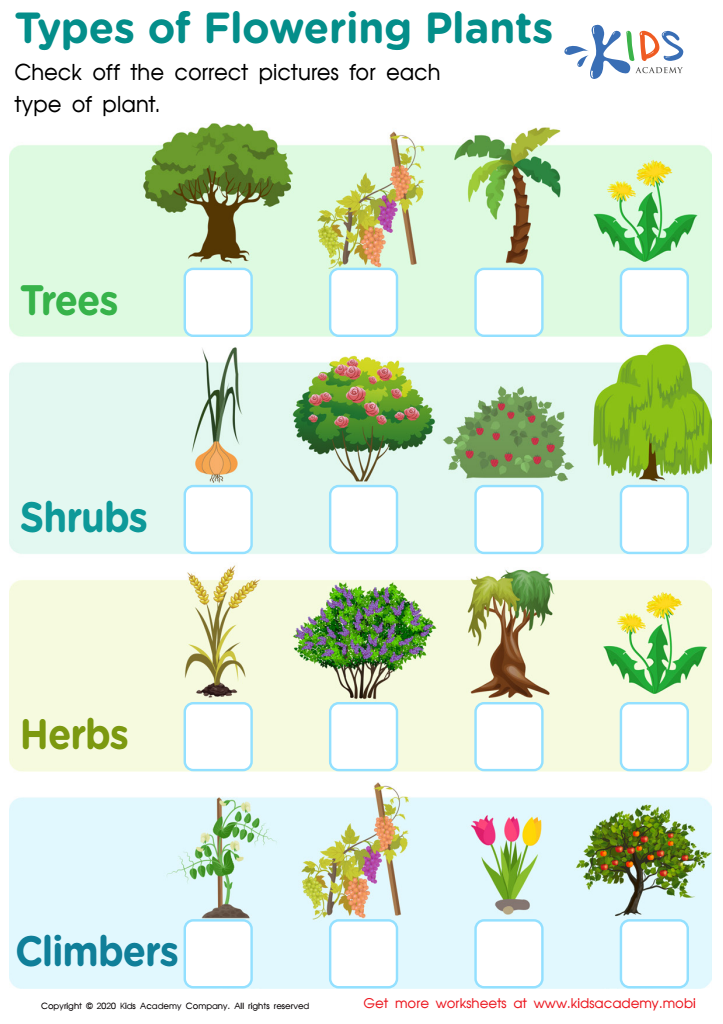
Types of Flowering Plants Worksheet
 Assign to My Students
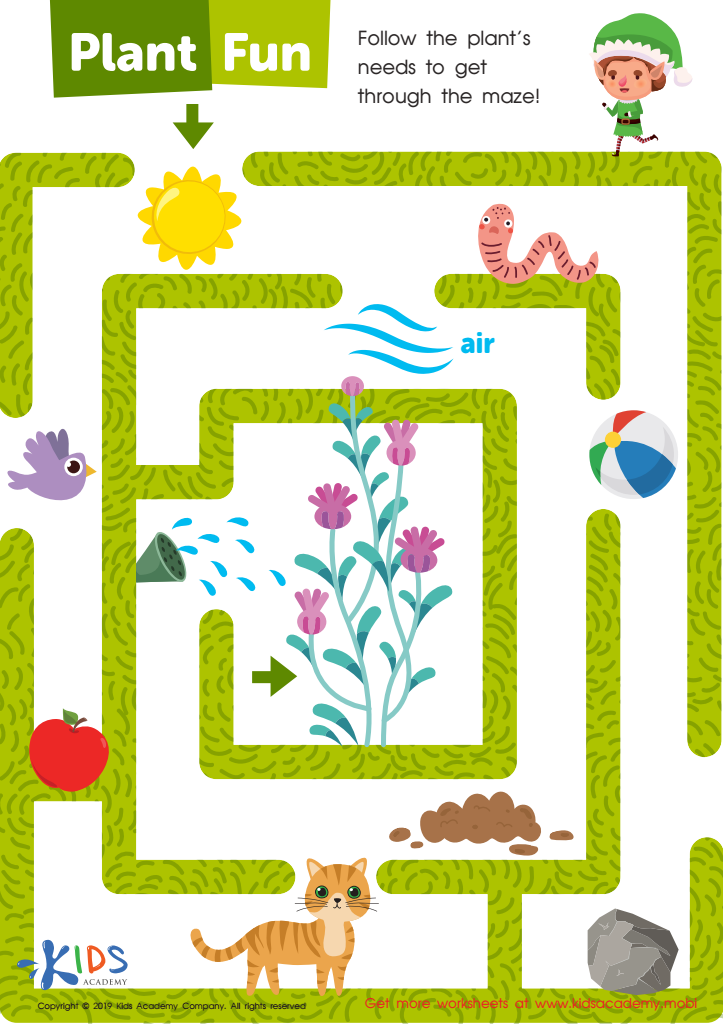
Plant Fun Worksheet
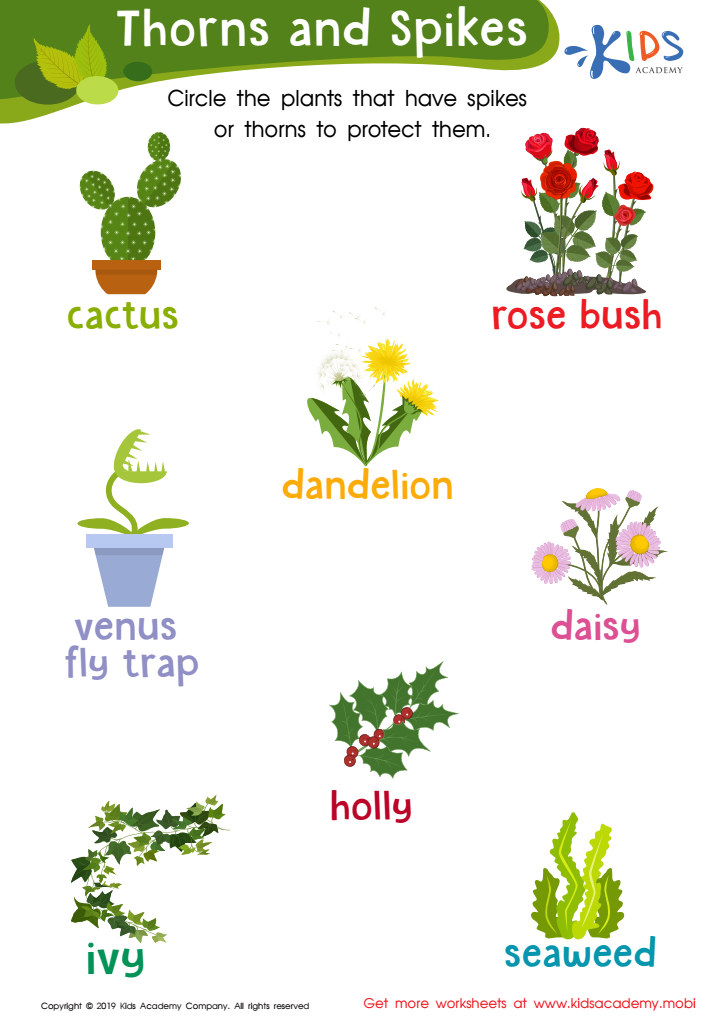
Thorns and Spikes Worksheet
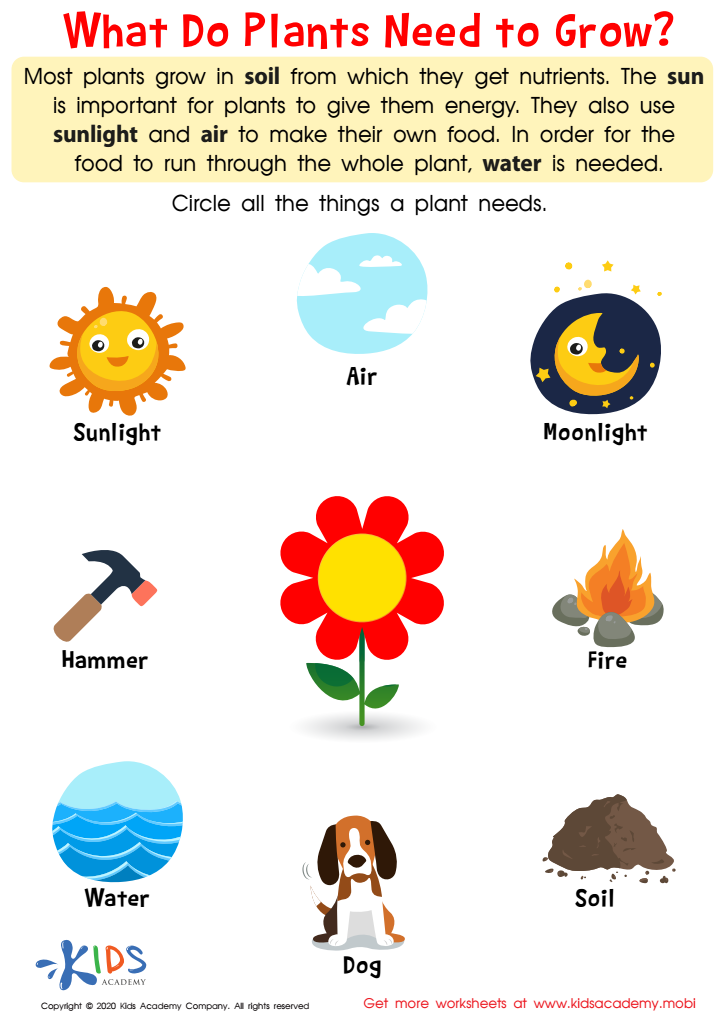
What Do Plants Need to Grow Worksheet







Parents and teachers should focus on plant identification in the context of Normal Science for ages 5-9 because it cultivates curiosity and a love for the natural world. Engaging young learners in plant identification helps develop observational skills, critical thinking, and an understanding of ecosystems. Children learn to recognize various plants, understanding their roles in the environment, such as providing oxygen, food, and habitats for various organisms.
Incorporating plant identification into early education fosters hands-on learning experiences, which are vital for young children. It encourages outdoor exploration, promoting physical activity and appreciation for nature. This foundational knowledge supports future learning in science, highlighting interconnectivity and the importance of biodiversity.
Moreover, understanding plants can lead to discussions regarding health, sustainability, and environmental stewardship. By teaching children about plant life, we empower them to make informed choices about the natural world, ingraining values of conservation and responsible citizenship from an early age.
In summary, teaching plant identification offers holistic benefits, enriching young learners' educational journeys while nurturing a sense of responsibility for the world around them—an essential skill for future generations.







