Science knowledge Normal Science Worksheets for Ages 5-9
3 filtered results
-
From - To
Explore our engaging Science Knowledge Normal Science Worksheets designed for children ages 5-9! Perfect for young learners, these worksheets offer a fun and interactive way to discover basic scientific concepts and enhance critical thinking skills. Covering topics like the five senses, animals, plant life, and the environment, each worksheet encourages curiosity and fosters a love for science. Our resources are tailored to align with early learning standards, ensuring kids gain a solid foundation in science. With vibrant illustrations and easy-to-understand language, these worksheets make learning enjoyable. Dive into the world of science and inspire your child’s natural curiosity today!
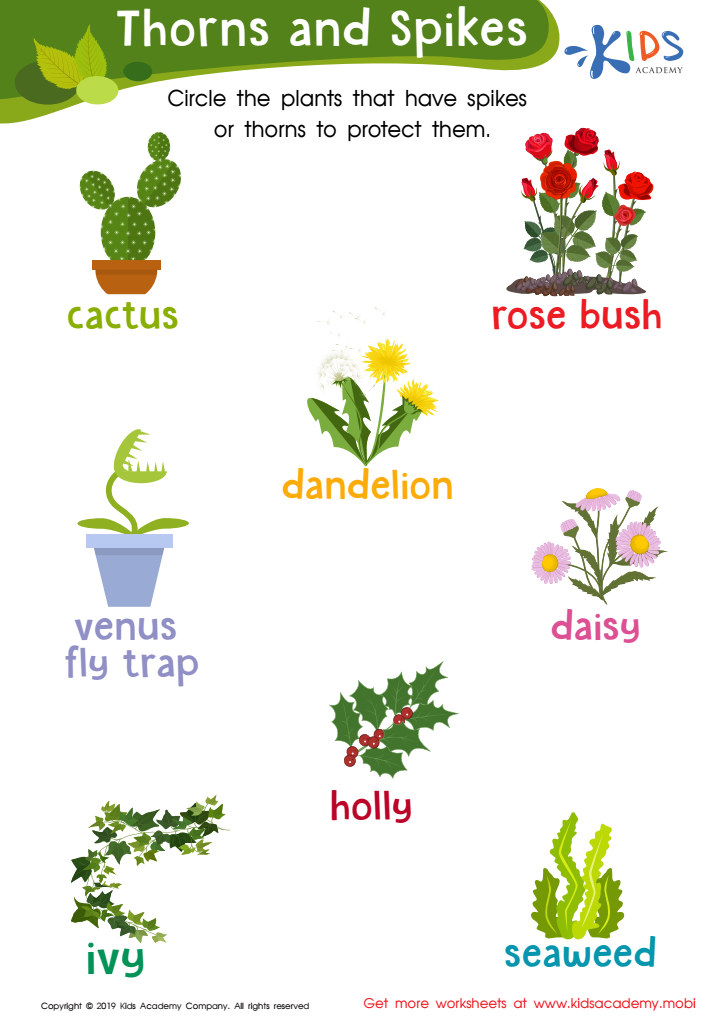
Thorns and Spikes Worksheet
 Assign to My Students
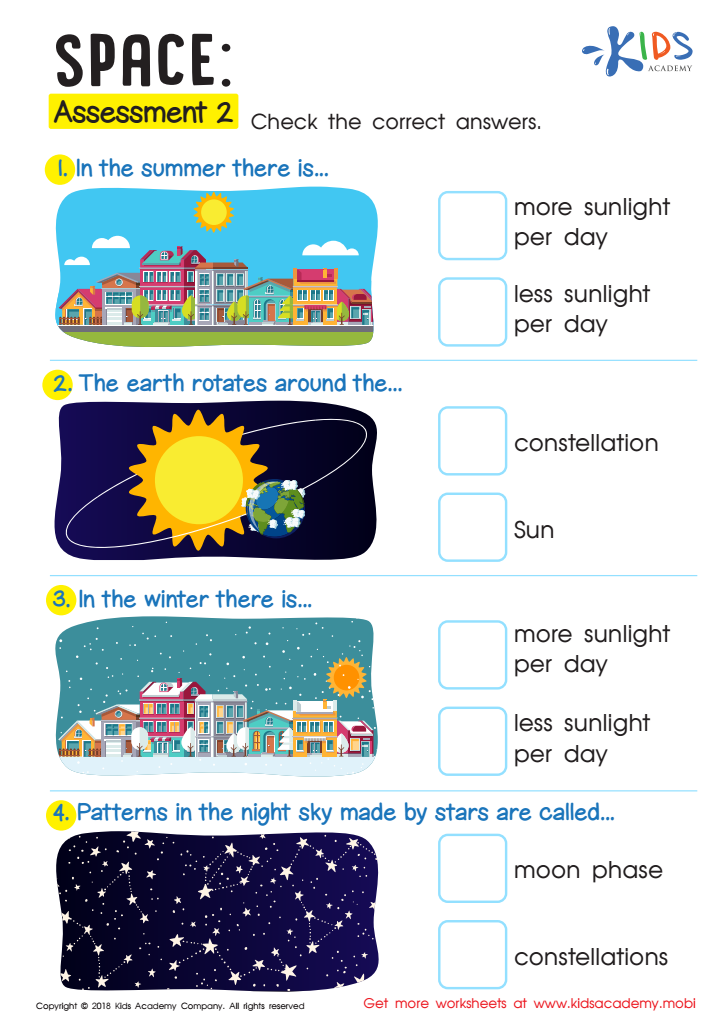
Space: Assessment 2 Worksheet





.jpg)

Parents and teachers should prioritize science knowledge, particularly Normal Science, for children ages 5 to 9 because this foundational understanding helps foster a lifelong curiosity and love for learning. At this age, children possess an innate wonder about the world around them, making it the perfect time to introduce scientific concepts through hands-on activities and exploration.
Normal Science emphasizes the foundational principles and everyday experiences that serve as the basis for more complex scientific understanding. At this stage, teaching basic concepts like observations, patterns, and cause-and-effect relationships cultivates critical thinking skills. These skills not only enhance problem-solving abilities but also empower children to make sense of their environment, leading them to become active participants in their learning journey.
Moreover, a strong foundation in science promotes a growth mindset, encouraging students to embrace challenges and view failures as opportunities for learning. Science education at this age aids in developing communication skills, as children learn to articulate their observations, ask questions, and engage in collaborative discussions with peers. By prioritizing Normal Science, parents and teachers contribute to the holistic development of children, preparing them for future academic endeavors and fostering responsible, informed citizens.







