Vocabulary Building Normal Plants and Animals Worksheets for Ages 5-9
5 filtered results
-
From - To
Discover our engaging Vocabulary Building Worksheets focused on normal plants and animals, designed for children aged 5-9. These thoughtfully crafted worksheets enhance vocabulary skills while fostering a love for nature and science. Each resource encourages young learners to explore essential terms related to plants and animals, promoting understanding through interactive activities. With vibrant illustrations and age-appropriate exercises, children will identify, describe, and connect with the natural world around them. Ideal for classroom use or at-home learning, our worksheets make vocabulary building fun and effective. Help your child develop their language skills and expand their knowledge of the rich biodiversity that surrounds us!
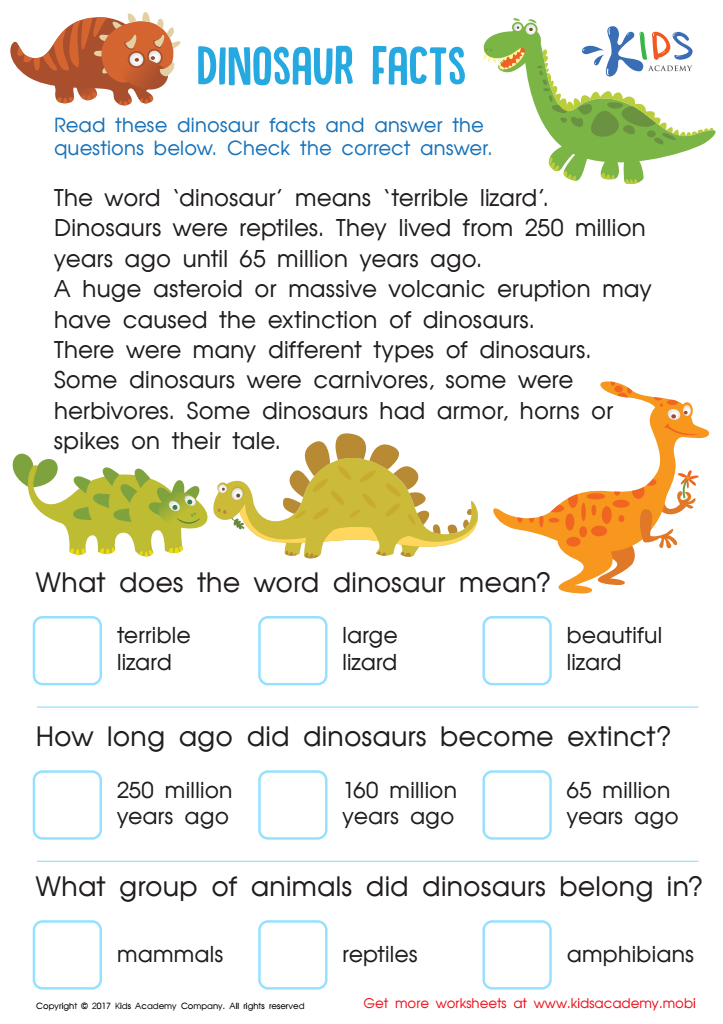
Dinosaur Facts Worksheet
 Assign to My Students

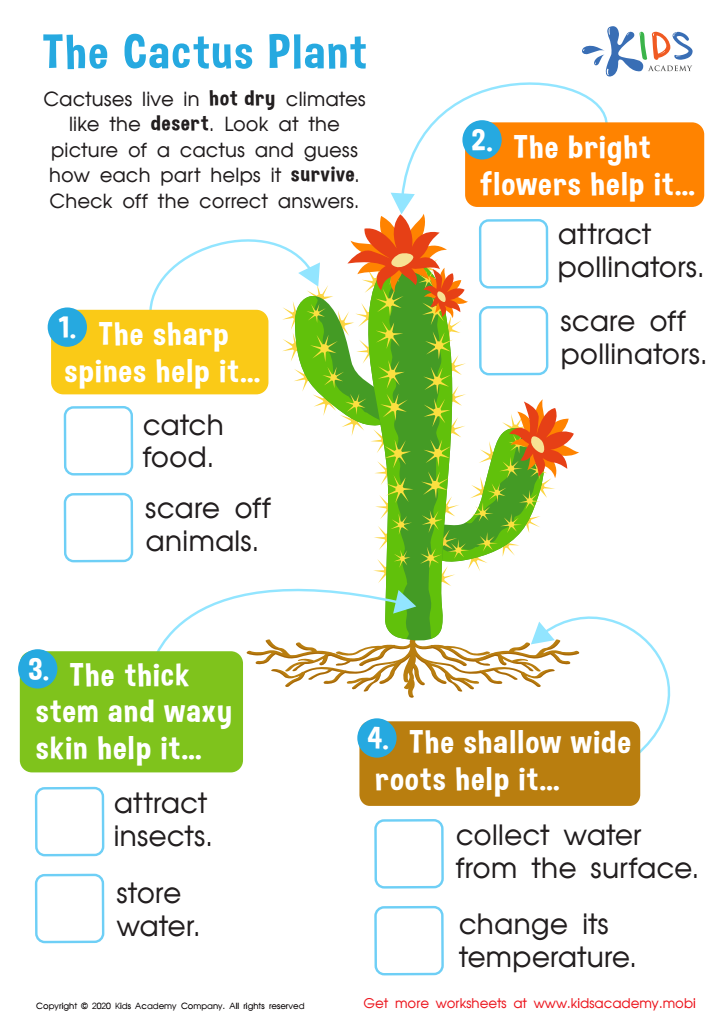
The Cactus Plant Worksheet
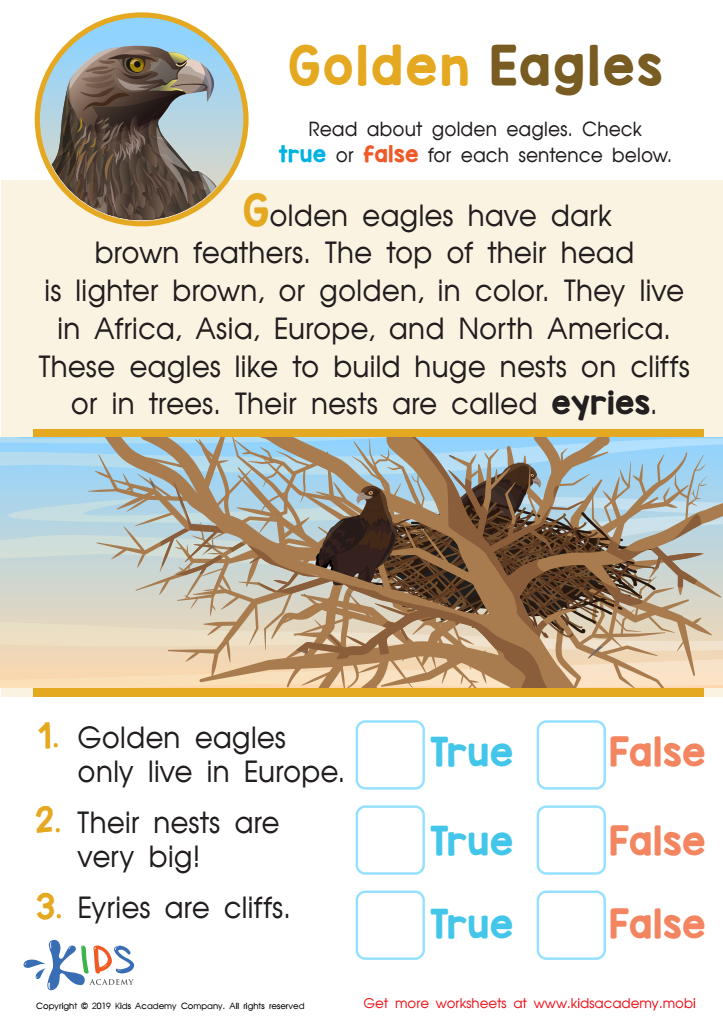
Golden Eagles Worksheet
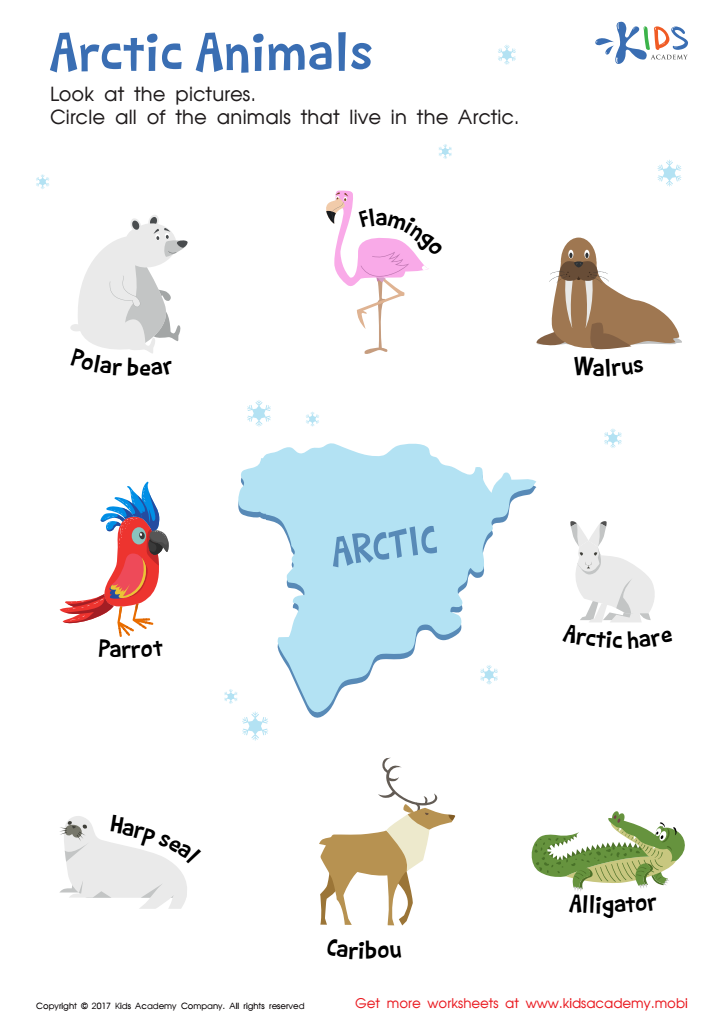
Arctic Animals Worksheet
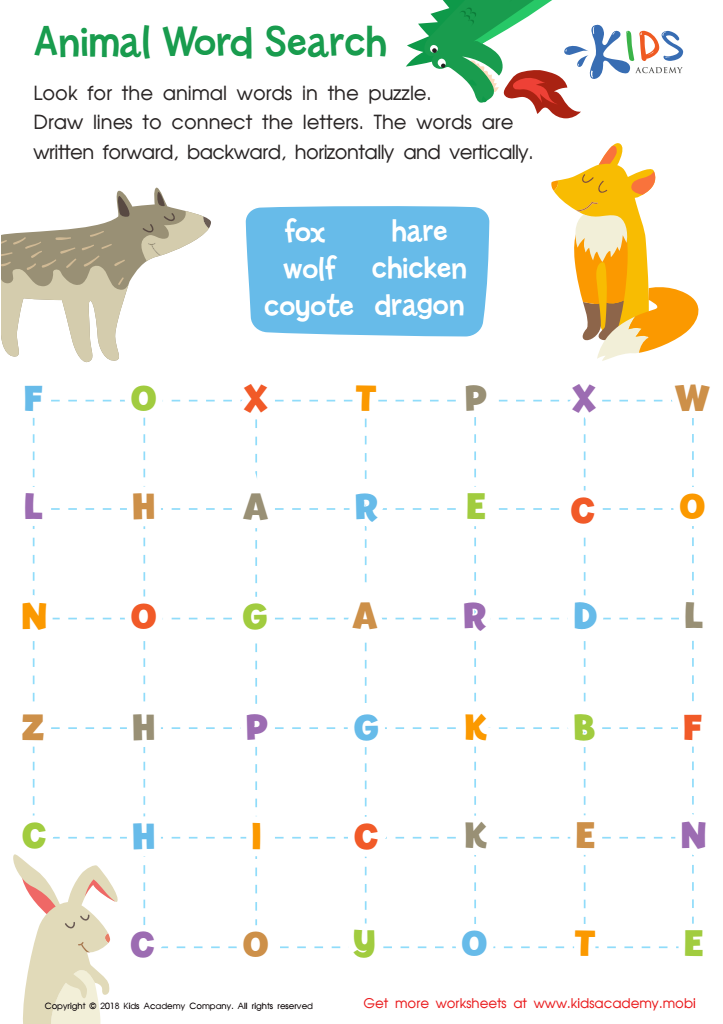
Animal Word Search Worksheet








Vocabulary building is crucial for children aged 5-9, especially when it comes to understanding normal plants and animals. During these formative years, children are developing basic language skills that form the foundation for future learning. Knowledge of related vocabulary enhances their ability to express thoughts and ideas clearly and confidently.
Understanding the names, characteristics, and habitats of plants and animals empowers children to engage more deeply with the natural world. It stimulates curiosity, leading to questions about the environment, fostering critical thinking skills, and promoting scientific literacy. For instance, when children learn about different types of trees or animal behaviors, they begin to draw connections, encouraging a sense of wonder and exploration.
Moreover, robust vocabulary skills support comprehension in reading and writing activities. Children with a rich vocabulary are better equipped to understand stories, poems, and textbooks, making them more effective learners in all subjects—not just science. By prioritizing vocabulary related to plants and animals, parents and teachers can ensure that children develop a broader understanding of their world, enhancing their communication skills and confidence while inspiring a lifelong love for nature and learning. Engaging with this vocabulary allows for a more informed and enriched educational experience for young learners.







