Visual recognition Normal Community Worksheets for Ages 5-9
4 filtered results
-
From - To
Our Visual Recognition Normal Community Worksheets for Ages 5-9 provide exciting and educational resources designed to enhance your child’s understanding of their community. Tailored for young learners, these worksheets blend engaging visuals with interactive activities to build recognition skills and familiarity with different community members and places. Perfect for early grade students, they support social studies learning through fun, hands-on exercises that foster observation and cognitive association. Whether in a classroom or at home, these printables offer a creative way to inspire curiosity and knowledge about the world around them, making learning an enjoyable adventure.
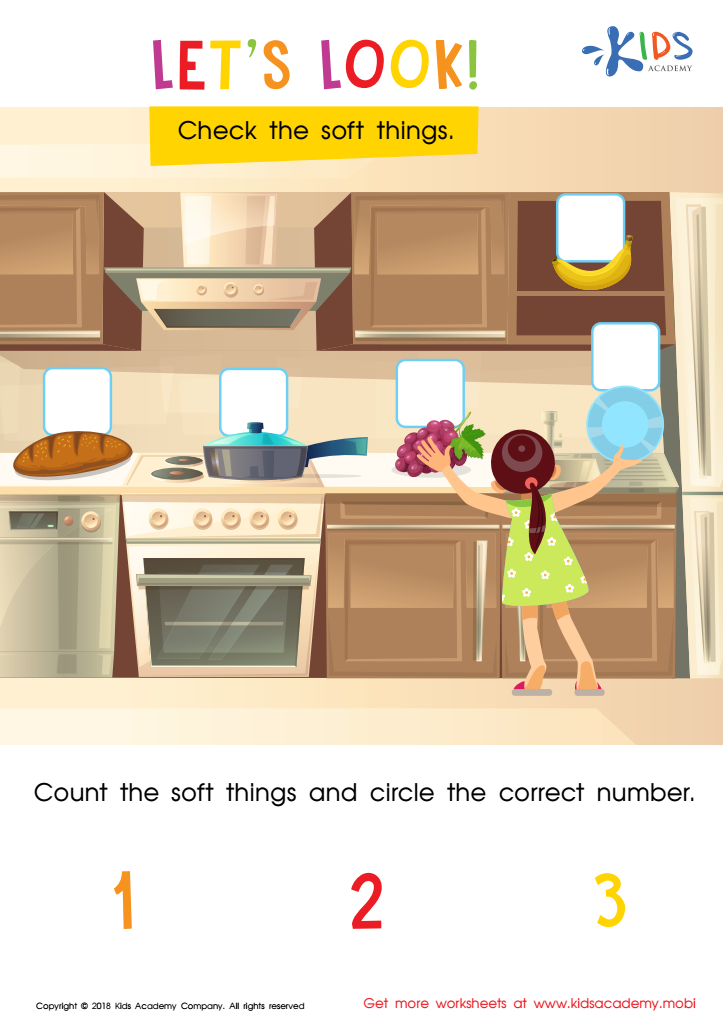
Let's Look! Assessment Worksheet
 Assign to My Students
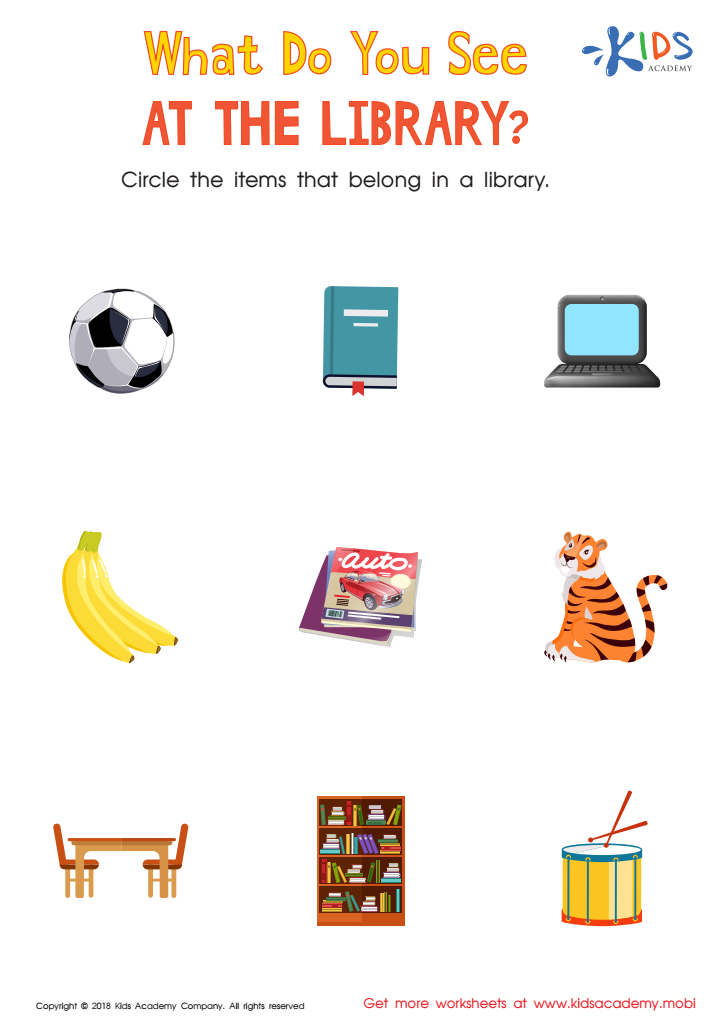
What Do you See at the Library? Worksheet
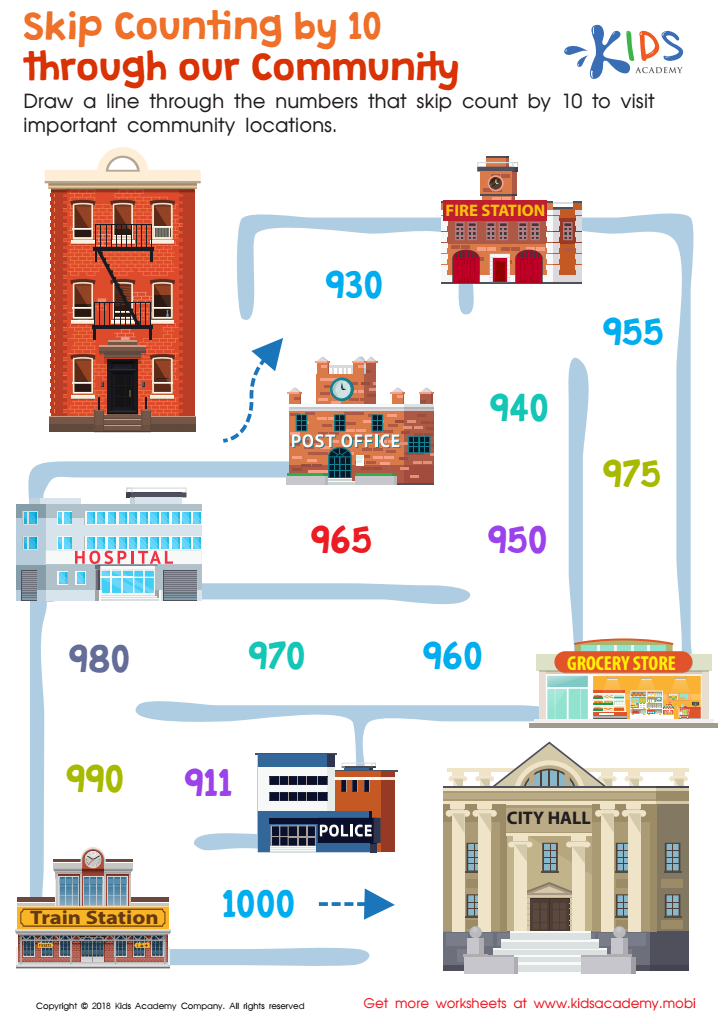
Skip Counting by 10 Through Our Community Worksheet
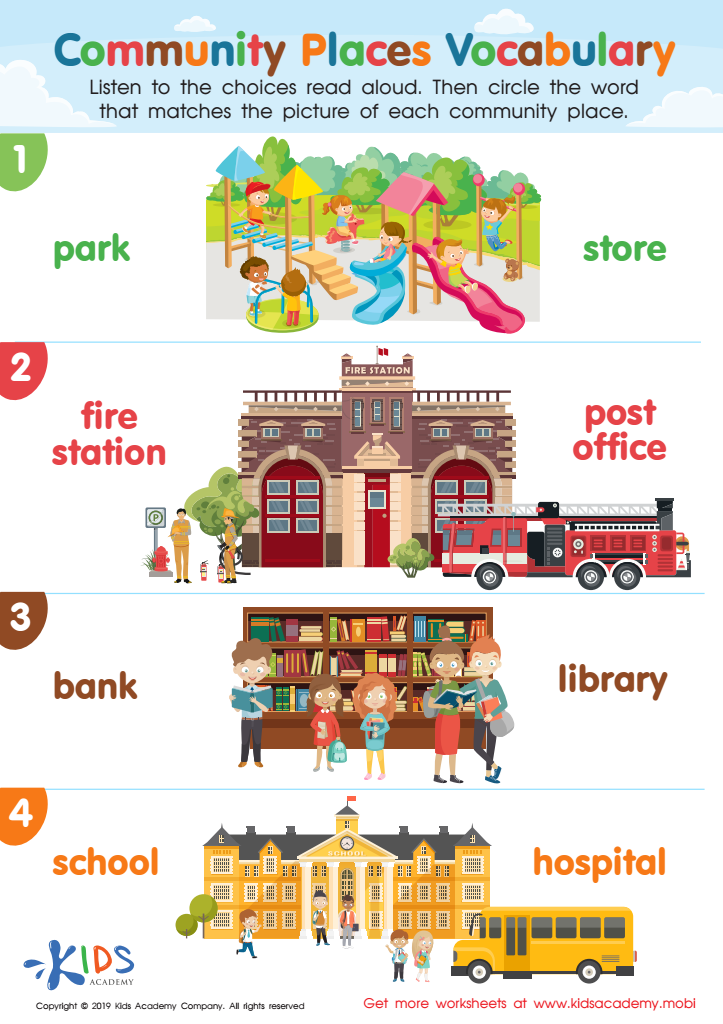
Community Places Vocabulary Worksheet








Visual recognition is an essential cognitive skill that helps children make sense of the world around them. For children aged 5-9, who are in the early stages of formal education, developing strong visual recognition abilities is crucial for several reasons.
Firstly, visual recognition supports academic success. Children who can quickly and accurately identify letters, numbers, shapes, and patterns tend to have an easier time learning to read and solve mathematical problems. For instance, recognizing letters is a foundational skill for reading fluency and comprehension, enabling children to decode words easily and build a robust vocabulary.
Secondly, visual recognition aids in everyday tasks. From distinguishing between different colors and recognizing symbols on signs to matching objects and identifying familiar faces, it helps children navigate their environments safely and effectively.
Furthermore, strong visual recognition skills foster social development. Recognizing facial expressions and body language allows children to interpret social cues accurately, facilitating better communication and interaction with peers and adults.
In addition, it enhances creative and critical thinking. Identifying and understanding abstract patterns or visual information encourages imagination and problem-solving capabilities.
Parents and teachers play pivotal roles in nurturing these skills. Through activities like puzzles, drawing, and memory games, adults can help children sharpen their visual recognition capabilities, setting a solid foundation for their overall development and future learning experiences.