Geography skills Normal Geography Worksheets for Ages 5-9
3 filtered results
-
From - To
Unlock geographical curiosity and knowledge in children ages 5-9 with our engaging "Geography Skills" worksheets. Designed to make learning fun, our printable worksheets help young explorers develop essential map-reading abilities, understand geographical terms, and recognize different landscapes. Ideal for both classroom and at-home learning, these captivating activities boost critical thinking and spatial awareness. Download and print a variety of colorful and interactive exercises to inspire your child's geographical journey. Prep their minds for a world of discovery with tools that make exploring the earth's wonders an adventure.
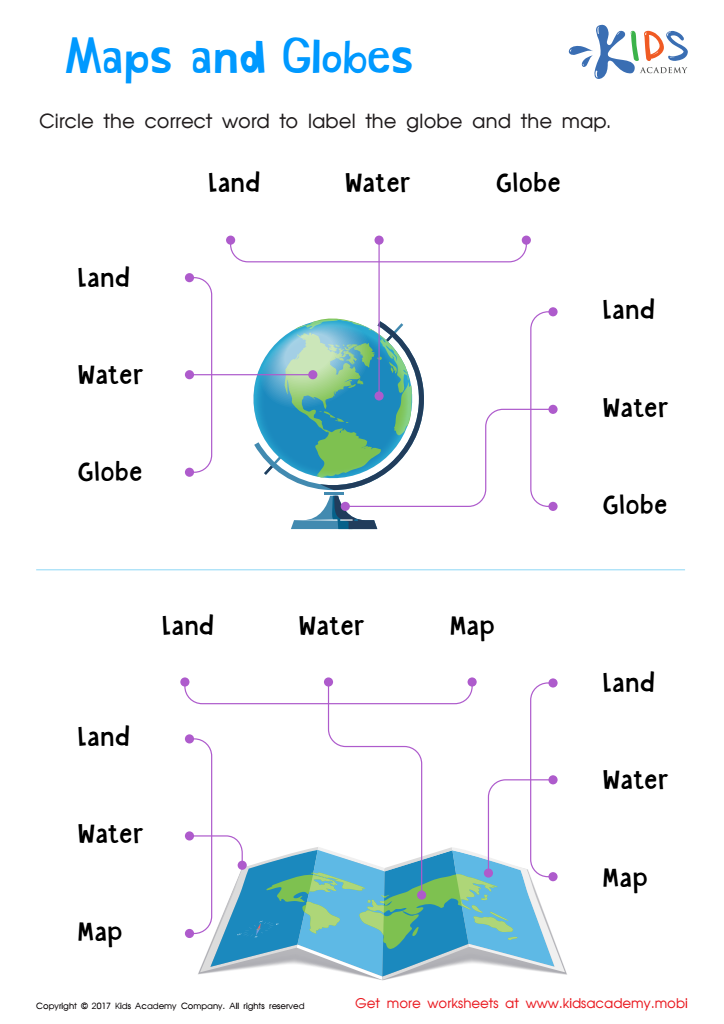
 Assign to My Students
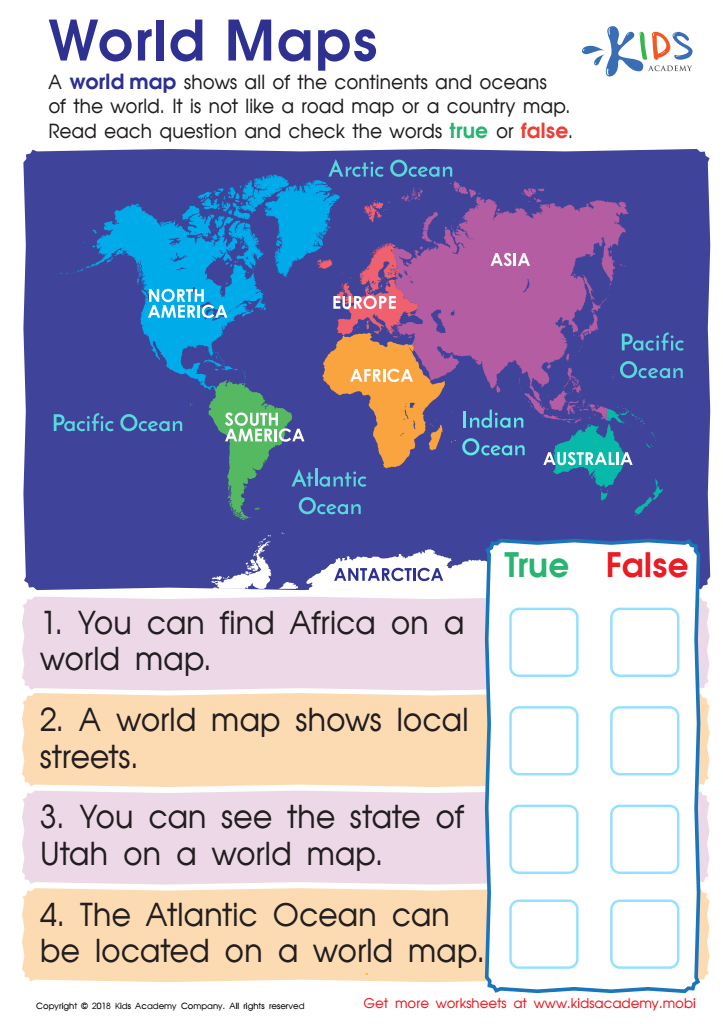
World Maps Worksheet
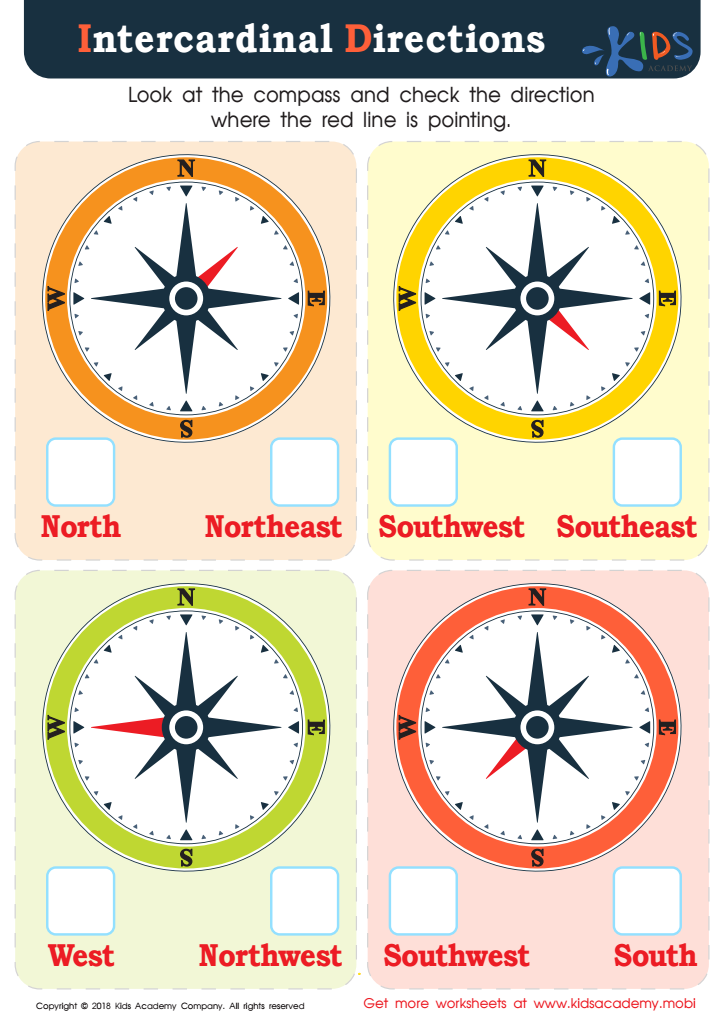
Intercardinal Directions Worksheet




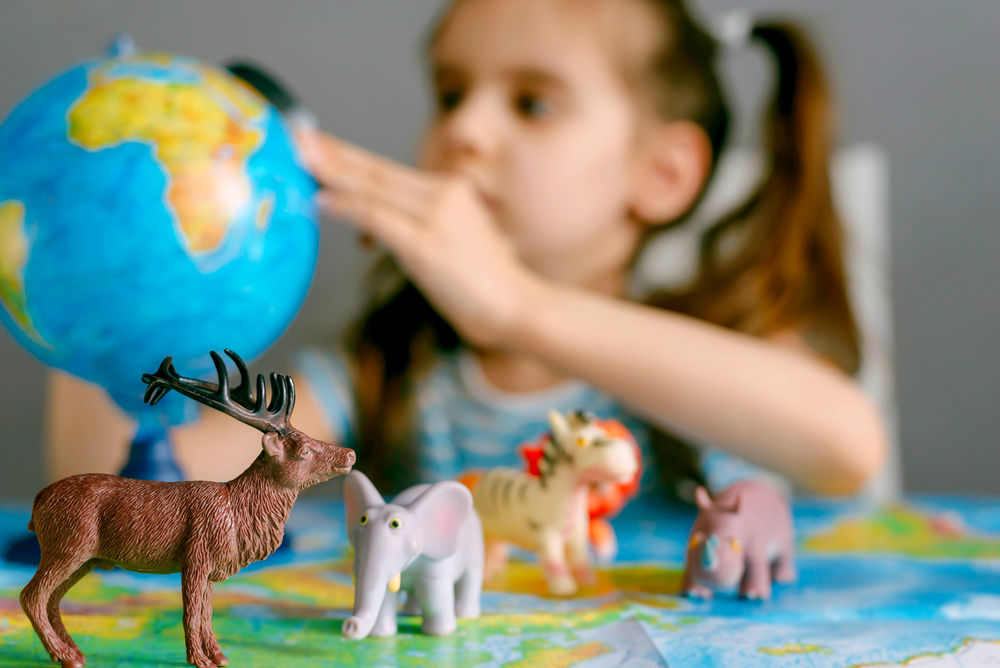


Geography skills are crucial for young learners aged 5-9 because they lay the foundation for a comprehensive understanding of the world. Parents and teachers should care about this because at its core, Geography teaches children about their environment, different cultures, and the relationships between places and people. This knowledge fosters curiosity and opens their minds to global diversity.
Early geography lessons enhance spatial thinking and cognitive skills. When children learn to read maps and understand directions, they also improve problem-solving abilities and decision-making skills. Moreover, such skills are essential for everyday life, whether in navigating neighborhoods, planning routes, or understanding weather patterns that affect their activities.
Caring early in life helps children appreciate and respect different places and the people who live there, promoting empathy and cultural awareness. This is particularly important in our increasingly interconnected world, where understanding global issues like climate change, food security, and conservation is crucial.
Furthermore, early geography education supports interdisciplinary learning. It integrates concepts from science, history, and even art, making learning engaging and relevant. In essence, equipping young students with geography skills prepares them for future academic success and helps them become informed, responsible global citizens.








