Hand-eye Coordination Normal Writing Worksheets for Ages 5-9
3 filtered results
-
From - To
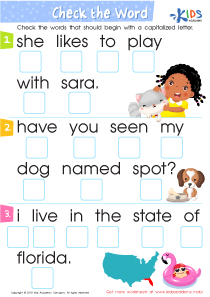
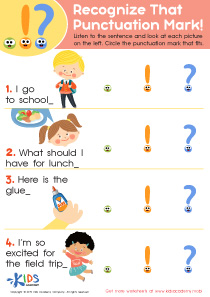
Enhance your child's hand-eye coordination with our engaging Normal Writing Worksheets designed specifically for ages 5-9. These worksheets provide fun and interactive activities that promote essential motor skills, helping young learners improve their writing and fine motor abilities. Each worksheet includes a variety of tasks such as tracing letters, connecting dots, and drawing patterns that enable children to practice their coordination in an enjoyable way. Perfect for both home and classroom use, our worksheets offer a structured approach to developing writing skills while keeping kids entertained. Download now and watch your child's confidence and skill grow as they master their handwriting!
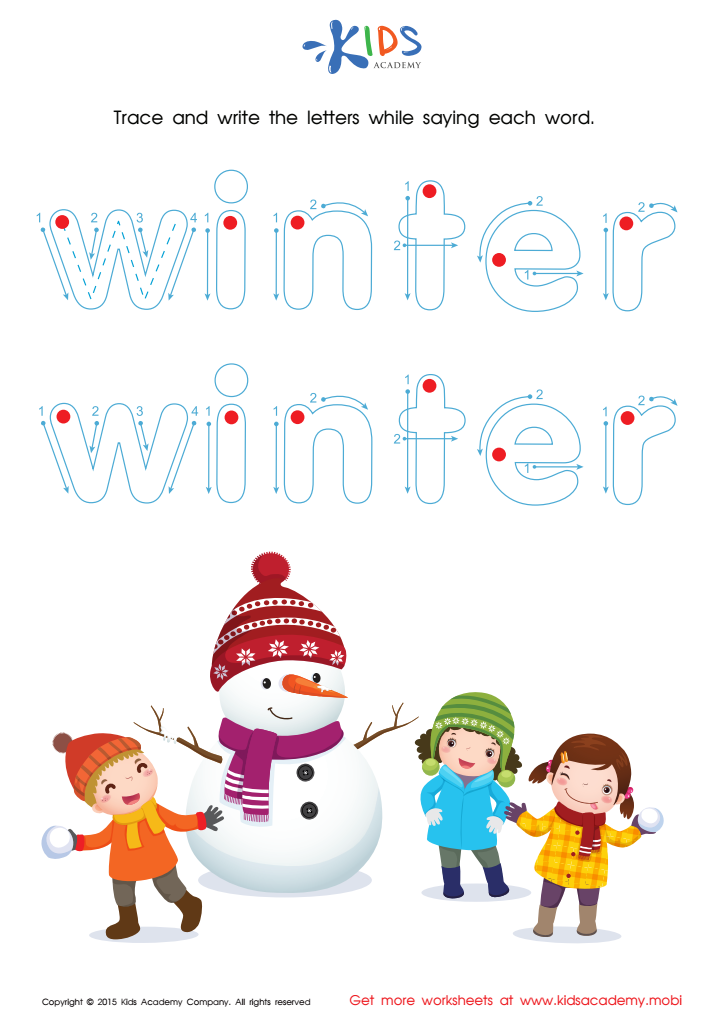
Snowman Tracing Winter Words Worksheet
 Assign to My Students
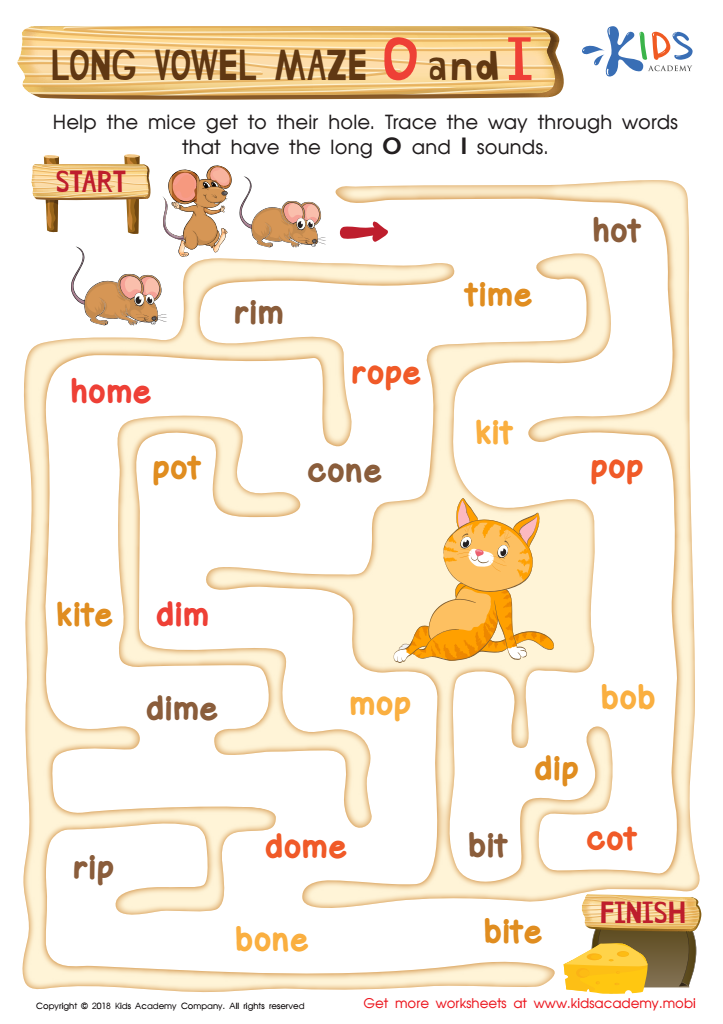
Long Vowel Maze /o/ and /i/ Worksheet
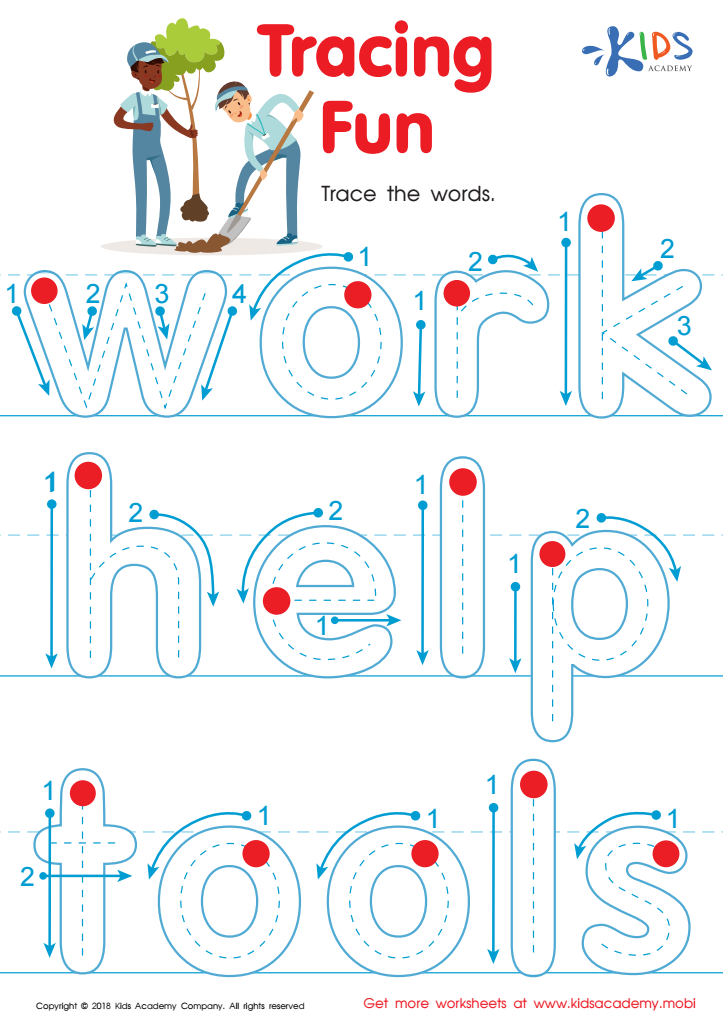
Tracing Fun Worksheet








Hand-eye coordination is a crucial developmental skill for children aged 5-9, particularly for effective writing and overall academic performance. At this age, children start to refine their motor skills, and efficient hand-eye coordination directly impacts their ability to write fluently and legibly. When children adeptly synchronize their hand movements with visual input, they can better control their pencil, improving the accuracy of letter formation and spacing.
Parents and teachers should be attentive to this aspect of development, as strong hand-eye coordination not only supports writing but also enhances other areas like drawing, playing sports, and engaging in fine motor activities. Missing these skills can lead to frustration, decreased confidence, and challenges in school settings where writing is fundamental.
Moreover, fostering hand-eye coordination through engaging activities—like crafts, puzzles, or sports—can elevate a child's self-esteem and promote a loves for learning. Encouraging practice in fun ways allows children to develop these essential skills in a supportive environment. First-hand proficiency creates a foundation for academic success and paves the way for lifelong learning. Therefore, prioritizing appropriate interventions and activities for improving hand-eye coordination is vital for every child's developmental journey.