Fine Motor Skills Normal Alphabet Worksheets for 5-Year-Olds - Page 3
51 filtered results
-
From - To
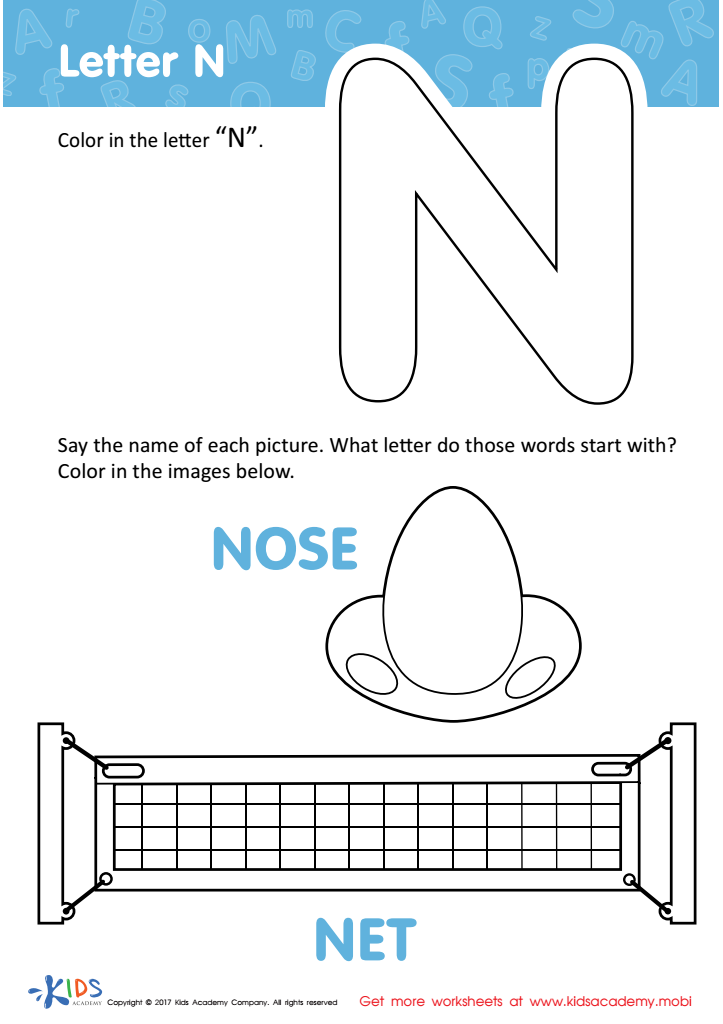
Letter N Coloring Sheet
 Assign to My Students

Letter D Tracing Page
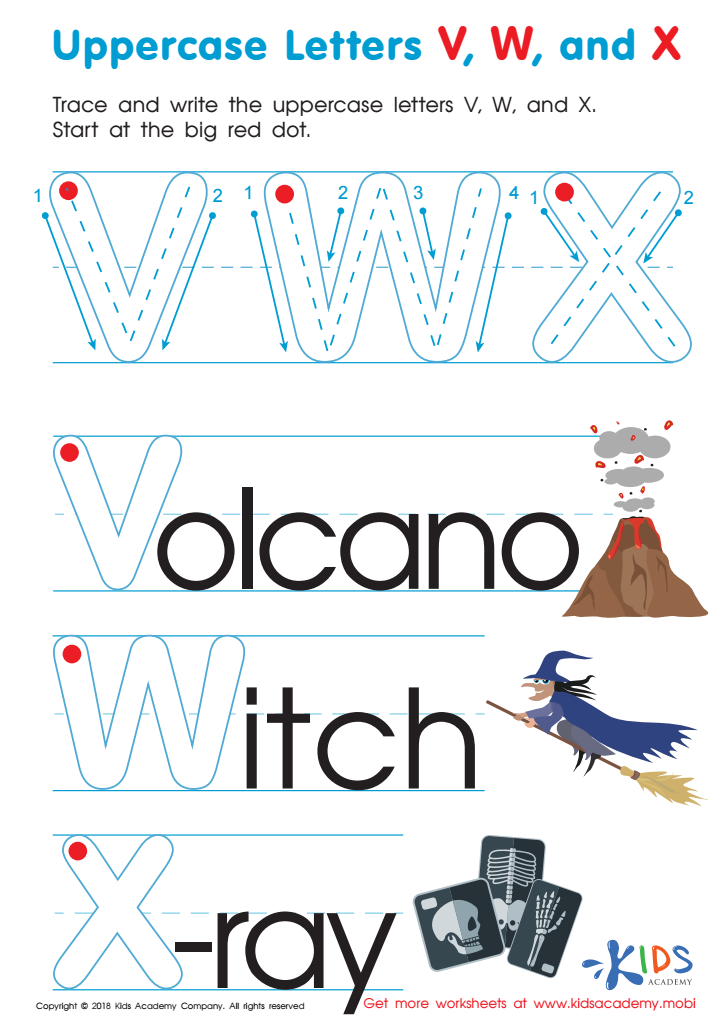
Uppercase Letters V, W, and X Worksheet




.jpg)


Fine motor skills are essential for 5-year-olds as they form the foundation for many crucial everyday activities. These skills involve the coordination of small muscles in the hands and fingers, impacting tasks such as writing, drawing, and self-care routines like buttoning shirts and tying shoelaces.
For parents and teachers, fostering fine motor skills in young children is important for several reasons. First, mastering these skills enhances a child's ability to interact with their environment, promoting independence and self-confidence. Children who struggle with fine motor tasks may become frustrated or anxious, which can hinder their overall development and willingness to engage in new activities.
Moreover, fine motor skills directly correlate with academic readiness. For instance, the ability to hold a pencil correctly and write letters properly is critical as children prepare for school. Through engaging activities such as cutting, drawing, or playing with building blocks, caregivers can encourage these skills effectively.
As 5-year-olds enter the more structured environment of formal education, having well-developed fine motor skills will ease their transition and enable them to participate more fully in classroom activities. Overall, nurturing these abilities is vital for social, emotional, and cognitive development, laying the groundwork for future success both in and out of school.







