Letter-sound association Normal Alphabet Worksheets for 5-Year-Olds
6 filtered results
-
From - To
Discover our engaging Letter-Sound Association Normal Alphabet Worksheets tailored for 5-year-olds! Designed to foster early literacy, these worksheets help children connect letters with their corresponding sounds, enhancing their phonemic awareness. With vibrant illustrations and interactive exercises, kids will enjoy identifying letters, practicing letter recognition, and mastering sound associations—all essential skills for reading readiness. Our printable resources make learning fun and accessible, encouraging independent exploration. Perfect for at-home learning or classroom activities, these worksheets promote essential skills in a playful environment. Equip your little ones with the tools they need to succeed in their literacy journey. Explore our worksheets today!
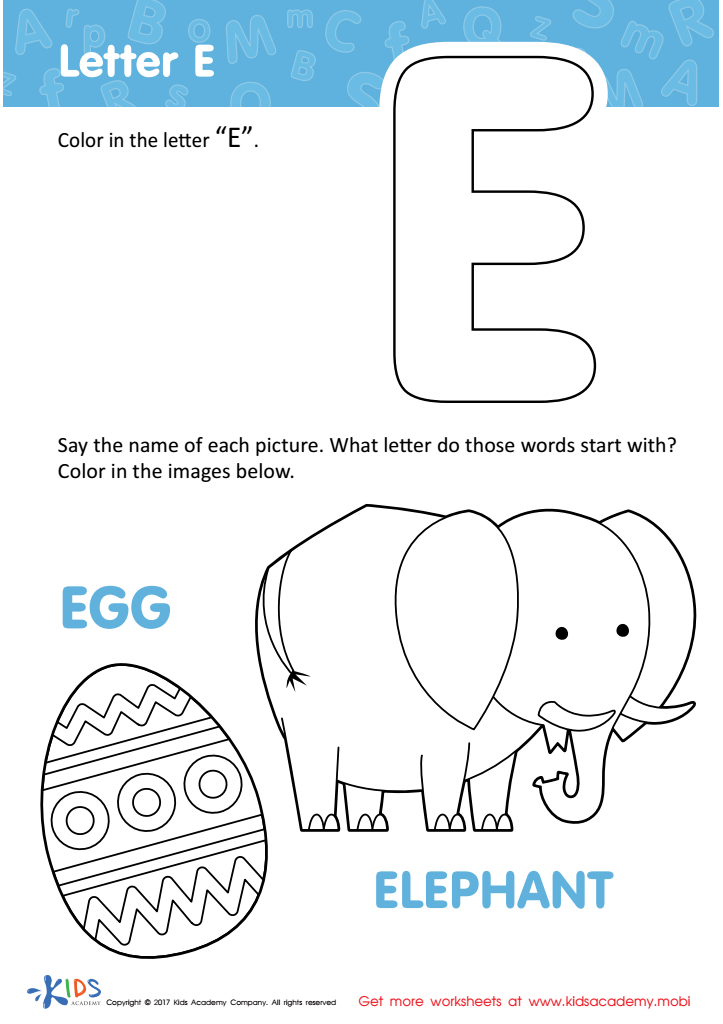
Letter E Coloring Sheet
 Assign to My Students
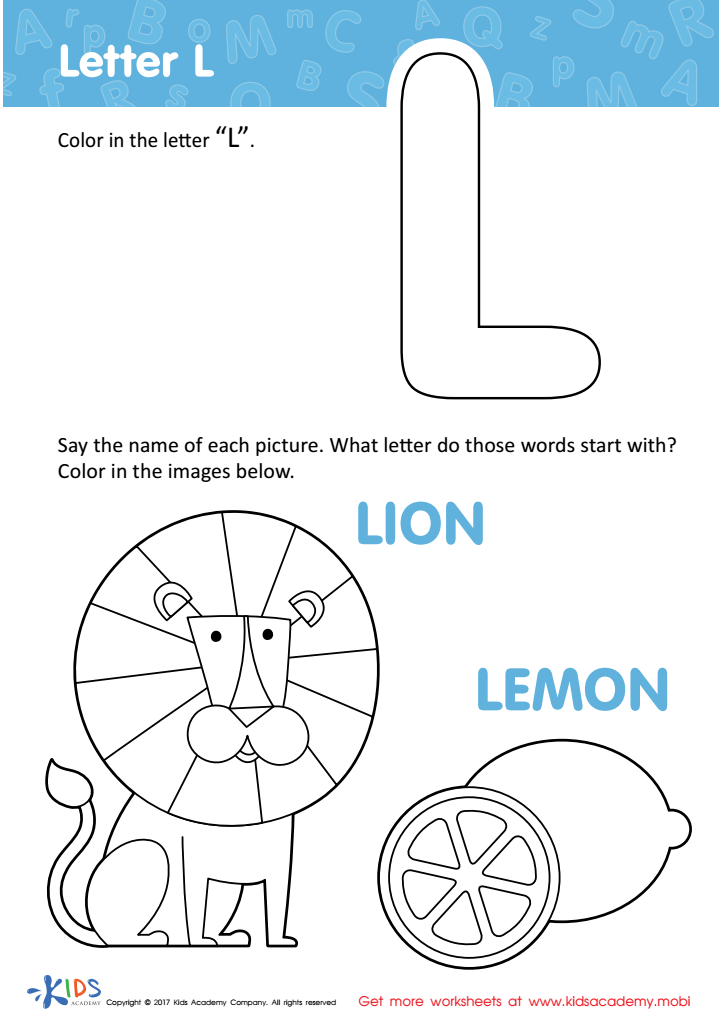
Letter L Coloring Sheet
Assign to My Students
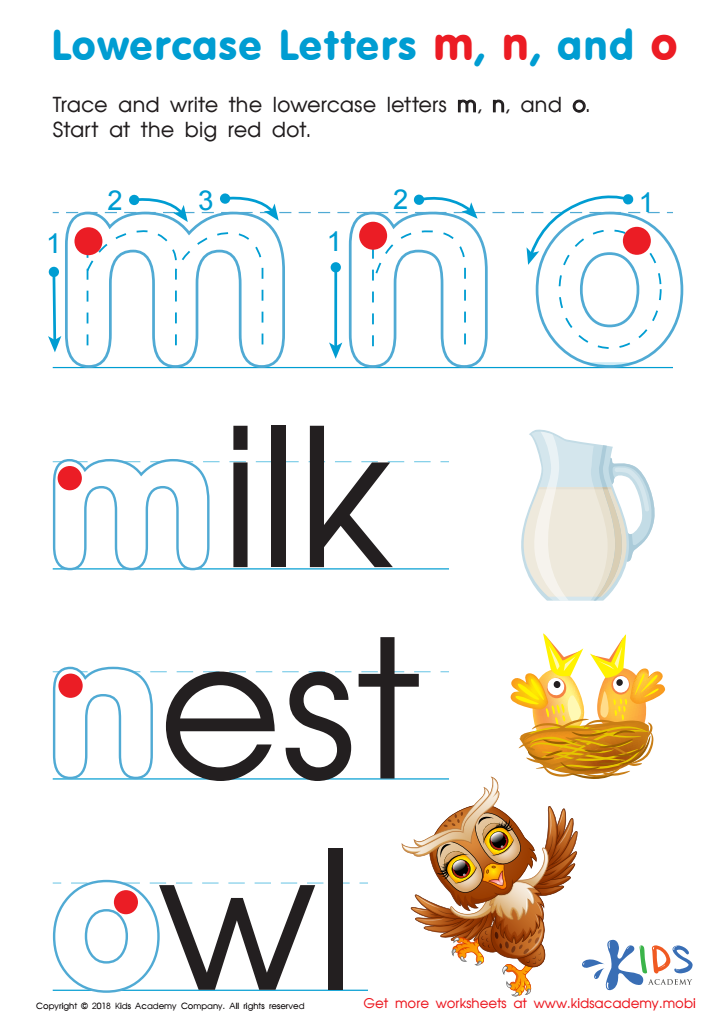
Lowercase Letters m n o Worksheet
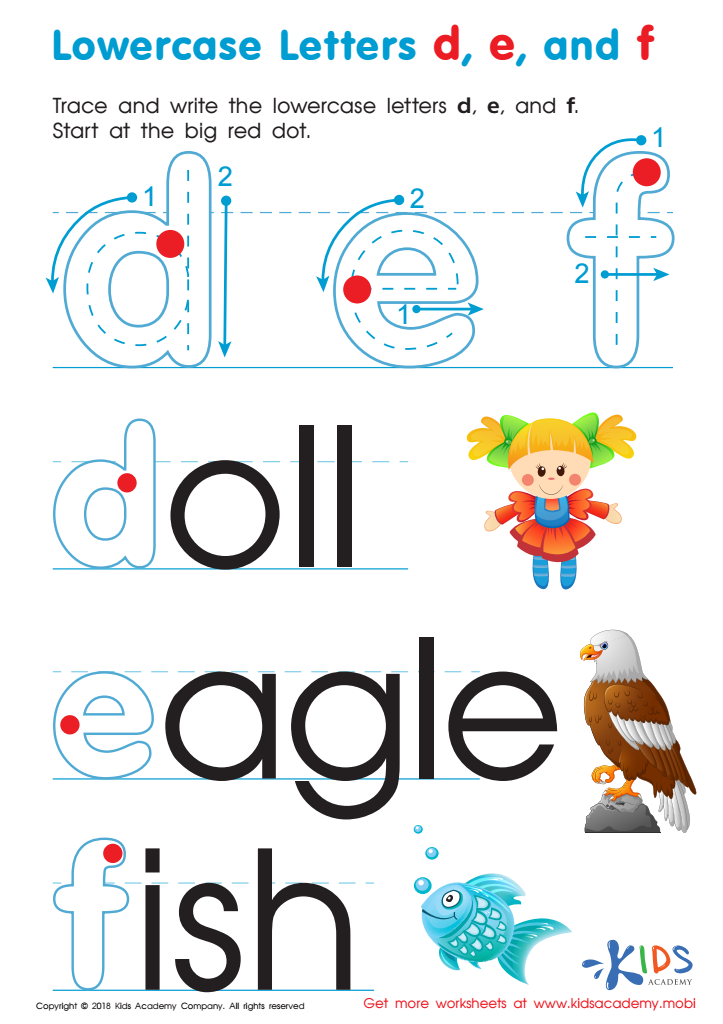
Lowercase Letters d e f Worksheet
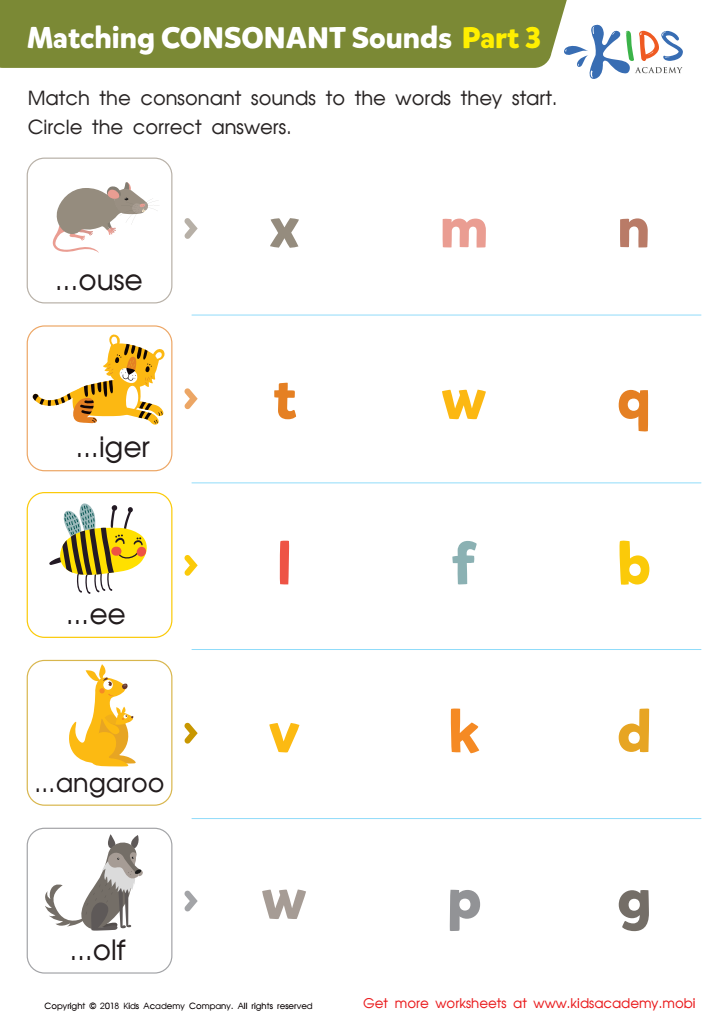
Matching Consonant Sounds: Part 3 Worksheet
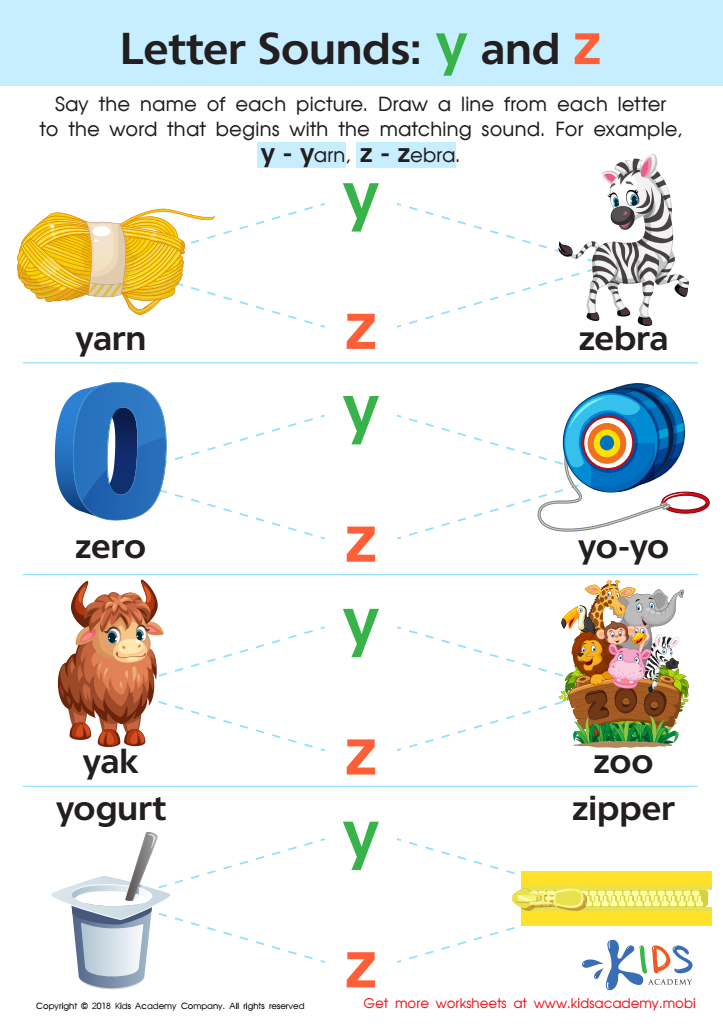
Letter Y and Z Sounds Worksheet







Letter-sound association is a fundamental concept in early literacy development, particularly for 5-year-olds. Parents and teachers should prioritize this skill because it forms the foundation for reading and writing. When children learn to connect letters with their corresponding sounds, they begin to decode words, which is essential for developing reading fluency and comprehension.
At this age, cognitive skills are rapidly developing, making it an ideal time to introduce basic phonics. Mastering letter-sound associations helps children recognize patterns in written language, enhancing their ability to sound out new words. This skill also boosts their confidence, encouraging a positive attitude towards reading.
Furthermore, strong letter-sound knowledge is crucial for later academic success. Researchers have shown that children who struggle with these associations often face ongoing reading difficulties. By focusing on this key area of literacy, parents and teachers can support children in developing necessary skills, ultimately preparing them for more complex language tasks in the future.
Engaging activities and interactive games can make learning letter-sound relationships enjoyable, fostering a love for reading. Overall, investing in letter-sound associations at this early stage lays the groundwork for lifelong literacy habits.







