Writing practice Normal Alphabet Worksheets for 5-Year-Olds
6 filtered results
-
From - To
Enhance your 5-year-old’s writing skills with our specialized Writing Practice Normal Alphabet Worksheets from Kids Academy! Carefully designed to blend fun and education, these worksheets help children master all letters of the alphabet through engaging activities. Each worksheet focuses on letter formation, improving fine motor skills, and increasing recognition and confidence. Our colorful and interactive worksheets make learning enjoyable, ensuring children stay motivated and excited about their progress. Perfect for homeschooling or additional practice, our Writing Practice Worksheets provide the solid foundation young learners need to become proficient writers! Start your child on the path to writing success today!
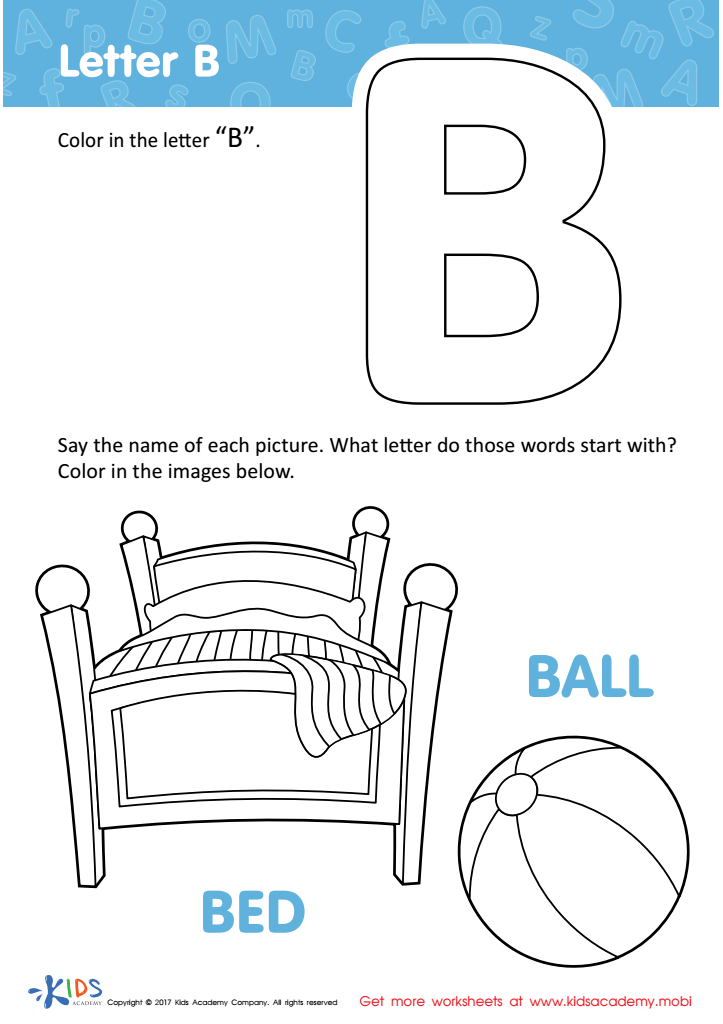
Letter B Coloring Sheet
 Assign to My Students
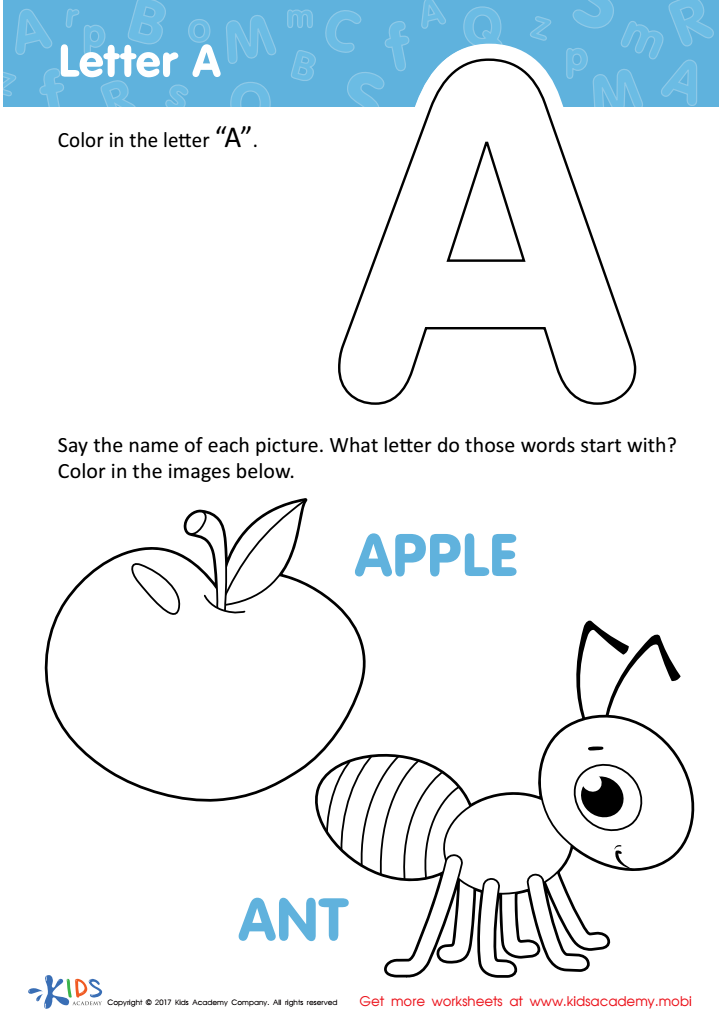
Letter A Coloring Sheet
Assign to My Students
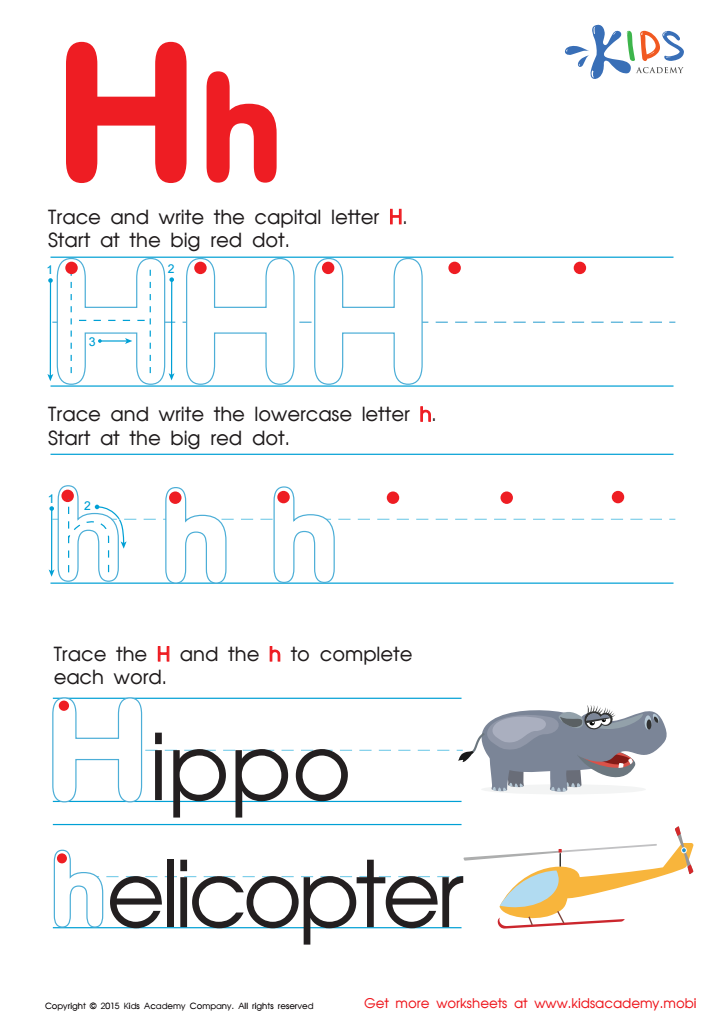
Letter H Tracing Page
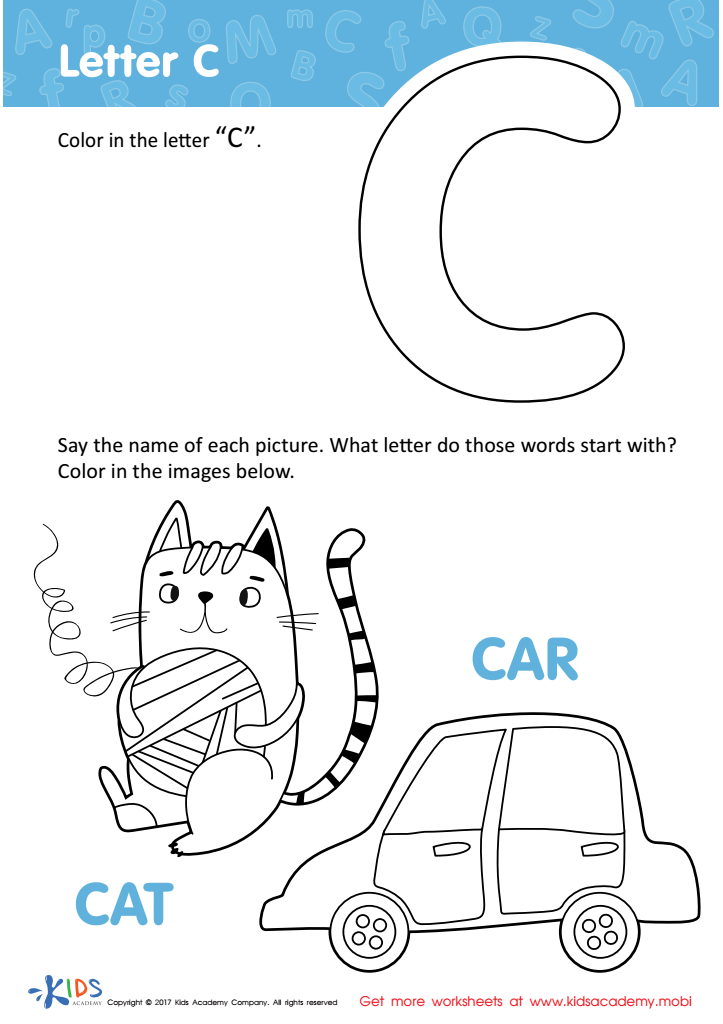
Letter C Coloring Sheet
Assign to My Students
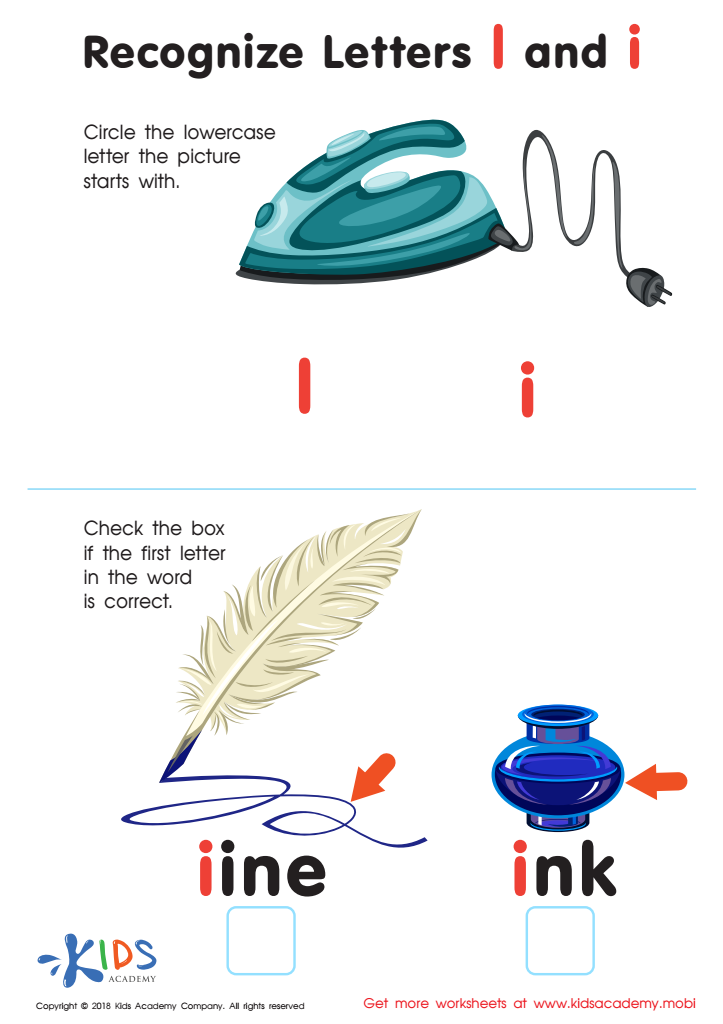
Recognize Letters l and i Worksheet
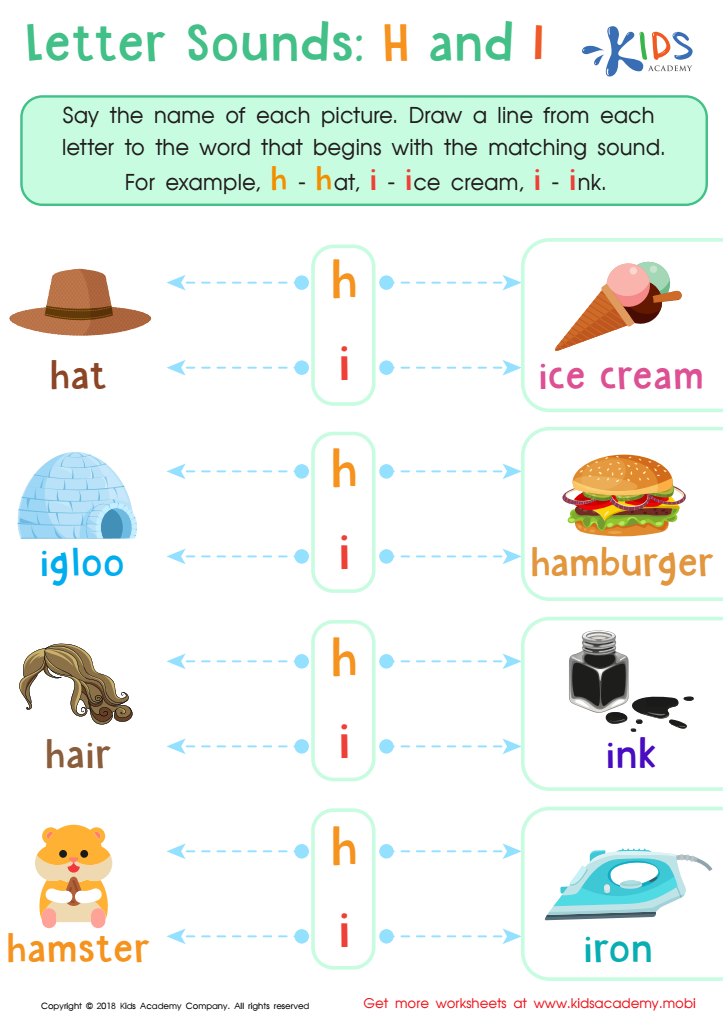
Letter H and I Sounds Worksheet






Parents and teachers should prioritize writing practice in normal alphabet for 5-year-olds because early literacy skills form the foundation for future academic success. At this developmental stage, children are primed to enhance their fine motor skills, which are crucial for writing. Engaging in writing activities helps strengthen these skills, including hand-eye coordination, grip strength, and control.
Additionally, learning to write the alphabet provides an important bridge to phonemic awareness. As children learn to associate letters with their sounds, they begin to understand the mechanics of reading. This dual development of writing and reading abilities promotes cognitive growth, heightening problem-solving skills and critical thinking.
Moreover, writing practice fosters attention to detail and patience, qualities that benefit all areas of learning. It also allows children to express their thoughts and ideas creatively, bolstering their confidence and communication skills. For parents and teachers, encouraging these activities means supporting children in developing both academically and personally.
Therefore, dedicating time and effort to writing practice prepares children not just for school, but for a lifetime of effective communication and learning. This foundational skill sets the stage for all future written and verbal expression, making it a cornerstone of early childhood education.







