Motor skills development Normal Letter Recognition Worksheets for 5-Year-Olds
3 filtered results
-
From - To
Discover engaging Motor Skills Development Normal Letter Recognition Worksheets specially designed for 5-year-olds at Kids Academy. These fun, educational worksheets help young children master letter recognition through a variety of hands-on, interactive activities. By tracing, coloring, and matching letters, kids enhance their fine motor skills while building a strong foundation in literacy. Perfect for early learners, our worksheets make letter exploration exciting, ensuring readiness for reading and writing. Explore our comprehensive collection online and give your child the tools they need for successful learning and development. Visit us at Kids Academy and start your child's educational journey today!

Letter H Tracing Page
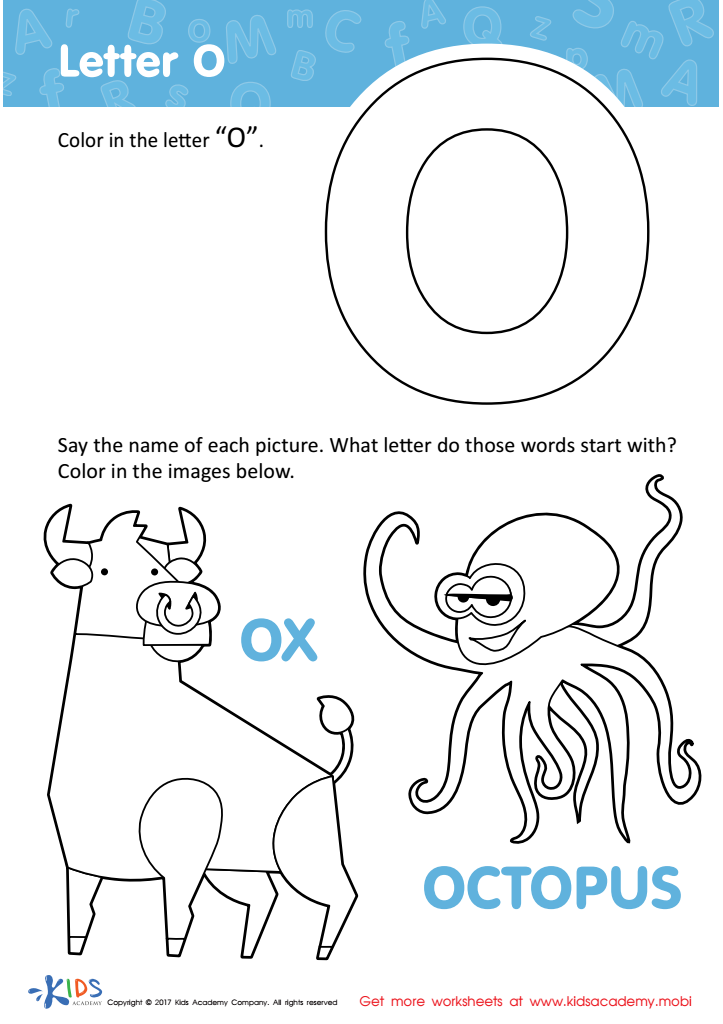
Letter O Coloring Sheet
 Assign to My Students
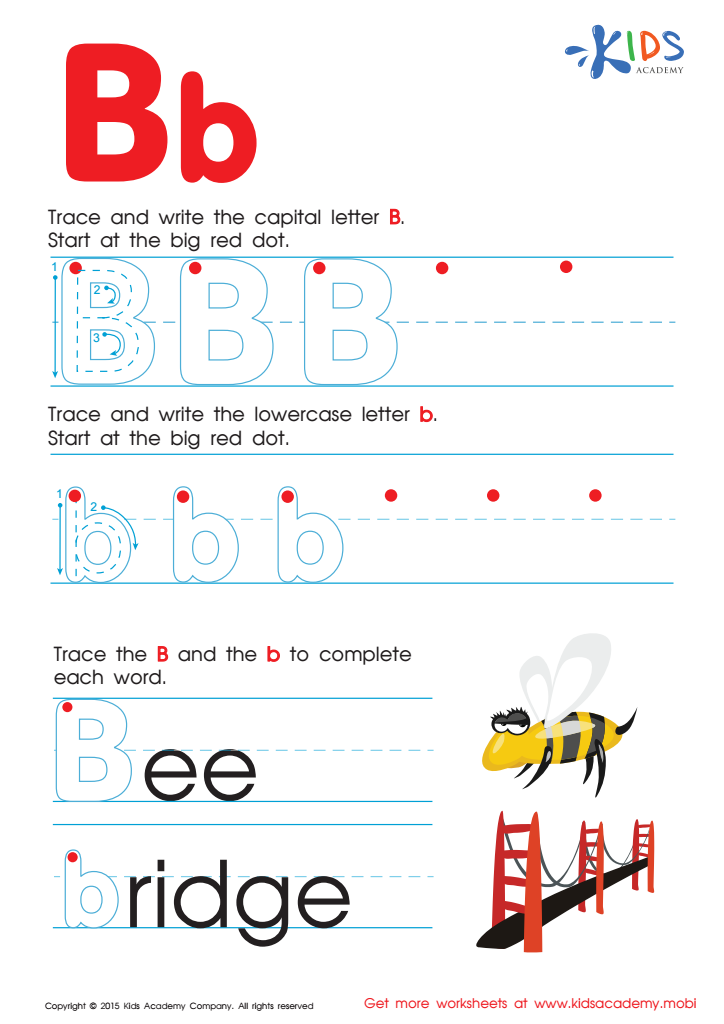
Letter B Tracing Page








Parents and teachers should care deeply about motor skills development and normal letter recognition in 5-year-olds because these foundational competencies are crucial for a child's overall development and future academic success. Motor skills, which include both fine motor skills (small muscle movements like holding a pencil) and gross motor skills (large muscle movements like running and jumping), are essential for everyday activities.
Fine motor skills, in particular, are critical for writing, drawing, and cutting, which are key components of kindergarten learning. When children develop these skills, they gain the ability to express themselves through written language, participate in classroom activities effectively, and build the manual dexterity necessary for various tasks in the future.
Normal letter recognition is equally important as it is the primary building block for reading and writing. Recognizing letters helps children understand that each letter has a unique sound, paving the way for phonics and the ability to decode words. This early literacy skill is fundamental for academic success, as it underpins all future learning in reading comprehension, writing, and language arts.
Both motor skills development and letter recognition also contribute to a child's confidence. Mastery of these skills allows children to participate fully in educational activities, interact successfully with peers, and eagerly take on new learning challenges. Therefore, promoting development in these areas sets the stage for lifelong learning and achievement.








