Alphabet sequencing Normal Upper & Lowercase Letters Worksheets for 5-Year-Olds
4 filtered results
-
From - To
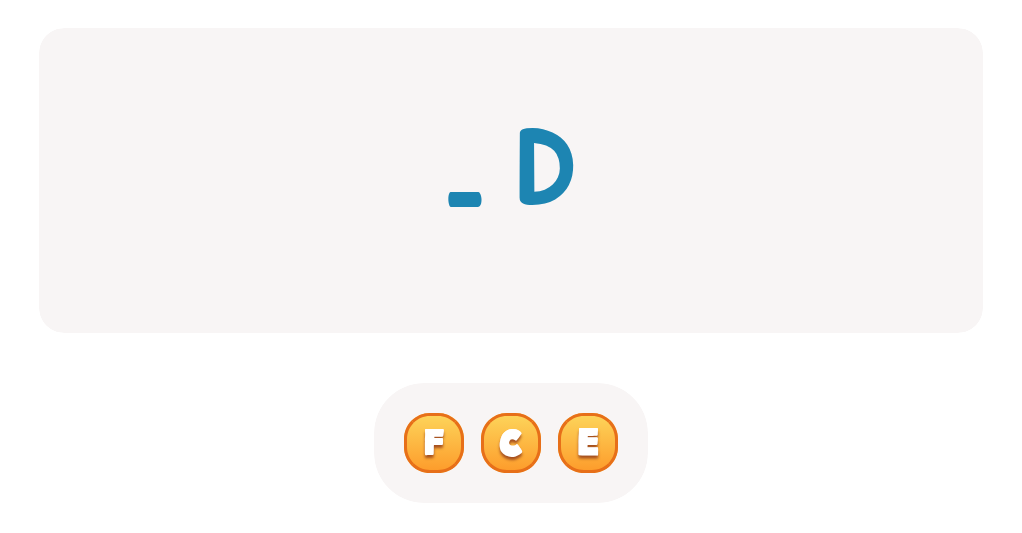
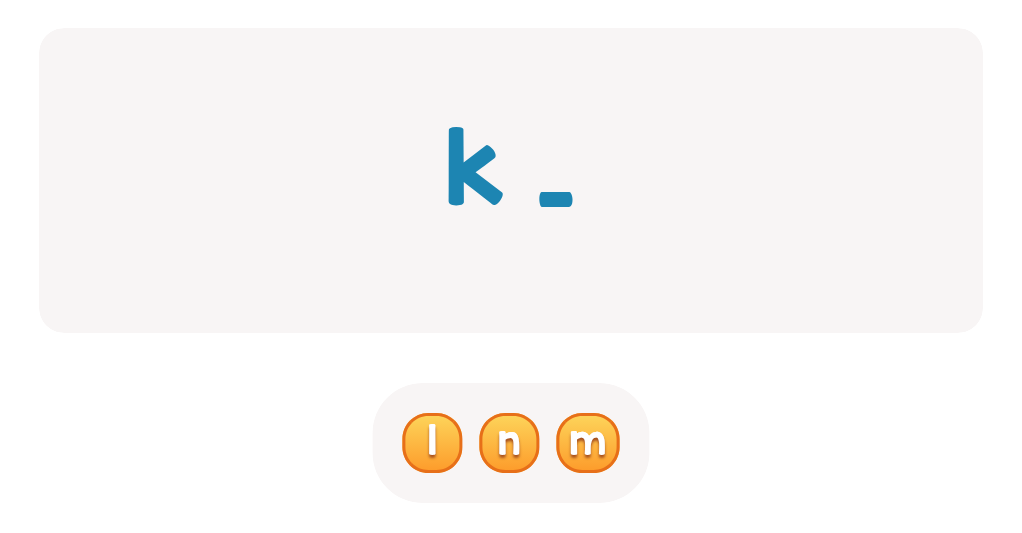
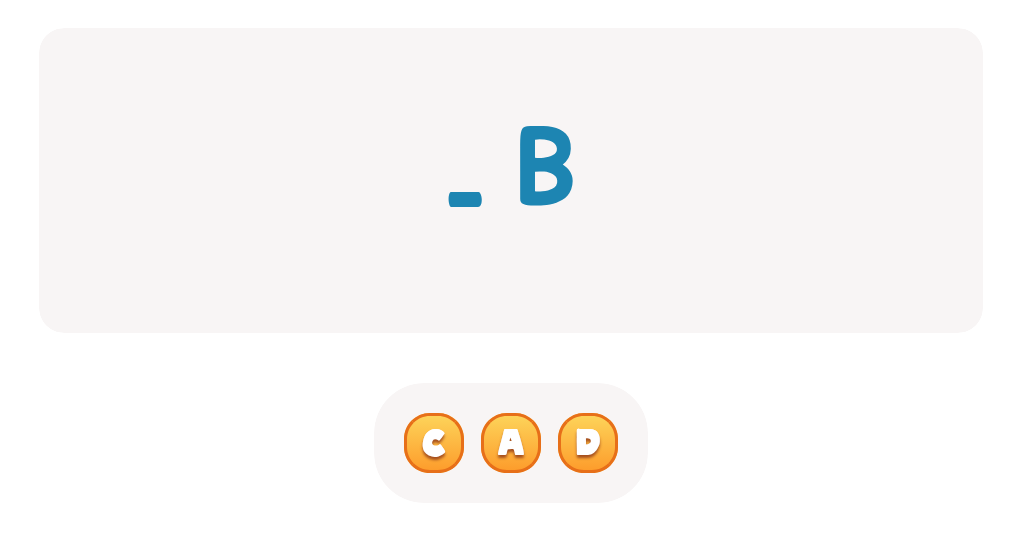
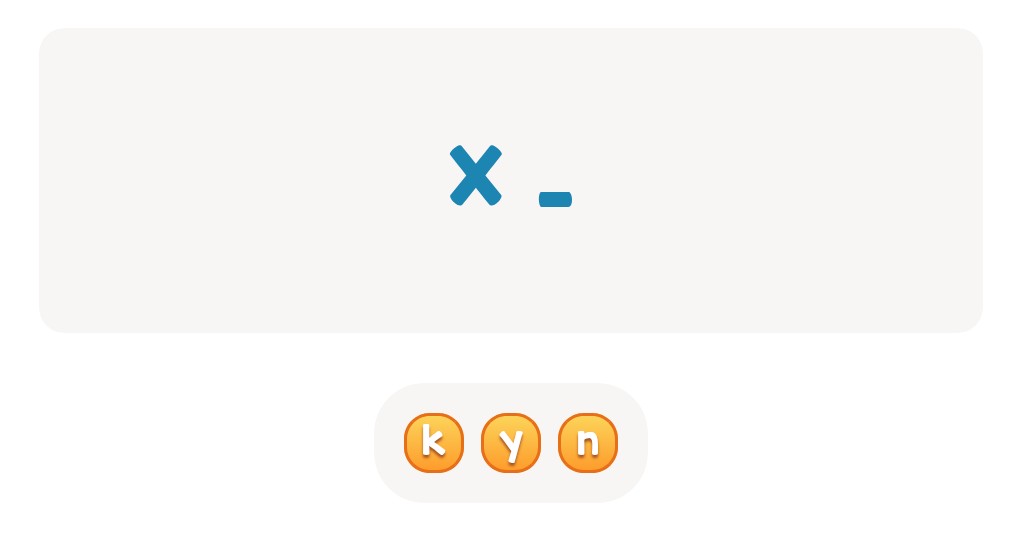
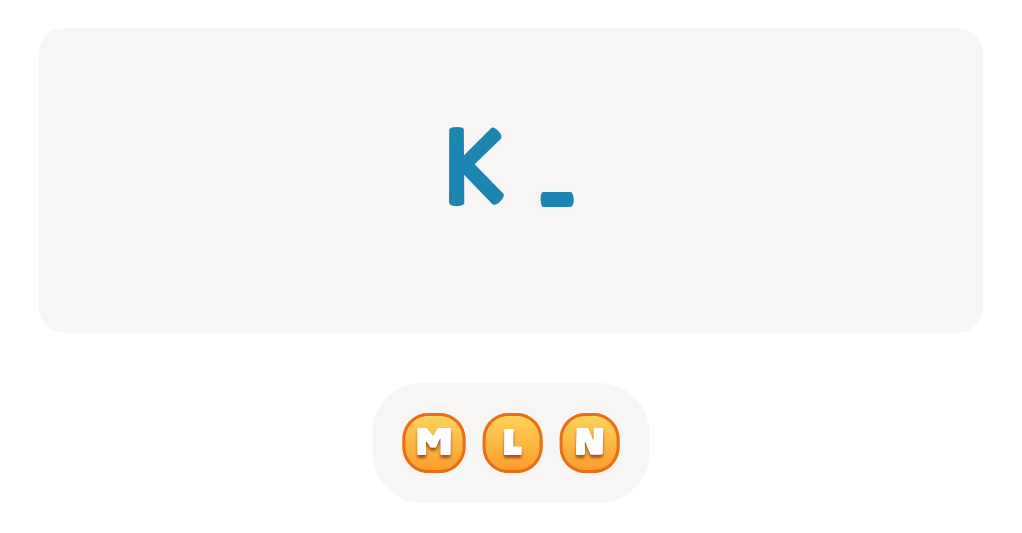
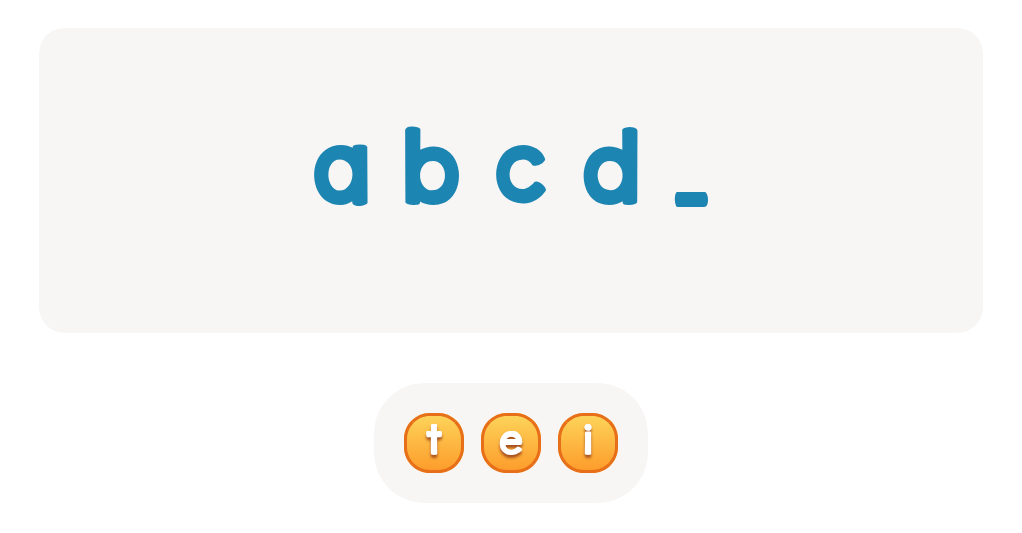
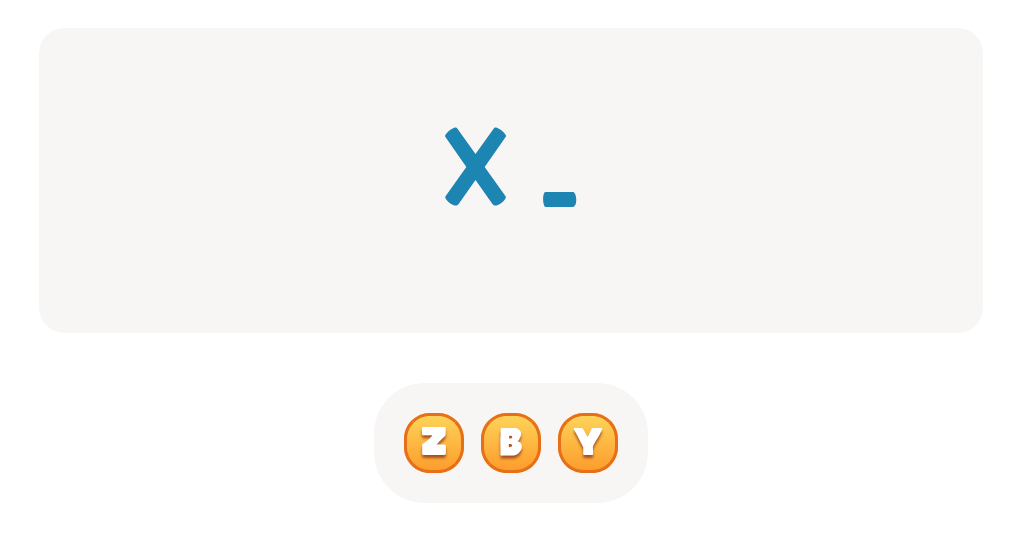
Boost alphabet mastery with our engaging Alphabet Sequencing Worksheets, designed specifically for 5-year-olds. These printable activities challenge young students to order both uppercase and lowercase letters, enhancing their recognition and sequencing skills. Each worksheet features fun, kid-friendly illustrations to keep learners motivated and focused. This resource supports early literacy development, reinforcing alphabet familiarity, and fostering a solid educational foundation. Perfect for home or classroom use, these worksheets make learning alphabetical order enjoyable and effective, setting the stage for future reading success. Introduce your child to these essential sequencing exercises and watch their confidence soar!

Find Lowercase Letters g h i Worksheet
 Assign to My Students

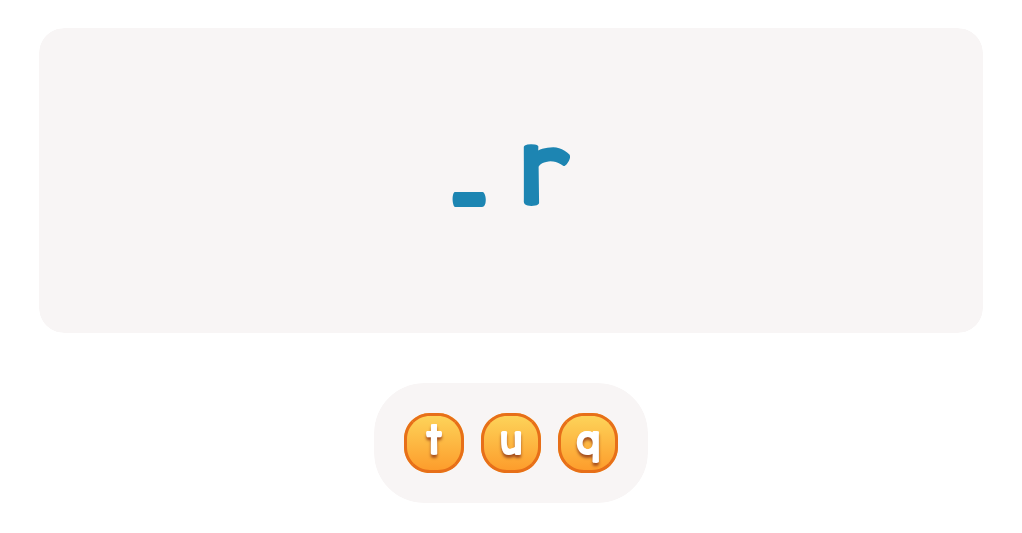

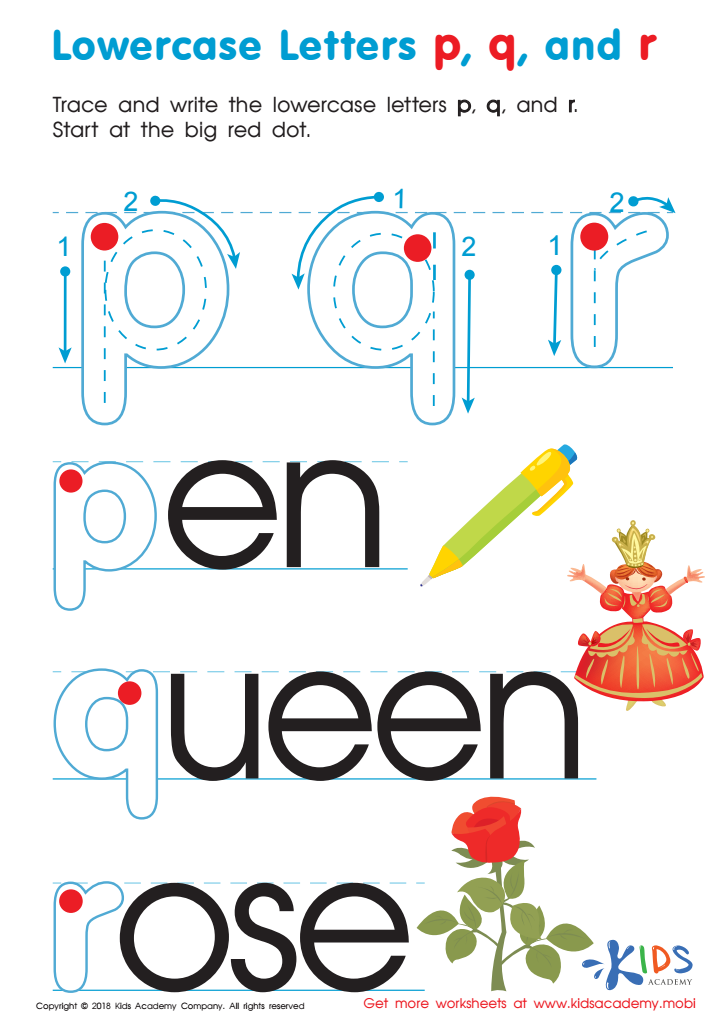
Lowercase Letters p q r Worksheet
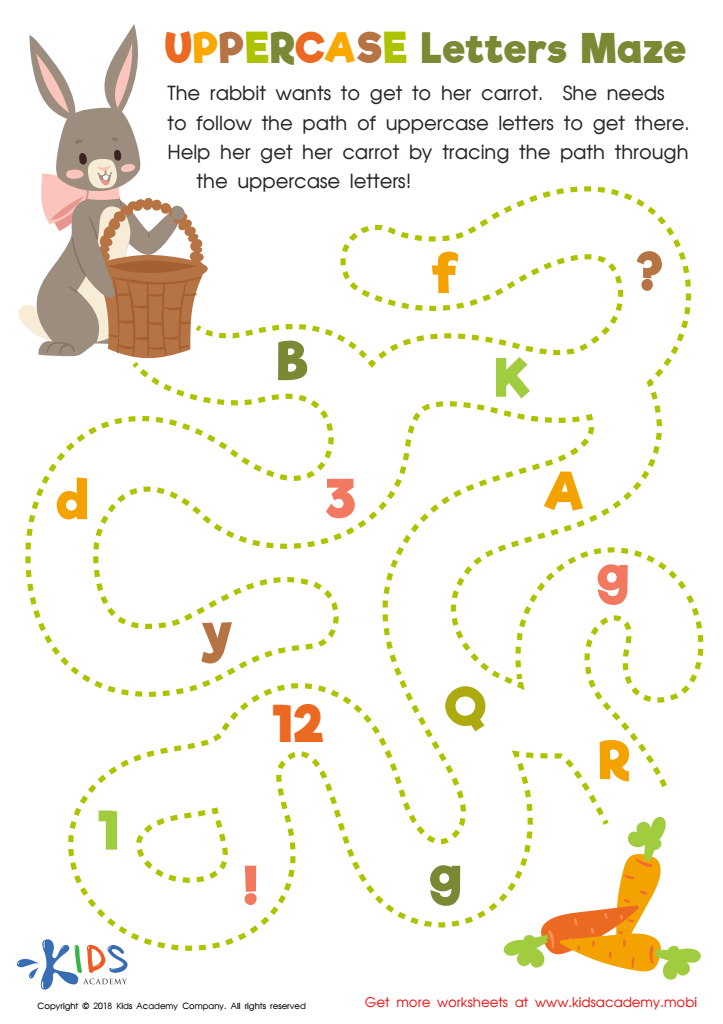
Uppercase Letters Maze Worksheet
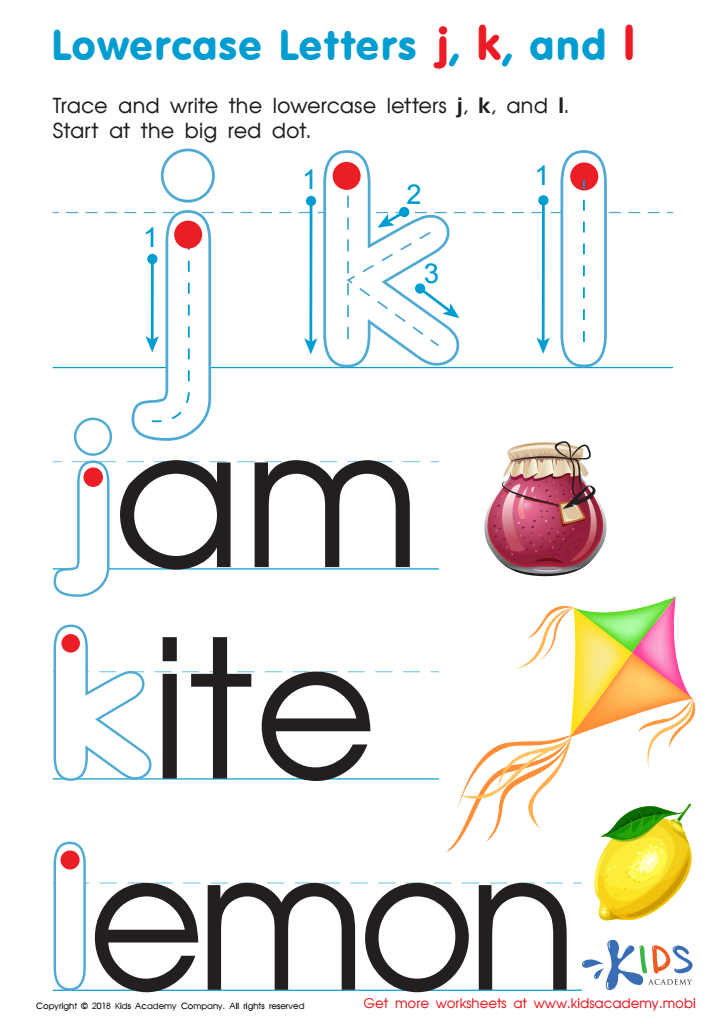
Lowercase Letters j k l Worksheet






Alphabet sequencing of both uppercase and lowercase letters is fundamental for 5-year-olds as it lays the foundation for literacy development. This skill not only helps children recognize letters but also fosters understanding of letter order and relationships, which is crucial for reading and writing. When children grasp the sequence of the alphabet, they better comprehend how words are constructed and decomposed—a skill essential for decoding words during reading.
Mastery of alphabet sequencing enhances phonemic awareness, allowing children to associate specific sounds with corresponding letters. This sound-letter correspondence is a critical component in early phonics instruction. Furthermore, recognizing both uppercase and lowercase letters prepares children for more advanced literacy tasks since texts frequently use a combination of both.
In addition, alphabet sequencing boosts memory and cognitive development by requiring children to remember and recall the correct order of letters. Such activities also enhance fine motor skills when children practice writing the letters in sequence. For parents and teachers, it is imperative to encourage fun, engaging, and varied activities to reinforce these skills. Caring about alphabet sequencing sets a strong educational foundation, ensuring that children are well-equipped for future academic challenges and fostering a lifelong love for reading and learning.







