Alphabet understanding Normal Upper & Lowercase Letters Worksheets for 5-Year-Olds
3 filtered results
-
From - To
Welcome to our "Alphabet Understanding Normal Upper & Lowercase Letters Worksheets" page designed specifically for 5-year-olds! These engaging worksheets help young learners grasp the differences between uppercase and lowercase letters through fun activities and vibrant illustrations. Each worksheet focuses on letter recognition, tracing, and matching, fostering essential pre-reading skills. With age-appropriate exercises, children develop their fine motor skills while exploring the building blocks of literacy. Enhance your child’s learning experience and instill a love for reading and writing early on. Dive into our collection today and watch your little ones grow confident in their alphabet knowledge!
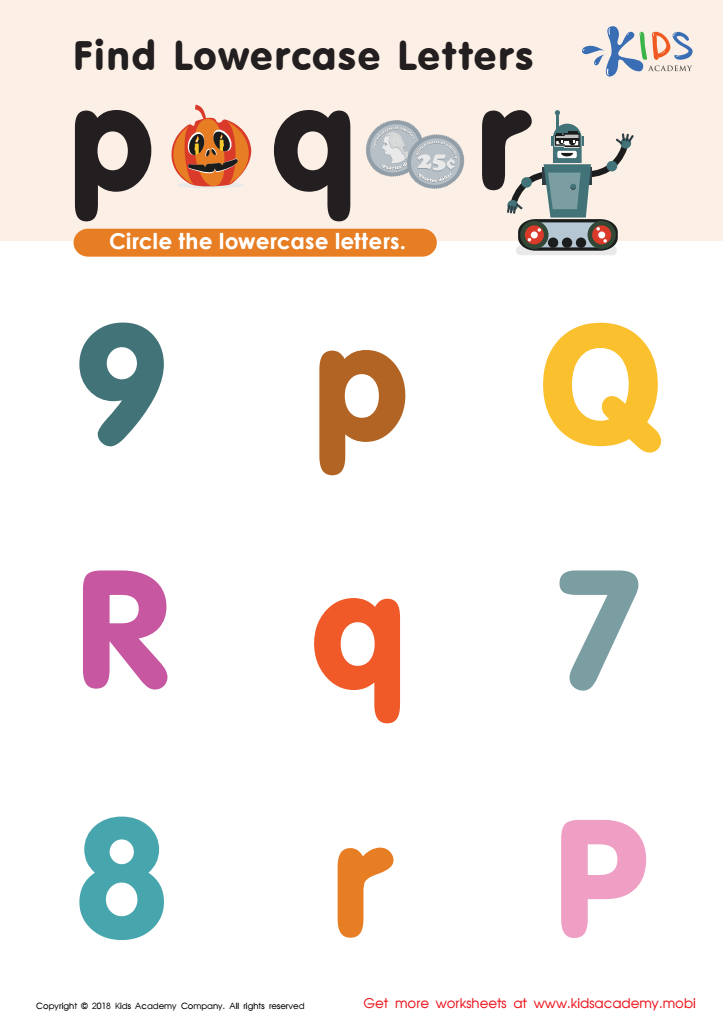
Find lowercase Letters p q r Worksheet
 Assign to My Students
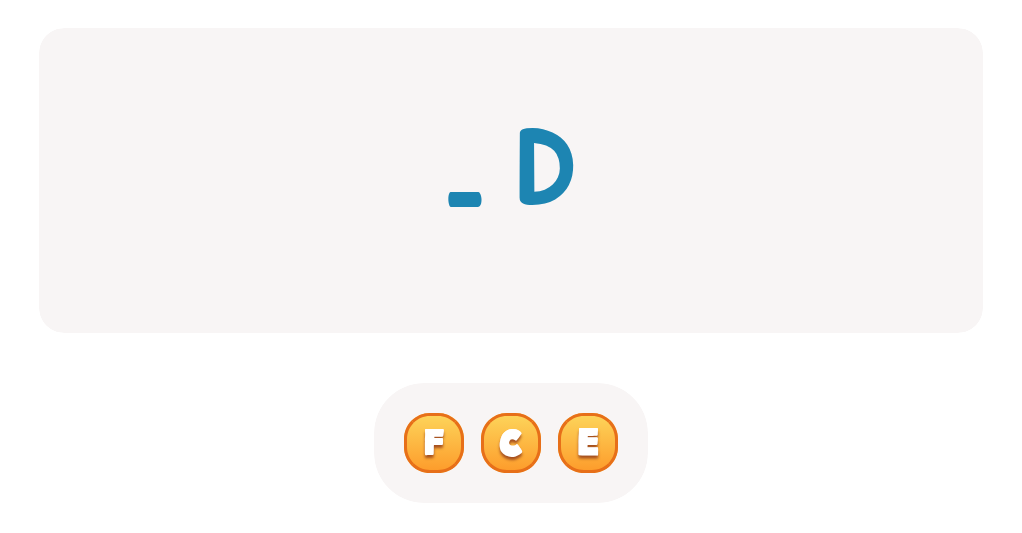

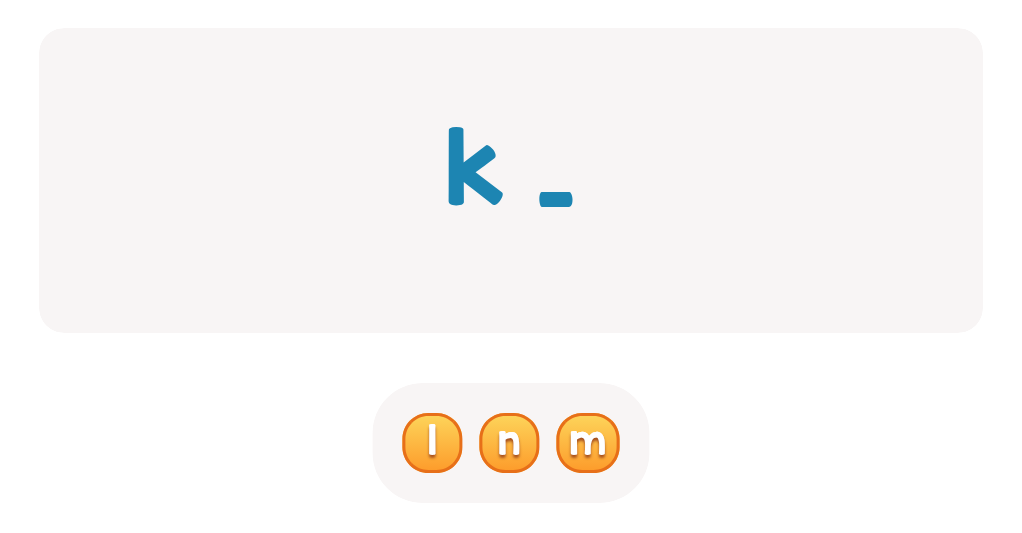
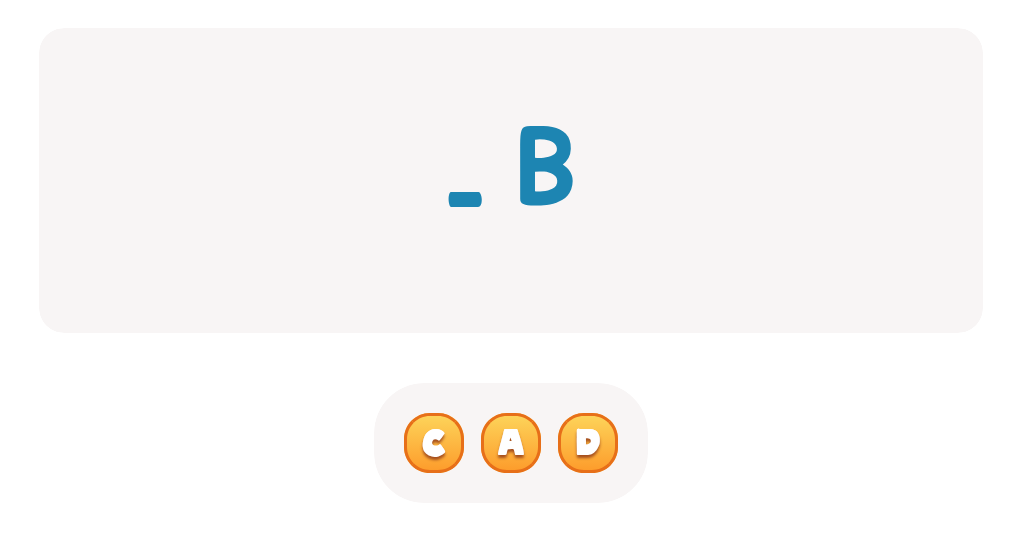
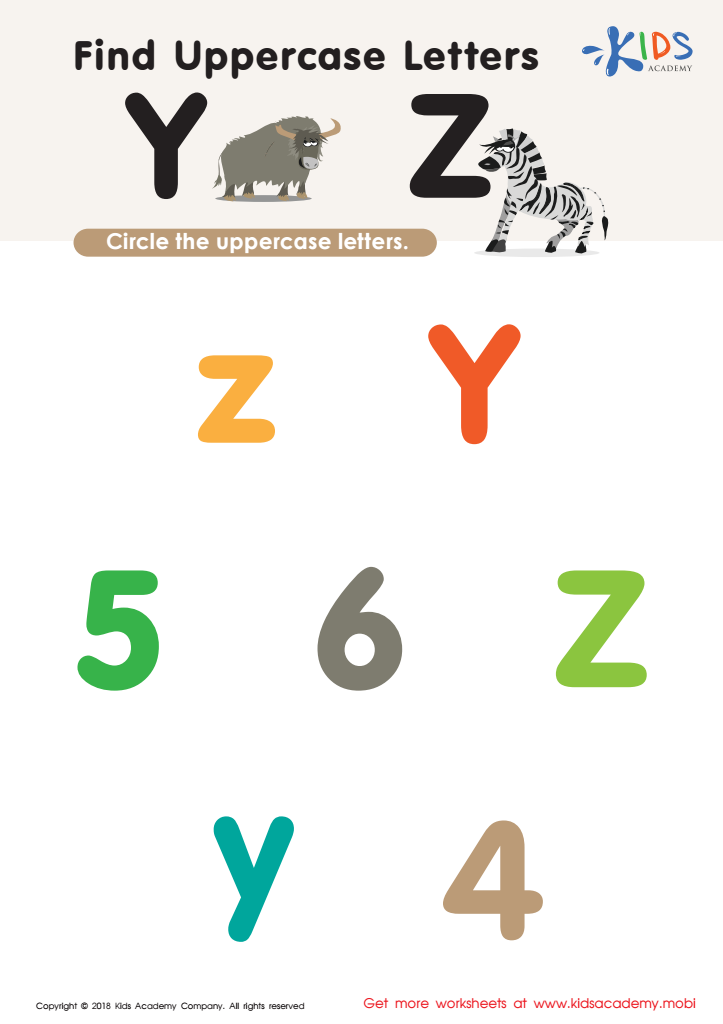
Find Uppercase Letters Y Z Worksheet
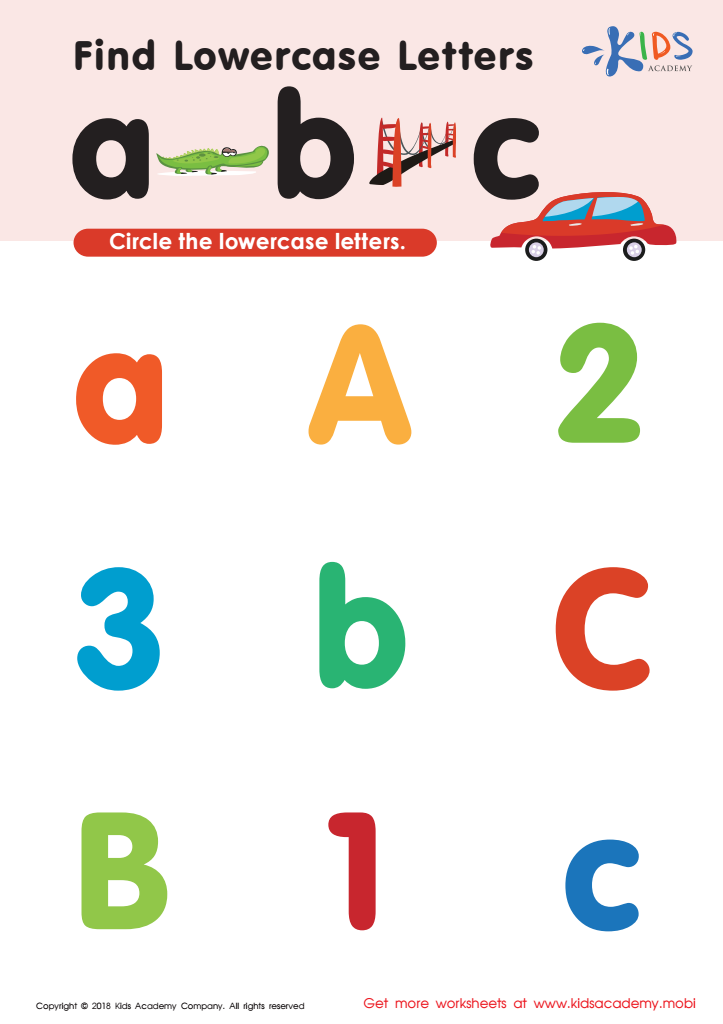
Find lowercase letters a b c Worksheet






Alphabet understanding, including recognition of normal upper and lowercase letters, is essential for 5-year-olds as it forms the foundation for literacy and communication skills. At this developmental stage, children are naturally curious and eager to learn. Recognizing letters helps them begin to understand the connection between letters and sounds, a critical step in learning to read and write.
When children can identify both upper and lowercase letters, they are better prepared to engage with written text. They encounter uppercase letters in the beginnings of sentences and proper nouns, while lowercase letters dominate everyday reading materials. This dual recognition allows for smoother reading experiences and a greater comprehension of text.
Moreover, understanding the alphabet helps to build fine motor skills through writing and encourages phonemic awareness through letter-sound associations. Teachers and parents play a vital role in fostering this knowledge by creating interactive learning environments that evoke interest and excitement around letters.
Lastly, a solid grasp of letter recognition promotes confidence in young learners, making them more willing to participate in early reading activities, which ultimately supports their long-term academic success. Thus, the emphasis on uppercase and lowercase letter understanding is crucial in nurturing early literacy development.







