Motor skills development Normal ABC Letters Worksheets for Ages 6-7
3 filtered results
-
From - To
Enhance your child's handwriting with our Motor Skills Development Normal ABC Letters Worksheets for ages 6-7. Designed specifically to bolster fine motor skills and handwriting proficiency, these printable resources offer engaging and effective exercises through fun, relatable activities. Each worksheet incorporates tracing, writing, and letter recognition exercises, helping young learners develop the control and coordination needed for clear and confident writing. Perfect for classroom use or at-home practice, these worksheets create a fun, educational foundation, ensuring your child develops essential writing skills in an enjoyable and structured way. Start the journey towards excellent handwriting today!

Letter H Tracing Page











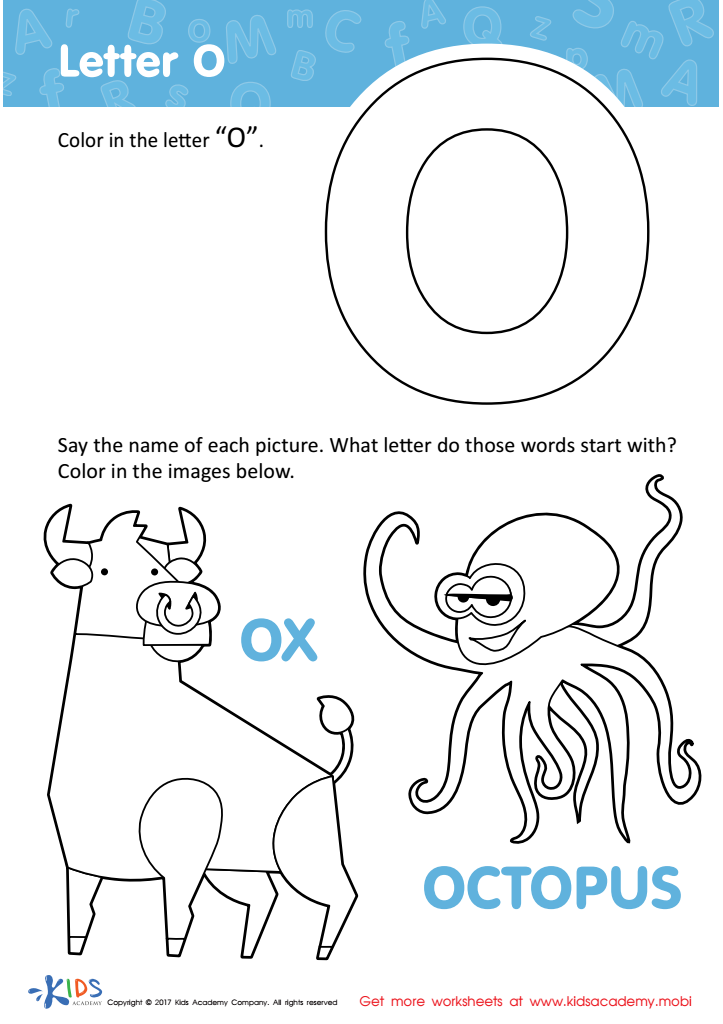
Letter O Coloring Sheet
 Assign to My Students
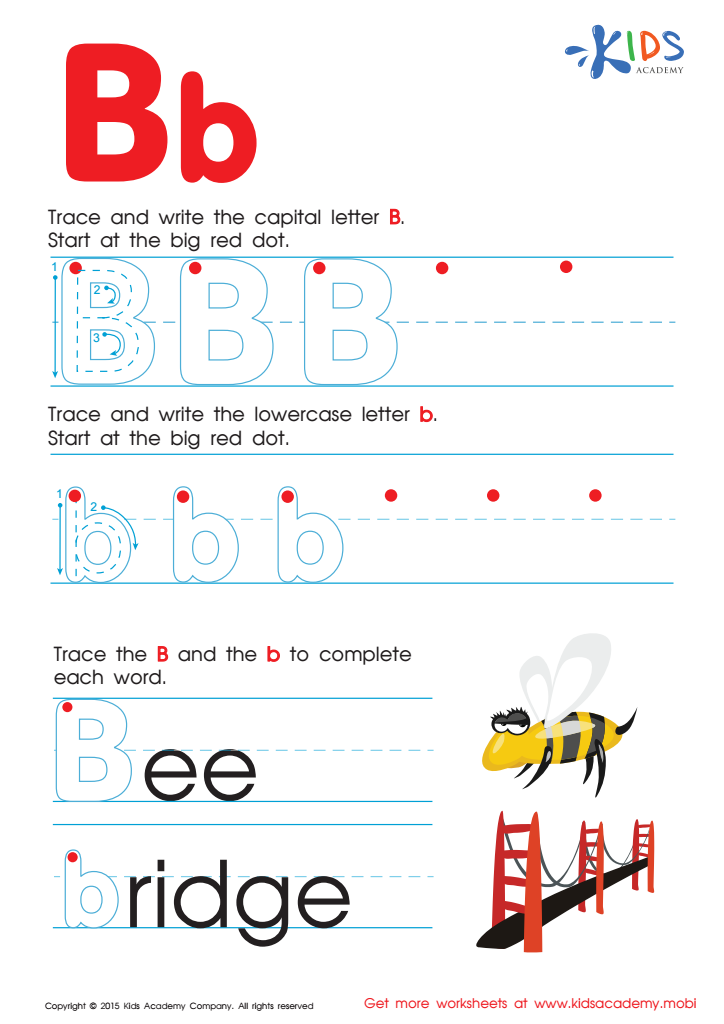
Letter B Tracing Page







Motor skills development is vitally important for children aged 6-7, encompassing both fine and gross motor skills. These skills are pivotal for daily activities, learning, and overall childhood development. Fine motor skills involve the coordination of small muscles, like those in the fingers and hands, and are crucial for tasks like writing ABC letters, buttoning clothes, and tying shoelaces. Gross motor skills use larger muscle groups that enable activities such as running, jumping, and playing sports.
Proper development of these skills enhances a child's ability to perform well academically and socially. For example, writing ABC letters helps kids with literacy, aiding in reading and writing fluency which are foundational for future education. Smooth motor skills also build self-esteem and independence, enabling children to successfully navigate daily activities without constant help. Practicing these skills promotes synaptic growth and neural connections in the brain, further enhancing cognitive and physical development.
Teachers and parents should care because early intervention and skill development are associated with higher academic performance, better social interactions, and improved physical well-being. Monitoring and nurturing motor skills during this crucial developmental phase can lead to long-term benefits that extend well into adulthood.







