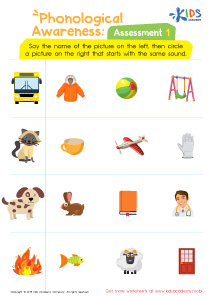
Vocabulary expansion Normal Beginning Sounds Worksheets for Ages 6-7
4 filtered results
-
From - To
Welcome to our Vocabulary Expansion Normal Beginning Sounds Worksheets for Ages 6-7! Designed to enhance early literacy skills, these engaging worksheets help young learners recognize and practice beginning sounds in words. Children will explore a variety of fun activities that reinforce vocabulary development while building phonemic awareness. Each worksheet is carefully crafted to provide an interactive learning experience, promoting confidence in reading and comprehension. Ideal for classroom use or at-home practice, our resources support both educators and parents in fostering a solid foundation for lifelong learning. Dive into vocabulary expansion today and watch your child’s reading skills flourish!
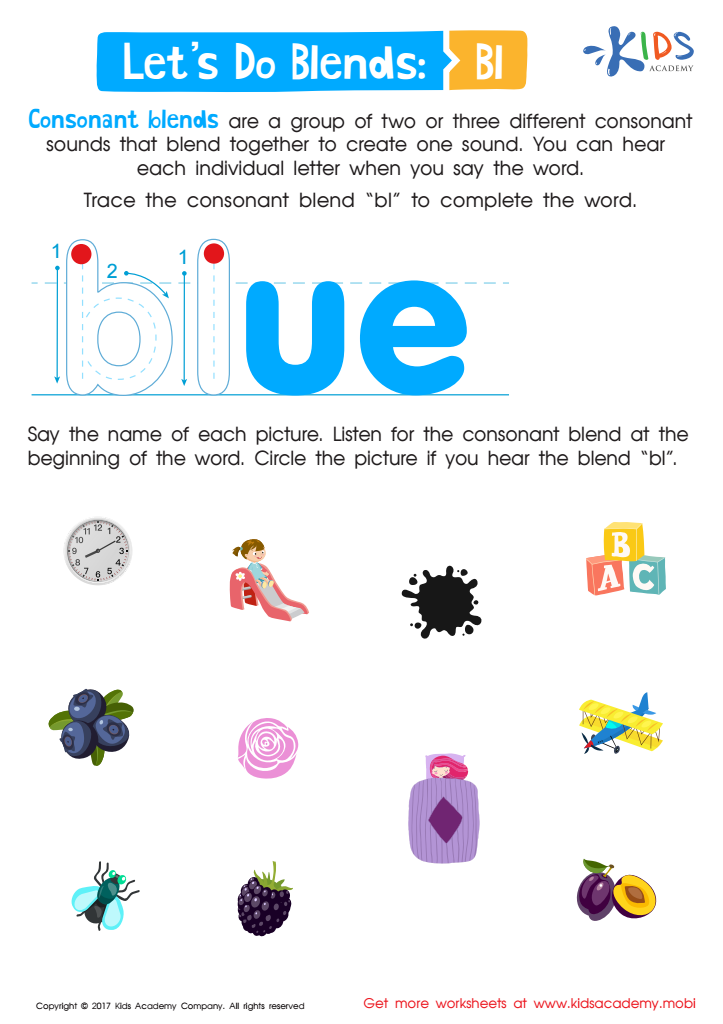
Beginning Blends: "Bl" Words Worksheet
 Assign to My Students
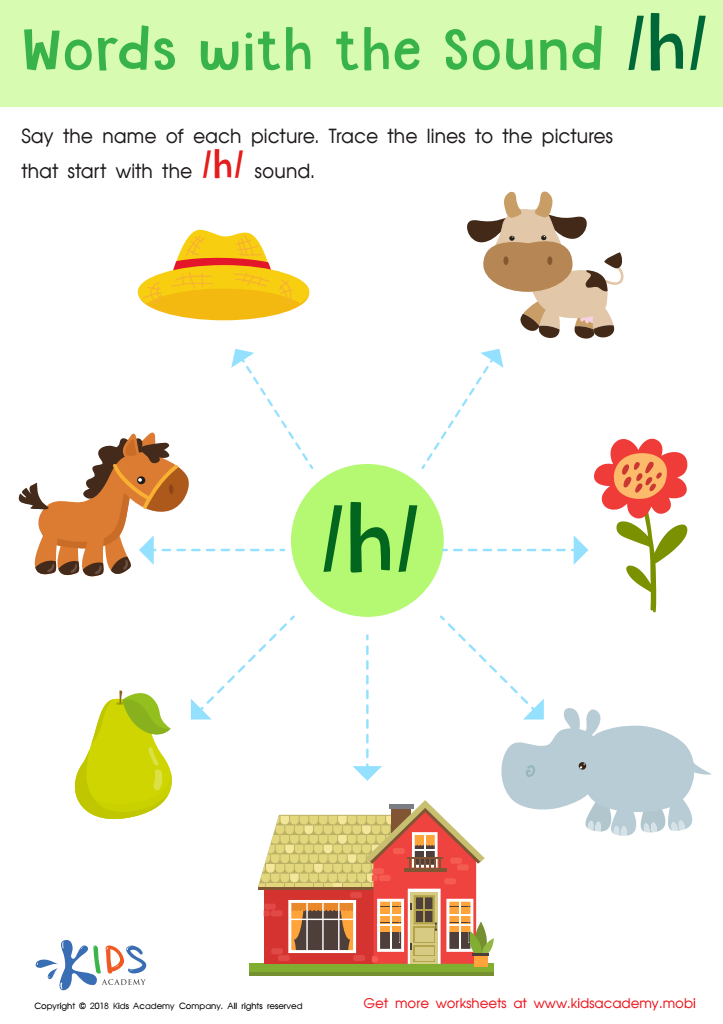
Words with sound h Reading Worksheet
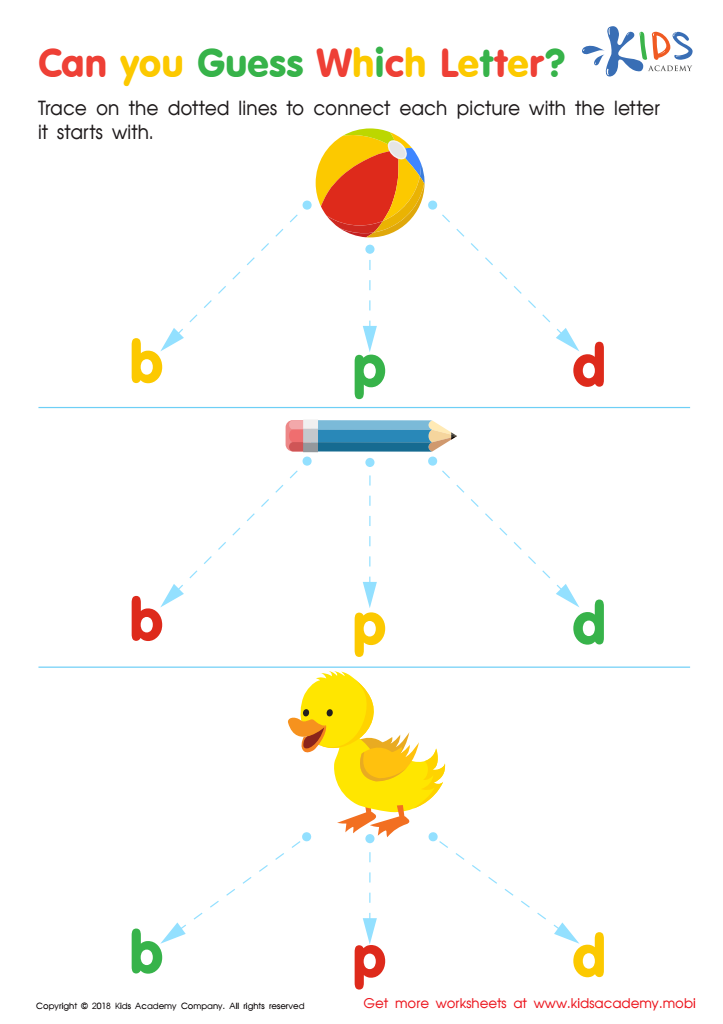
Can you Guess Which Letter? Worksheet
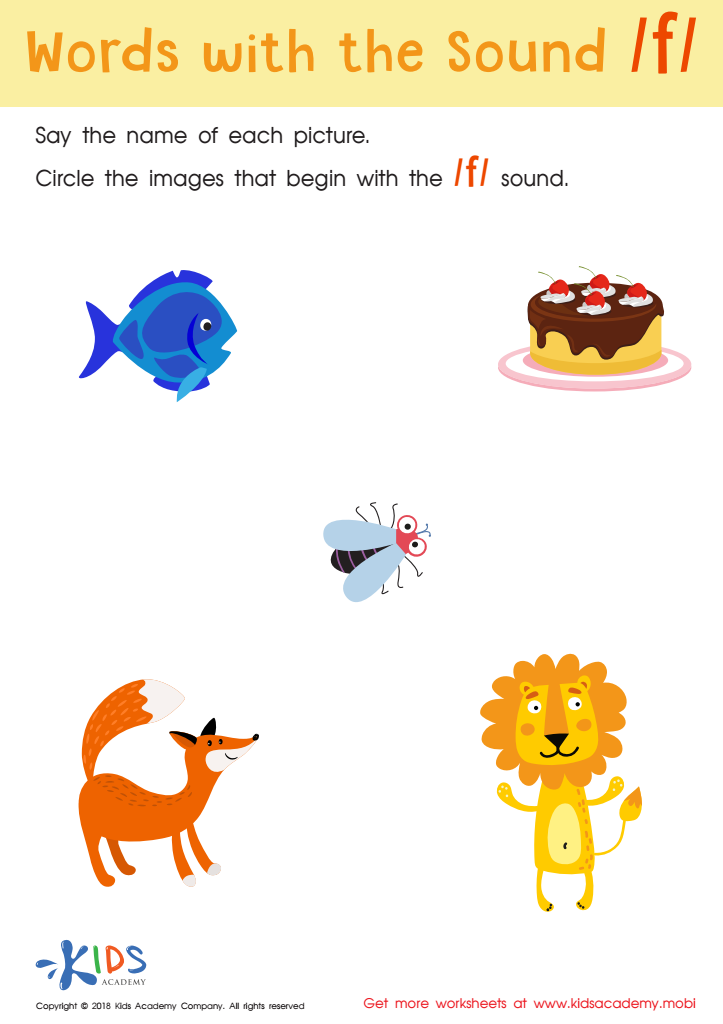
Words with sound f Reading Worksheet








Vocabulary expansion, particularly for normal beginning sounds, is crucial for children aged 6-7, as it lays the foundation for their reading, writing, and overall communication skills. During this pivotal stage of development, children are increasingly exposed to more complex texts and academic language. By focusing on normal beginning sounds, teachers and parents can help children build phonemic awareness, which is essential for decoding words.
A strong vocabulary supports literacy and helps children understand and articulate their thoughts better. When children master normal beginning sounds, they improve their ability to predict word formations and enhance their spelling skills. This stage is marked by a significant vocabulary growth, and the more words they know, the more empowered they feel to engage in conversations, express emotions, and create narratives.
Additionally, a rich vocabulary is linked to better academic performance, as it allows for comprehension of complex concepts across subjects, fostering a love for learning. Parents and teachers should partner to create engaging language-rich environments, using storytelling, reading together, and introducing new words in meaningful contexts. This collaborative approach not only nurtures academic success but also boosts children's confidence and enthusiasm for learning, shaping well-rounded individuals equipped for the future.