Motor skills development Normal Alphabet Worksheets for Ages 6-7
3 filtered results
-
From - To
Enhance your child's motor skills with our engaging "Normal Alphabet Worksheets" designed for ages 6-7. These worksheets provide a fun and interactive way for young learners to practice writing their letters while improving hand-eye coordination and fine motor skills. Each worksheet features a variety of exercises, including tracing, connecting dots, and coloring activities, all focused on letters of the alphabet. Perfect for at-home learning or as a supplement to classroom instruction, our resources promote both learning and creativity. Download and watch your child thrive as they master their lettering skills while enjoying the developmental benefits of motor skill practice!
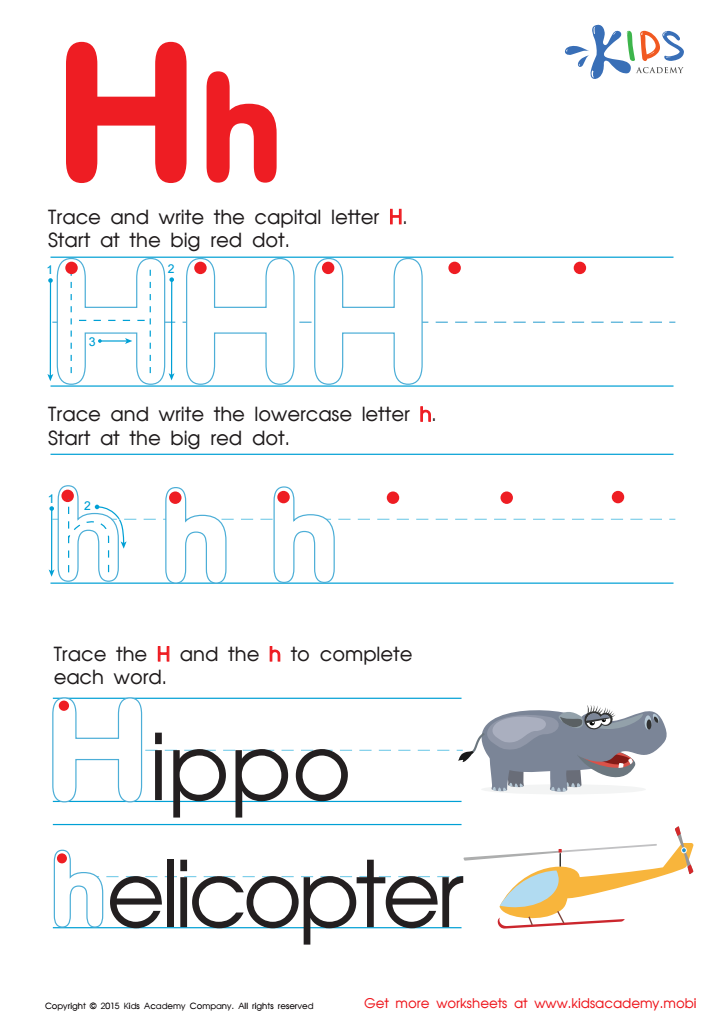
Letter H Tracing Page
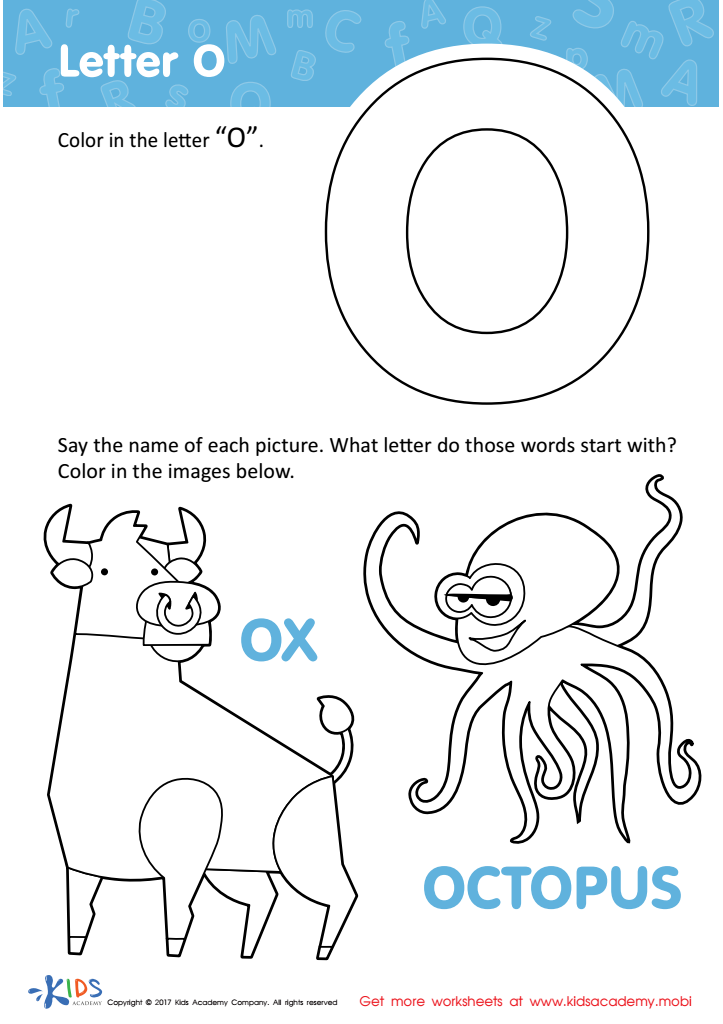
Letter O Coloring Sheet
 Assign to My Students
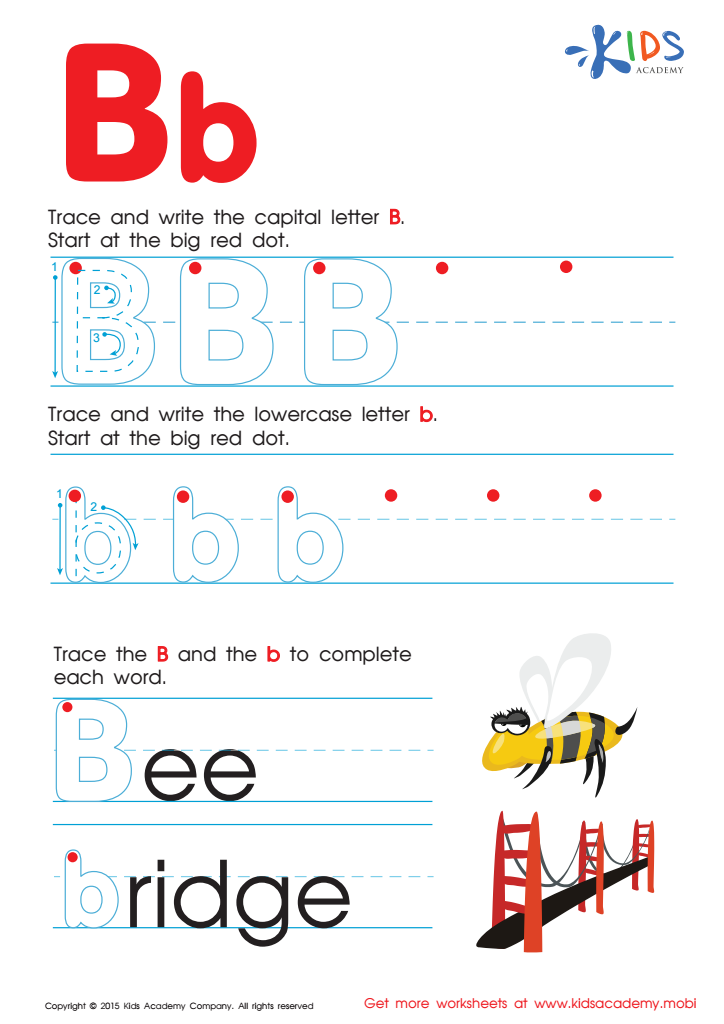
Letter B Tracing Page







Motor skills development during ages 6-7 is crucial for children's overall growth and learning. At this stage, children refine both fine and gross motor skills, which are essential for daily activities and learning. Fine motor skills, such as writing, drawing, and using scissors, play a significant role in a child's ability to complete classroom tasks and communicate effectively. Good pencil grip and control also lay the groundwork for proper handwriting.
Gross motor skills, involving larger movements such as running, jumping, and throwing, are key for physical coordination and overall health. These skills help boost self-esteem and encourage participation in sports and physical activities, which promote social interactions and teamwork.
Parents and teachers should care about this development because delays in motor skills can lead to difficulties in school, impacting academic performance and social experiences. Active engagement in motor skill activities during this age can foster a supportive learning environment, facilitating not just physical growth but also cognitive and emotional development. Encouraging opportunities for play, exploration, and structured motor activities helps children build confidence and foundational skills, essential for their future educational success and lifelong habits of healthy living.







