Alphabet Recognition Normal Letter Recognition Worksheets for Ages 6-7 - Page 2
30 filtered results
-
From - To
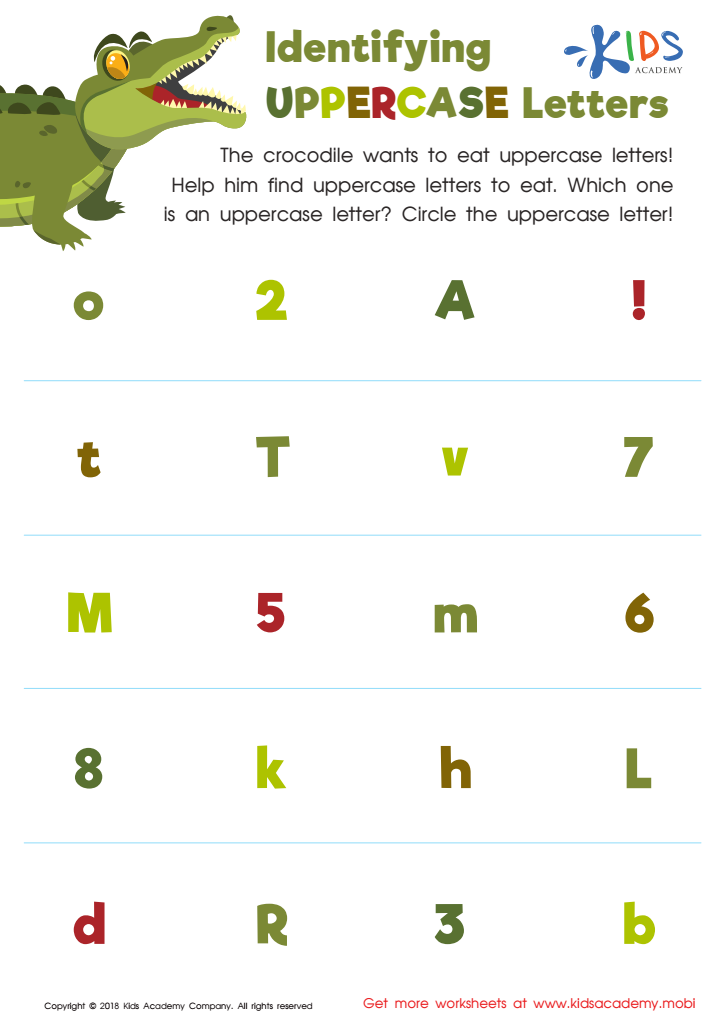
Identifying Uppercase Letters Worksheet
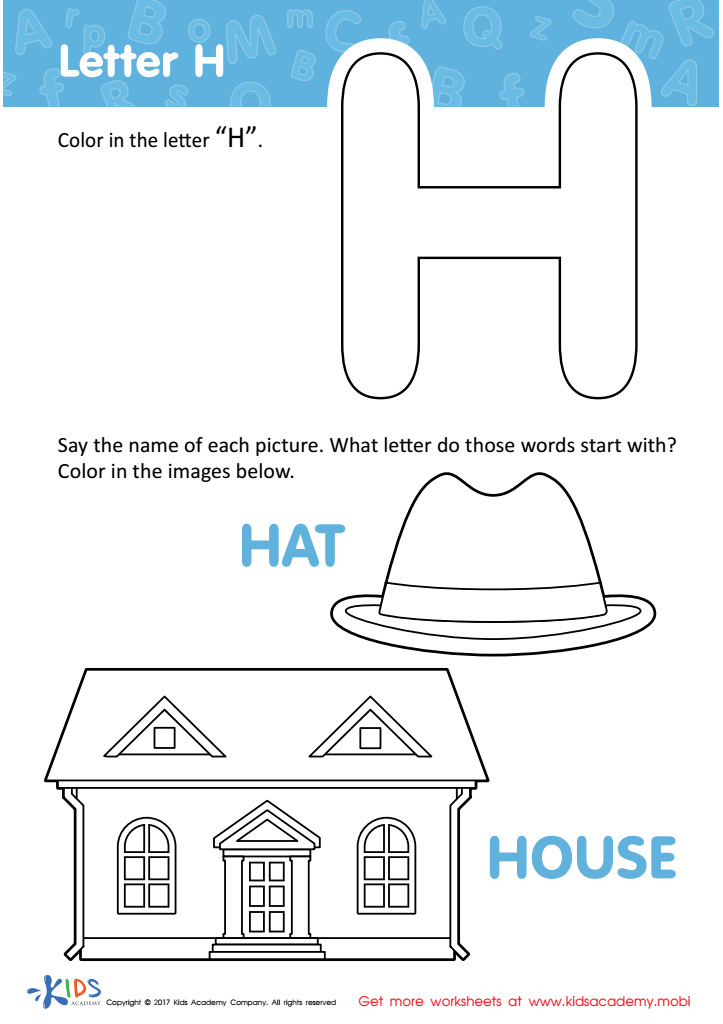
Letter H Coloring Sheet
 Assign to My Students
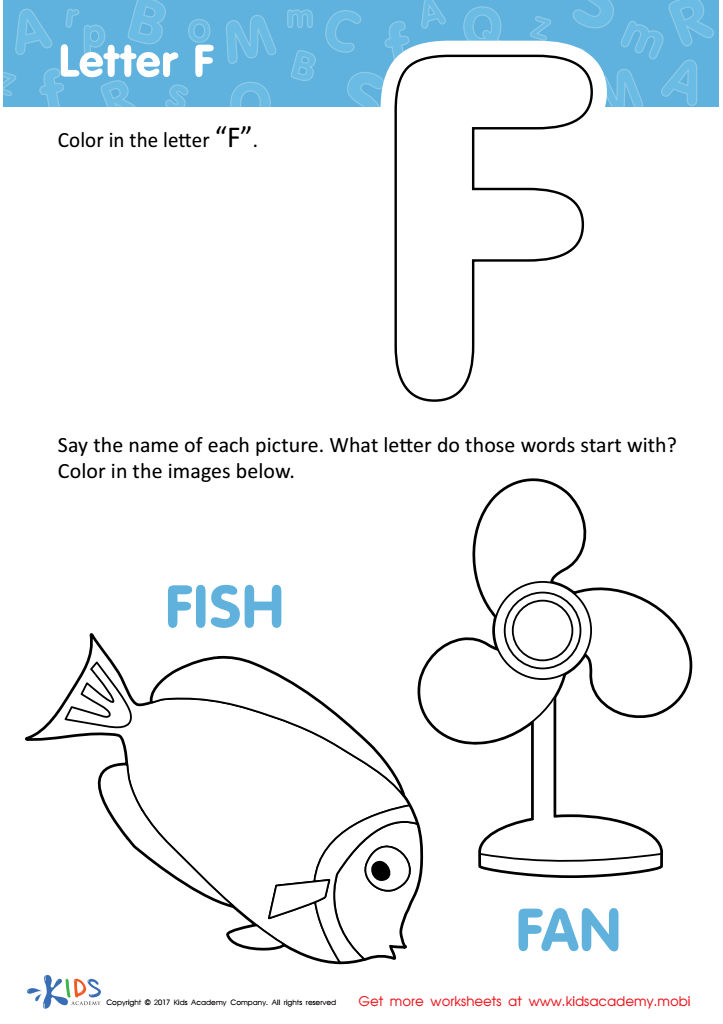
Letter F Coloring Sheet
Assign to My Students
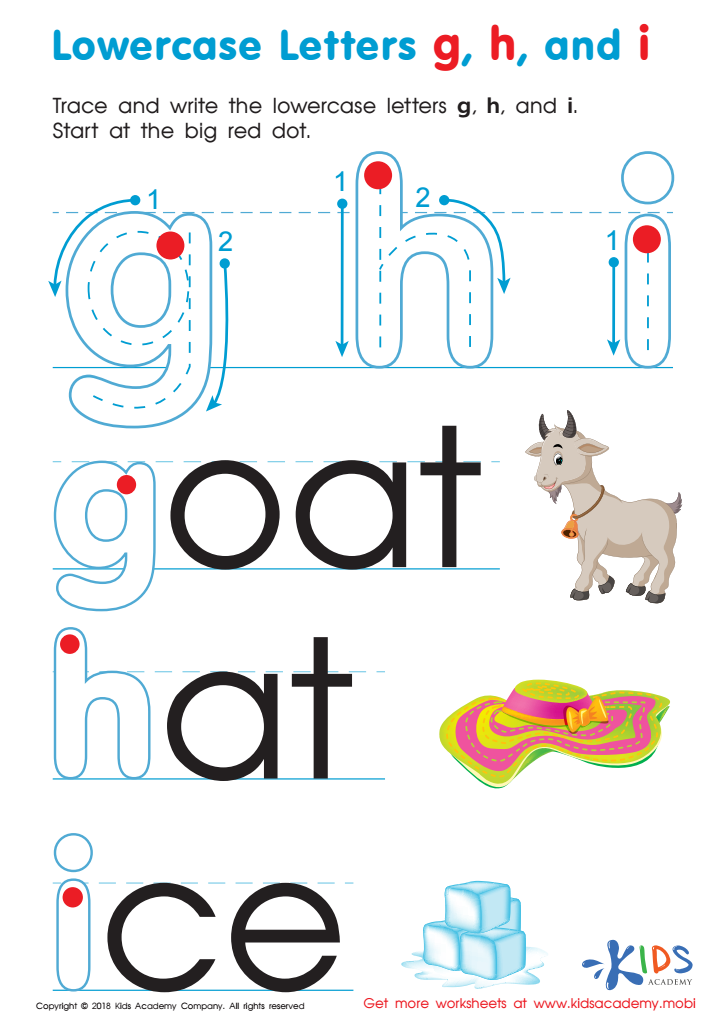
Lowercase Letters g h i Worksheet
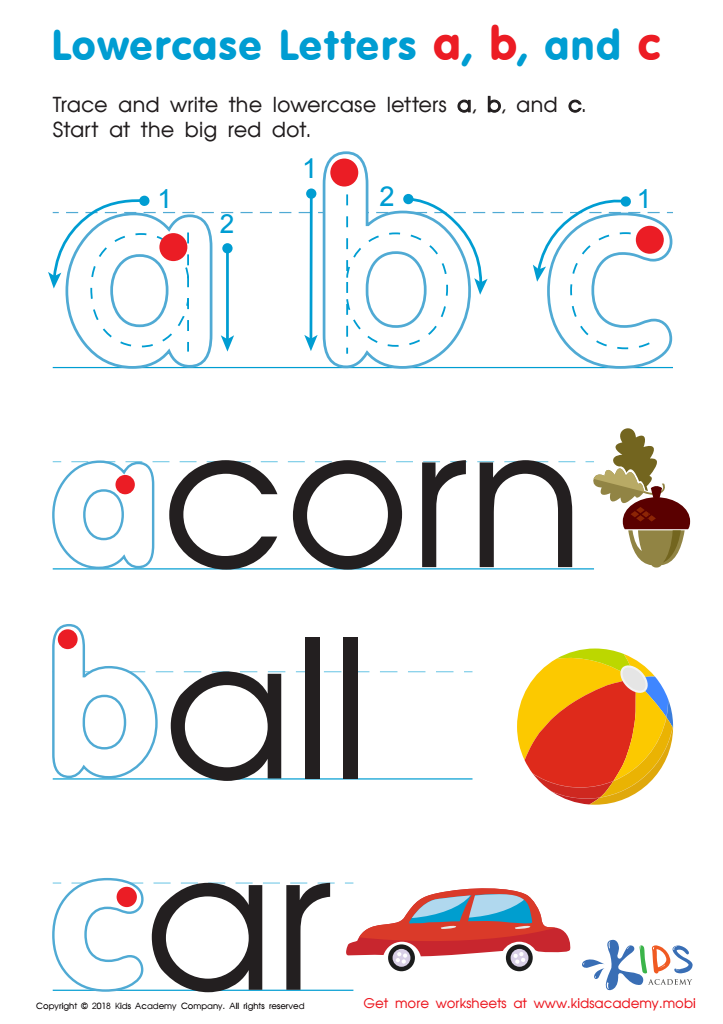
Lowercase Letters a b c Worksheet
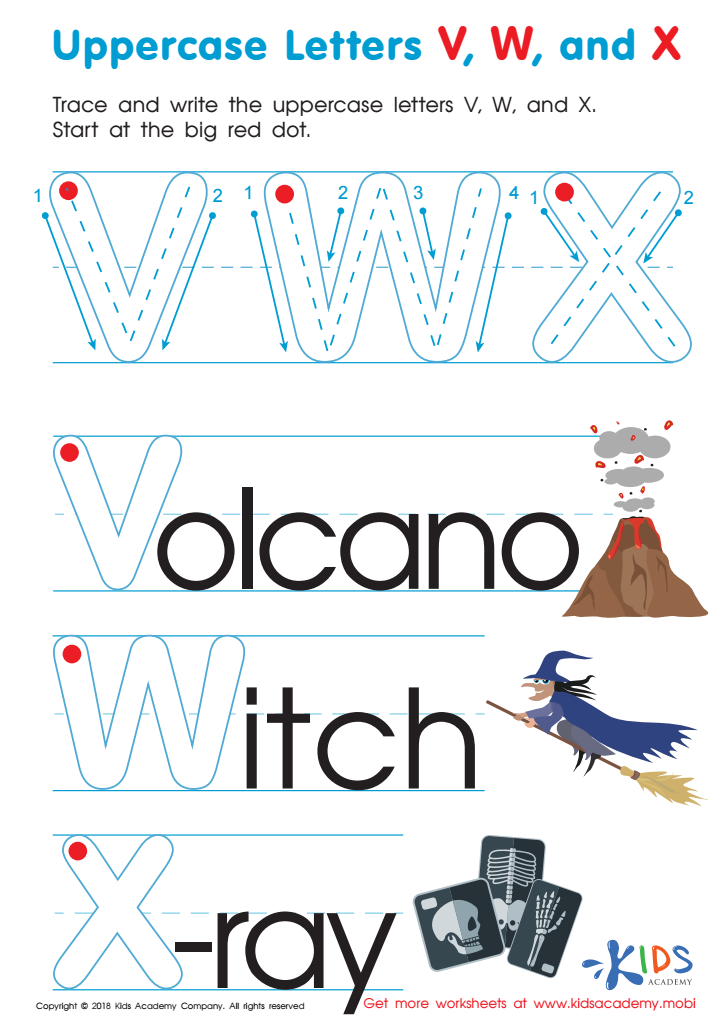
Uppercase Letters V, W, and X Worksheet








Alphabet recognition, specifically normal letter recognition, is crucial for children aged 6-7 as it lays the foundation for reading and writing skills. At this age, children are typically transitioning from preschool to more formal educational settings, and a solid grasp of the alphabet is instrumental in their literacy development. Recognizing both uppercase and lowercase letters enables children to decode words, leading to improved reading fluency and comprehension.
Parents and teachers should care about alphabet recognition because it fosters confidence in young learners. When children can easily identify letters, they feel more competent in their reading abilities, which motivates them to engage with books and written materials. This engagement enhances vocabulary development and encourages a love for learning.
Moreover, normal letter recognition assists in building essential phonemic awareness—the ability to hear, identify, and manipulate sounds in words—which is crucial for spelling and writing proficiency. As children progress in their education, strong foundational skills in letter recognition will facilitate more complex literacy activities, enhancing their overall academic success. By prioritizing and supporting alphabet recognition, parents and teachers can play an active role in cultivating lifelong readers who have the skills to navigate their learning journey effectively.








