Fine motor skills development Normal Letter Recognition Worksheets for Ages 6-7
3 filtered results
-
From - To
Unlock your child's potential with our Fine Motor Skills Development Normal Letter Recognition Worksheets, specially designed for ages 6-7. These engaging worksheets blend letter recognition and fine motor skill development to enhance your child's writing abilities and hand control. Through fun activities, kids will practice identifying letters while improving their dexterity and coordination. Each worksheet offers a variety of interactive exercises that cater to different learning styles, making it easy for children to grasp foundational literacy skills. Empower your little learner with our thoughtfully crafted resources that encourage both academic growth and fine motor development! Perfect for home or classroom use.
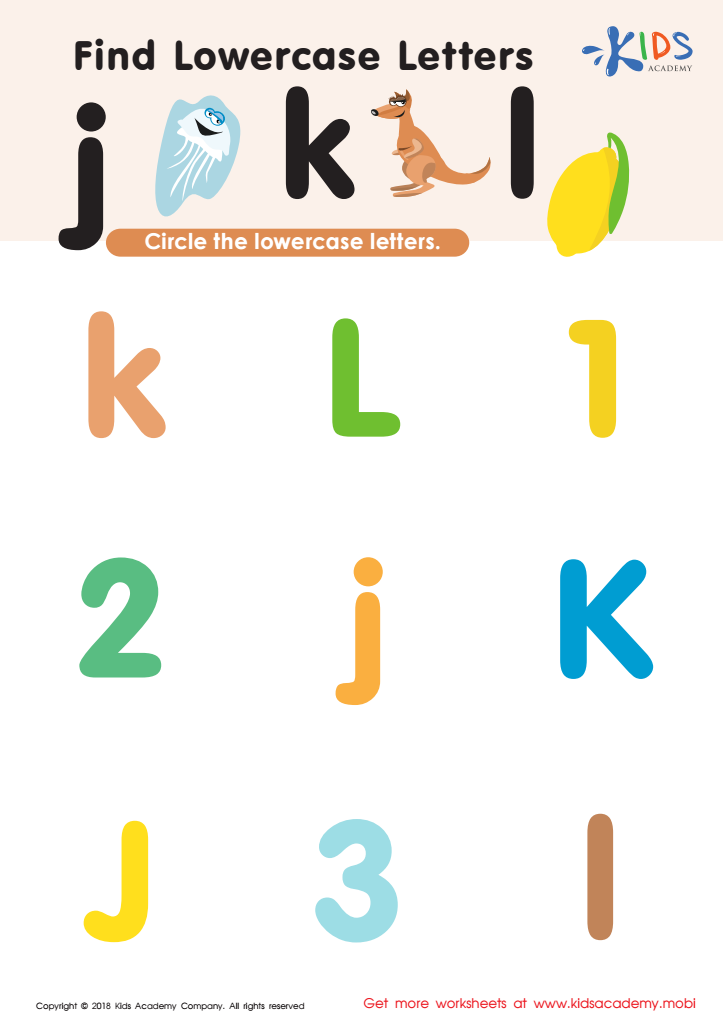
Find Lowercase Letters j k l Worksheet
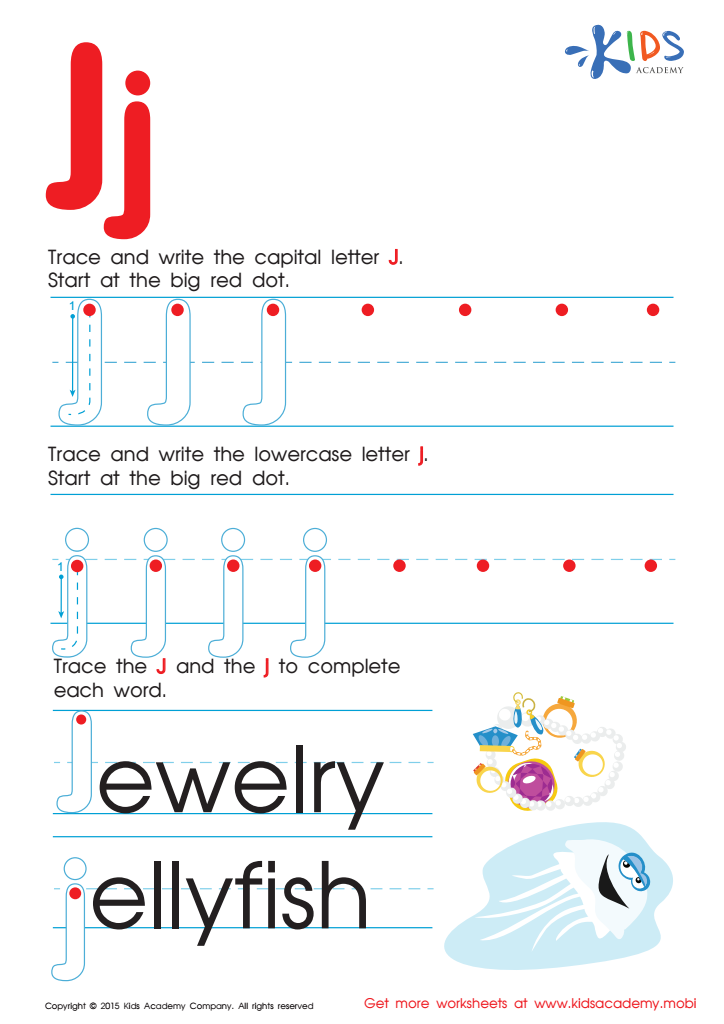
Letter J Tracing Page
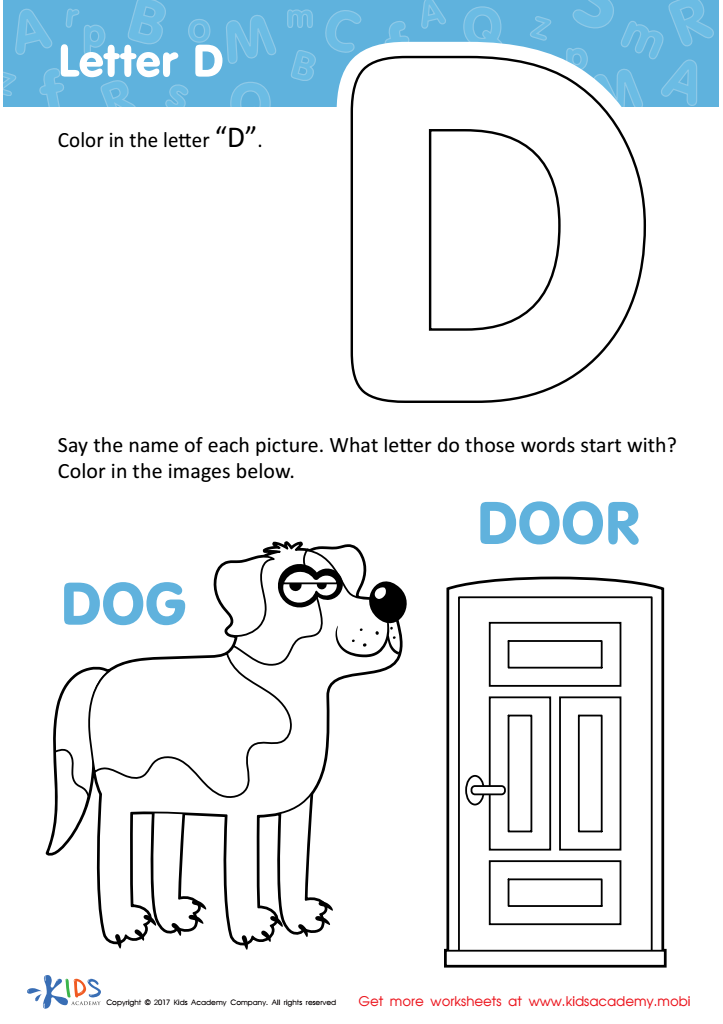
Letter D Coloring Sheet
 Assign to My Students








Fine motor skills and letter recognition are critical components of early childhood development, particularly for children aged 6-7. During this crucial developmental period, children are honing their ability to control small muscle movements, which is essential for tasks such as writing, tying shoelaces, and using utensils. Strong fine motor skills not only aid in handwriting but also boost a child’s confidence and independence in daily activities.
Simultaneously, normal letter recognition is vital for reading and literacy development. At this age, children begin to transition from recognizing letters to understanding how those letters form words. Mastery of letter recognition enhances phonemic awareness, which is crucial for deciphering sounds and building vocabulary.
Parents and teachers should be invested in these areas as they directly impact academic success and self-esteem. Engaging children with fun activities that promote fine motor skills—like crafts, puzzles, or simple cooking tasks—combined with playful reading sessions, creates a well-rounded learning environment. When children develop these foundational skills, they are better prepared to excel in reading and writing, setting them on a path toward a lifelong love for learning. Support from parents and teachers in these areas can lead to more significant achievements in school and beyond.








