Vocabulary expansion Normal Letter Recognition Worksheets for Ages 6-7
3 filtered results
-
From - To
Discover engaging Vocabulary Expansion Normal Letter Recognition Worksheets designed specifically for children aged 6-7. These interactive resources help young learners develop essential reading skills by expanding their vocabulary while mastering letter recognition. Each worksheet is thoughtfully crafted to make learning enjoyable, featuring colorful illustrations and hands-on activities that reinforce letter sounds and word associations. Ideal for classroom use or home practice, these worksheets cater to diverse learning styles, encouraging kids to explore language in a fun and meaningful way. Boost your child's literacy confidence and build a strong foundation for future reading success with our enjoyable and effective letter recognition activities.
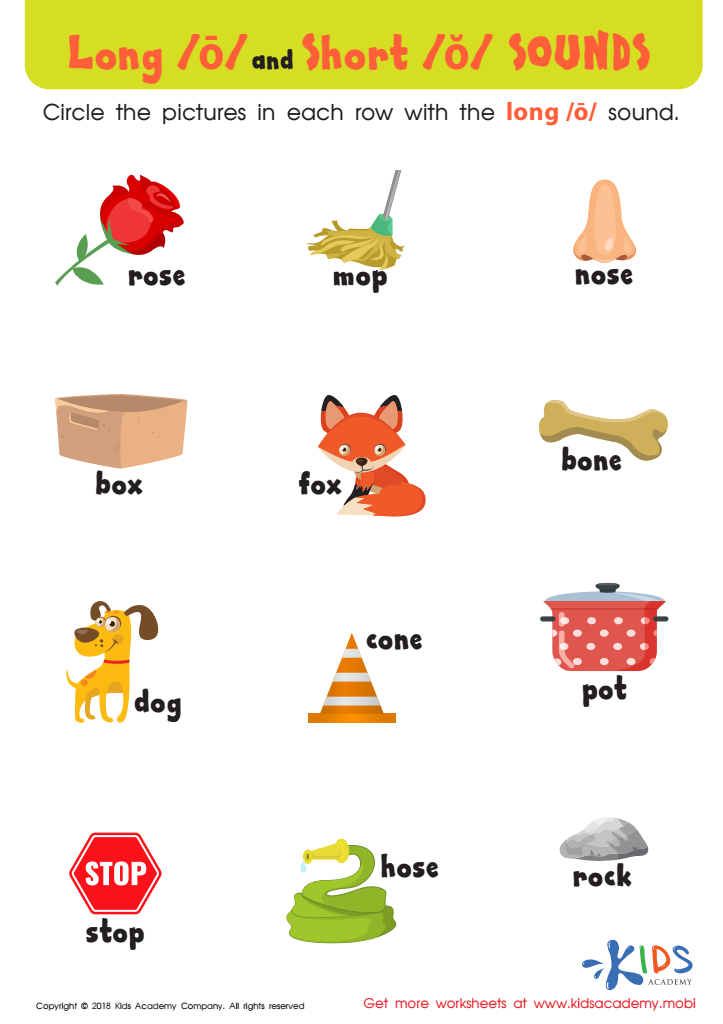
Reading: Long O and Short O Sounds Worksheet
 Assign to My Students

Short Vowels /e/, /i/, and /u/ Worksheet
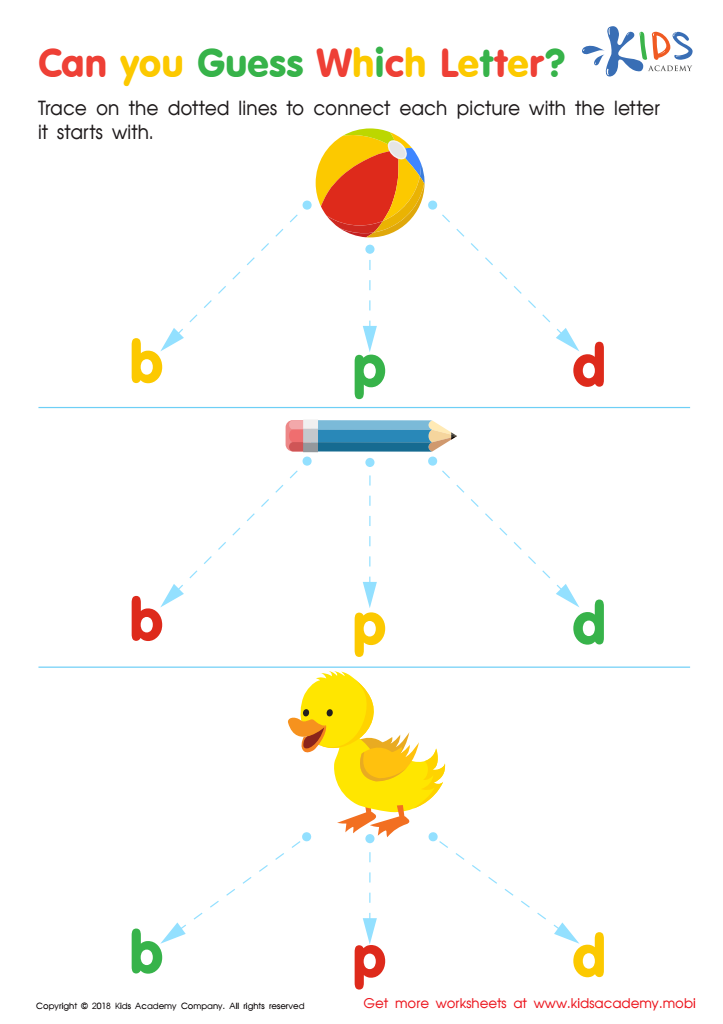
Can you Guess Which Letter? Worksheet








Vocabulary expansion and normal letter recognition are crucial for children aged 6-7, as these skills lay the foundation for their reading and comprehension abilities. At this developmental stage, children begin to connect letters with sounds and words, facilitating their ability to decode text and understand language. A rich vocabulary enhances their capacity to express thoughts, ask questions, and engage in conversations, ultimately boosting their confidence and communication skills.
Teachers and parents should prioritize vocabulary expansion because it fosters cognitive development. It helps children make connections between words and their meanings, enhancing critical thinking and problem-solving skills. Moreover, a well-developed vocabulary enables students to comprehend various subjects, which is vital for their academic success.
Normal letter recognition is equally important as it supports early literacy development. Recognizing letters and their sounds allows children to approach reading with ease, cultivates a love for books, and encourages lifelong learning. Inadequate vocabulary and letter recognition can hinder a child's ability to participate fully in their classroom, leading to frustration and disengagement.
Therefore, fostering these skills through engaging and interactive activities should be a priority, helping children develop a strong literacy foundation that will serve them throughout their educational journey.








