Writing practice Normal Letter Recognition Worksheets for Ages 6-7
6 filtered results
-
From - To
Enhance your child's literacy skills with our engaging Writing Practice Normal Letter Recognition Worksheets designed for ages 6-7. These worksheets focus on helping young learners identify and write both uppercase and lowercase letters. Packed with fun activities, kids will love tracing, writing, and performing letter recognition tasks that boost their confidence and reinforce their understanding of the alphabet. Perfect for homeschoolers or classroom use, our resources encourage children to develop fine motor skills while fostering a love for writing. Download our thoughtfully crafted worksheets and watch your little ones excel in their reading and writing journey!
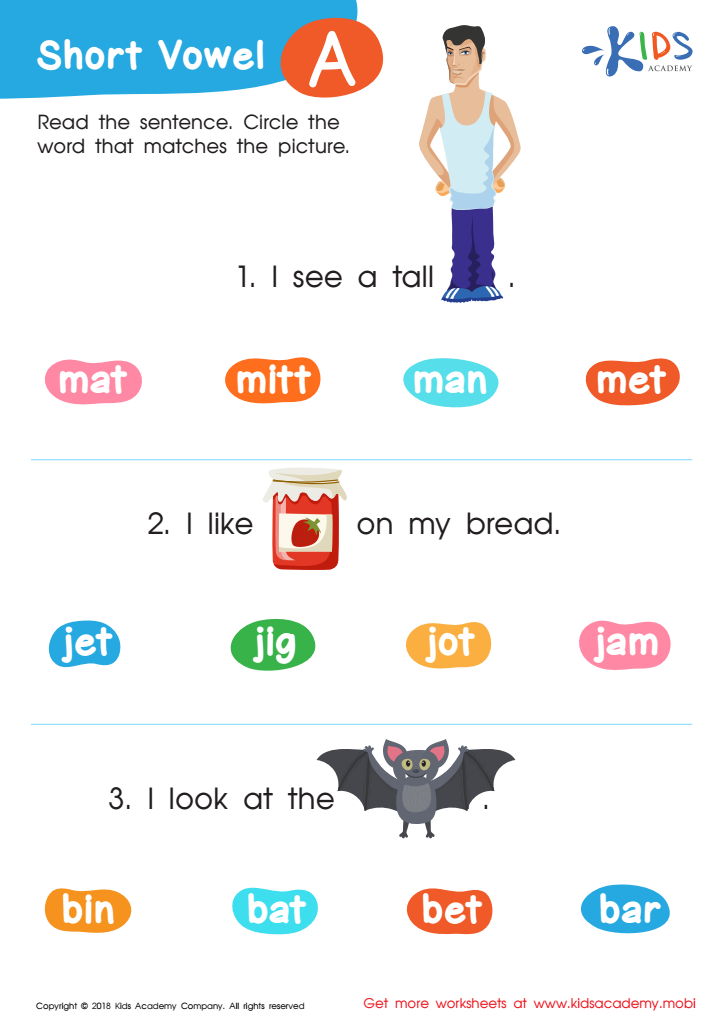
Short Vowel /a/ Worksheet
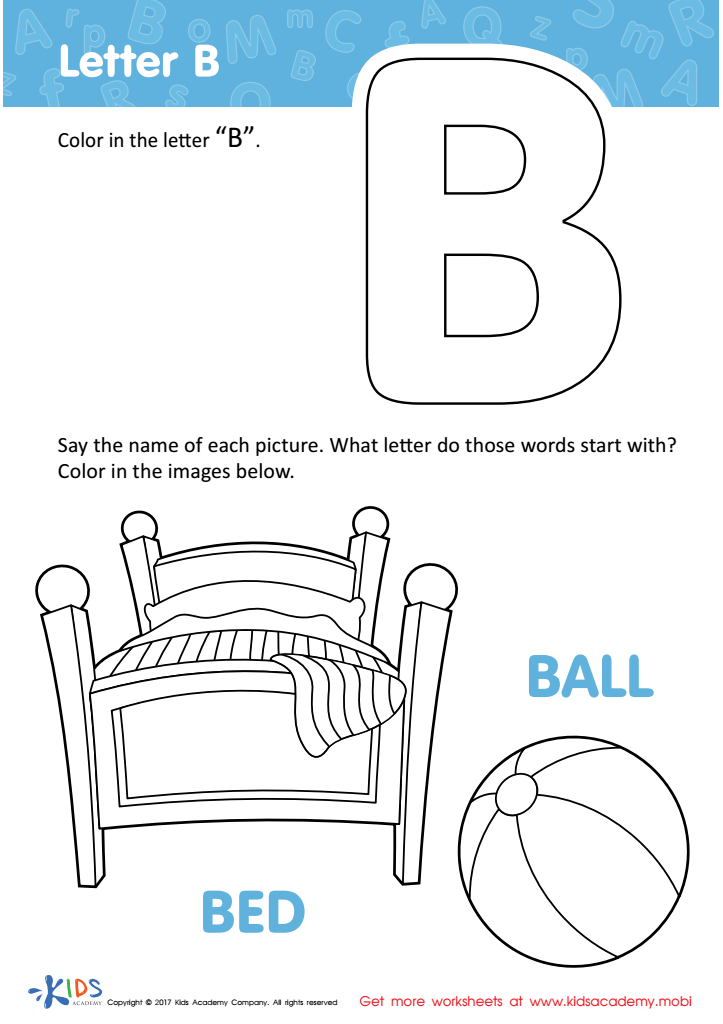
Letter B Coloring Sheet
 Assign to My Students
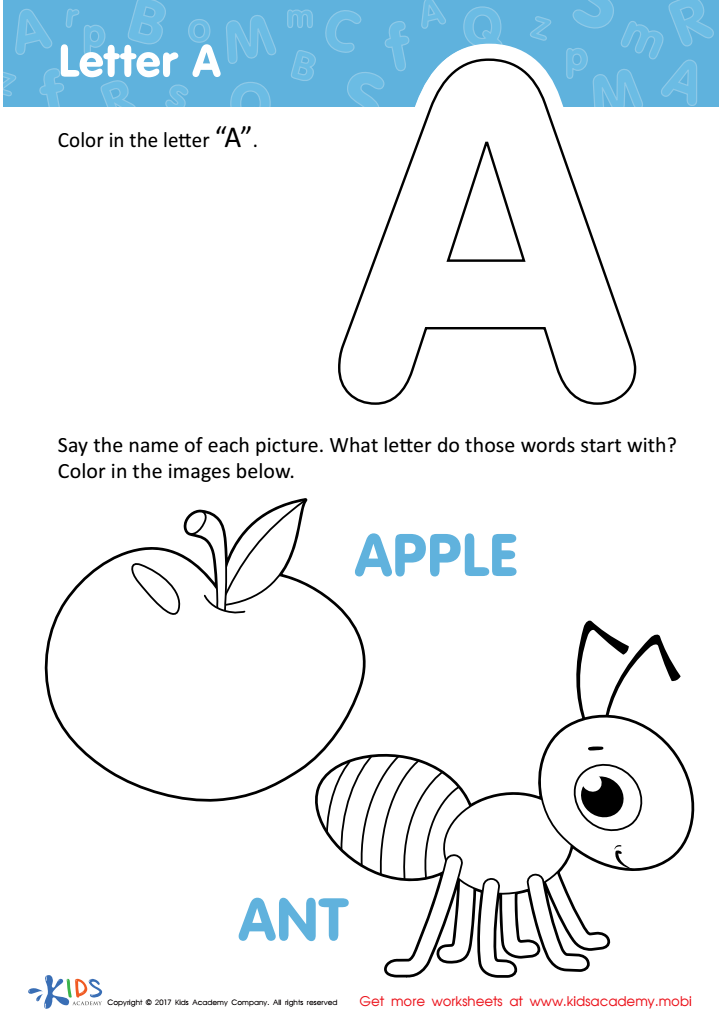
Letter A Coloring Sheet
Assign to My Students
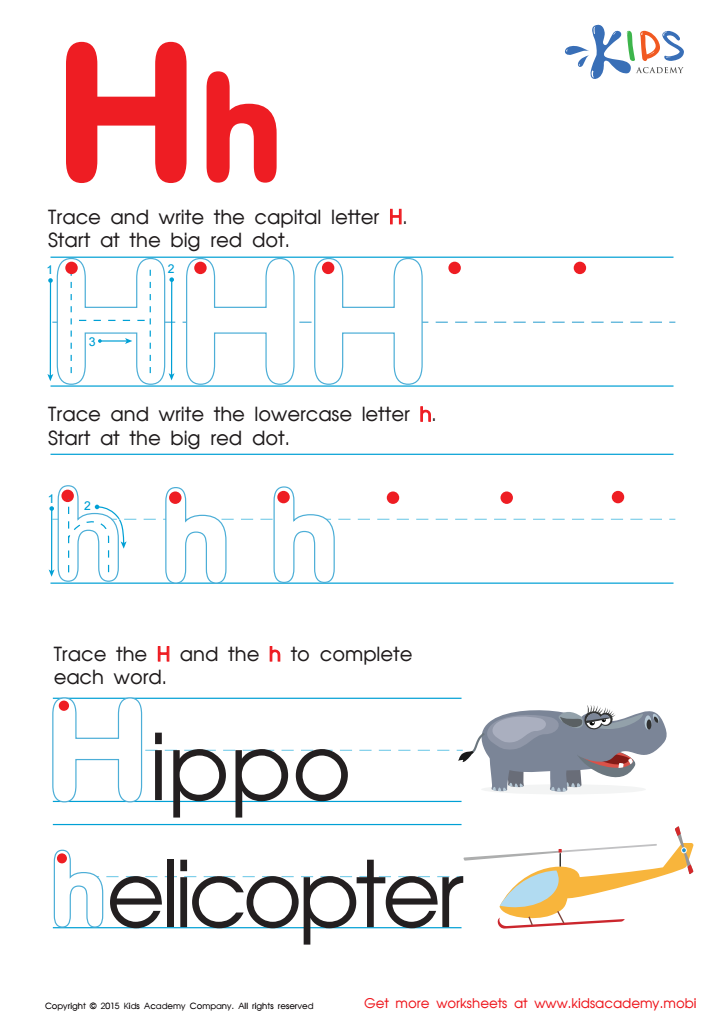
Letter H Tracing Page
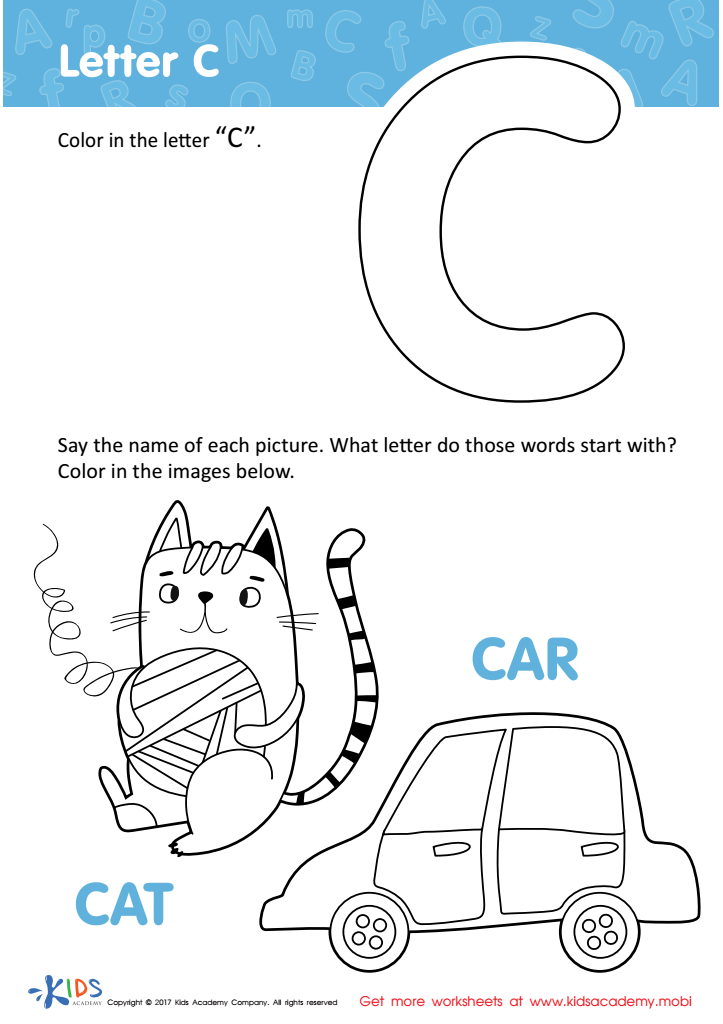
Letter C Coloring Sheet
Assign to My Students
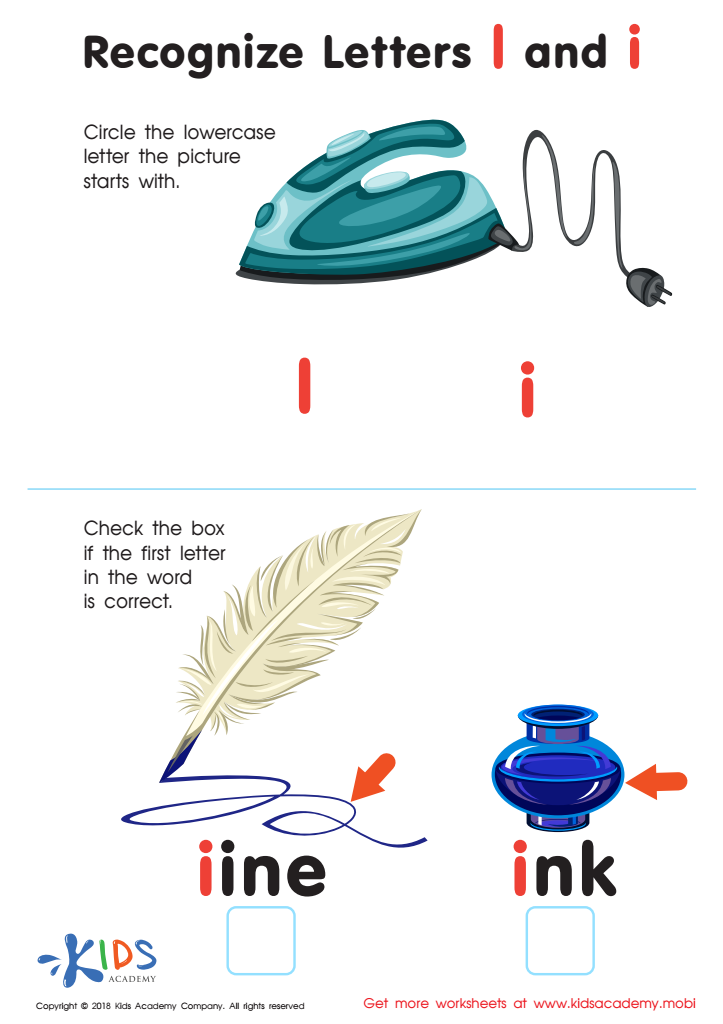
Recognize Letters l and i Worksheet








Writing practice and normal letter recognition are crucial for children aged 6-7 as they form the foundations of literacy. At this stage, children begin to develop essential reading and writing skills, which are integral to their overall academic success. Engaging in writing practice helps enhance fine motor skills, hand-eye coordination, and spatial awareness. It encourages children to express their thoughts and ideas clearly, fostering creativity and critical thinking.
Letter recognition is equally important at this age since it allows children to identify and differentiate between letters, aiding in the decoding of words during reading. Parents and teachers play a significant role in supporting this development through structured activities and playful learning environments, making the process enjoyable and effective. By ensuring children can recognize letters, they become more confident in their reading abilities, which promotes a love for books and learning.
Moreover, early writing skills contribute to better performance in other subjects as children progress in their education. When parents and teachers prioritize writing practice and letter recognition, they are not only enhancing a child’s literacy skills but also equipping them for a brighter academic future and setting the groundwork for lifelong learning.








