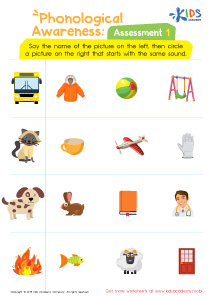
Spelling practice Normal Two Letter Phonics Worksheets for Ages 6-7
7 filtered results
-
From - To
Unlock the joy of learning with our Spelling Practice Normal Two Letter Phonics Worksheets designed specifically for ages 6-7. These engaging worksheets focus on phonemic awareness, helping young learners develop essential spelling skills through fun exercises that promote understanding of two-letter sounds. Perfect for reinforcing classroom learning or at-home practice, each worksheet encourages children to explore letter combinations in a friendly and stimulating way. Enjoy interactive activities that enhance vocabulary while building confidence in reading and spelling. Equip your child with the foundational skills they need to succeed in language arts, and watch their progress soar with these delightful phonics worksheets!
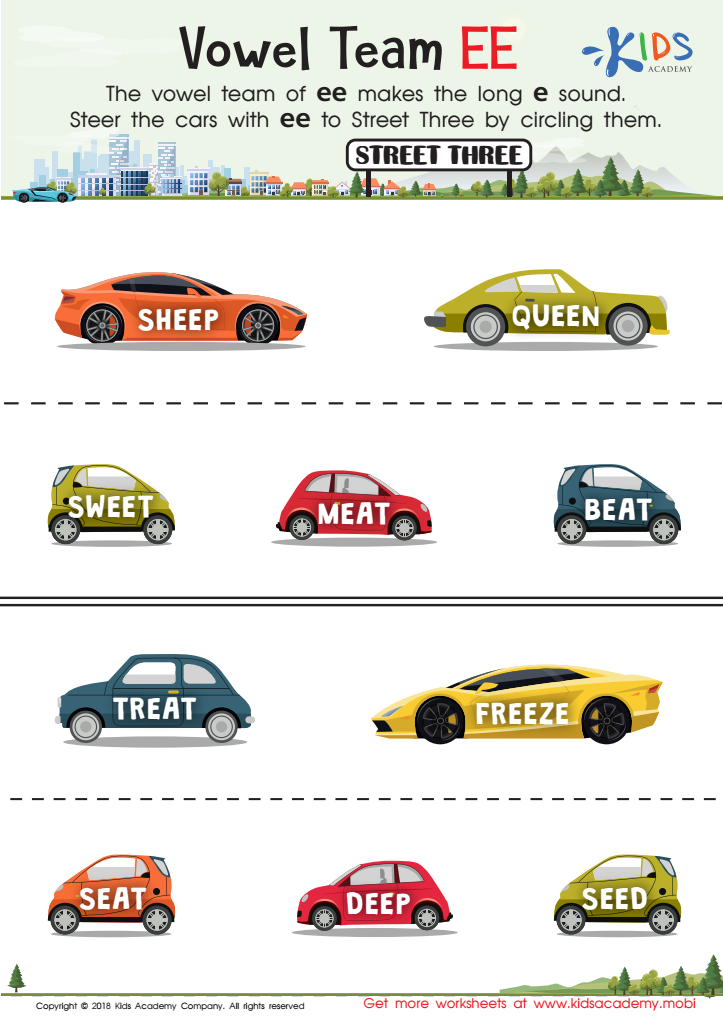
Vowel team ee Worksheet
 Assign to My Students
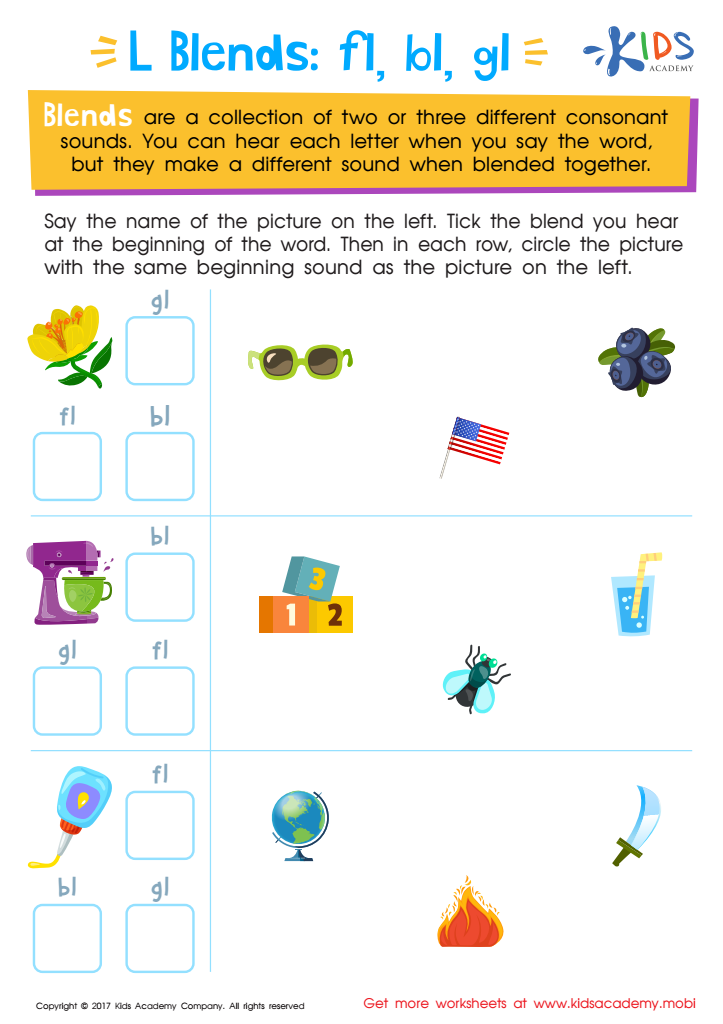
Blending Consonants: "Fl", "Bl" and "Gl" Printable
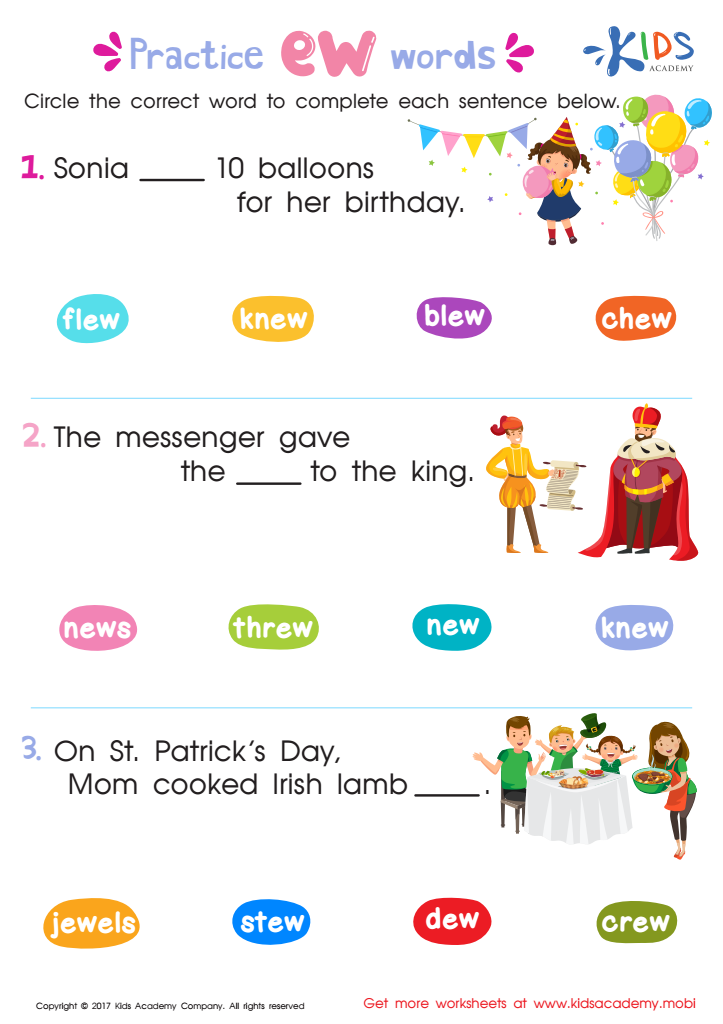
EW Words Worksheet
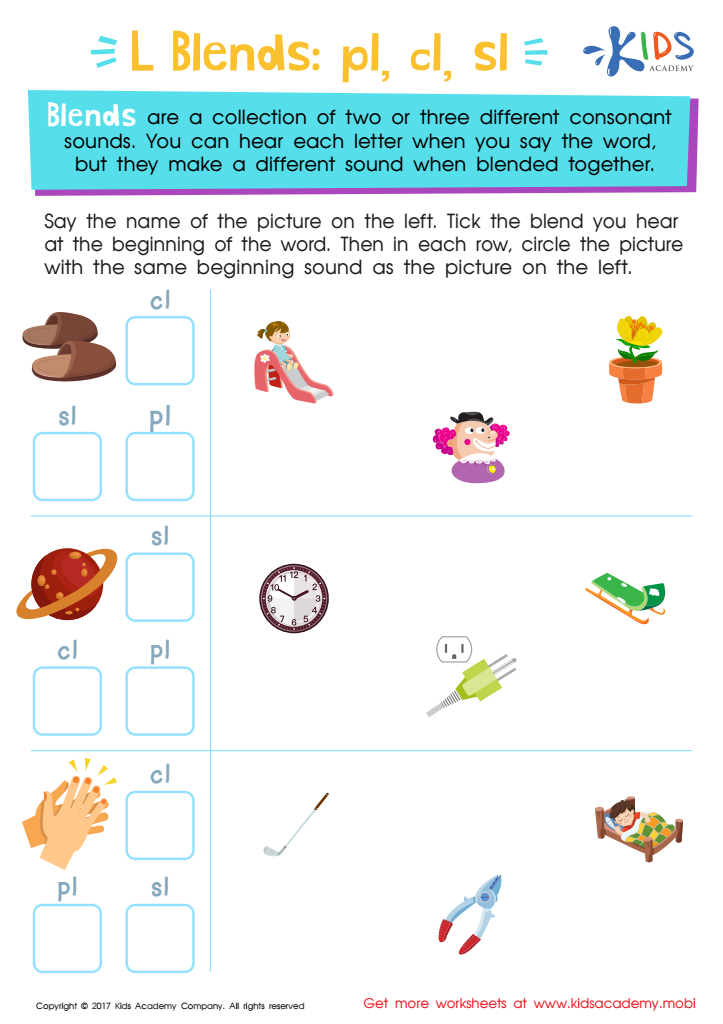
L Blends: "Pl", "Cl" and "Sl" Printable
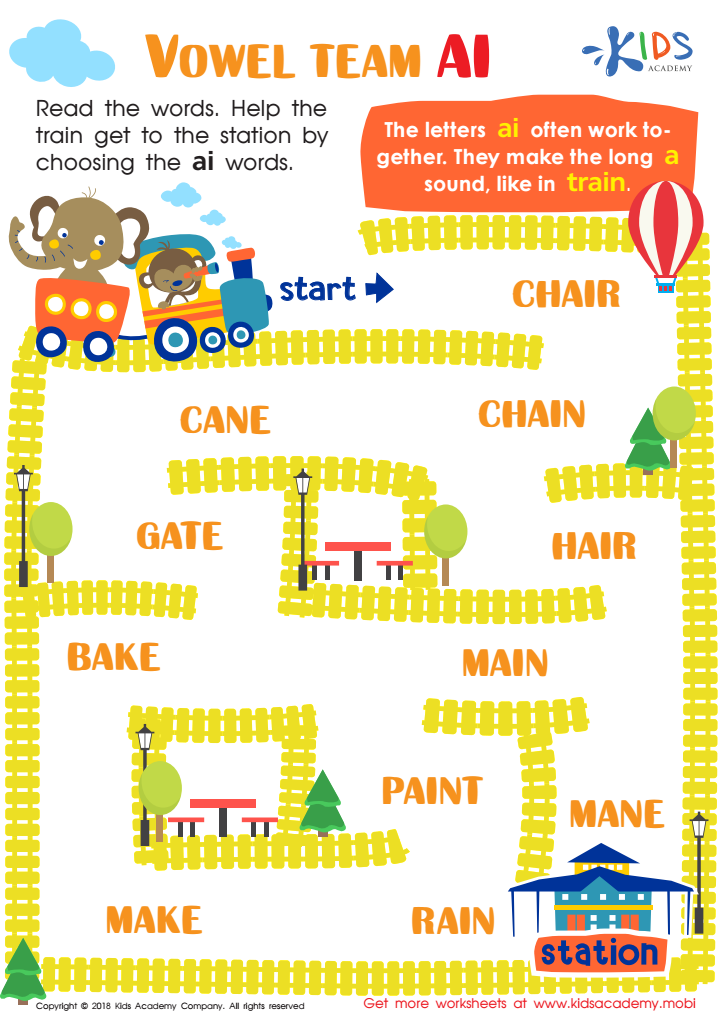
Vowel team ai Worksheet
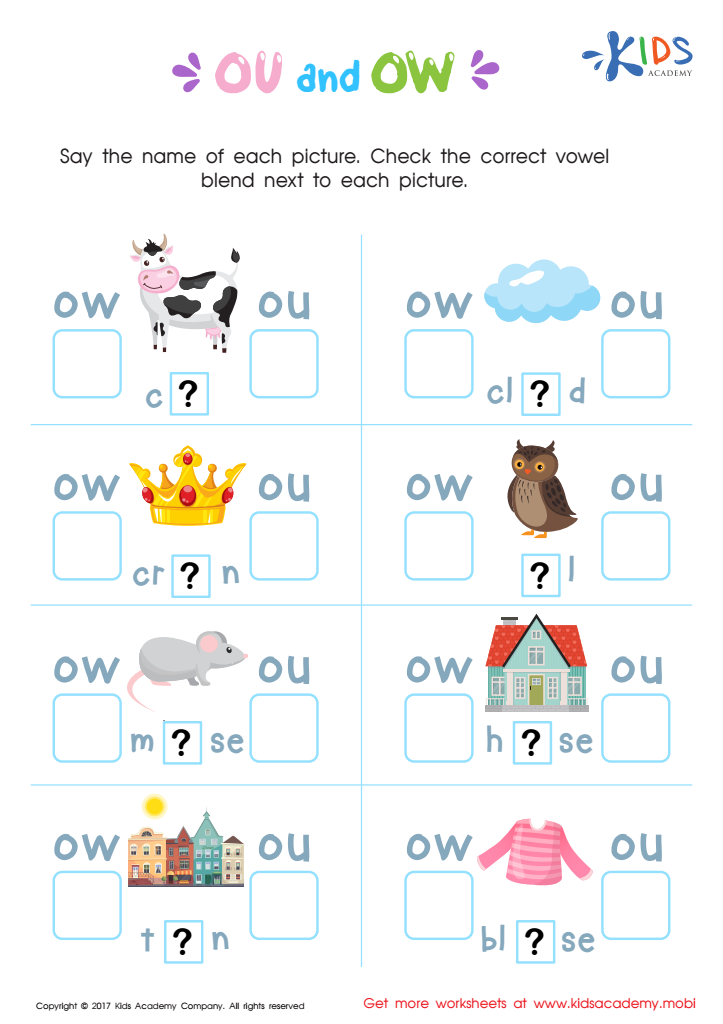
OU and OW Words Worksheet
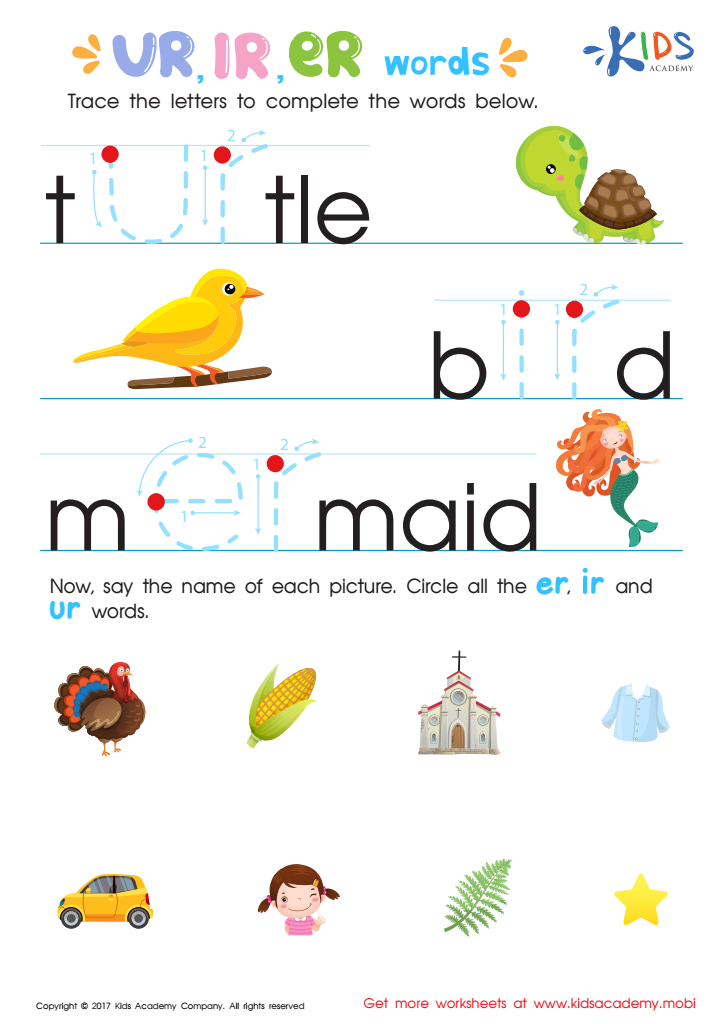
IR UR ER Words Worksheet



Spelling practice, particularly focused on Normal Two Letter Phonics, is crucial for children ages 6-7 as it lays the foundation for their literacy development. At this age, children are beginning to decode words and understand the relationship between letters and sounds. Mastering two-letter phonics helps them recognize common phonetic patterns, enhancing their reading abilities.
Additionally, spelling practice boosts a child's confidence in their writing skills. As they learn to spell simple words accurately, they become more willing to express themselves through writing, fostering creativity and communication skills. Engaging with two-letter phonics also aids memory and cognitive development, strengthening neural connections that support language acquisition.
Furthermore, parents and teachers play a vital role in instilling a love for learning. Incorporating fun and interactive spelling practices can transform what may seem like a mundane task into an enjoyable experience, encouraging children to take ownership of their learning.
By investing time in phonics spelling exercises, educators and parents are not only helping children succeed academically but also nurturing essential skills that will serve them throughout their educational journey and beyond. This early commitment can lead to better literacy outcomes and a lifelong passion for reading and writing.