Fine motor skills development Normal Upper & Lowercase Letters Worksheets for Ages 6-7
3 filtered results
-
From - To
Boost your child's writing confidence and fine motor skills with our "Fine Motor Skills Development: Normal Upper & Lowercase Letters Worksheets for Ages 6-7." These expertly crafted worksheets provide engaging activities designed to fortify crucial hand-eye coordination, pencil grip, and muscle control. Perfect for both classroom and at-home learning, each worksheet offers clear, step-by-step guidelines that gradually introduce and reinforce proper letter formation. Watch as your six- to seven-year-old masters writing both uppercase and lowercase letters through an enjoyable and effective practice approach. Equip young learners with the essential skills for writing success today!
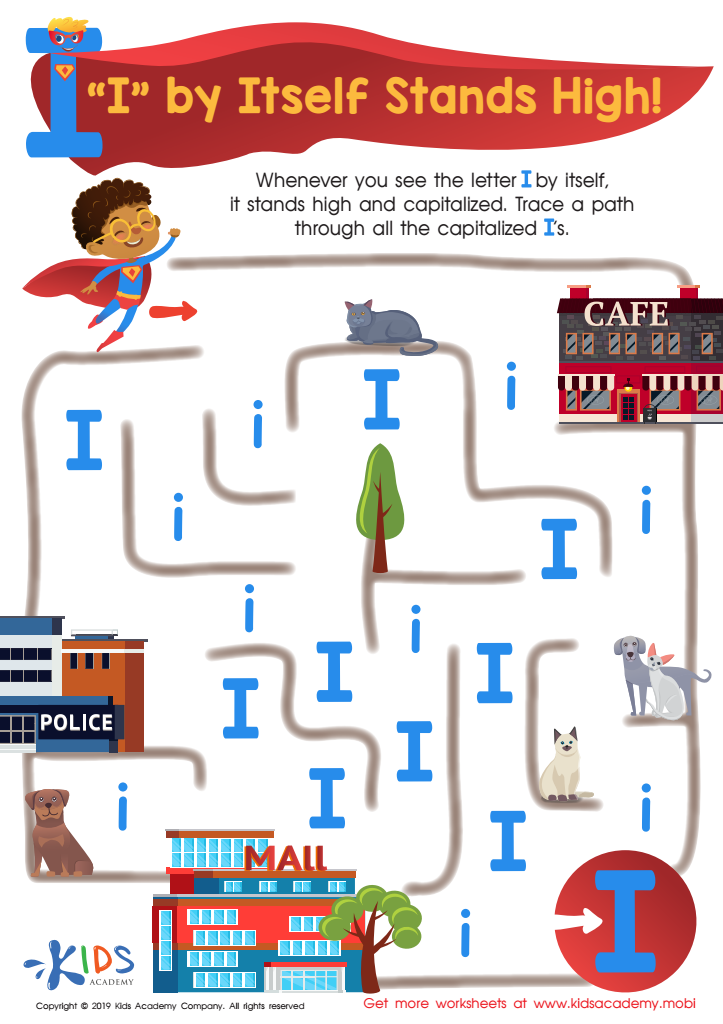
I Stands High Worksheet
 Assign to My Students


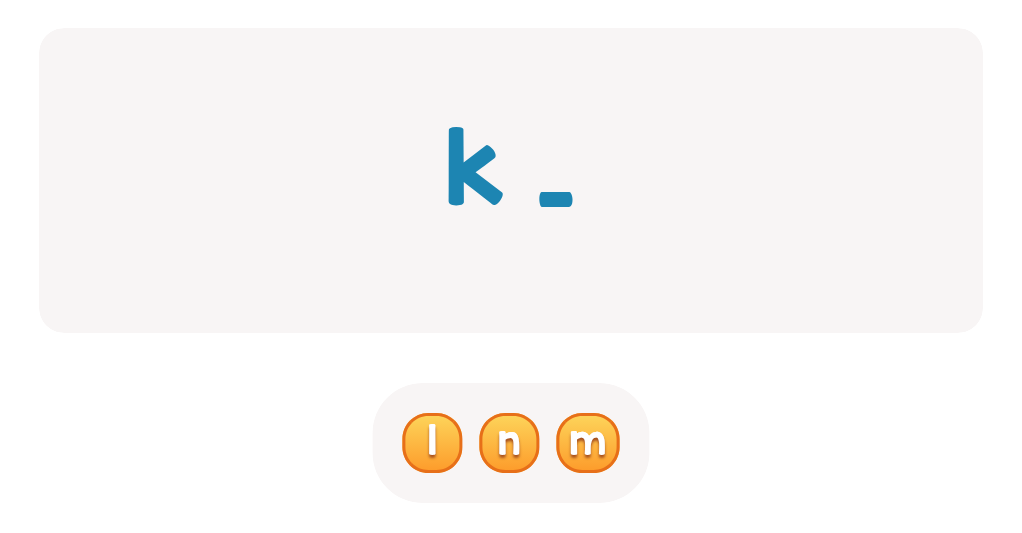

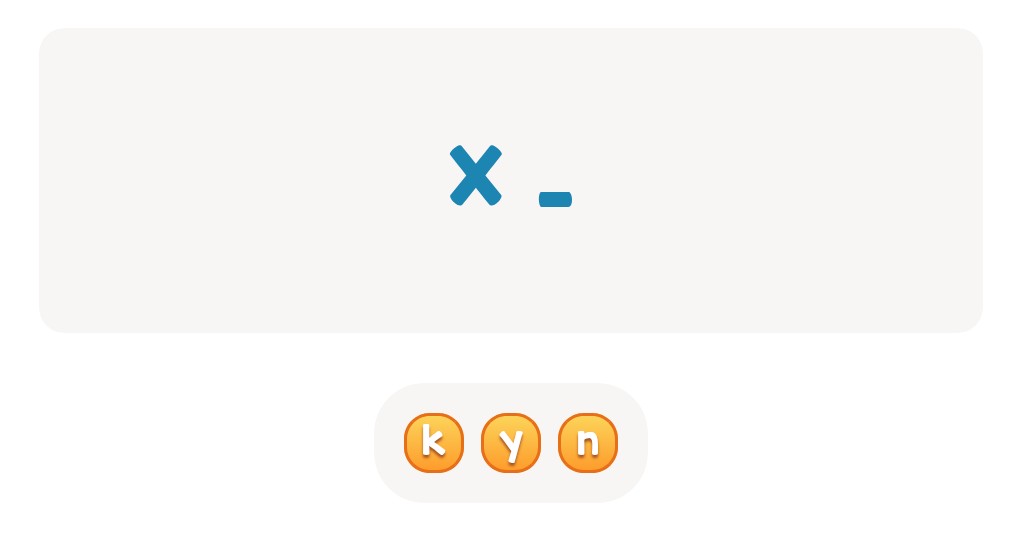
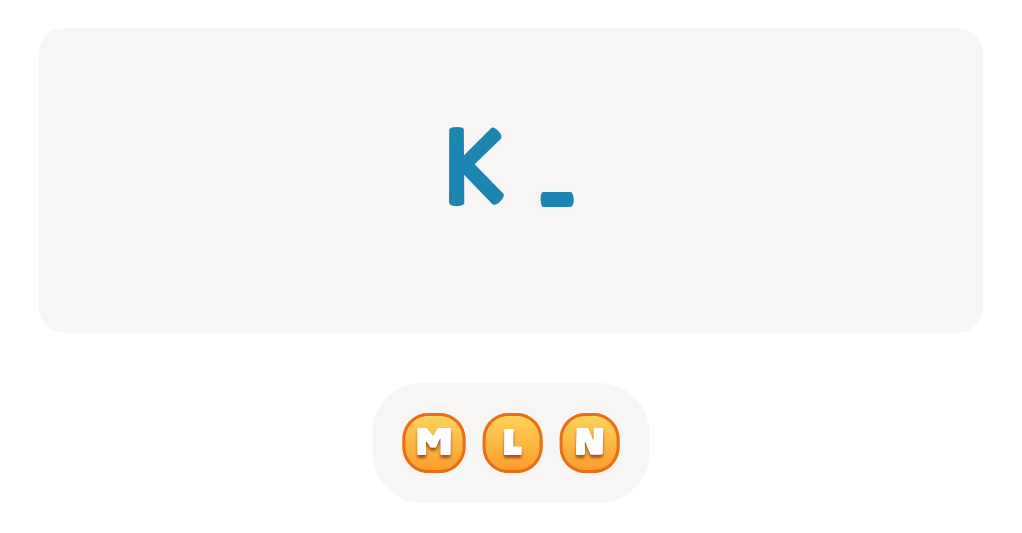


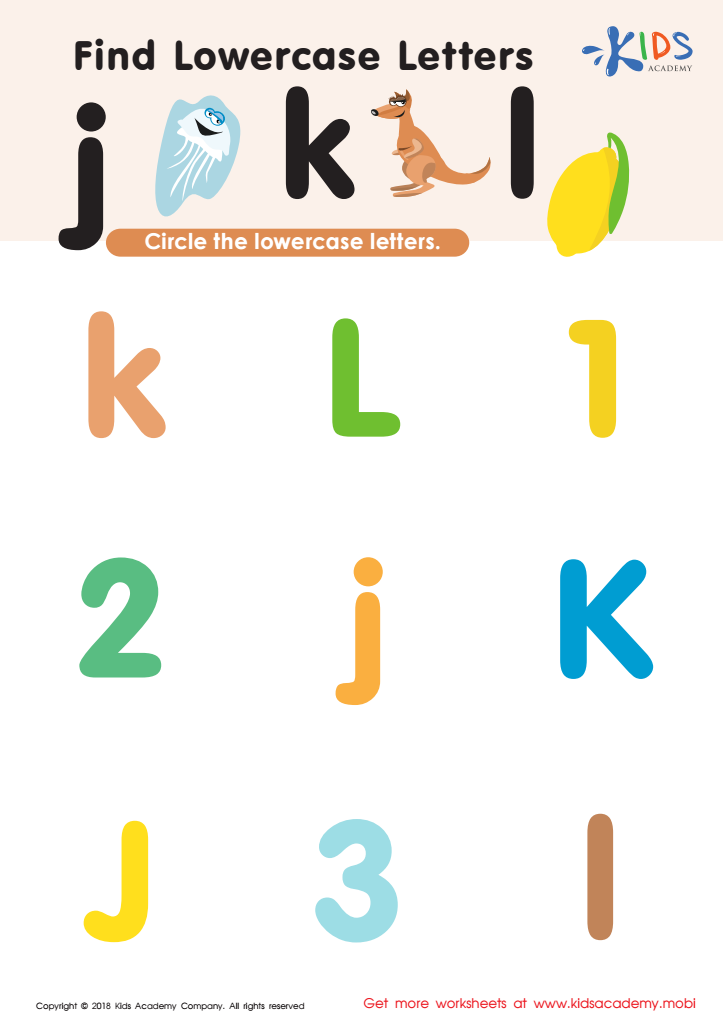
Find Lowercase Letters j k l Worksheet
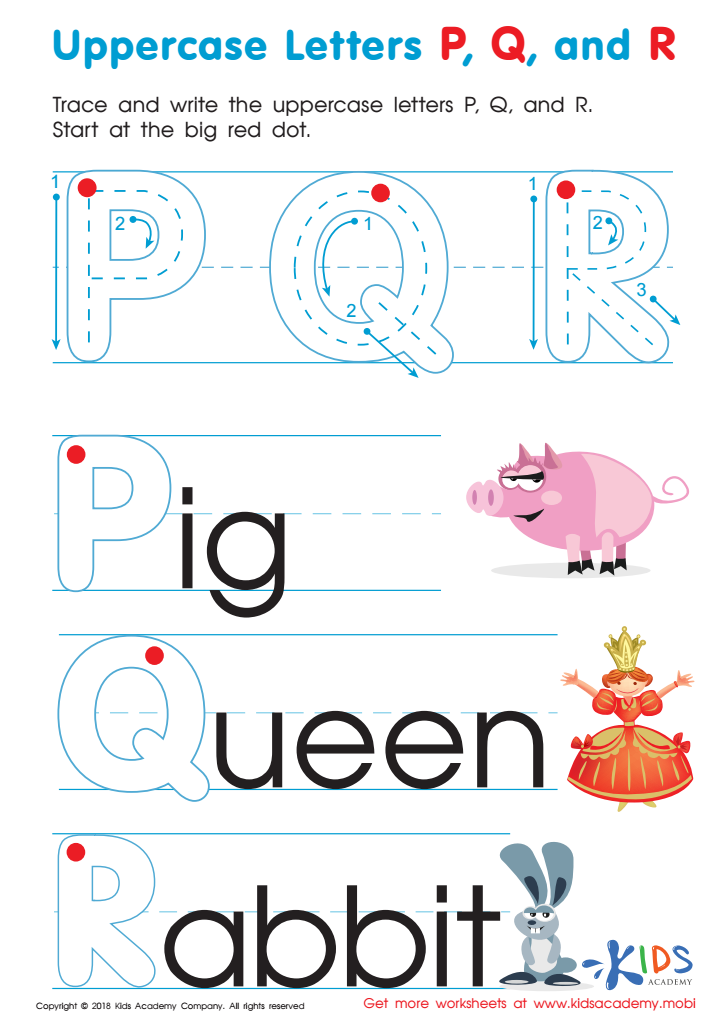
Uppercase Letters P, Q, and R Worksheet






Fine motor skills development and the ability to write normal upper and lowercase letters are critical at ages 6-7 because these foundational skills are directly linked to academic success and overall cognitive development. At this stage, children are transitioning from preschool to more structured classroom environments. Developing fine motor skills—coordinated hand and finger movements—is essential for tasks such as writing, cutting with scissors, and manipulating small objects.
Writing legible letters, both upper and lowercase, forms the basis of literacy. Children who can clearly differentiate and produce letters are better equipped to engage in reading, spelling, and written expression, which are fundamental aspects of the curriculum. Mastery in writing also boosts children’s confidence and self-esteem, making them more eager to participate and take risks in academic activities.
Furthermore, these skills translate to other areas of life, such as buttoning clothing, tying shoelaces, and other everyday activities, fostering independence. Teachers and parents play pivotal roles by providing appropriate tools, guidance, and practice opportunities. Simple activities like using playdough, and playing with small building blocks can enhance fine motor development. Thus, focusing on fine motor skills and proper letter formation supports children’s overall growth, setting a positive trajectory for their educational journey and personal development.







