Alphabet Recognition Normal English for Beginners Worksheets for Ages 6-7
19 filtered results
-
From - To
Welcome to our "Alphabet Recognition Normal English Worksheets" designed specifically for beginners aged 6-7! These engaging worksheets provide young learners with essential practice in identifying and recognizing letters. Our activities are crafted to enhance alphabet awareness through fun exercises, including tracing, matching, and coloring. Perfect for ESL students, these worksheets foster an exciting learning environment, encouraging children to build foundational literacy skills. With a variety of interactive tasks, children will develop confidence and proficiency in recognizing both uppercase and lowercase letters. Get started on this educational journey and watch your child's reading skills soar! Discover more tools and resources today!
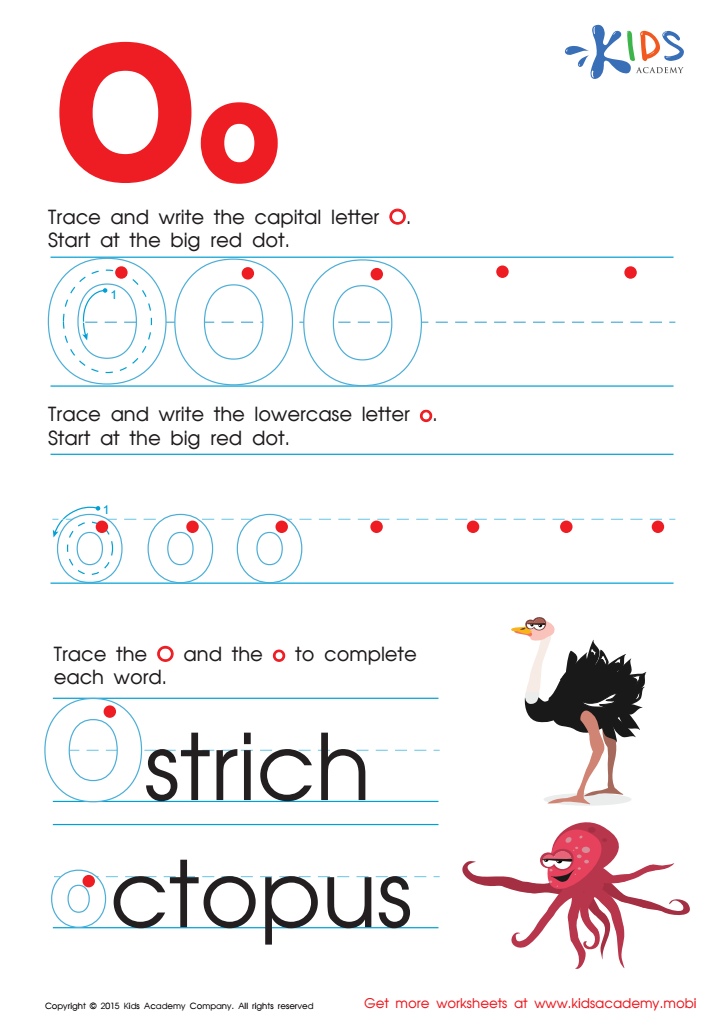
Letter O Tracing Page
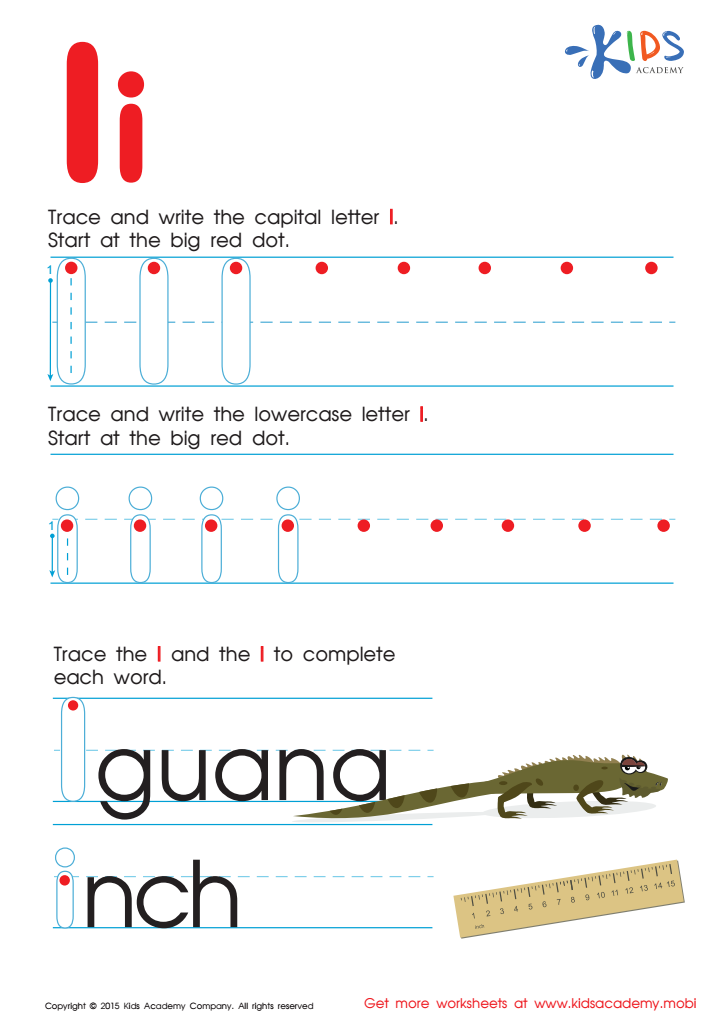
Letter I Tracing Page
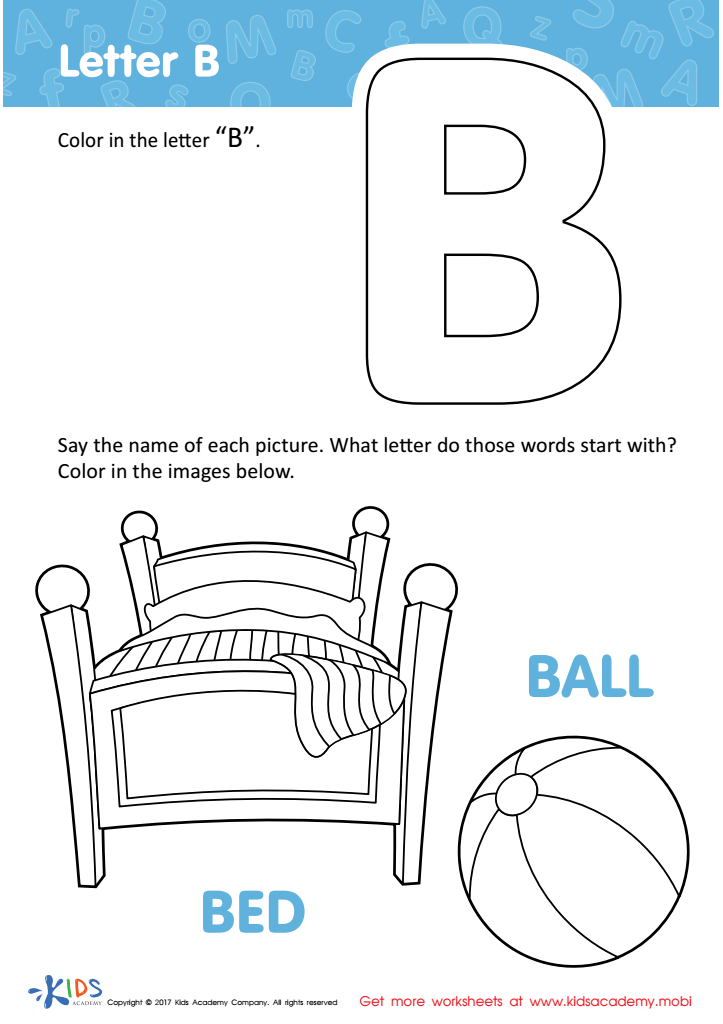
Letter B Coloring Sheet
 Assign to My Students
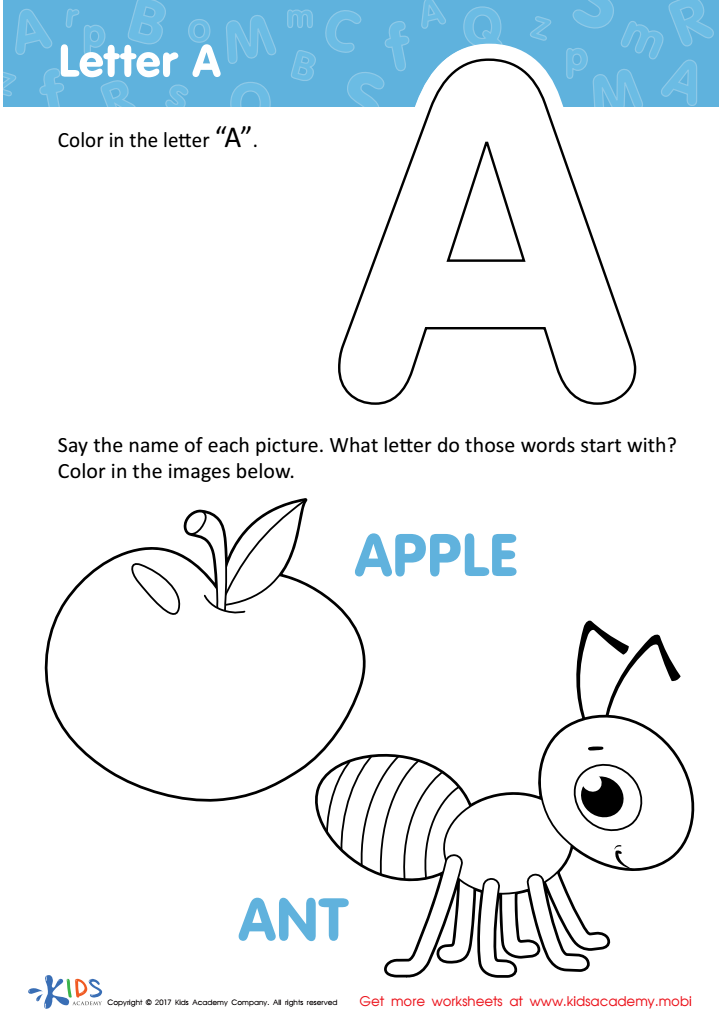
Letter A Coloring Sheet
Assign to My Students
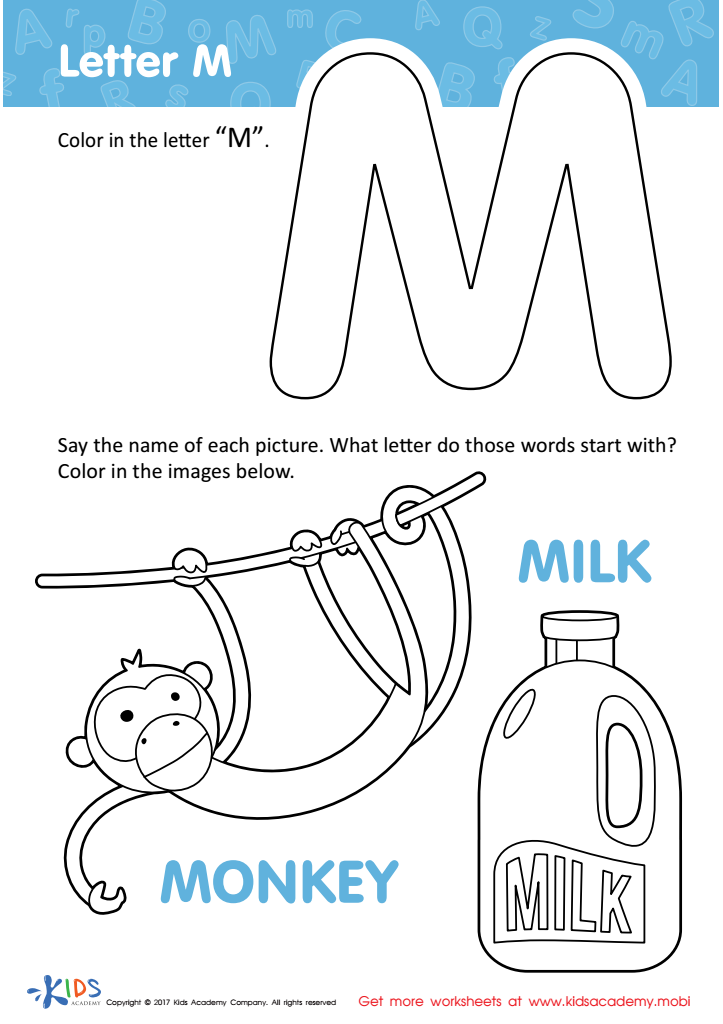
Letter M Coloring Sheet
Assign to My Students
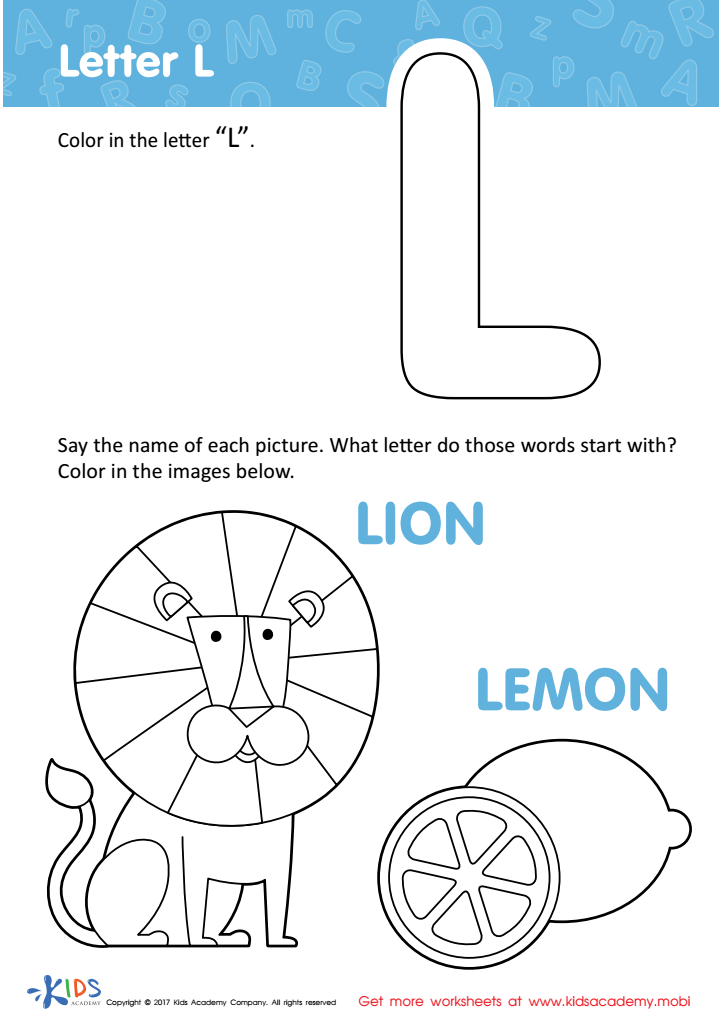
Letter L Coloring Sheet
Assign to My Students

Letter C Tracing Page
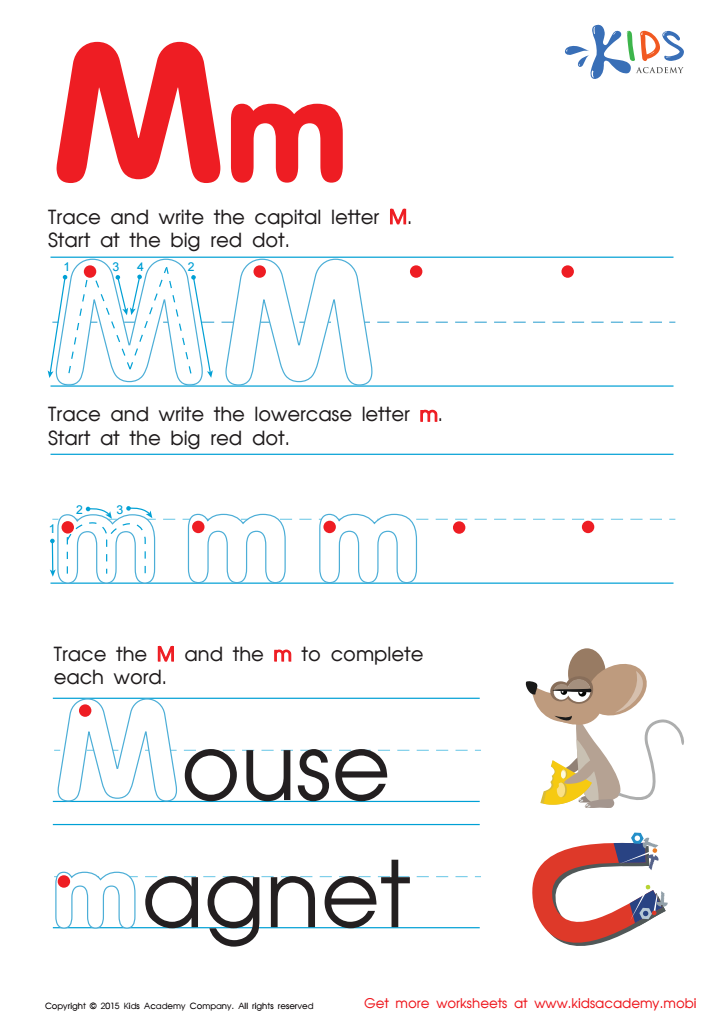
Letter M Tracing Page
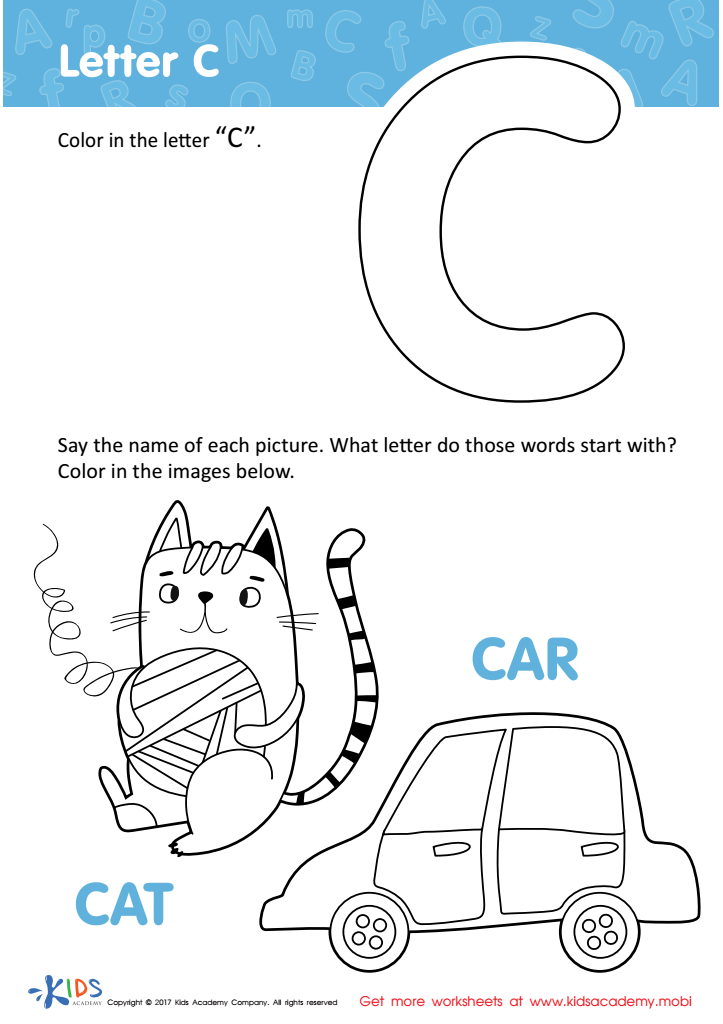
Letter C Coloring Sheet
Assign to My Students
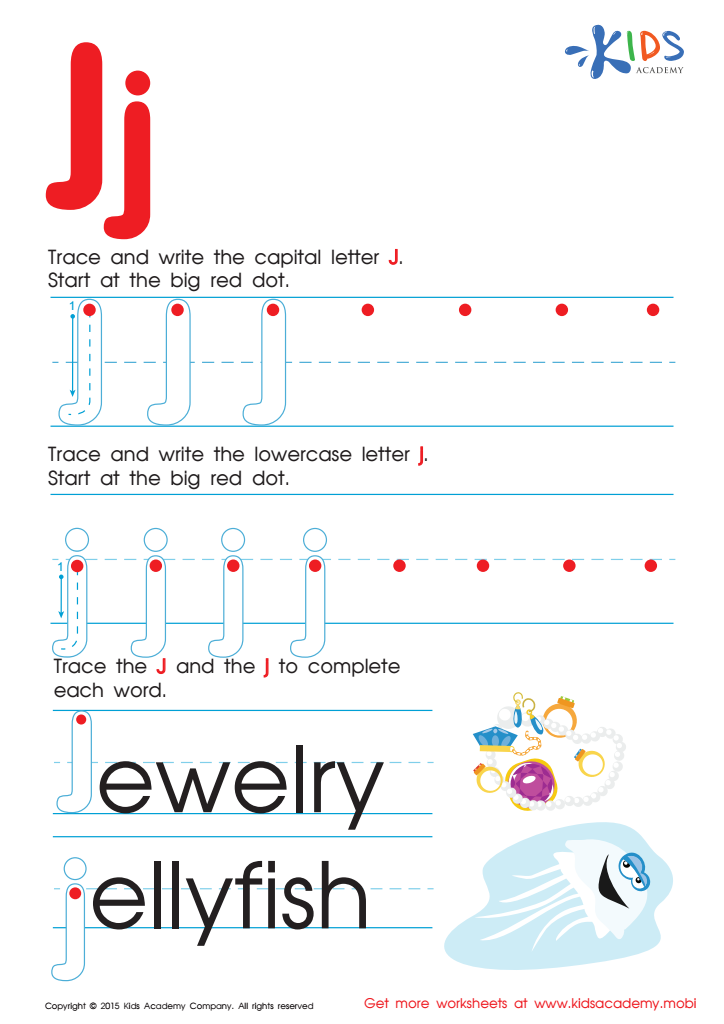
Letter J Tracing Page
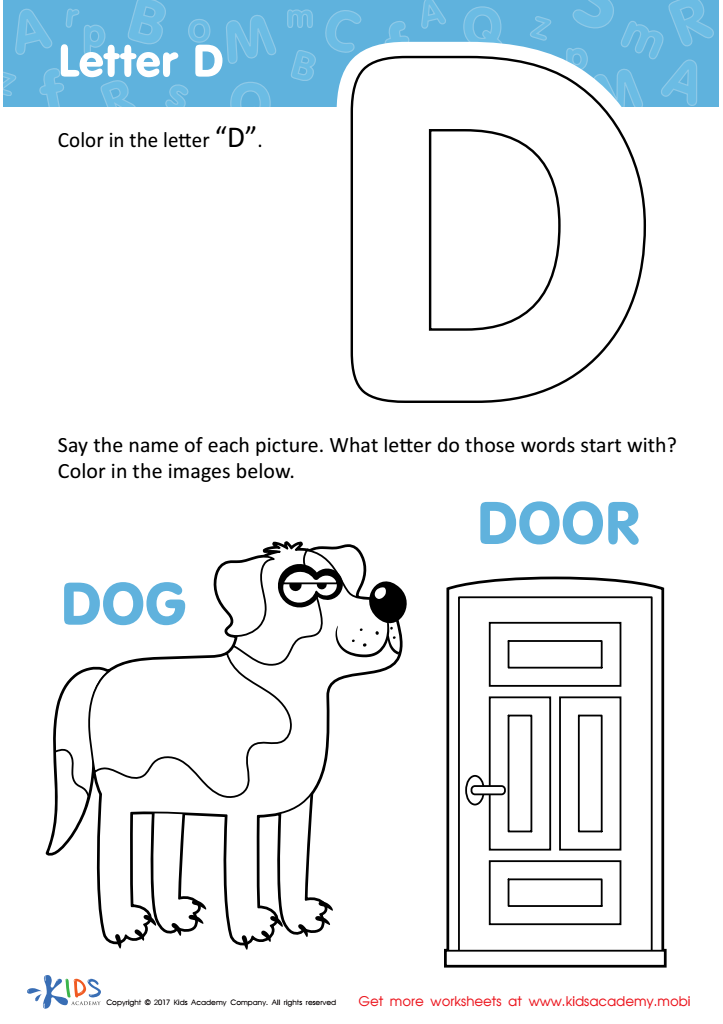
Letter D Coloring Sheet
Assign to My Students
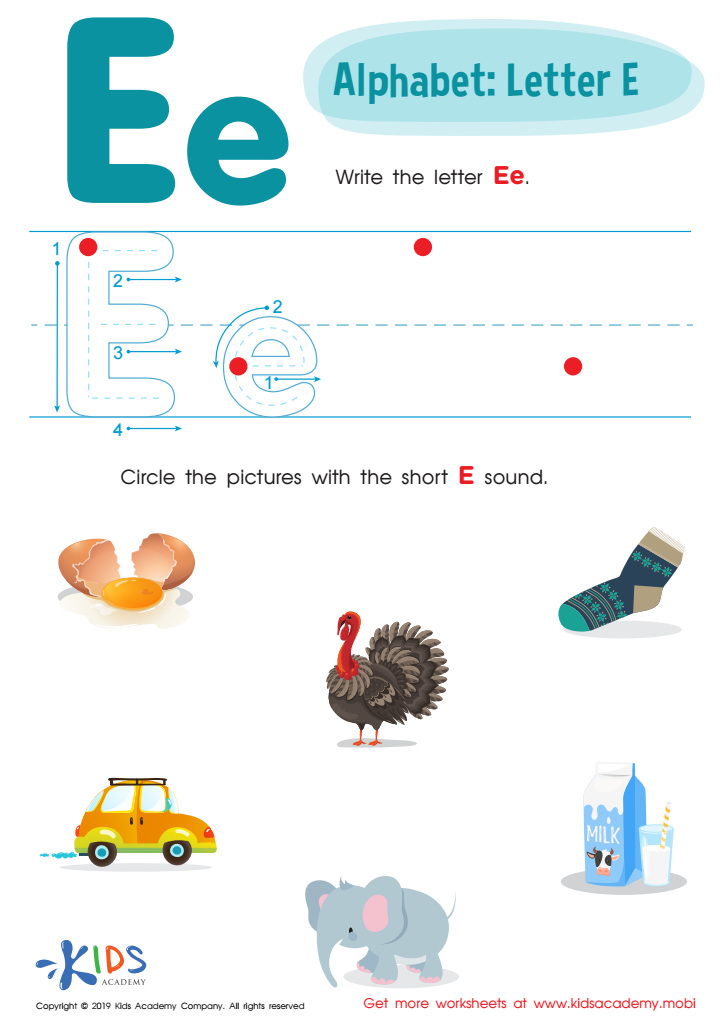
Letter E Tracing Worksheet
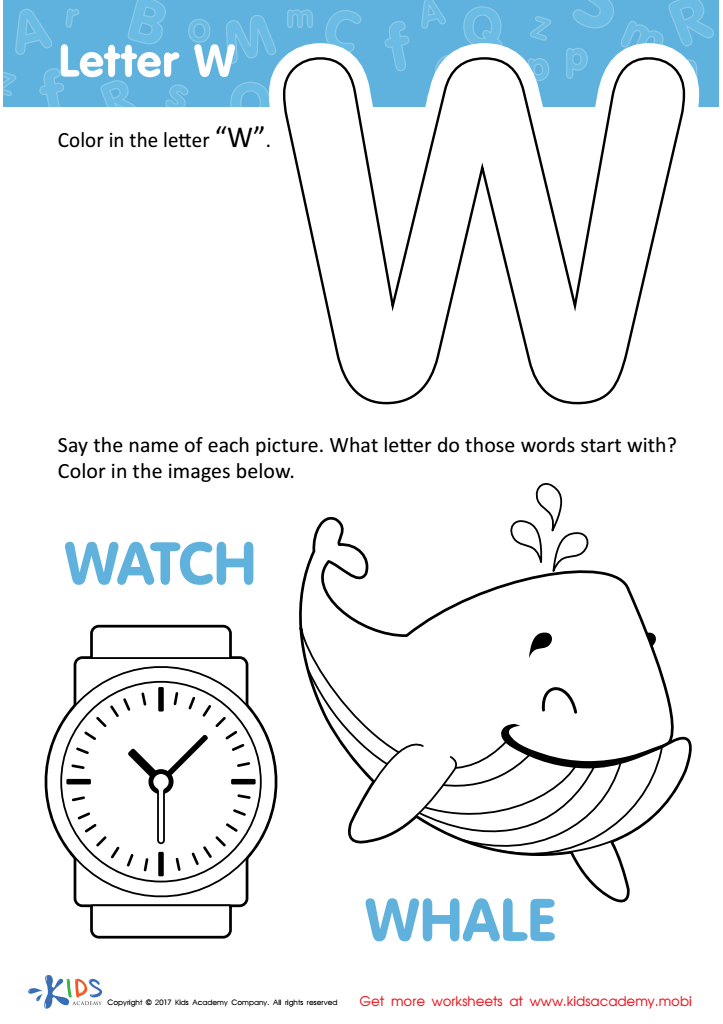
Letter W Coloring Sheet
Assign to My Students
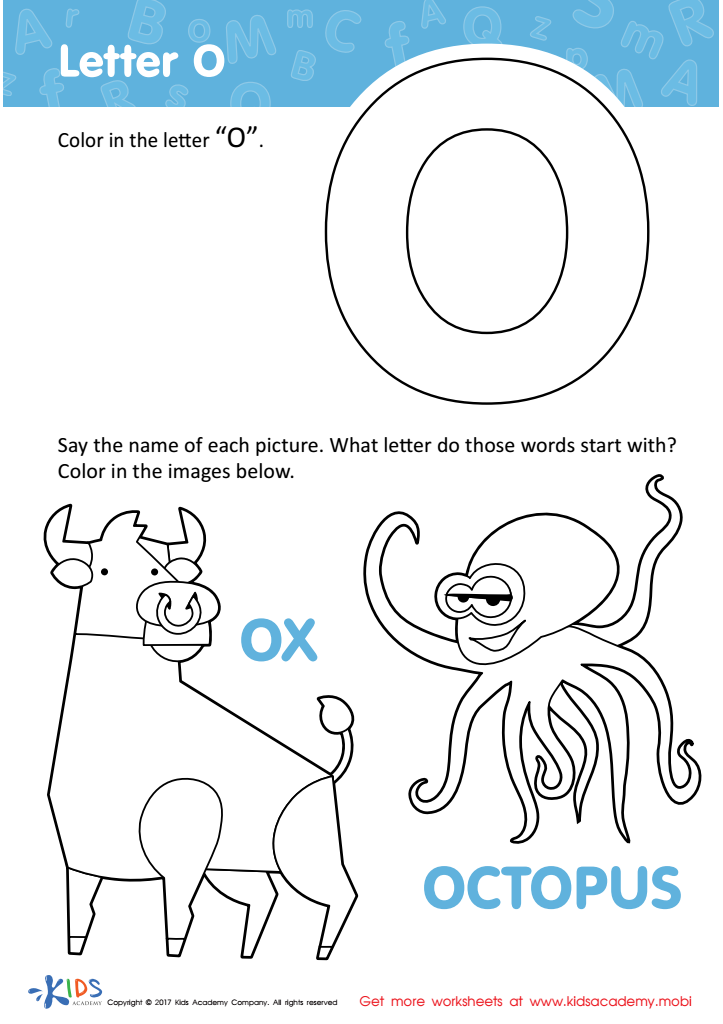
Letter O Coloring Sheet
Assign to My Students

Letter B Tracing Page
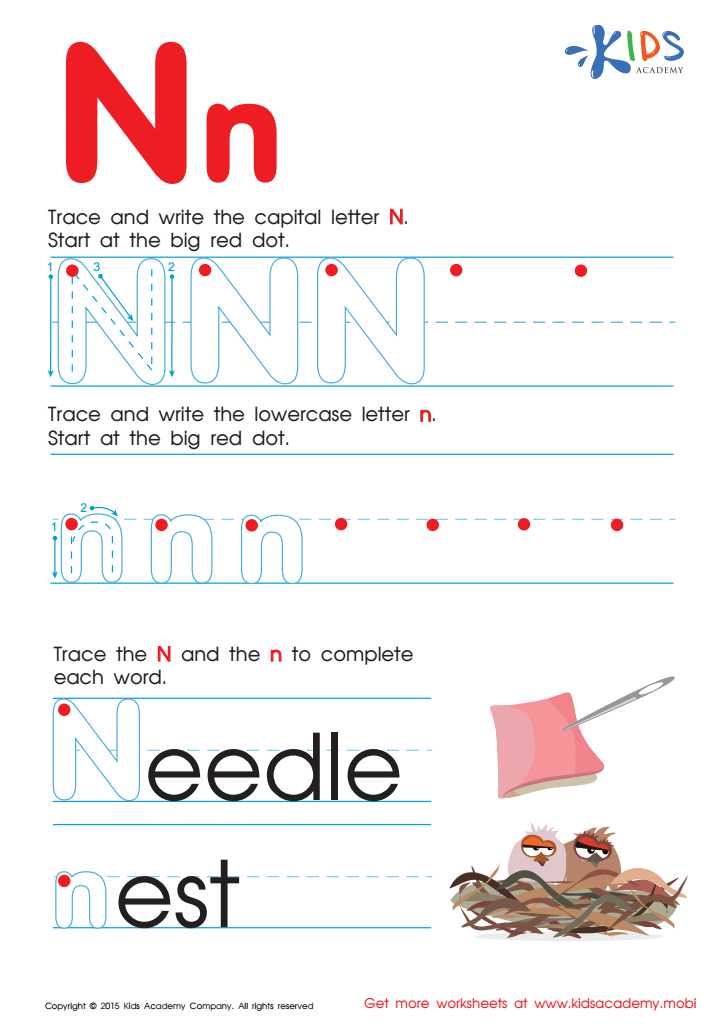
Letter N Tracing Page

Letter E Tracing Page
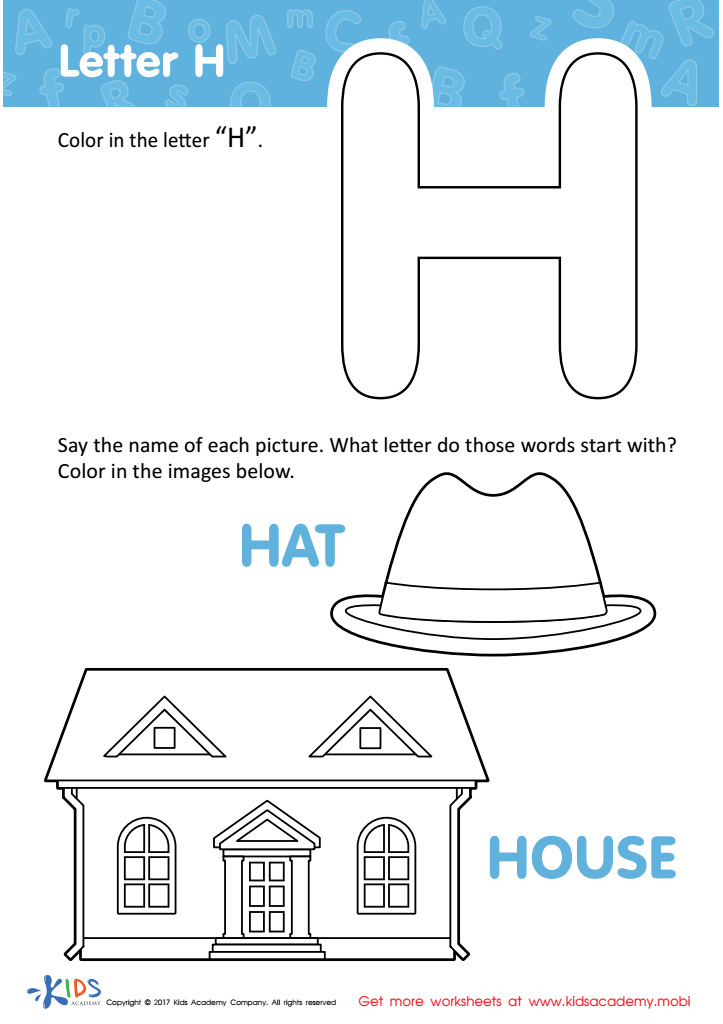
Letter H Coloring Sheet
Assign to My Students
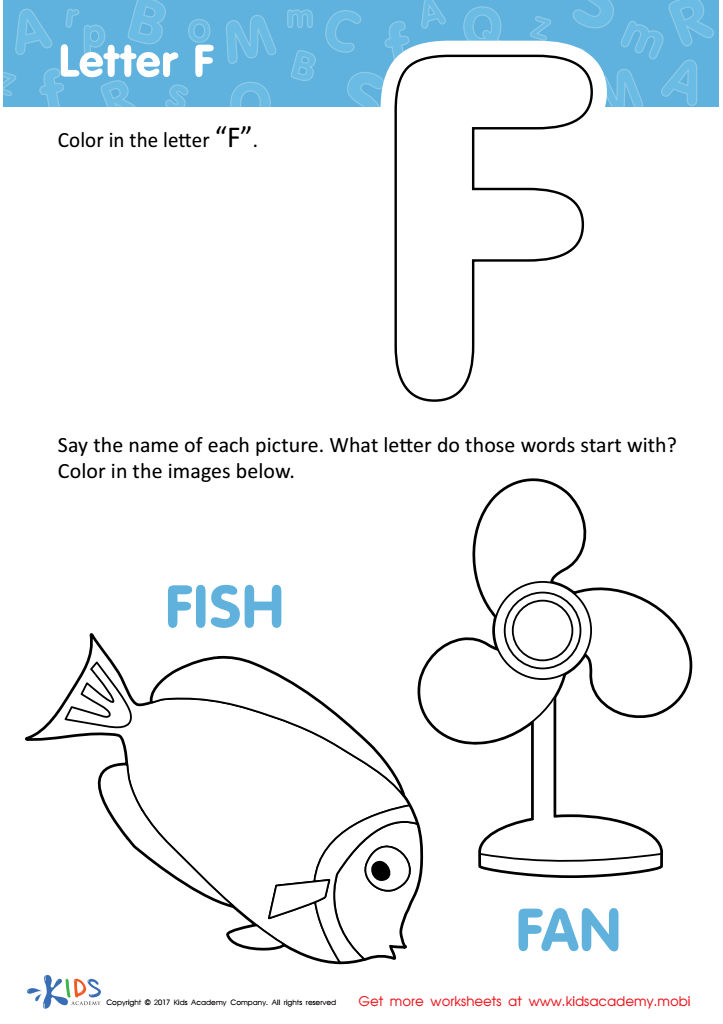
Letter F Coloring Sheet
Assign to My Students





Alphabet recognition is fundamental for children aged 6-7 as they embark on their literacy journey. For parents and teachers, the significance of mastering this skill cannot be overstated. Recognizing letters is the first step toward reading and writing, laying the foundation for future academic success. It enhances phonemic awareness, allowing children to connect letters with their corresponding sounds, which is crucial for developing word recognition skills.
Early literacy skills also promote confidence and a love for learning. When children can easily identify letters, they are more likely to engage with books and written material, motivating them to explore stories and develop vocabulary. This early engagement shapes their attitudes towards reading, fostering lifelong habits of literacy enthusiasm.
Furthermore, alphabet recognition plays a vital role in classroom dynamics. Teachers can better tailor instruction and provide targeted support when they understand each child's proficiency with letters. This personalized approach not only aids in literacy development but also contributes to educational equity, ensuring all children, regardless of background, have the opportunity to thrive.
In summary, supporting alphabet recognition is essential for fostering early literacy skills, promoting confidence, and ensuring that children are prepared for the academic challenges ahead.