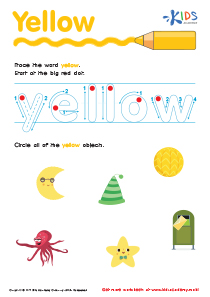
Letter Tracing Normal English for Beginners Worksheets for Ages 6-7
4 filtered results
-
From - To
Discover our engaging "Letter Tracing Normal English for Beginners Worksheets" designed for children ages 6-7! These fun, interactive worksheets help young learners develop essential handwriting skills and letter recognition in a playful way. Each printable features a variety of tracing activities that reinforce both uppercase and lowercase letters, promoting fine motor skills and confidence in writing. Perfect for at-home learning or classroom use, our resources are tailored to support early literacy development for English language learners. Equip your child with the tools they need to succeed—and make learning exciting! Start their journey to writing mastery today!
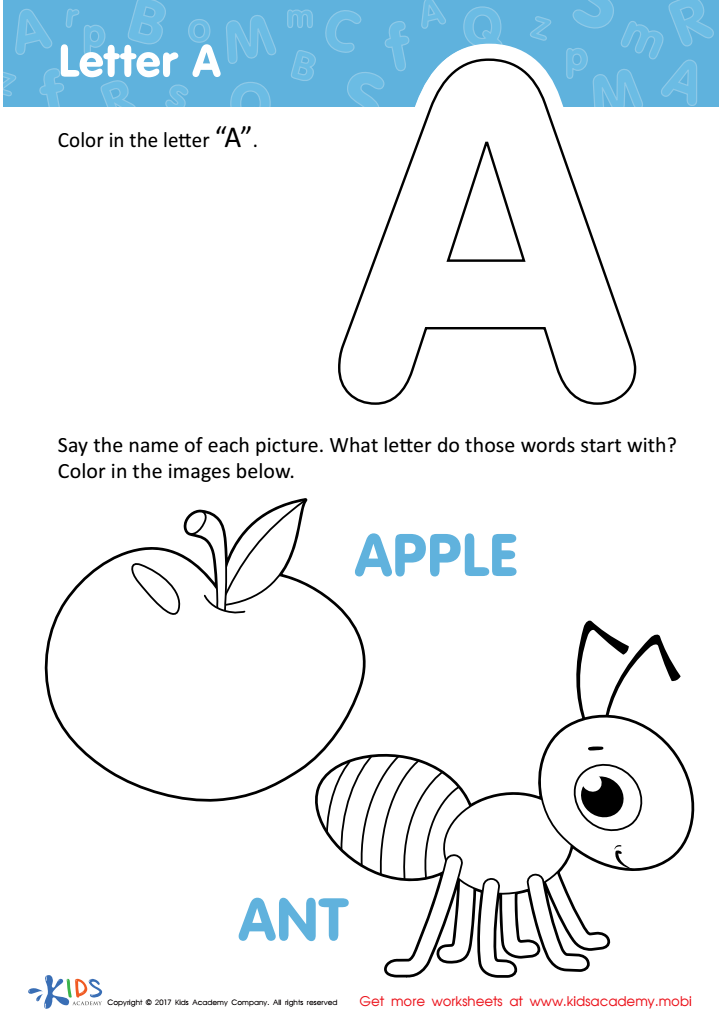
Letter A Coloring Sheet
 Assign to My Students
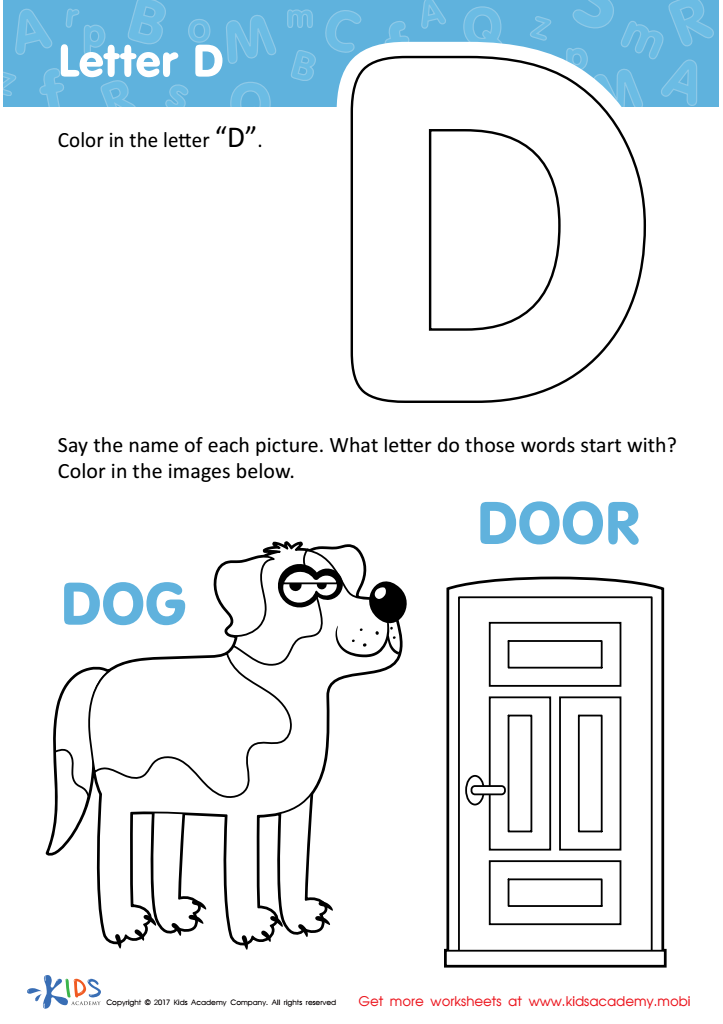
Letter D Coloring Sheet
Assign to My Students
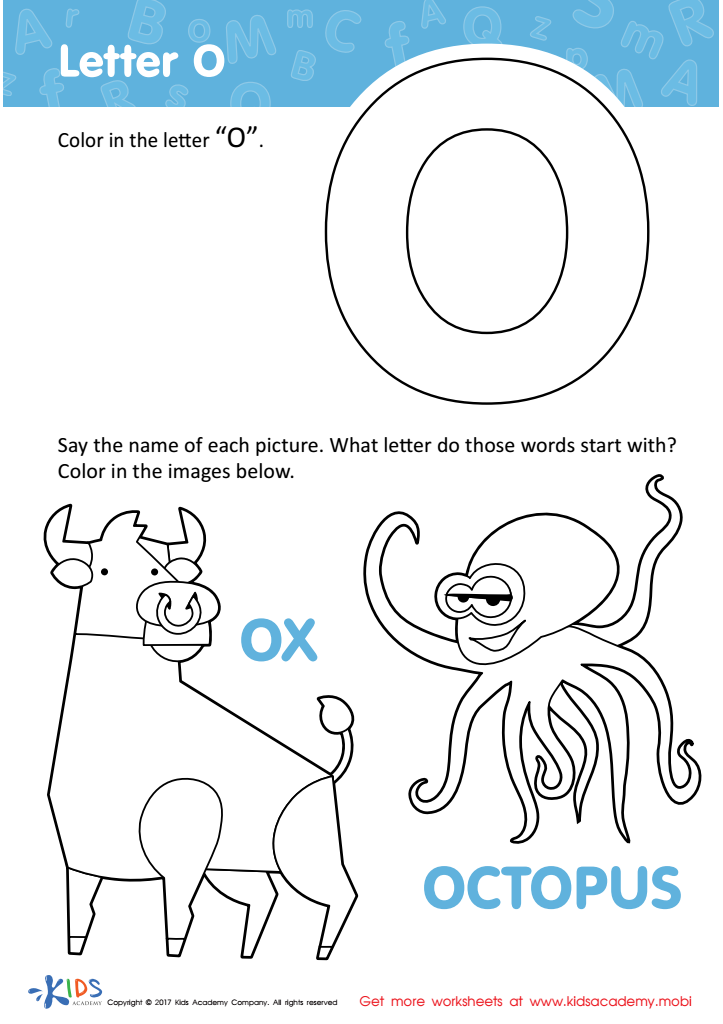
Letter O Coloring Sheet
Assign to My Students
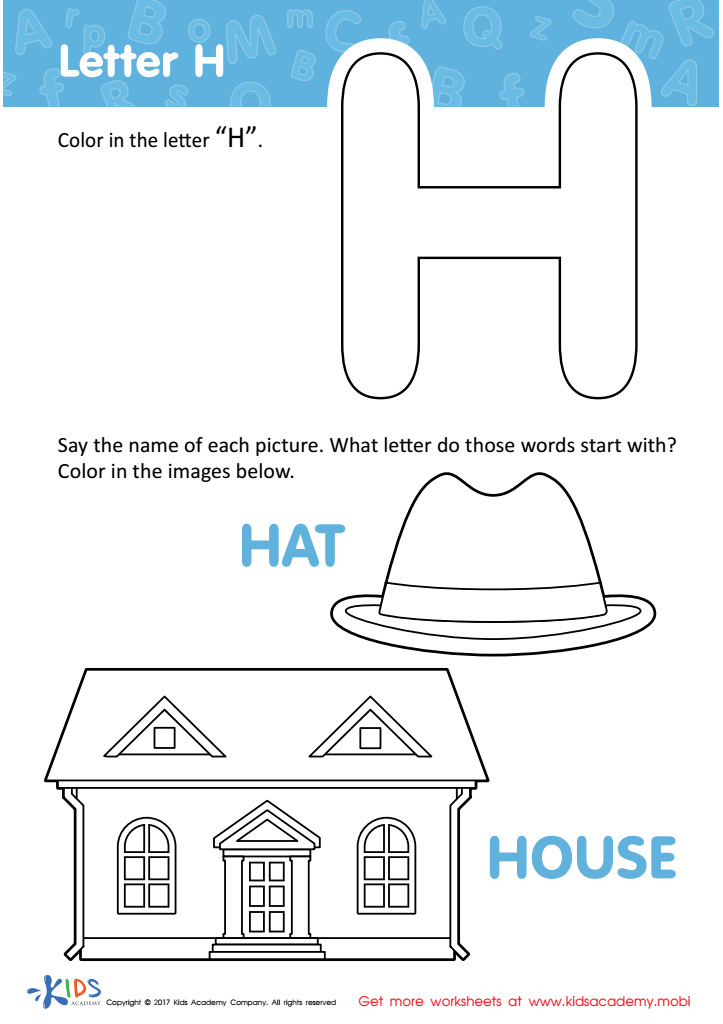
Letter H Coloring Sheet
Assign to My Students





Letter tracing is an essential foundational skill for children aged 6-7, as it plays a crucial role in developing handwriting, literacy, and fine motor skills. Parents and teachers should care about this practice because it fosters strong connections between letter shapes and sounds, helping young learners recognize letters and understand their use in words. This early literacy development is key for successful reading and writing in the future.
Tracing letters allows children to reinforce their tactile and visual memory, making letter formation more intuitive over time. Engaging in such activities also enhances hand-eye coordination, which is vital for many other tasks that require precise movements. Furthermore, letter tracing helps children gain confidence in their writing abilities, fostering a positive attitude towards literacy and learning.
In a fun and interactive way, tracing can capture a child’s interest, creating an enjoyable learning experience that encourages exploration of language. The encouragement and support from parents and teachers in incorporating letter tracing can significantly contribute to a child’s educational journey, setting the stage for long-term academic success. By prioritizing this simple yet effective tool, adults can dramatically improve children's literacy skills and ensure they are well-equipped for future learning challenges.