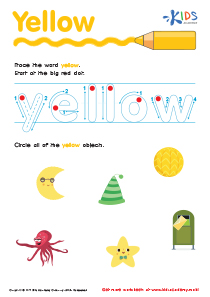
Writing practice Normal English for Beginners Worksheets for Ages 6-7
6 filtered results
-
From - To
Enhance your child's writing skills with our "Writing Practice Normal English for Beginners Worksheets" tailored for ages 6-7. Designed specifically for young learners, these engaging worksheets help improve fine motor skills, letter formation, and basic sentence structure. Each activity encourages creativity and boosts confidence in writing simple sentences, making it perfect for kids building their English foundation. With a focus on practical exercises and fun illustrations, children find the learning process enjoyable and effective. Parents and teachers alike will appreciate how these resources support consistent practice and development in young writers. Start their writing journey with us today!
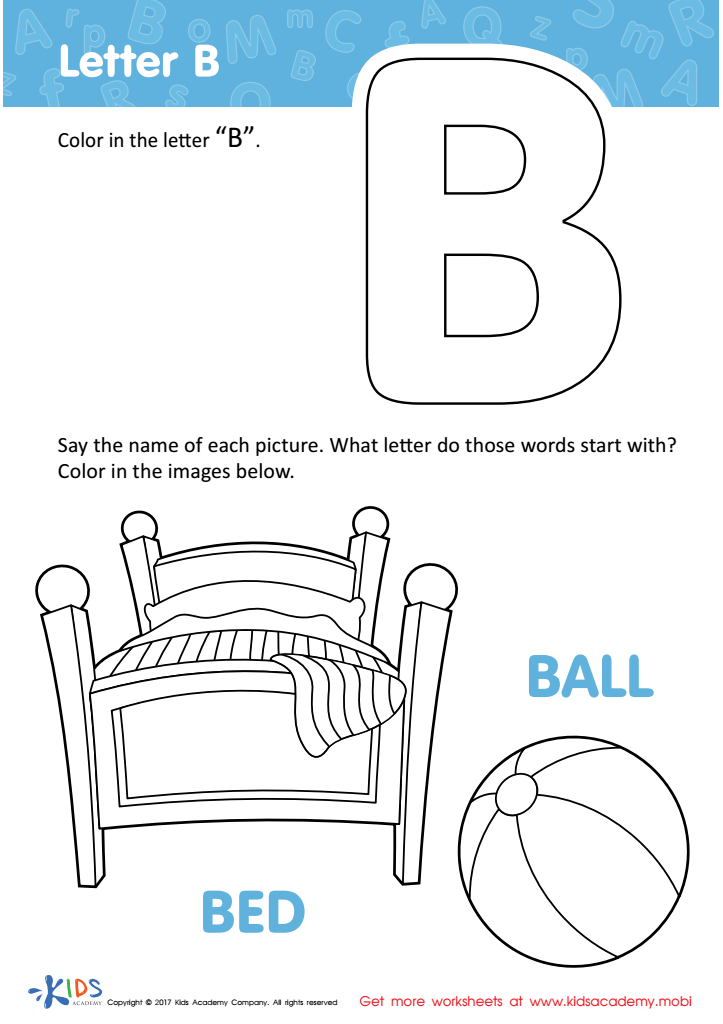
Letter B Coloring Sheet
 Assign to My Students
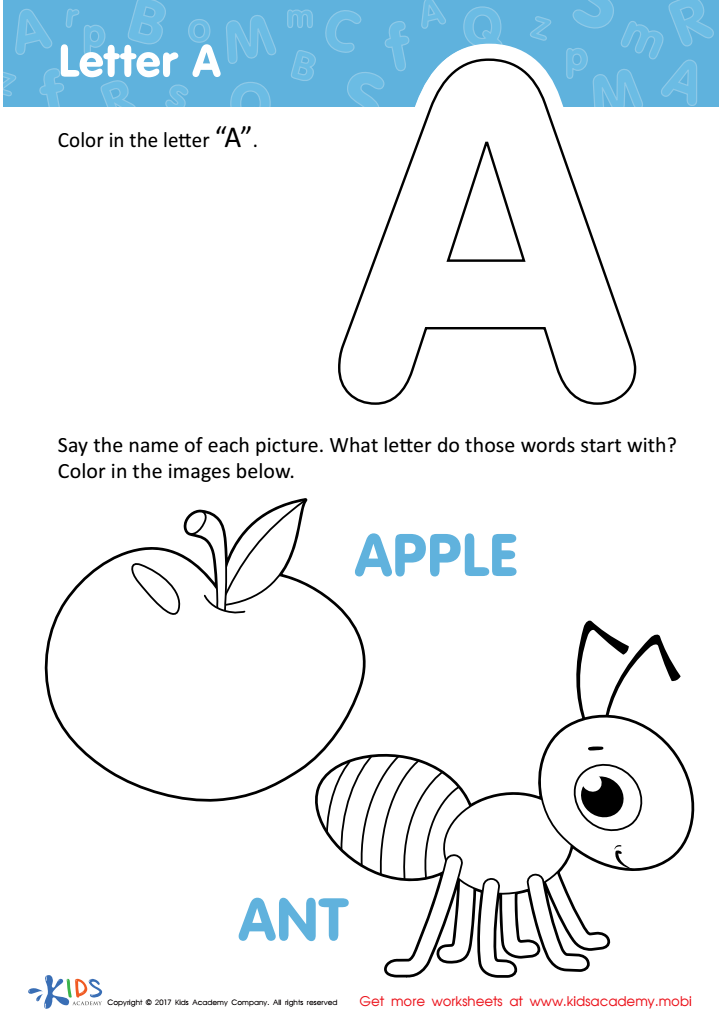
Letter A Coloring Sheet
Assign to My Students

Letter H Tracing Page
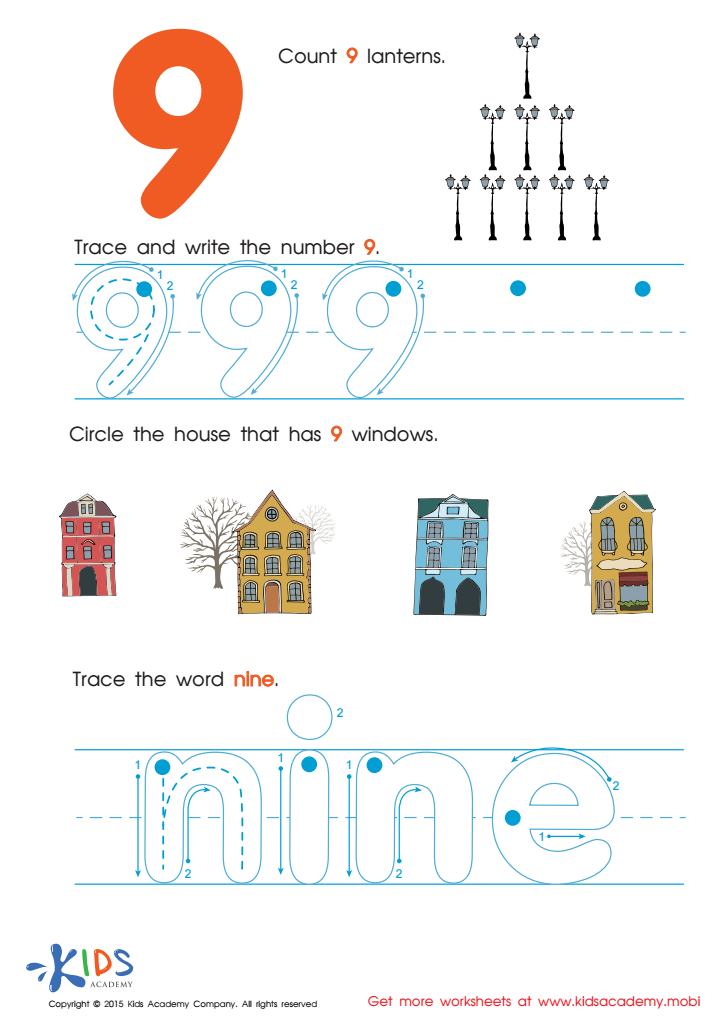
Tracing And Learning to Write Number 9 Worksheet
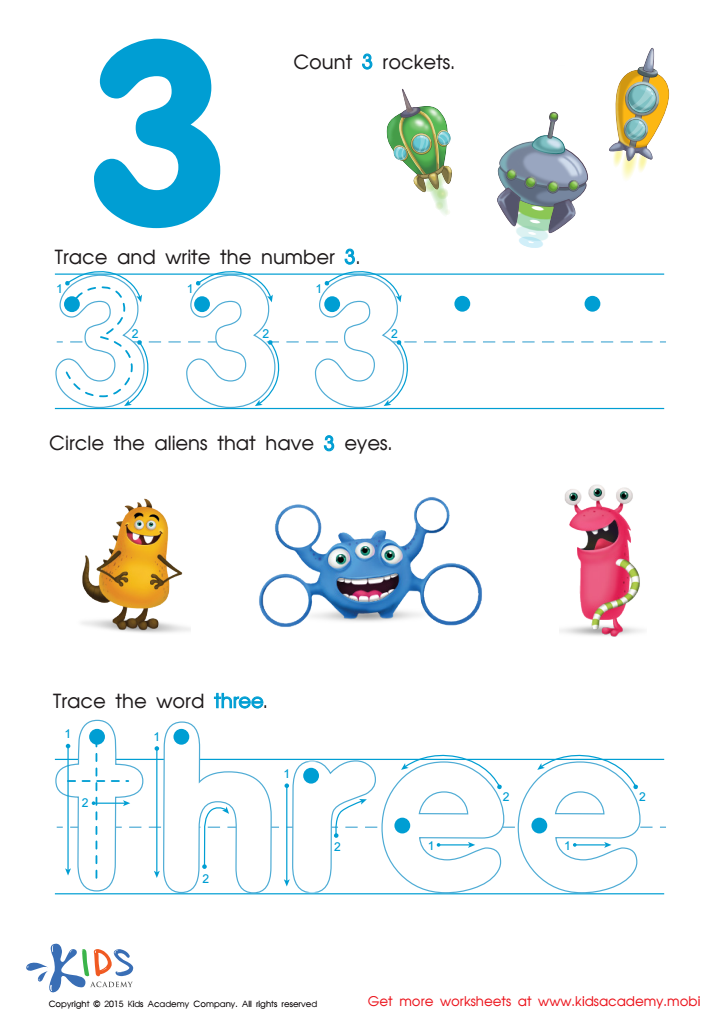
Learning Number Three Worksheet
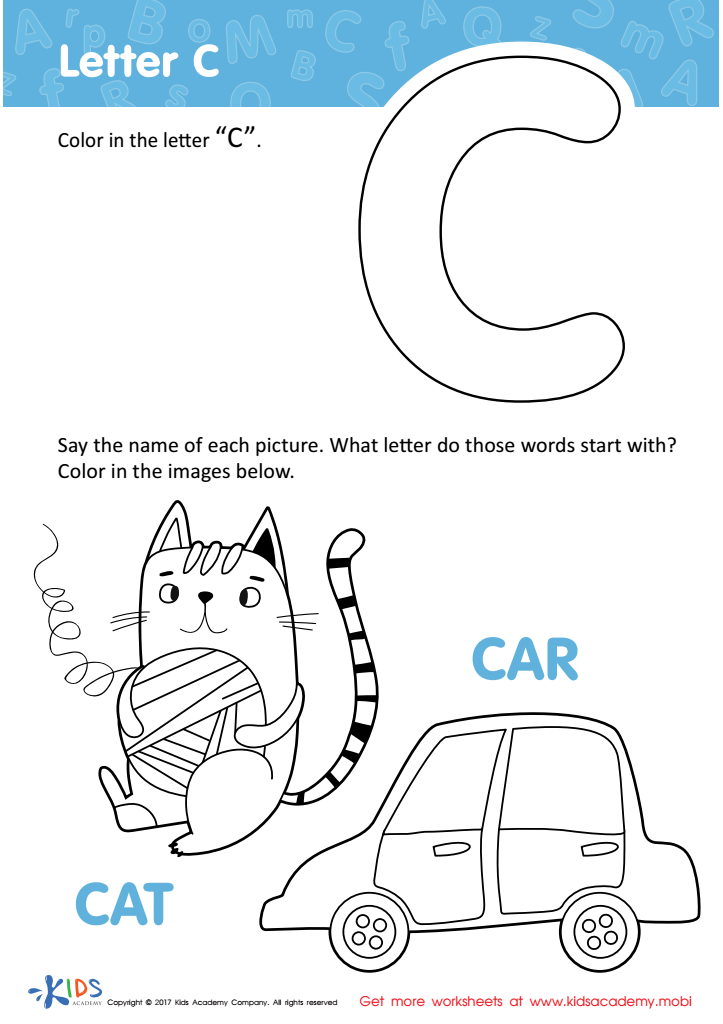
Letter C Coloring Sheet
Assign to My Students




Writing practice is crucial for children aged 6-7 because it forms the cornerstone of effective communication and academic success. At this young age, kids are transitioning from verbal expression to being able to convey their thoughts in written form. When parents and teachers focus on writing practice, they help children develop fine motor skills, necessary for controlling a pencil and forming letters and words. This practice also reinforces literacy, as writing involves a deep engagement with language, the alphabet, and vocabulary.
Moreover, consistent writing activity enhances cognitive development. It encourages thinking, organizing ideas, and problem-solving. As children create sentences and short stories, they learn sequencing and logic, which are imperative skills for all learning areas. Writing also fosters creativity and imaginations as kids are encouraged to express original ideas.
Emotional expression is another vital component. Writing allows children to articulate feelings and experiences, aiding emotional development and reducing anxiety. Additionally, written exercises prepare kids for future educational demands, fostering independence and self-confidence in their abilities.
Therefore, by prioritizing writing practice, parents and teachers not only improve youngsters' language skills but also support their overall academic and emotional growth, setting a strong foundation for their future learning journey.