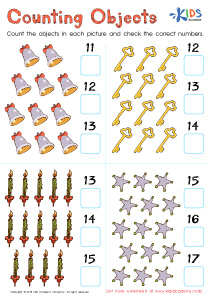
Addition Practice Normal Place Value Worksheets for Ages 6-7
5 filtered results
-
From - To
Enhance your child's math skills with our Addition Practice Normal Place Value Worksheets designed specifically for ages 6-7! These worksheets offer a fun and effective way for young learners to understand core concepts of addition while reinforcing their knowledge of place value. Featuring engaging activities and colorful visuals, children will practice adding single and double-digit numbers, developing confidence and proficiency in math. Perfect for classroom use or at-home learning, these worksheets help build a strong mathematical foundation that prepares kids for future success. Download today and watch your child excel in their addition skills through interactive practice and enjoyable learning experiences!
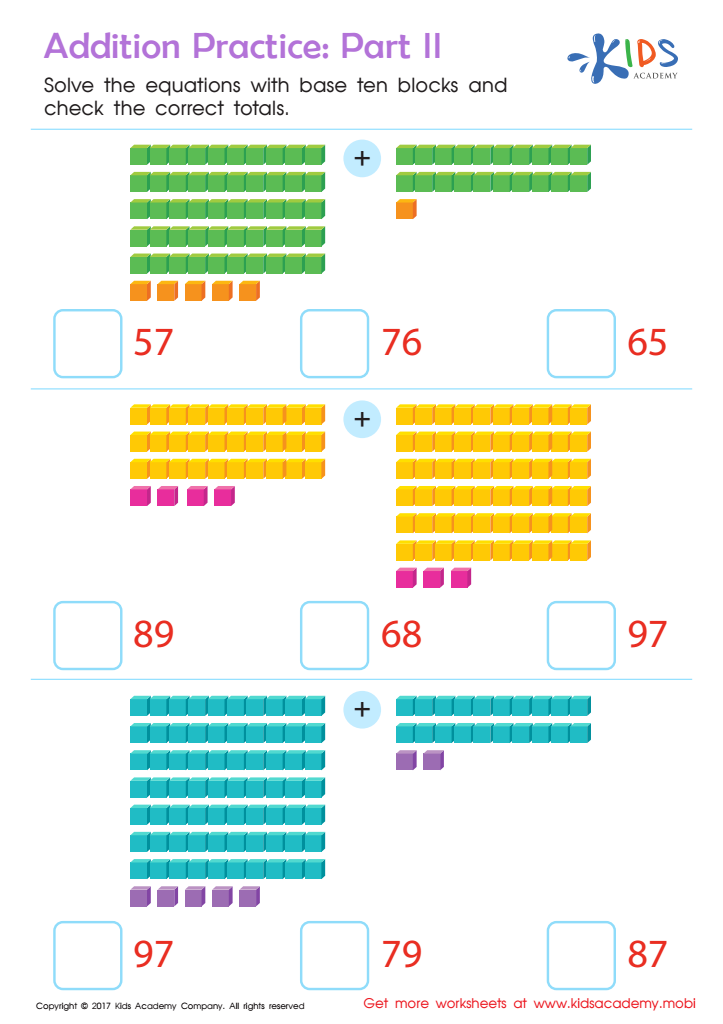
Addition Practice Sheet: Part 2
 Assign to My Students
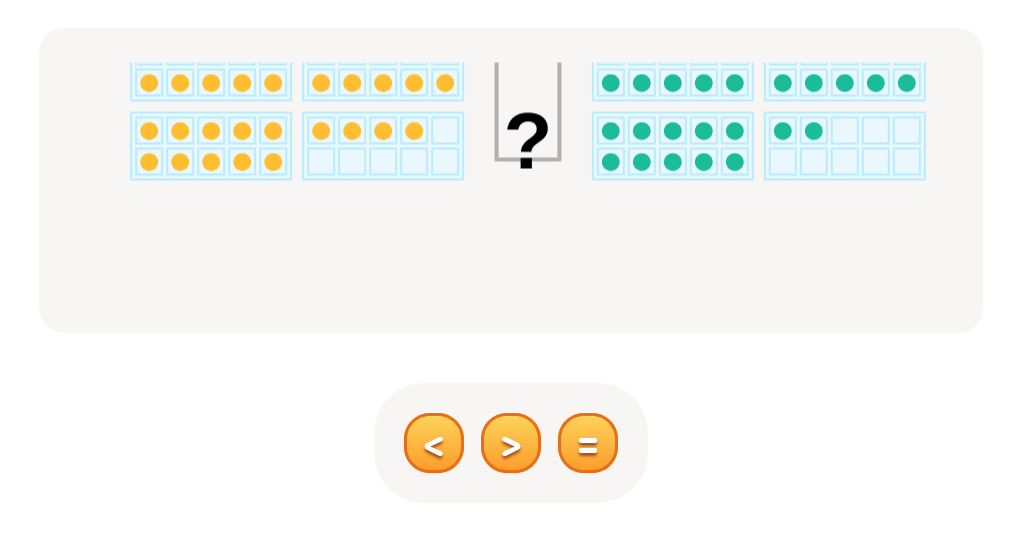

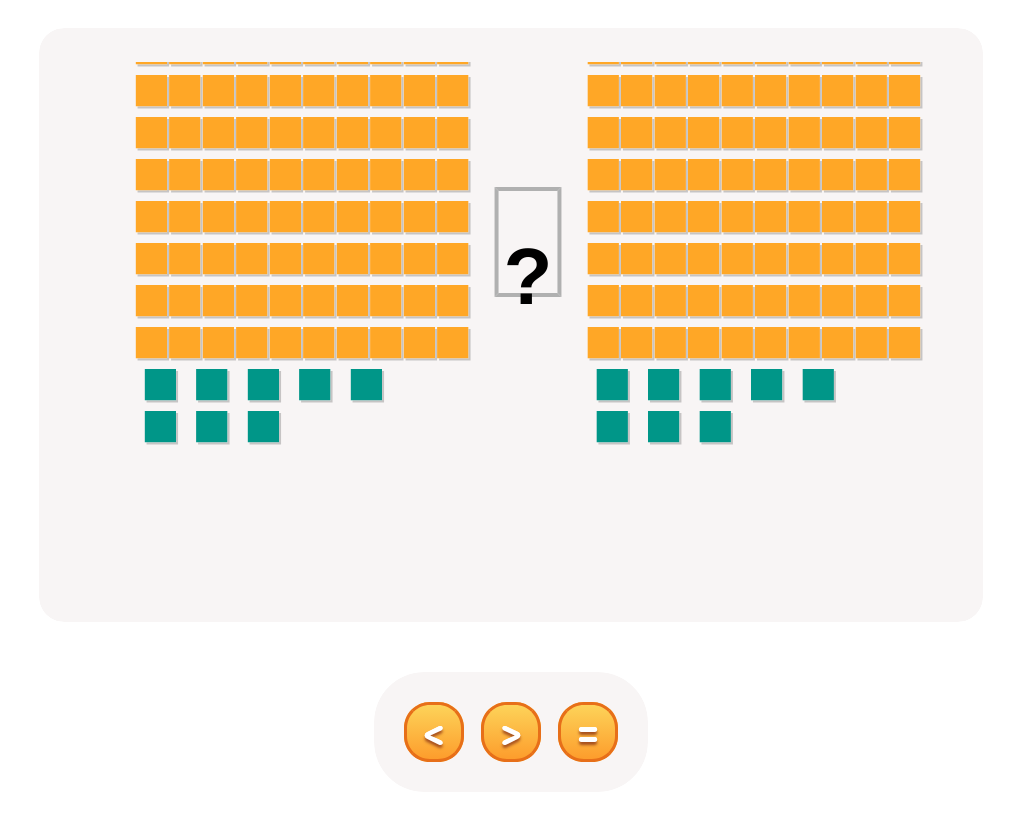
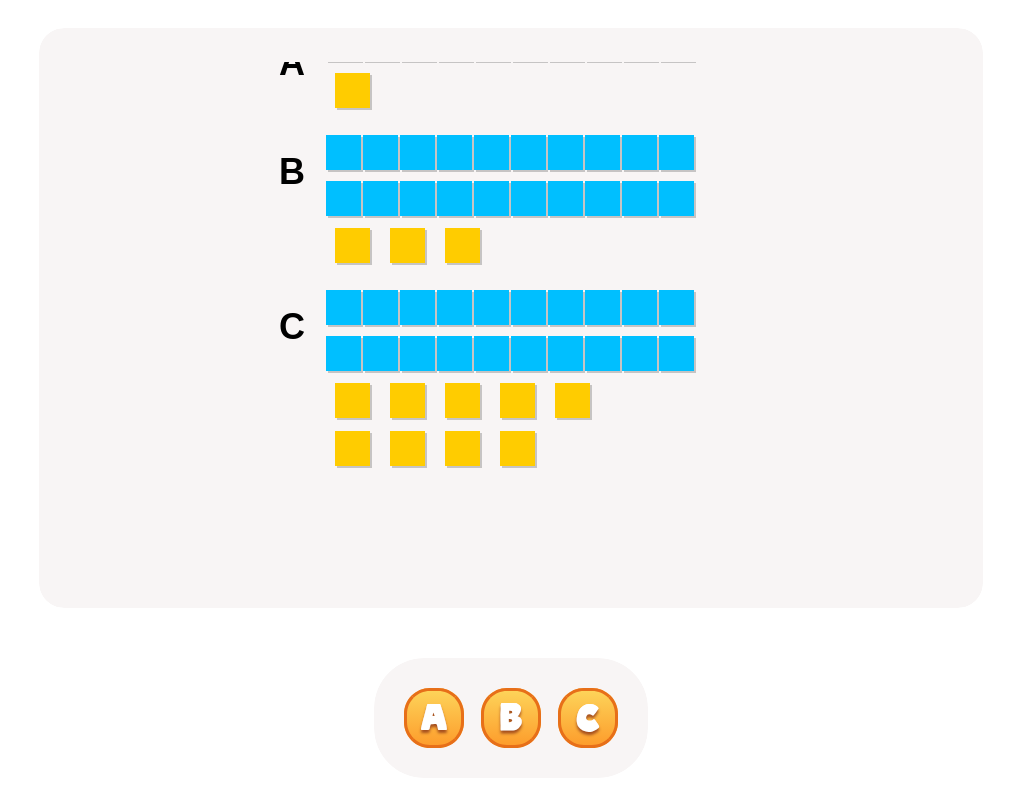
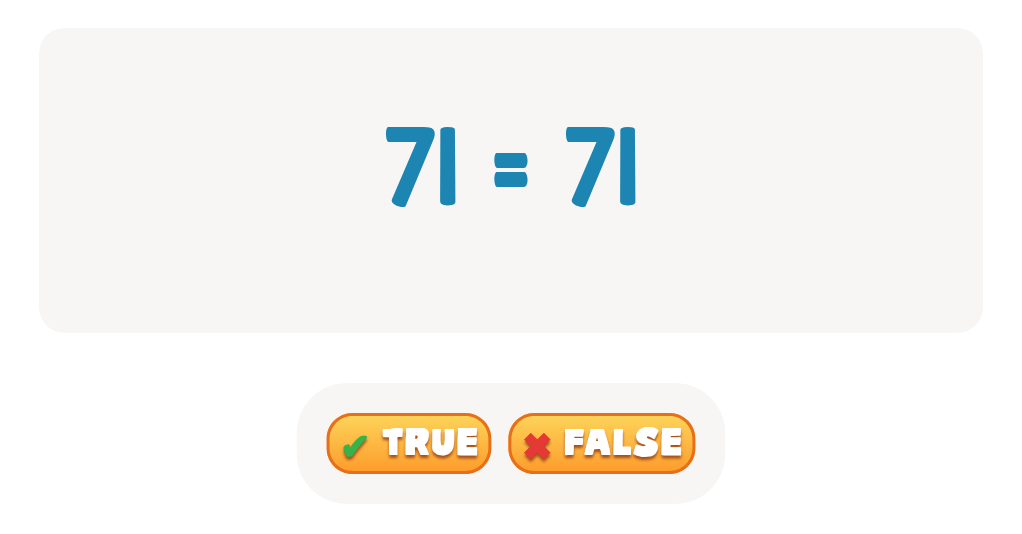
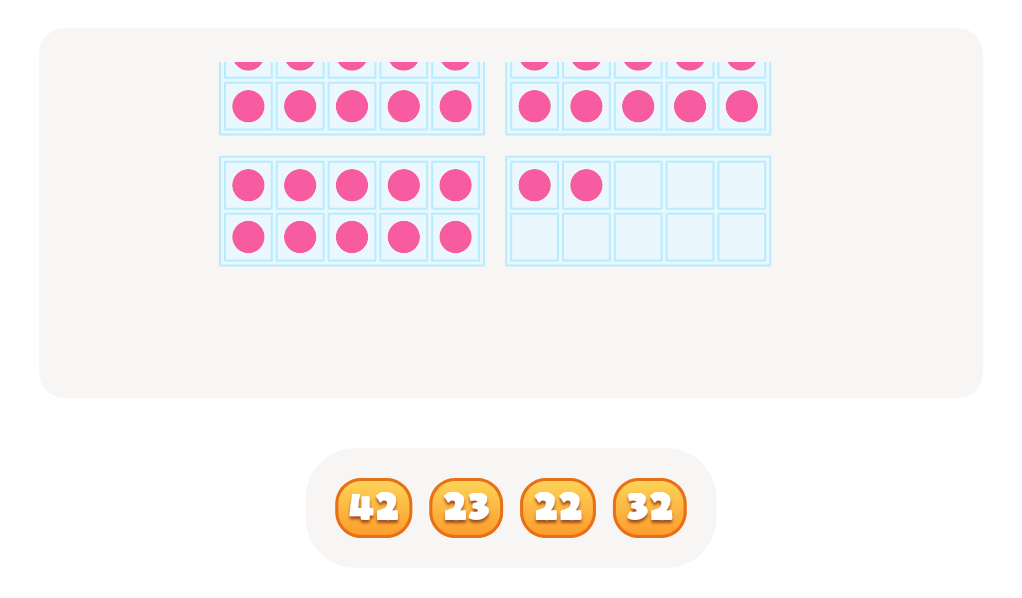
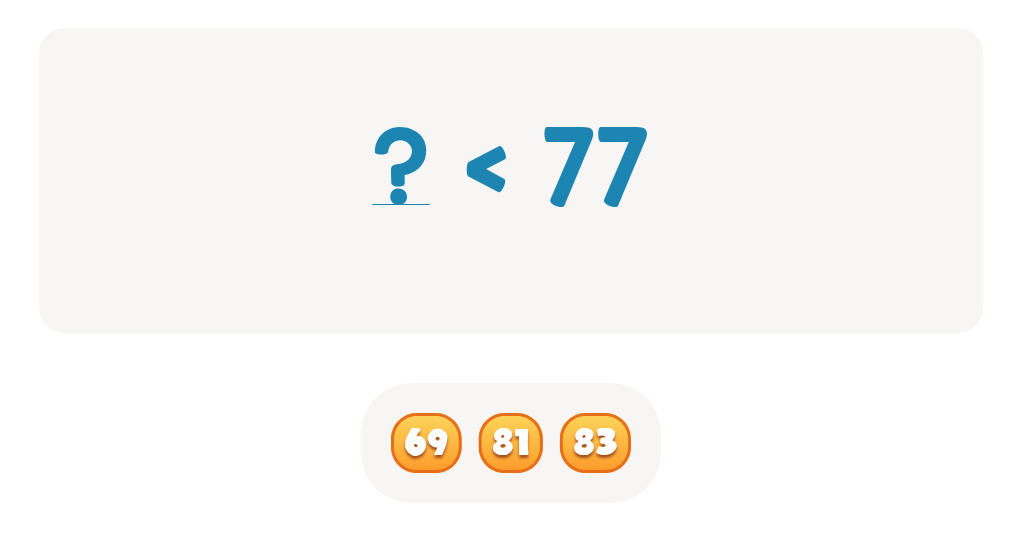
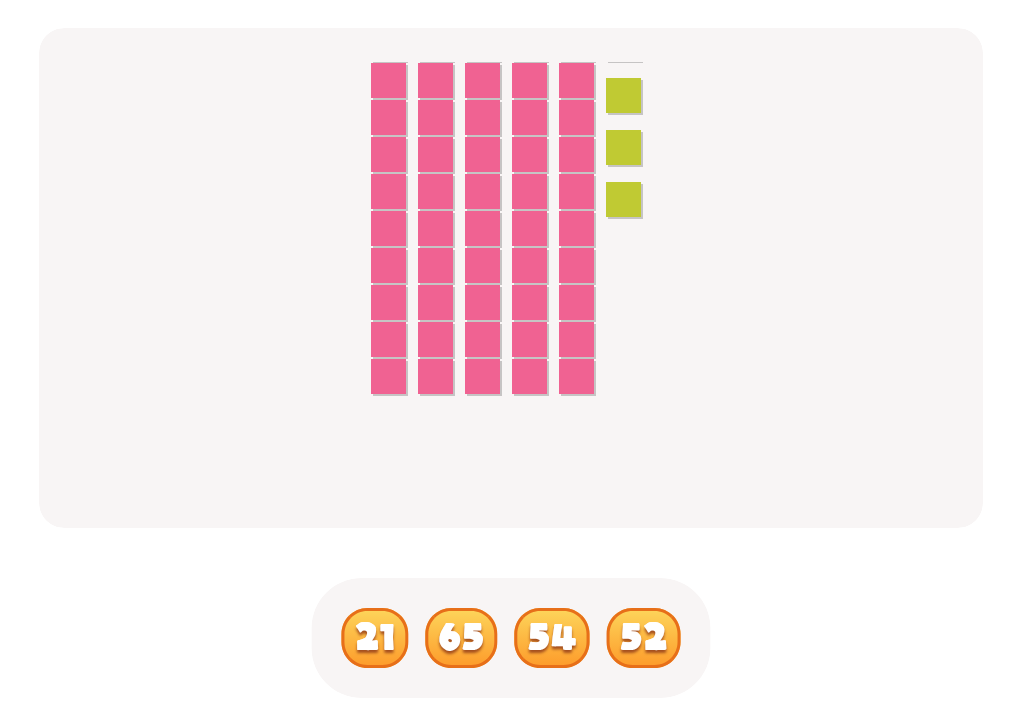
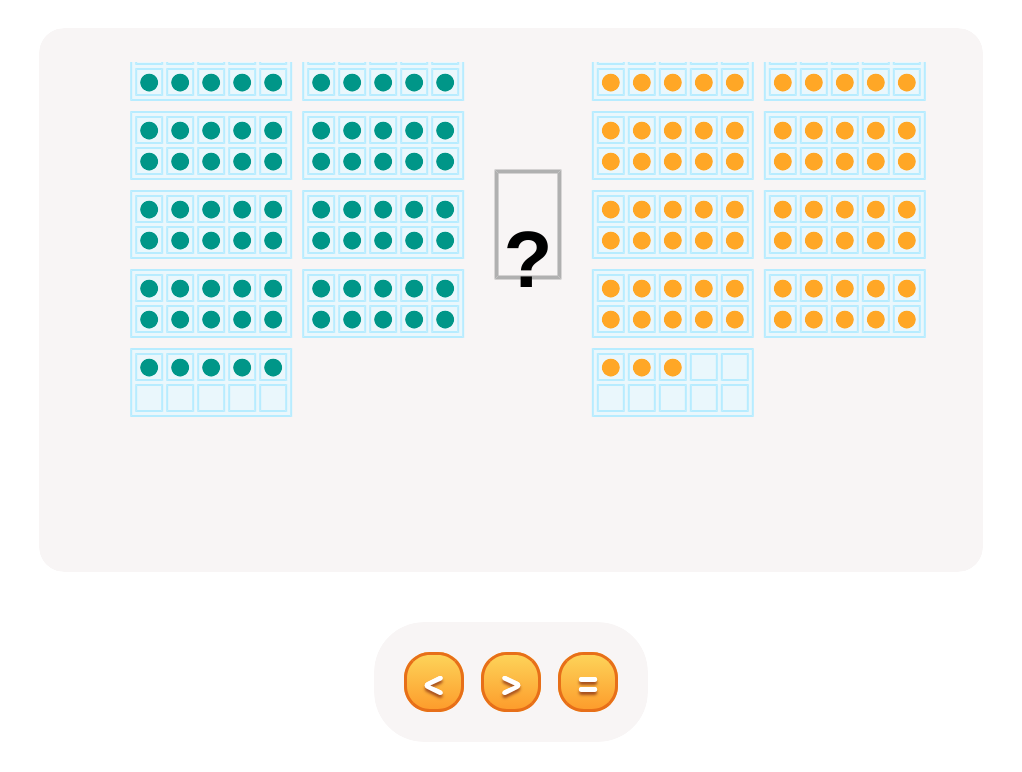
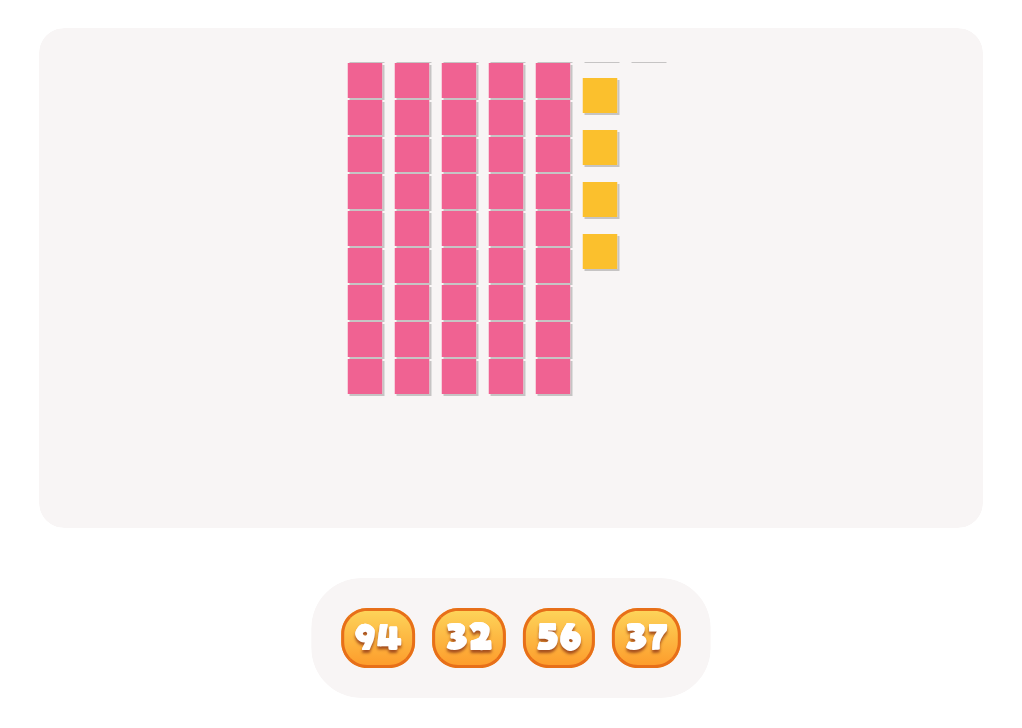
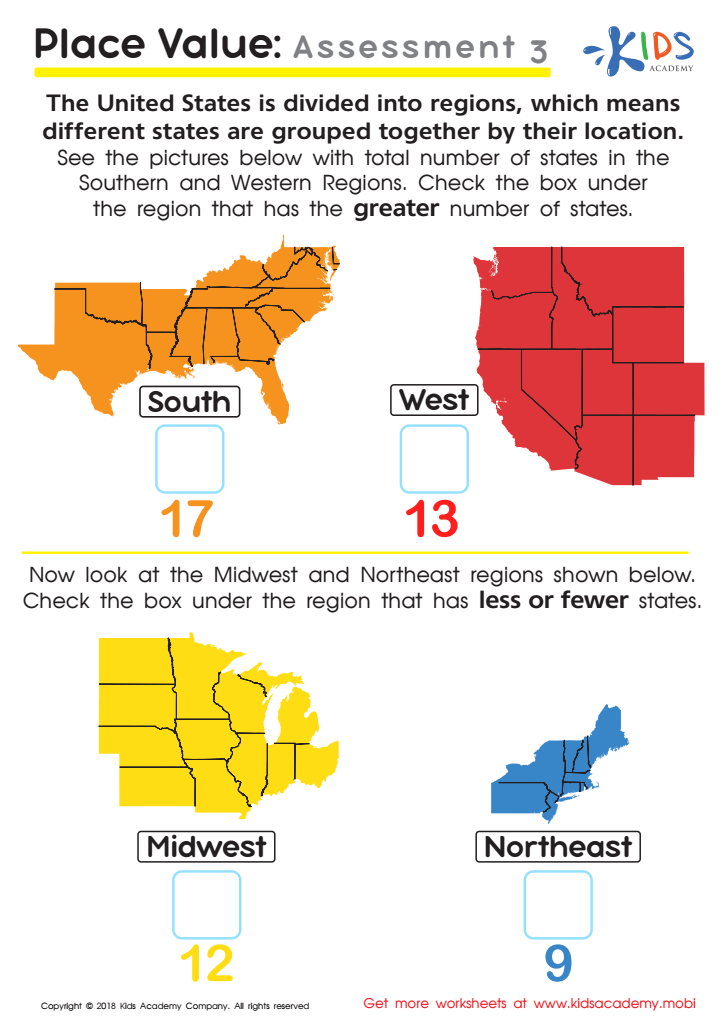
Place Value: Assessment 3 Worksheet
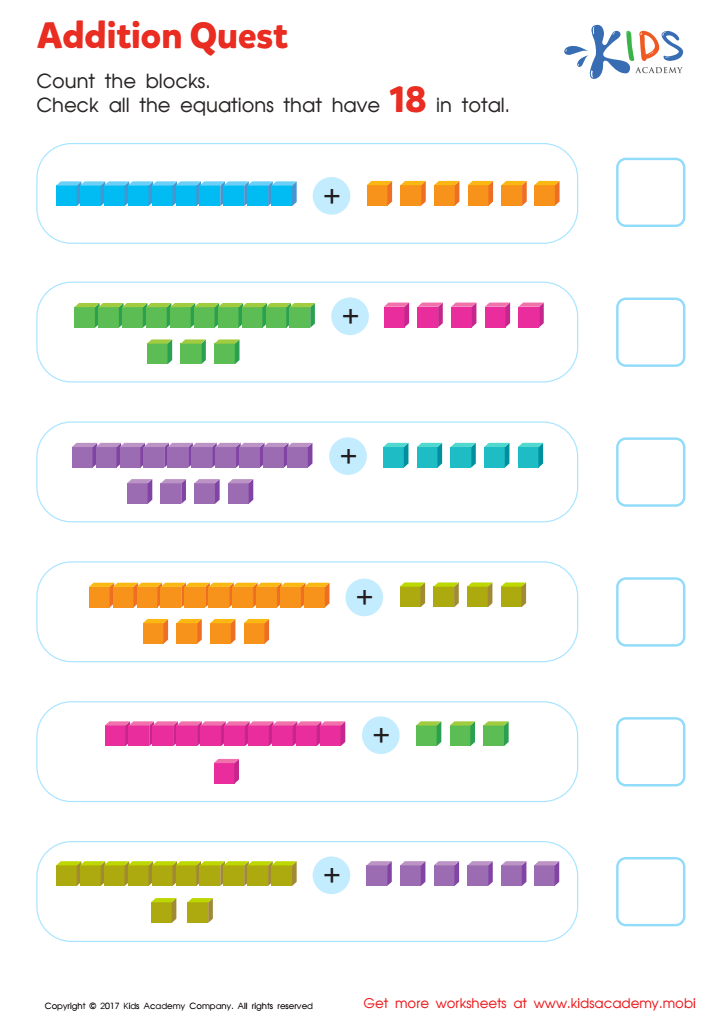
Addition Quest Worksheet: Part 2
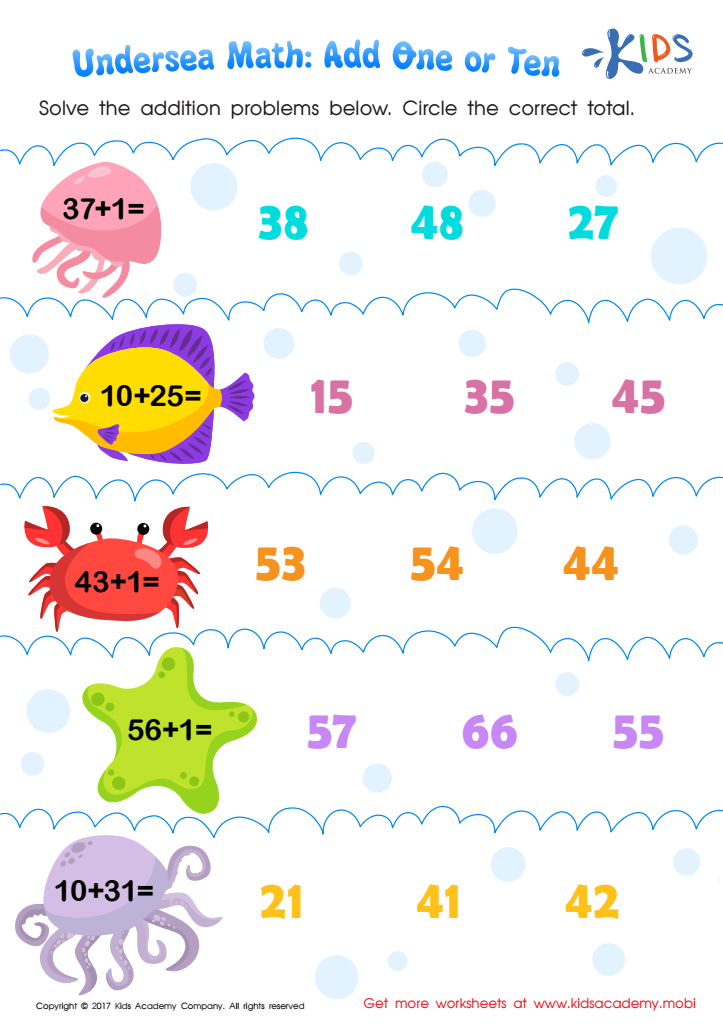
Undersea Math Worksheet
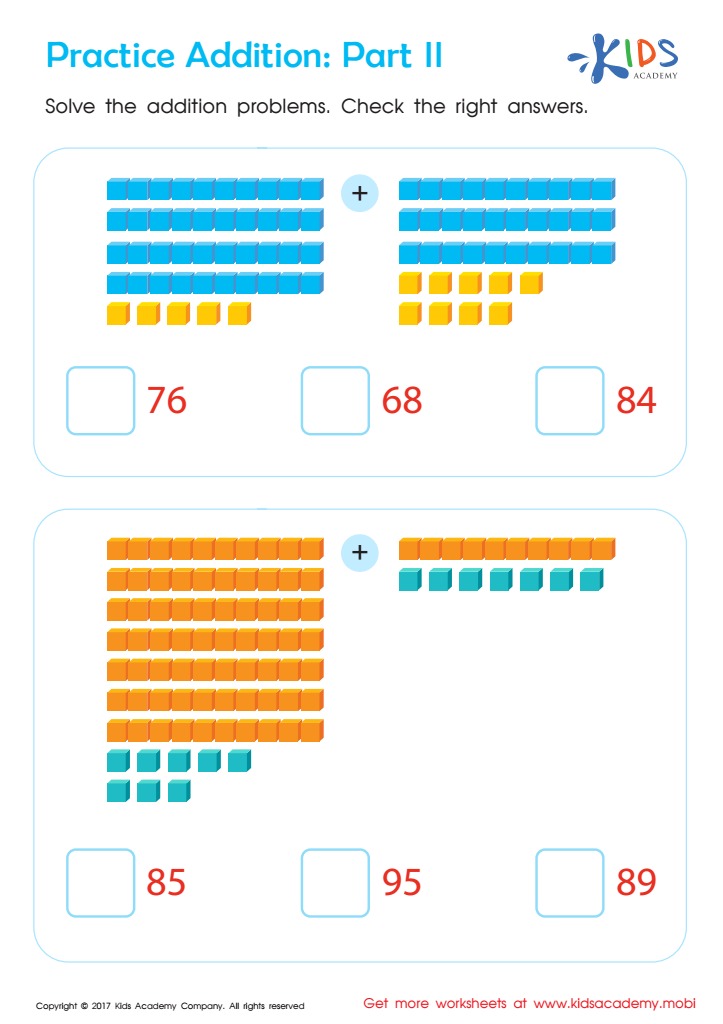
Practice Addition: Part 2 Worksheet








Parents and teachers should prioritize Addition Practice and Normal Place Value for children ages 6-7 because these concepts are foundational to a child’s mathematical understanding and academic success. At this developmental stage, children are forming essential skills that will support their ability to engage in more complex math in later years.
Addition practice helps reinforce number recognition, counting skills, and the concept of combining quantities, which are crucial for mathematical fluency. When students grasp addition, they build confidence in their problem-solving abilities and develop a positive attitude toward math.
Similarly, understanding normal place value—recognizing the value of digits based on their position in a number—is crucial for developing a solid grounding in numeracy. It allows children to make sense of larger numbers and understand the structure of the decimal system. This is not just about learning to add or subtract; it's about grasping the overall framework upon which their future math skills will be built.
By focusing on these fundamental skills through engaging and age-appropriate methods, parents and teachers are setting children up for lifelong learning, enhancing their critical thinking, and enabling better performance in school. This investment in early math education paves the way for future success across all academic areas.