Critical Thinking Normal Building Vocabulary Worksheets for Ages 6-7
5 filtered results
-
From - To
Unlock your child's potential with our "Critical Thinking Normal Building Vocabulary Worksheets for Ages 6-7." Tailored specifically for young learners, these engaging activities develop essential vocabulary while fostering critical thinking skills. Each worksheet combines fun exercises and interactive challenges to make learning exciting. Ideal for classrooms or home practice, our worksheets support language development and improve analytical abilities. With vibrant visuals and age-appropriate content, kids will enjoy expanding their word knowledge and problem-solving techniques. Give your child the tools they need for academic success and instill a lifelong love for learning with these specially designed worksheets.

Traditional Music Worksheet
 Assign to My Students











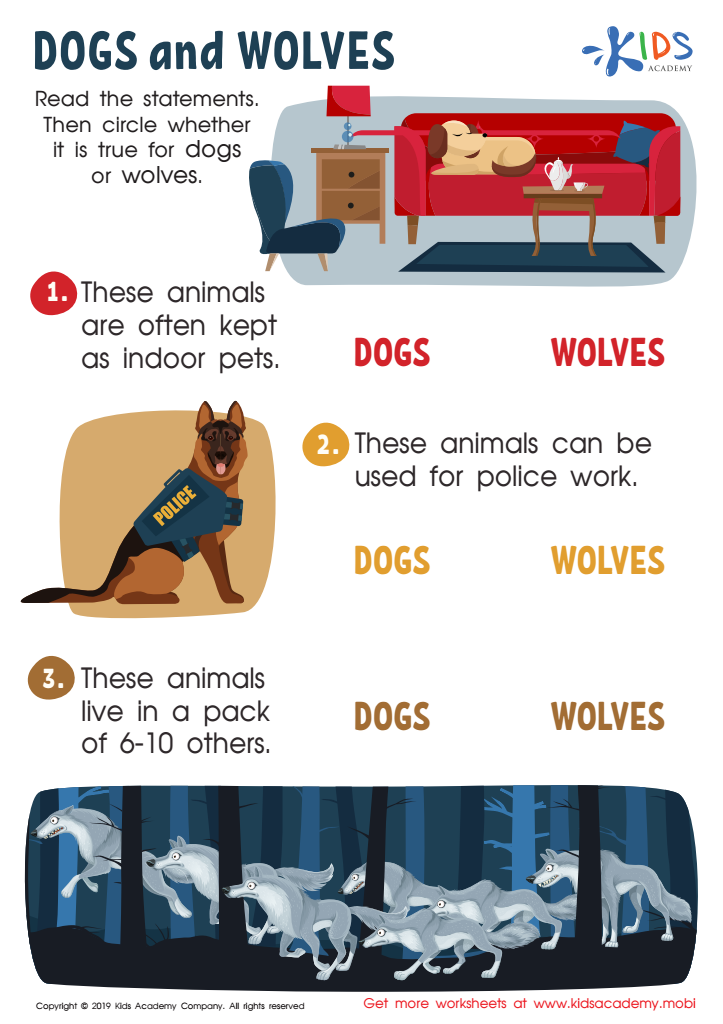
Dogs and Wolves Worksheet
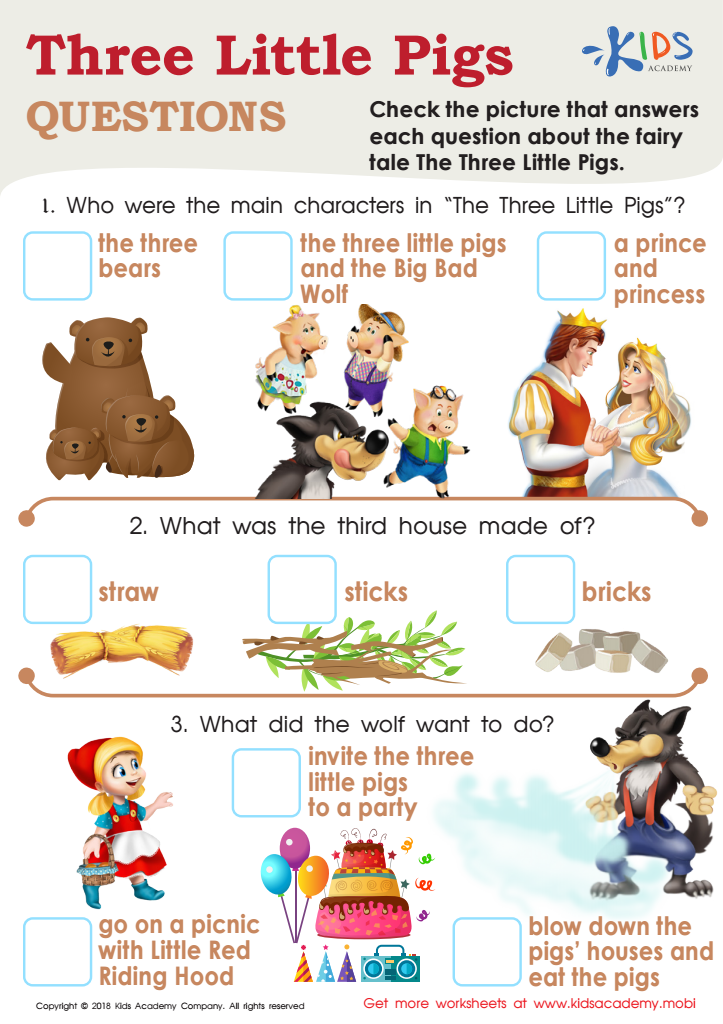
Three Little Pigs Questions Worksheet
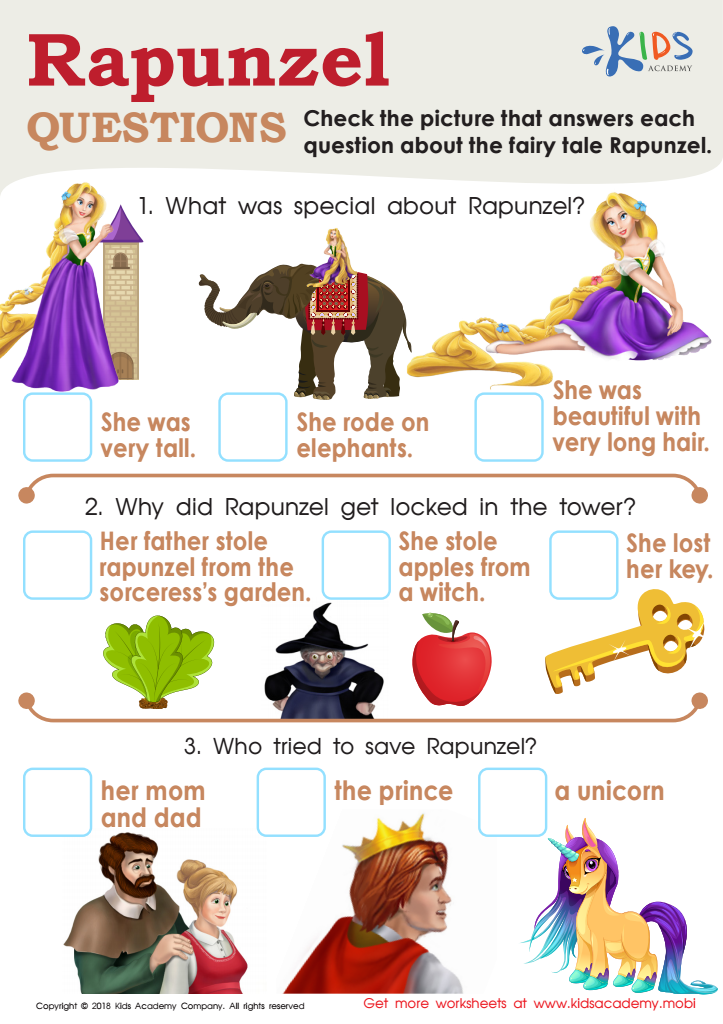
Rapunzel Questions Worksheet
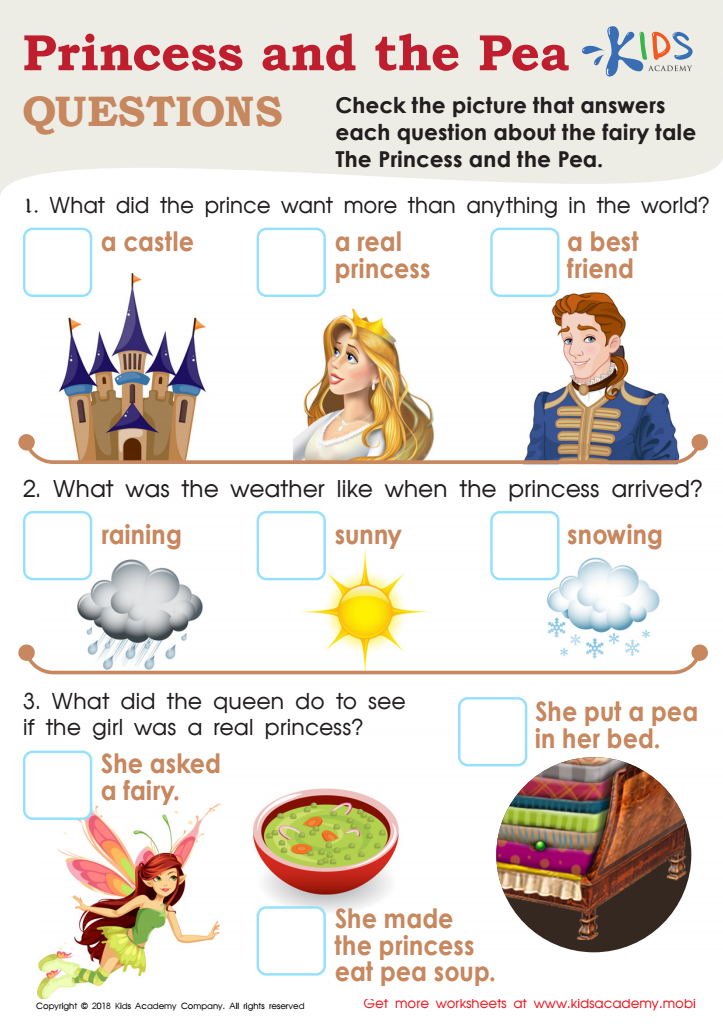
Princess and the Pea Questions Worksheet




.jpg)

.jpg)

Parents and teachers should prioritize building critical thinking and a robust vocabulary in children aged 6-7 because these formative years lay the groundwork for future academic and life success. Critical thinking at this age encourages children to ask questions, evaluate information, and solve problems effectively. It nurtures curiosity and the ability to think independently, which are essential skills for lifelong learning.
Simultaneously, a rich vocabulary enables children to express themselves more clearly and understand the world around them. The more words children know, the better they can comprehend stories, follow instructions, and engage in discussions. It also enhances their ability to read with comprehension, an essential skill that influences all areas of learning.
Together, critical thinking and a broad vocabulary form the pillars of effective communication. They help children articulate their thoughts and questions, make connections between ideas, and build on their existing knowledge. This integrated approach stimulates cognitive development and academic achievement, supporting skills in reading, writing, math, and science.
Investing time in nurturing these skills in young children not only boosts their immediate school performance but also equips them with the tools necessary for critical analysis, creative problem-solving, and effective communication throughout their lives.








