Phonics Skills Normal Building Vocabulary Worksheets for Ages 6-7
5 filtered results
-
From - To
Our "Phonics Skills Normal Building Vocabulary Worksheets for Ages 6-7" are expertly crafted to enhance young readers' phonics comprehension and vocabulary. These fun, engaging worksheets are designed to develop foundational reading skills, blending exciting activities with critical learning. Featuring colorful visuals and interactive exercises, kids will effortlessly master letter sounds, word recognition, and pronunciation. Suitable for children ages 6 to 7, these resources help boost confidence and literacy in an enjoyable, effective way. Perfect for both home and classroom use, our worksheets are an invaluable tool for nurturing wordsmiths and fluent readers. Unlock your child’s potential with us today!
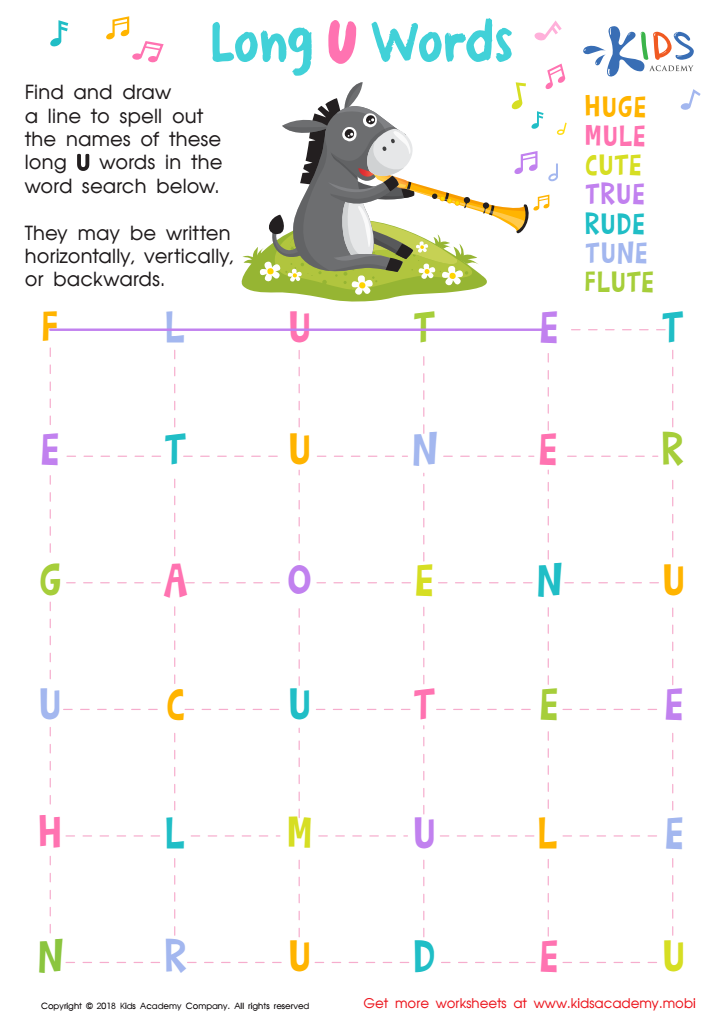
Long /u/ Words Worksheet
 Assign to My Students











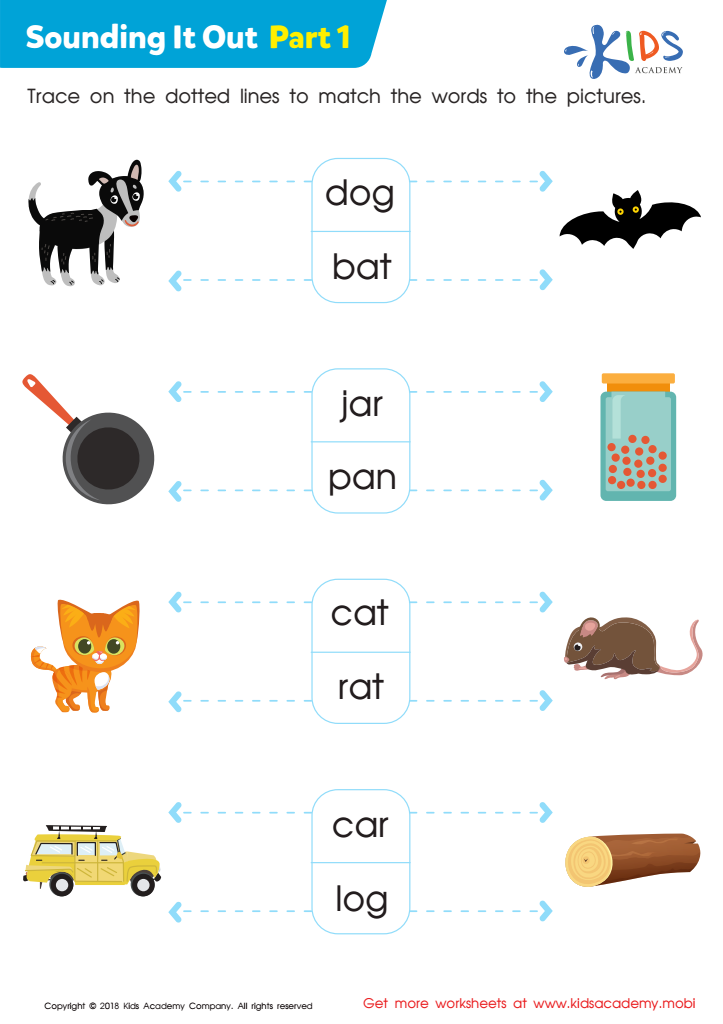
Sounding it Out: Part 1 Worksheet
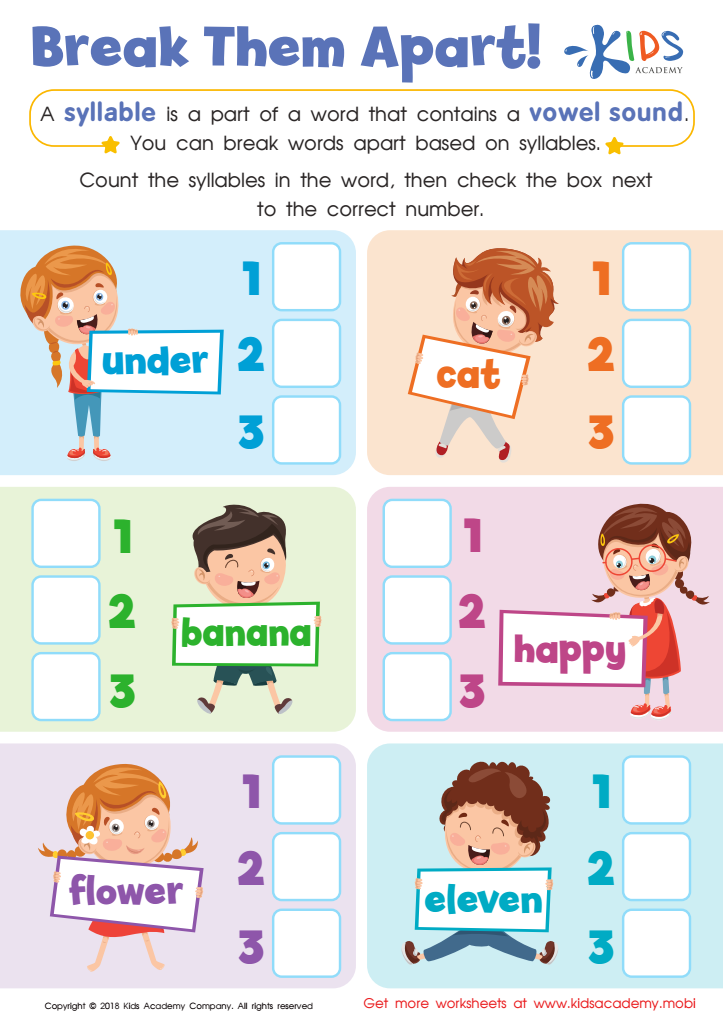
Reading: Break Them Apart Worksheet
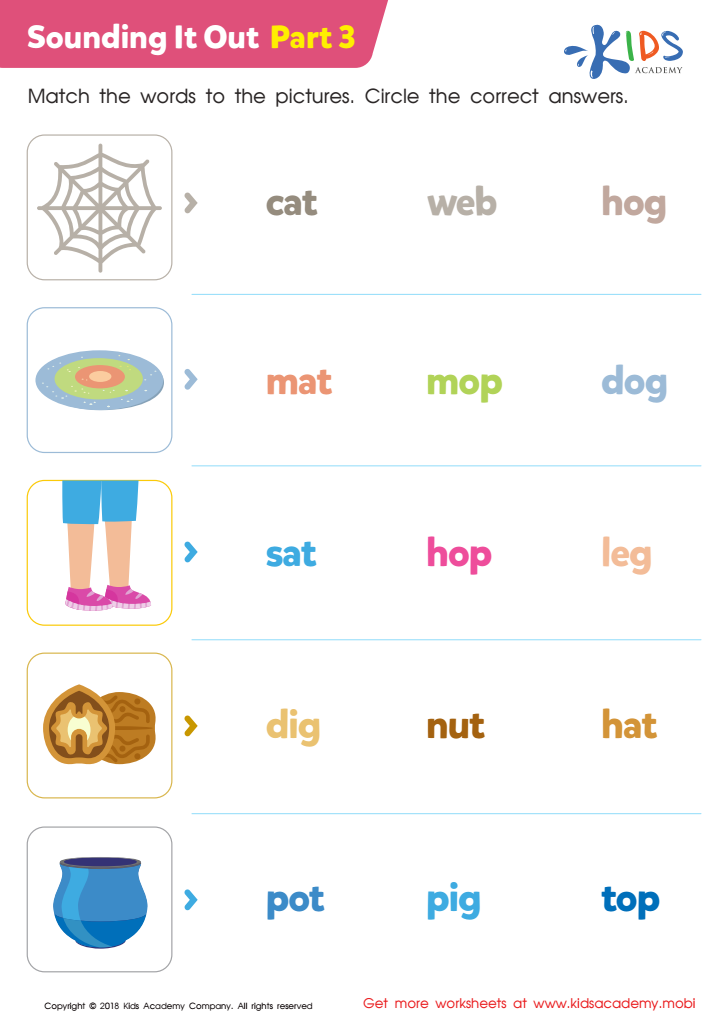
Sounding it Out: Part 3 Worksheet
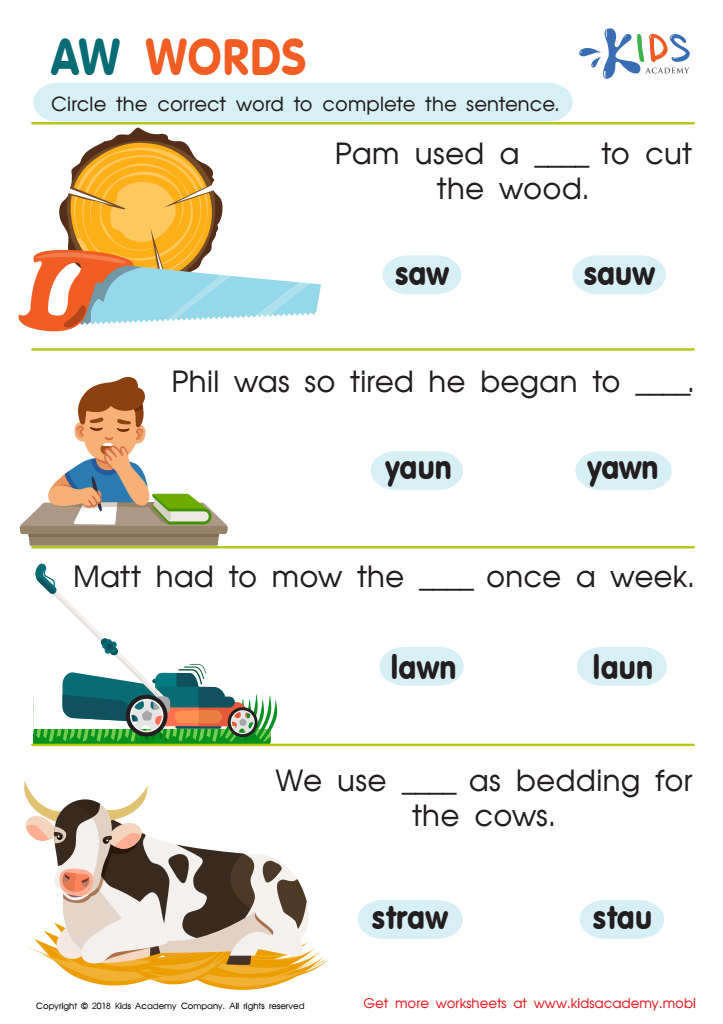
Reading: AW Words Worksheet








Phonics skills are essential for young learners, particularly for ages 6-7, as they lay the foundational blocks for successful reading and writing. During these pivotal first years of schooling, children transition from recognizing basic letter sounds to decoding words and understanding their meanings. By grasping phonics, children learn how letters combine to produce sounds, a crucial step in learning to read fluently. This skill helps them sound out new words, which can significantly boost their confidence and enthusiasm for reading.
A robust vocabulary, built through understanding phonics, supports comprehension, enabling children to understand and engage with wider texts. This vocabulary growth also enhances their ability to express themselves accurately and creatively in spoken and written forms.
For parents and teachers, investing in phonics and vocabulary at this critical age ensures that children build a strong literacy foundation, paving the way for future educational success. Reading skills impact all facets of learning; therefore, a firm grasp of phonics and an expanding vocabulary are integral to academic achievement. Moreover, early proficiency in reading ignites a lifelong passion for learning, creating curious, knowledgeable, and articulate individuals. Thus, fostering phonics skills and a rich vocabulary in early childhood education is key to developing well-rounded, literate students.








