
Color recognition Normal Reading Worksheets for Ages 6-7
3 filtered results
Difficulty Level
Grade
Age
-
From - To
Subject
Activity
Standards
Enhance your child's color recognition skills with our engaging Normal Reading Worksheets designed for ages 6-7. These thoughtfully crafted worksheets offer a fun and interactive way to help young learners identify and differentiate colors through a variety of activities. From colorful illustrations to entertaining exercises, each worksheet supports early reading while fostering visual literacy. Ideal for homeschooling or classroom use, our material encourages creativity and critical thinking. Ensure your child develops essential skills in a playful environment! Visit our page to explore the complete collection and give your child the tools they need for successful learning adventures.
Favorites
With answer key
Interactive
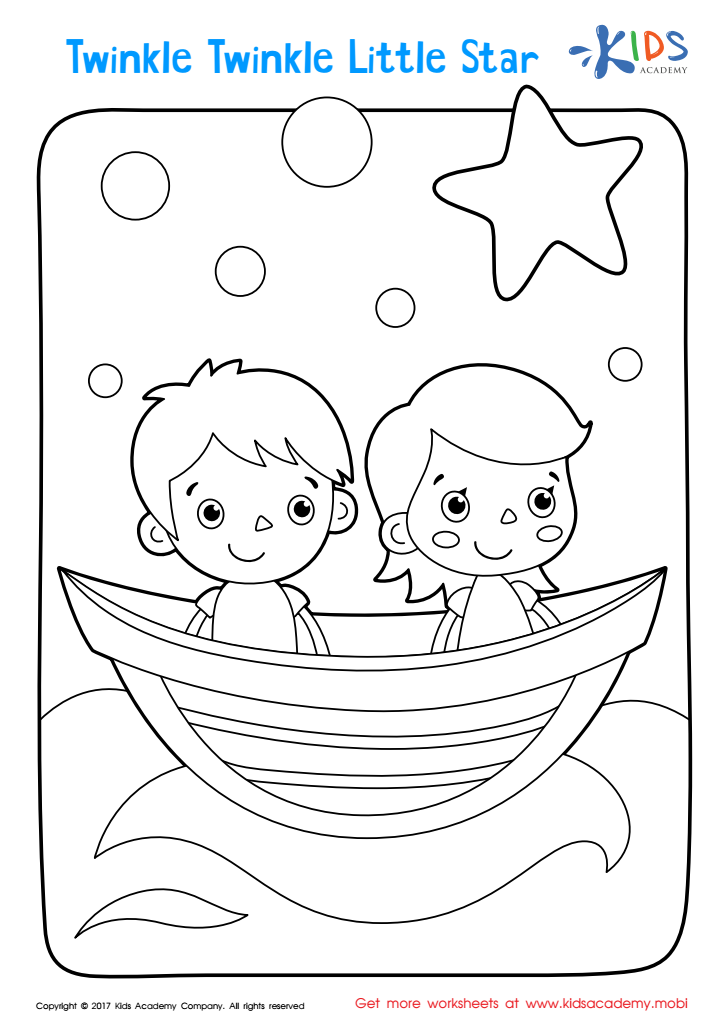
Twinkle Twinkle Little Star Coloring Page
Let your child wish upon a star as they color this scene of boy and girl stargazing. Sing Twinkle Twinkle Little Star while they choose colors to show the star twinkling in the night sky.
Download (PDF)
 Assign to My Students
Assign to My Students
Twinkle Twinkle Little Star Coloring Page
Worksheet
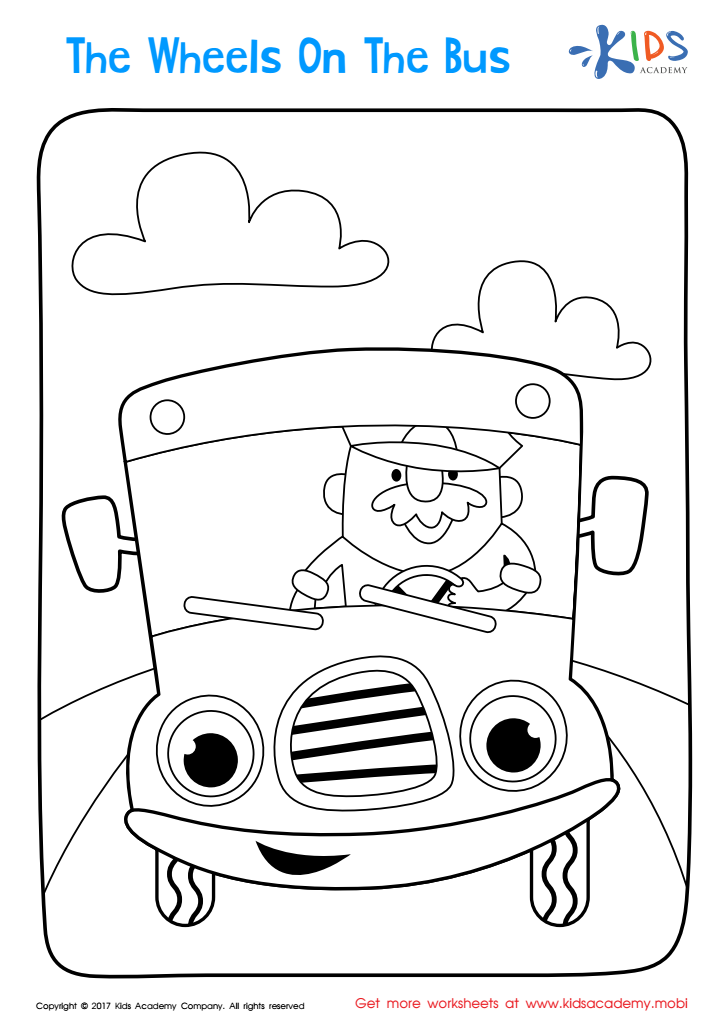
The Wheels on the Bus Coloring Page
Colour and sing with this printable Wheels on the Bus page! Let your child have fun singing the song with you as they colour. It'll make the activity even more entertaining and memorable.
Download (PDF)
Assign to My Students
Assign to My Students
The Wheels on the Bus Coloring Page
Worksheet
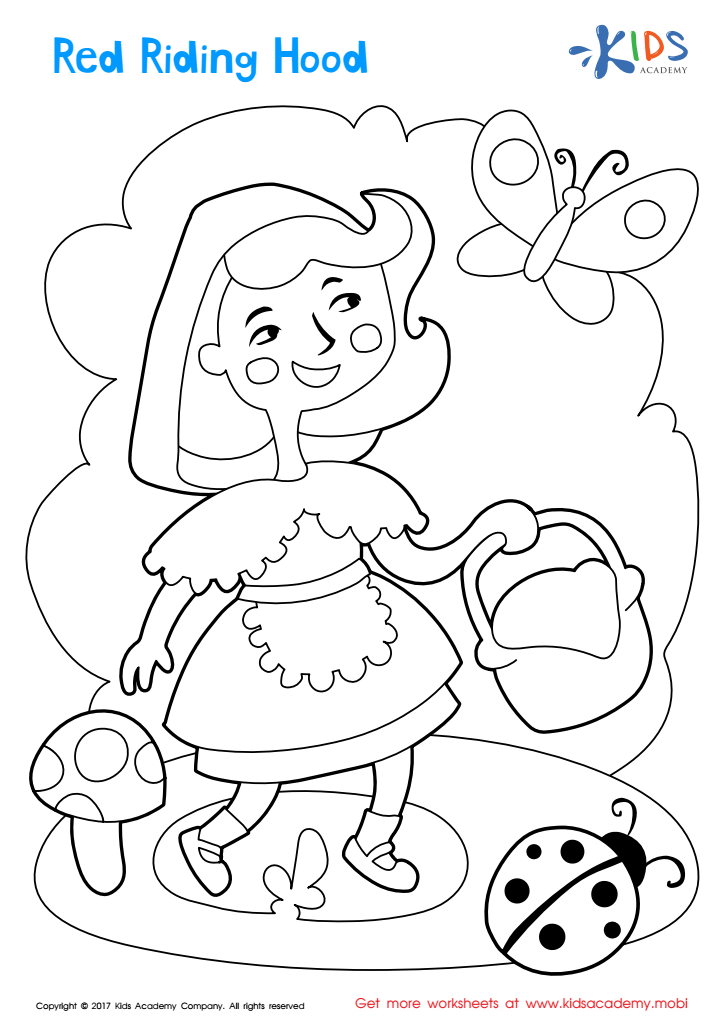
Red Riding Hood Coloring Page
Red Riding Hood awaits in the woods, with a butterfly, mushroom, and ladybug around her. Let your child bring the story to life with this magical printable coloring page. Fairytale fun for all!
Download (PDF)
Assign to My Students
Assign to My Students
Red Riding Hood Coloring Page
Worksheet
Join Kids Academy for Free
Who is primarily going to use this learning content?







Color recognition is a fundamental skill for children aged 6-7, and it plays an essential role in their overall cognitive development and early literacy. At this stage, children are not only learning to identify and name colors, but they are also starting to make connections between colors and words, which enhances their reading skills. Recognizing colors can aid in vocabulary expansion, as children learn to describe objects and experiences in their environment.
Additionally, color recognition can enhance fine motor skills and creativity, especially as children engage in art and hands-on activities where they mix and match colors. Teachers and parents should care about this aspect of learning because it contributes to a child's ability to understand social cues, categorize information, and express themselves creatively.
Moreover, the ability to recognize and differentiate colors is often linked to spatial awareness and attention to detail, both crucial for mathematics and problem-solving tasks. Encouraging color recognition through playful learning experiences, such as games and storytelling, can create a positive learning environment that nourishes a child's enthusiasm for exploration and learning. Thus, fostering color recognition is a building block towards comprehensive literacy, cognitive skills, and emotional development in early education.








