Vocabulary development Normal Reading Comprehension Worksheets for Ages 6-7
5 filtered results
-
From - To
Boost your child's vocabulary and reading comprehension with our "Vocabulary Development Normal Reading Comprehension Worksheets" designed specifically for ages 6-7. These engaging worksheets help young learners expand their word knowledge through fun exercises that focus on context clues, word meanings, and usage in sentences. Each worksheet is tailored to enhance literacy skills, making learning exciting while fostering a love for reading. Ideal for classroom or at-home use, our printable resources encourage parents and teachers to engage with children actively. Help your child unlock their reading potential and build confidence in their vocabulary with our user-friendly materials today!
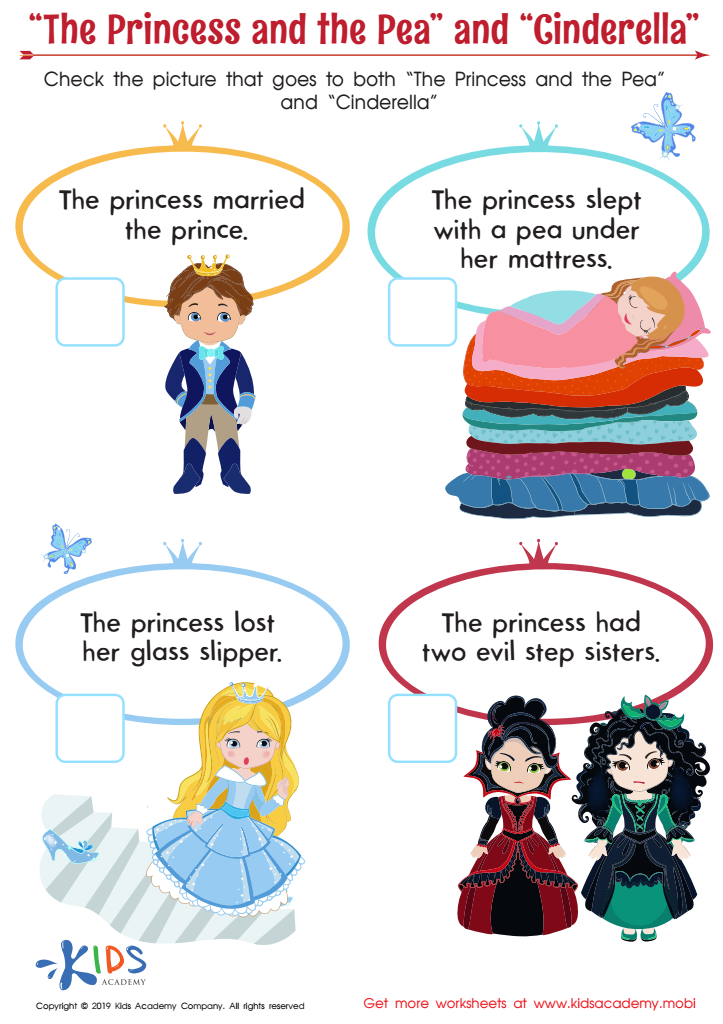
“The Princess and the Pea” and “Cinderella” Worksheet
 Assign to My Students
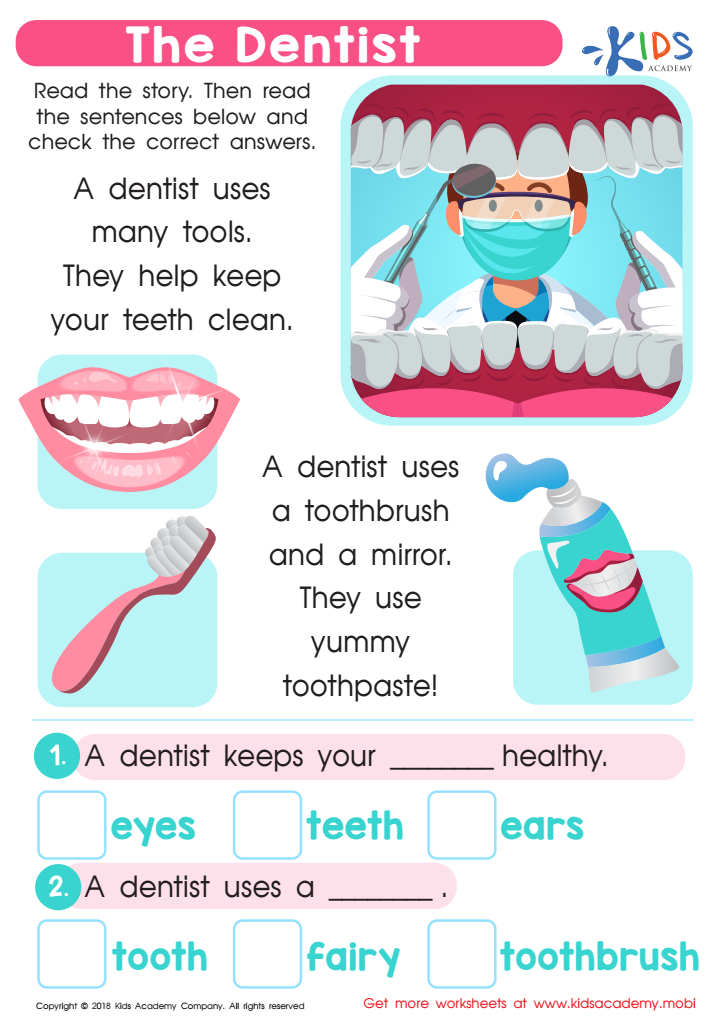
The Dentist Worksheet
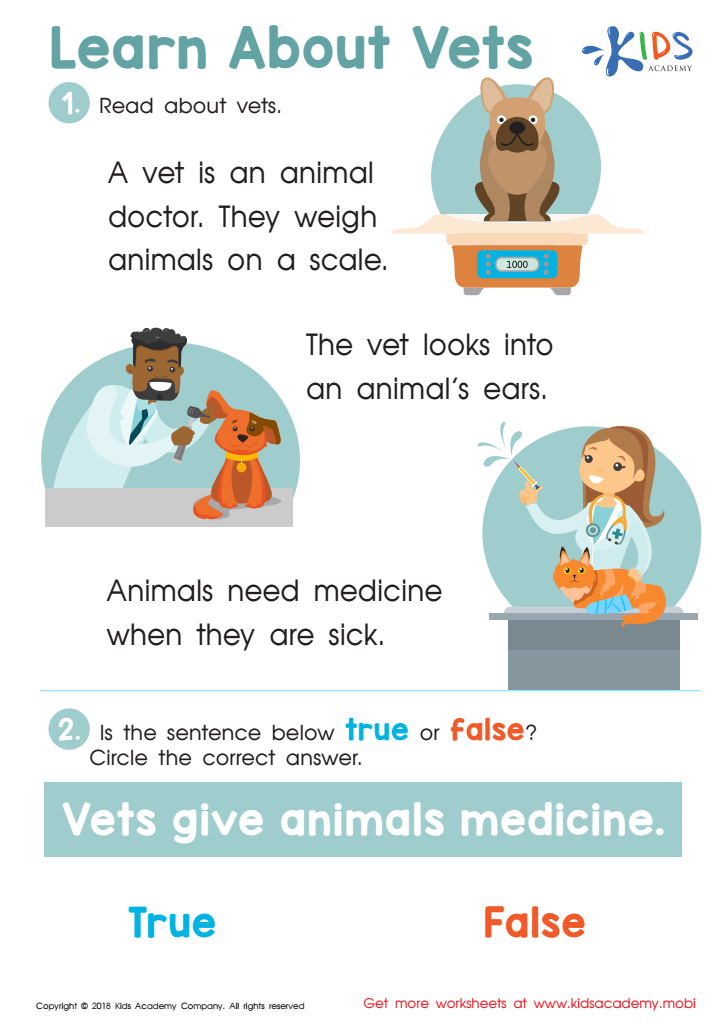
Learn About Vets Worksheet
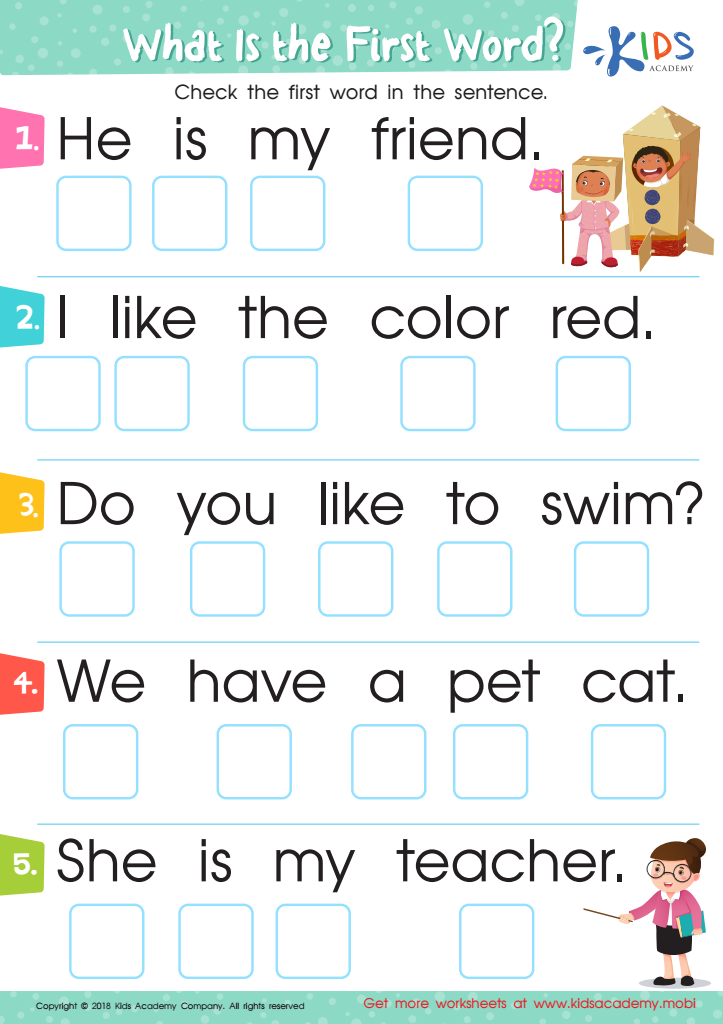
What is the First Word? Worksheet
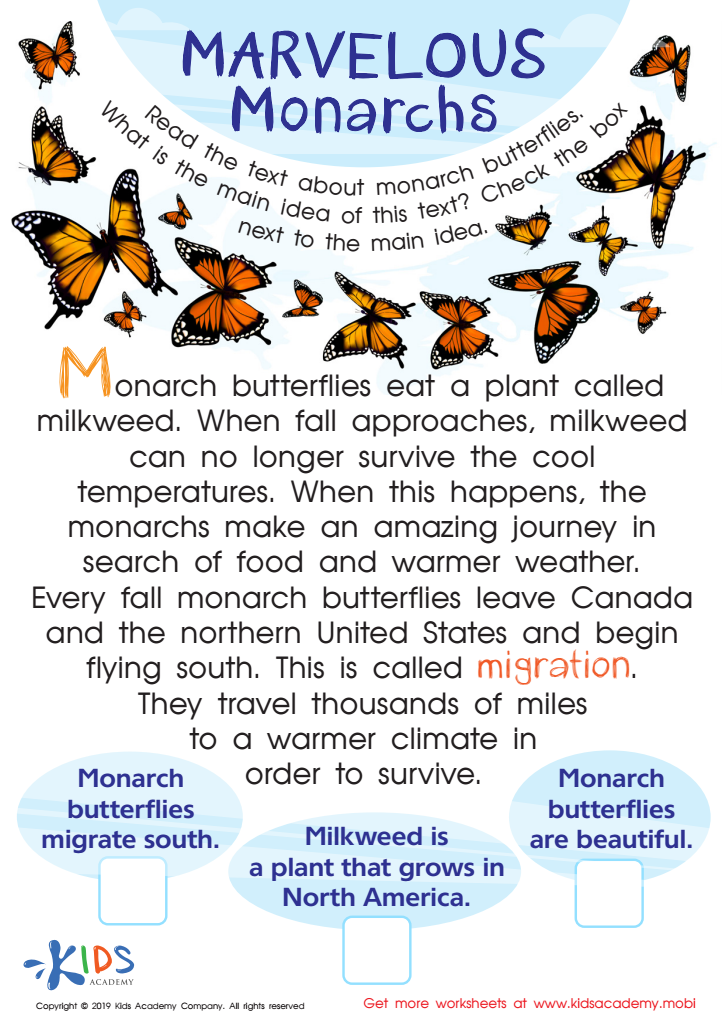
Marvelous Monarchs Worksheet


.jpg)





Vocabulary development and reading comprehension are critical for children aged 6-7, as these skills form the foundation for successful learning in later years. At this age, children are transitioning from learning to read to reading to learn, making it essential that they develop a robust vocabulary. A strong vocabulary enables children to understand and engage with texts, facilitating deeper comprehension of both fiction and non-fiction materials.
When children possess a rich vocabulary, they can more easily grasp concepts, infer meanings, and respond effectively both in writing and verbally. This lays the groundwork for academic success and boosts their confidence in communication.
Teachers and parents can play a pivotal role in this development by incorporating vocabulary-building activities, such as reading aloud, discussing new words, and encouraging writing. Engaging children in discussions about stories helps them make connections and enhances their critical thinking skills.
Furthermore, a strong foundation in vocabulary directly correlates with a child’s overall literacy development, academic performance, and lifelong learning. It empowers children not just in school, but in social settings, helping them articulate their thoughts and feelings more clearly. Prioritizing vocabulary development is, therefore, vital to nurturing well-rounded, confident learners.








