Letter recognition Normal ABC Letters Worksheets for Ages 6-8
15 filtered results
-
From - To
Discover our "Letter Recognition Normal ABC Letters Worksheets" designed for children ages 6-8. Perfect for early grade learning, these engaging worksheets from Kids Academy enhance your child's ability to identify and recognize each letter of the alphabet. Ideal for strengthening foundational reading skills, our fun activities keep young learners captivated while boosting their confidence. Explore a variety of exercises aimed at developing essential language abilities in an interactive and enjoyable way. Give your child the best start with our expertly crafted resources that align with educational standards and foster a love for reading and writing.
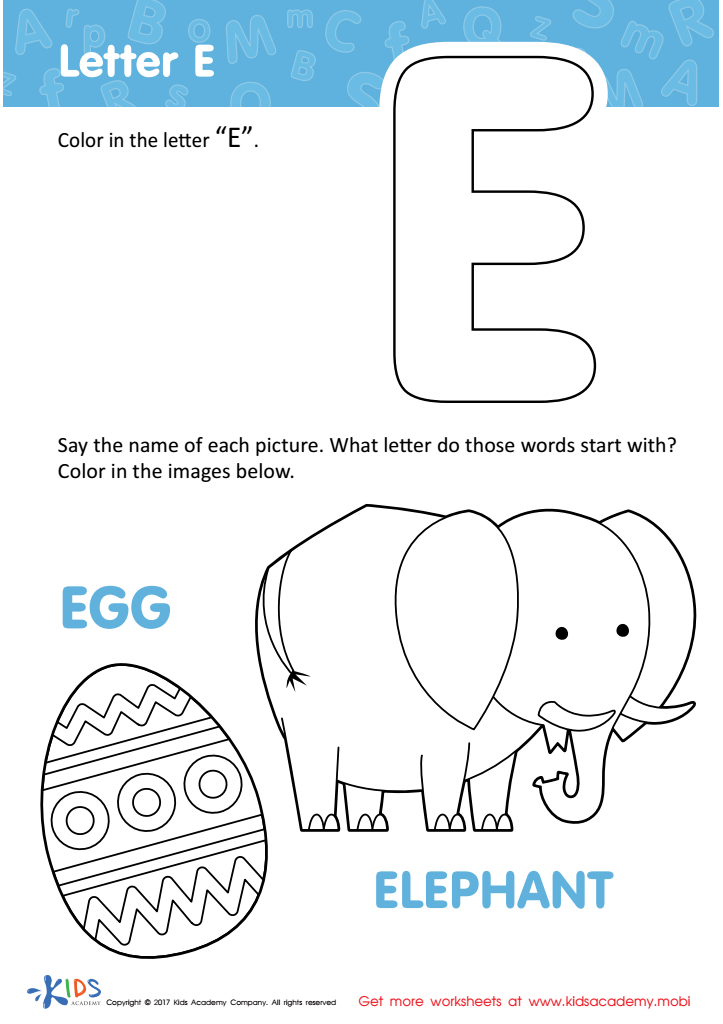
Letter E Coloring Sheet
 Assign to My Students



Letter P Tracing Page
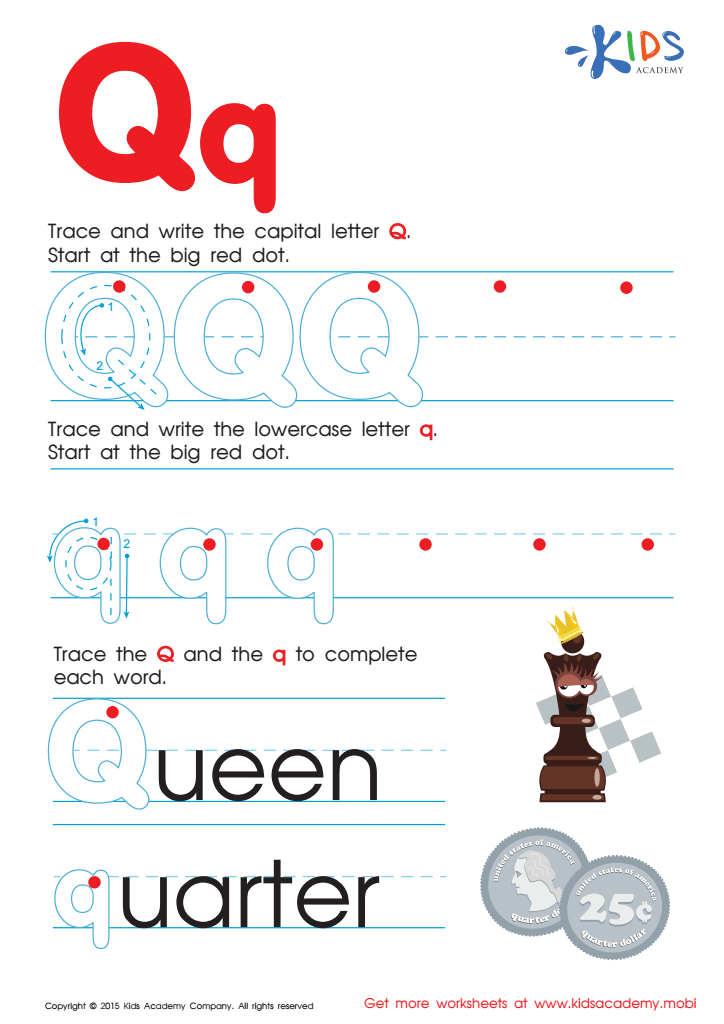
Letter Q Tracing Page

Letter H Tracing Page

Letter G Tracing Page
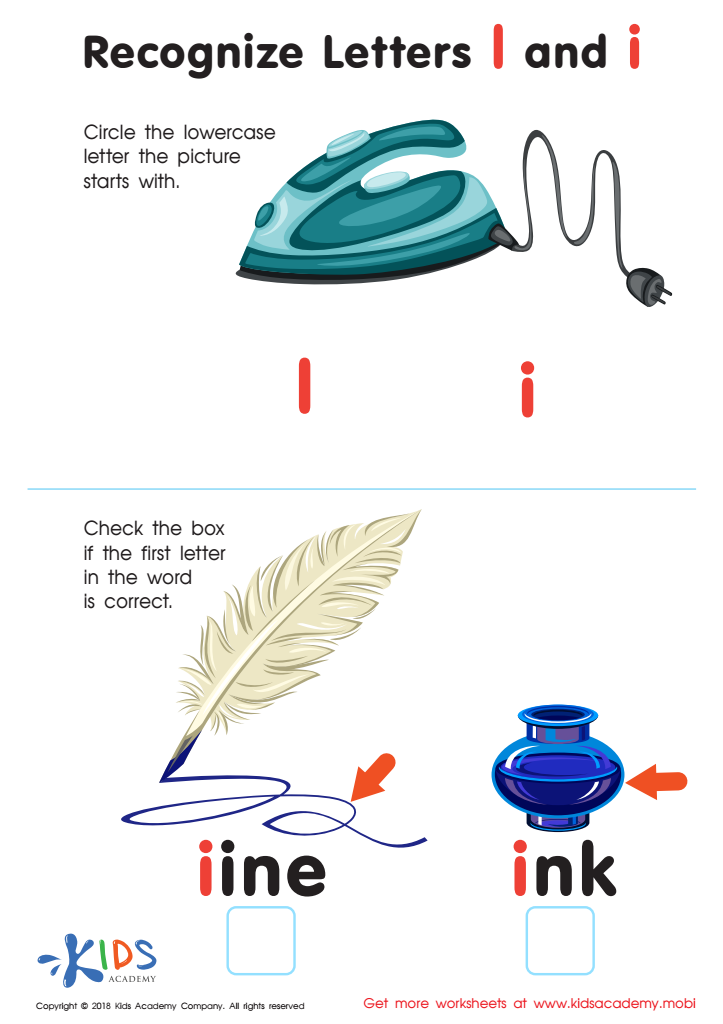
Recognize Letters l and i Worksheet
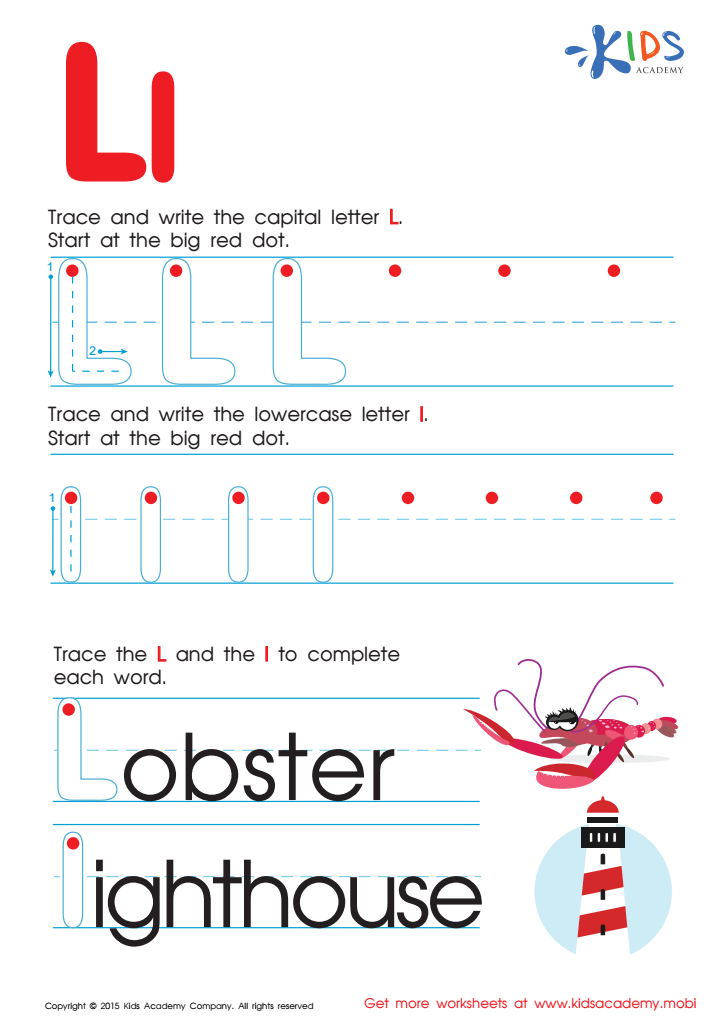
Letter L Tracing Page
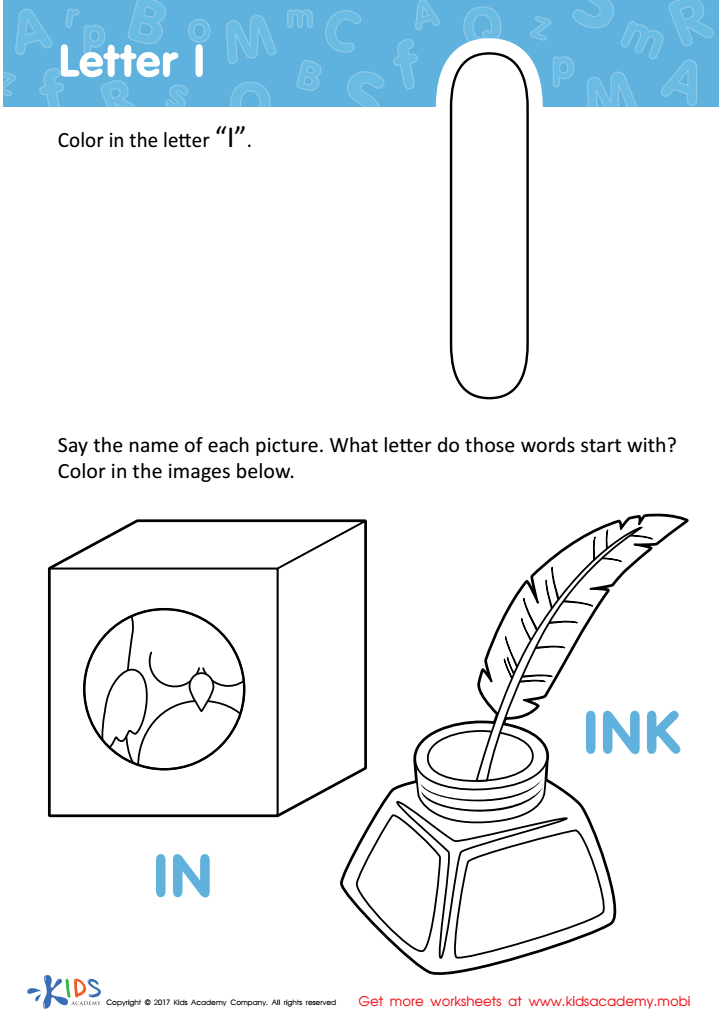
Letter I Coloring Sheet
Assign to My Students
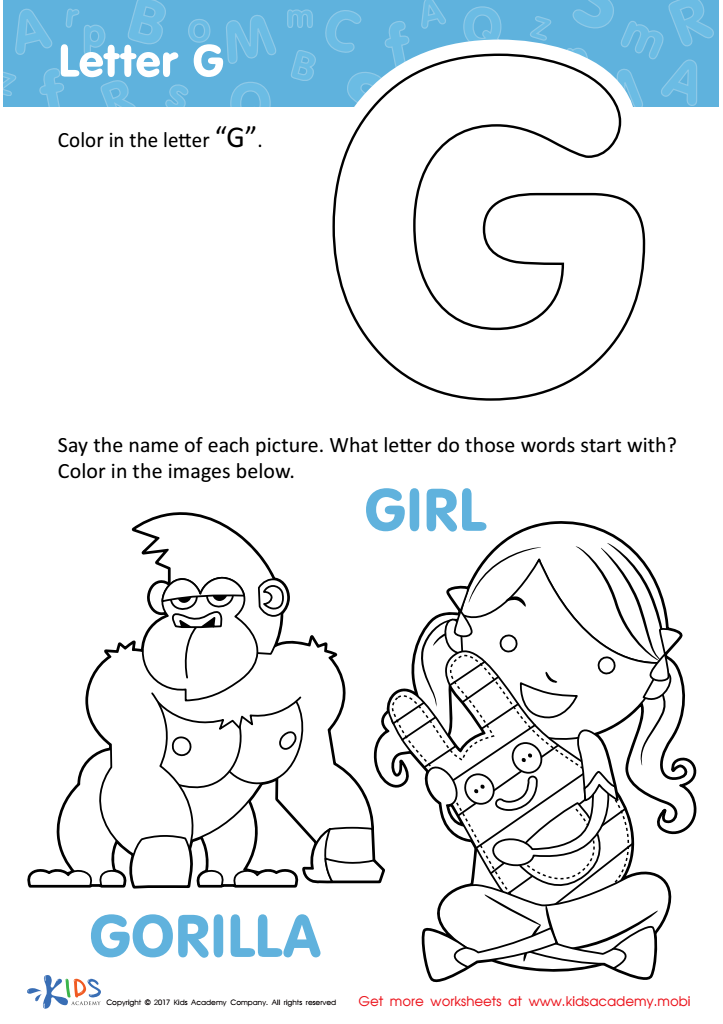
Letter G Coloring Sheet
Assign to My Students

Letter J Coloring Sheet
Assign to My Students
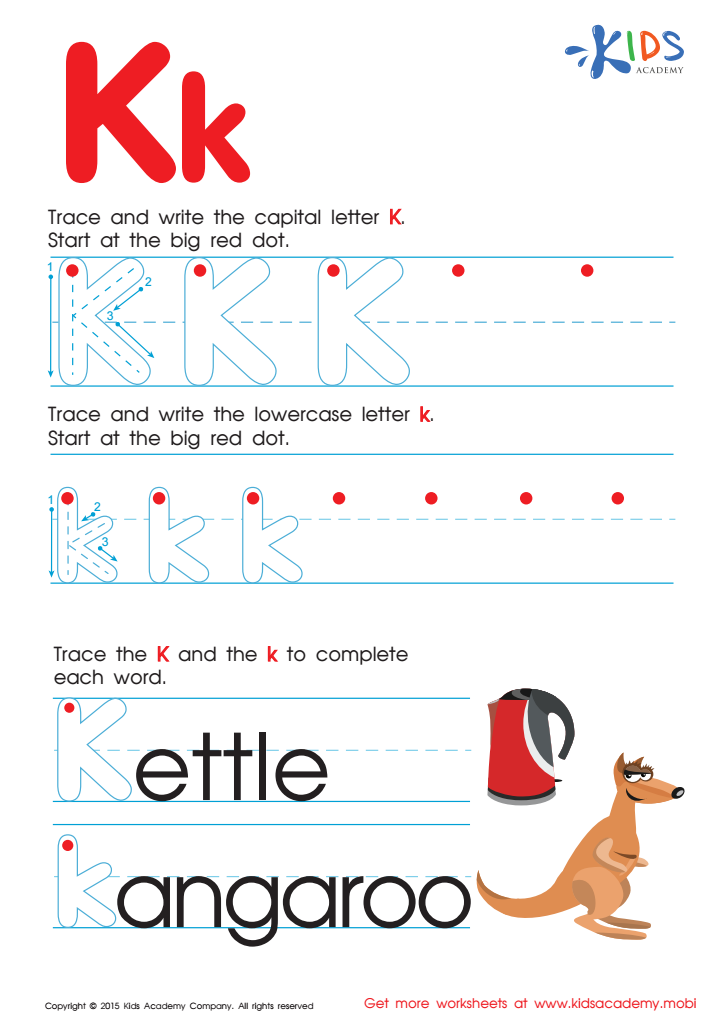
Letter K Tracing Page
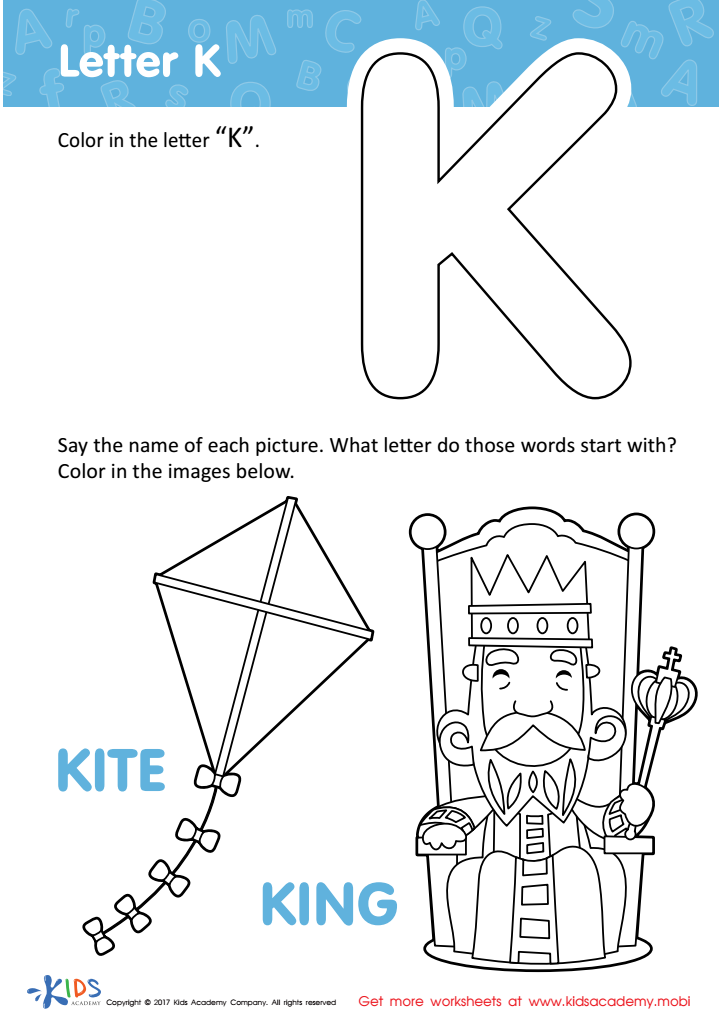
Letter K Coloring Sheet
Assign to My Students
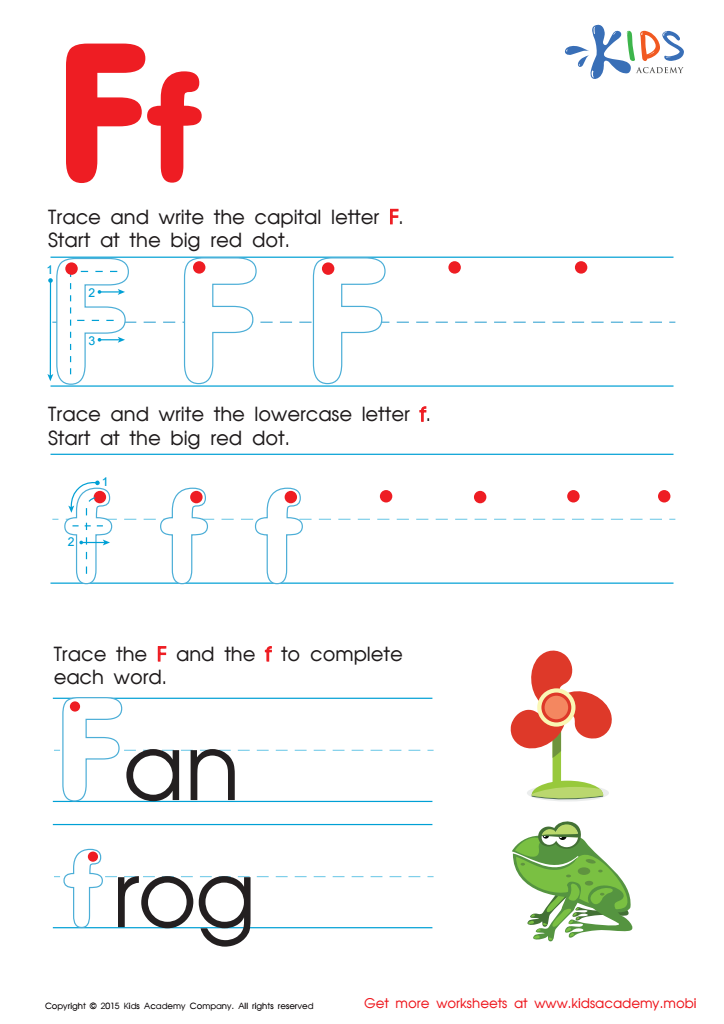
Letter F Tracing Page
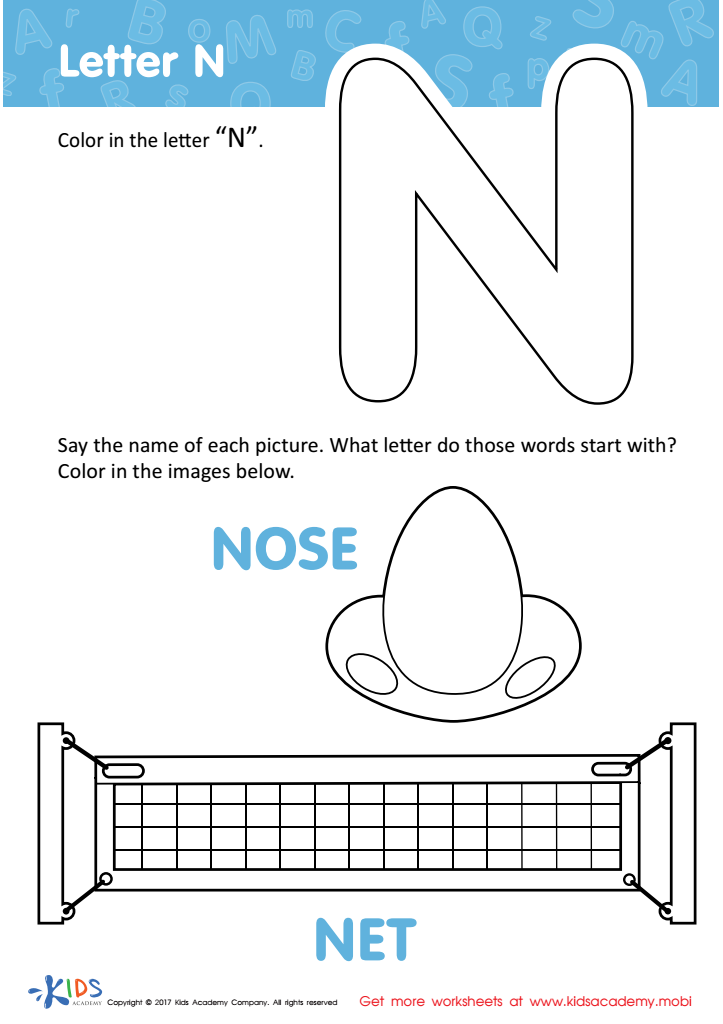
Letter N Coloring Sheet
Assign to My Students

Letter D Tracing Page







Letter recognition is a foundational skill for children aged 6-8, serving as the building block for literacy. Both parents and teachers should prioritize it because it directly impacts a child’s ability to read and write. Learning to recognize ABC letters helps children decode new words, understand their meanings, and read fluently. Early mastery of letter recognition makes reading less daunting, leading to self-confidence and a love for reading.
Moreover, letter recognition is closely linked to phonemic awareness. When children recognize letters, they start associating them with specific sounds, a skill essential for spelling and pronunciation. This connection between letters and sounds aids in word formation and comprehension, forming the basis of effective communication.
Academic success is another critical aspect. Proficiency in letter recognition prepares children for more complex literacy tasks they will encounter in older grades, reducing frustration and enabling smoother progression through the curriculum. For parents, supporting letter recognition fosters a positive learning environment at home, while for teachers, it equips them to tailor instruction to meet each child’s learning needs.
In summary, emphasizing letter recognition in early grades lays a strong educational foundation, encouraging continuous academic and personal growth. When parents and teachers prioritize this skill, they set children on a path toward lifelong learning and success.







