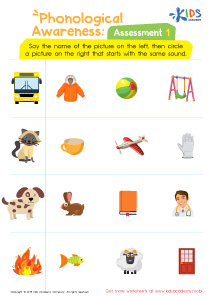
Phonics practice Normal Consonants Worksheets for Ages 6-8
5 filtered results
-
From - To
Enhance your child's reading skills with our Phonics Practice Normal Consonants Worksheets, specifically designed for ages 6-8. These engaging worksheets focus on reinforcing consonant recognition and pronunciation, making phonics learning fun and interactive. Each worksheet features colorful illustrations and diverse activities to captivate young learners' attention, while fostering essential language skills. Parents and educators can easily incorporate these worksheets into daily learning routines, promoting literacy development in a structured yet enjoyable way. Explore our collection and give your child the tools they need to succeed in reading, spelling, and beyond! Dive into phonics practice today and watch their confidence grow!
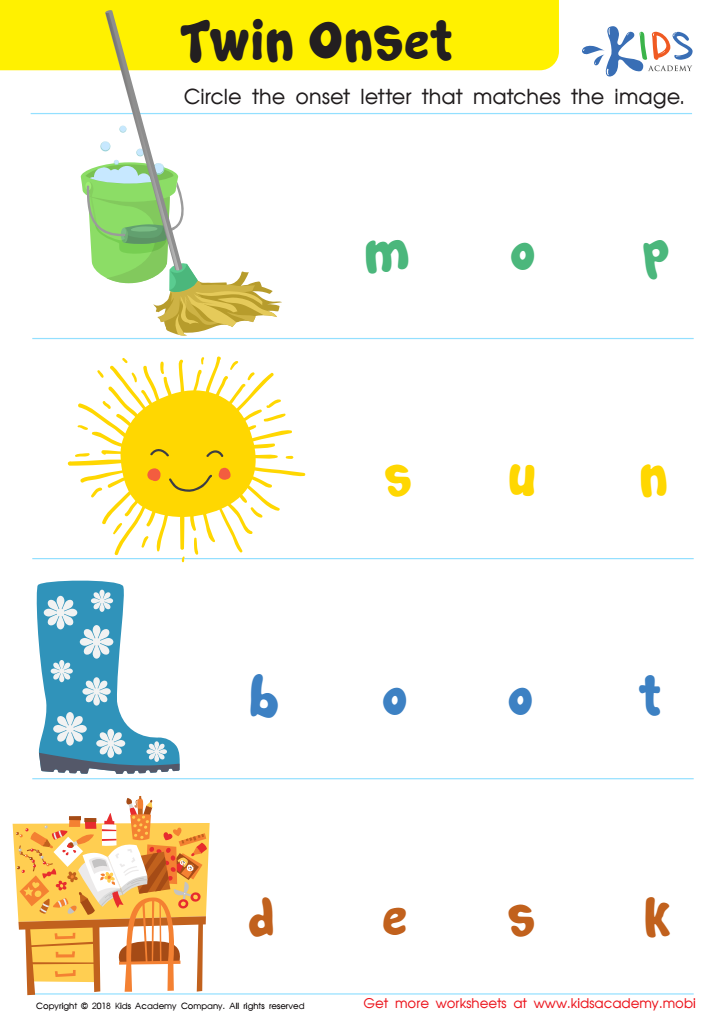
Twin Onset Worksheet
 Assign to My Students
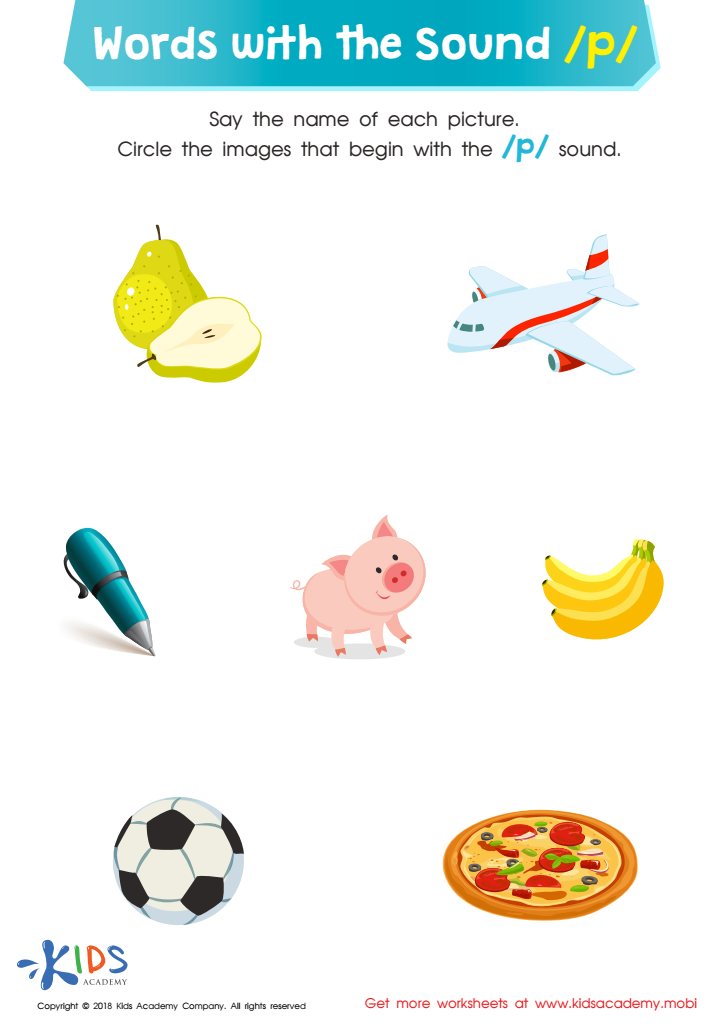
Words with sound p Reading Worksheet
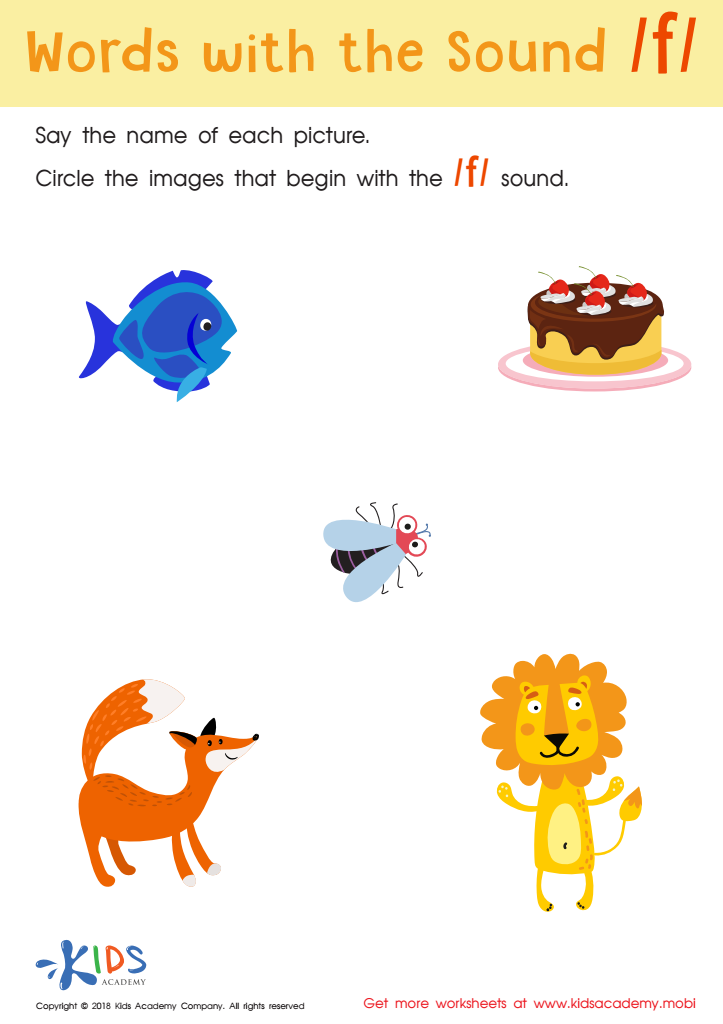
Words with sound f Reading Worksheet
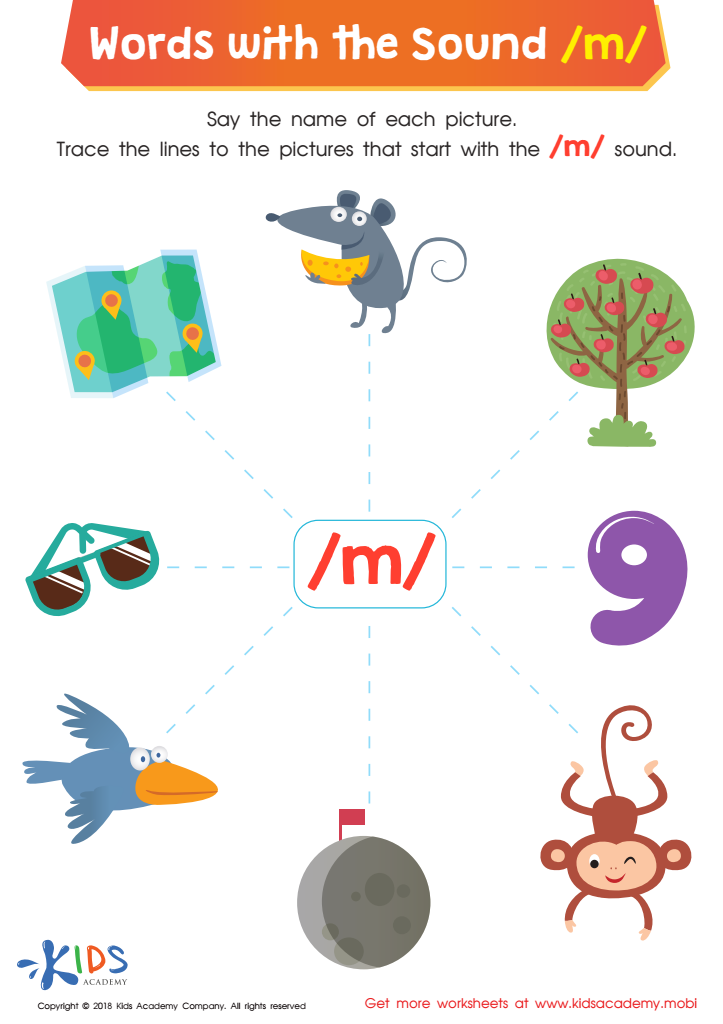
Words with Sound M Reading Worksheet
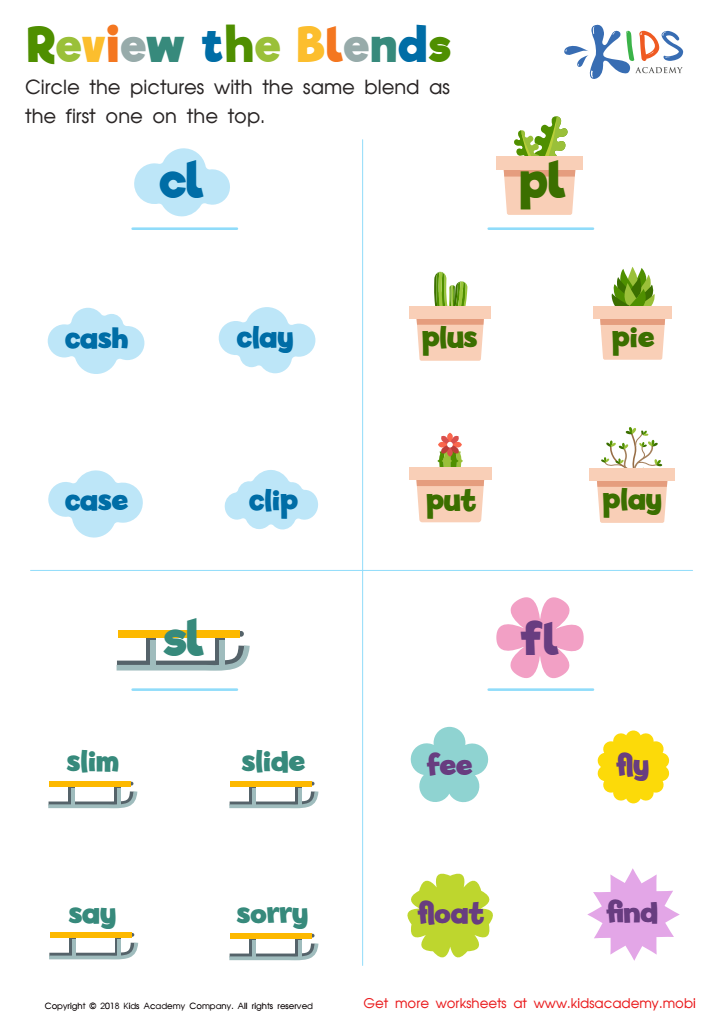
Review the Blends Worksheet



Phonics practice, particularly with normal consonants, is essential for children aged 6-8 as they navigate the foundational stages of literacy. This age group often begins to move beyond decoding simple words, gaining the skills necessary for reading fluency and comprehension. Familiarity with normal consonants—those consonant sounds that are pronounced as they are typically heard—creates a scaffolding for understanding more complex phonetic patterns.
Parents and teachers should care about phonics practice because it directly impacts a child's ability to read independently. Mastery of consonants leads to improved blending skills, allowing children to sound out new words and develop a richer vocabulary. This empowerment not only bolsters their reading confidence but also encourages a lifelong love for reading.
Moreover, phonics provides essential tools for spelling and writing, and it lays the groundwork for academic success in all subjects. Children who struggle with phonics may experience frustration, leading to decreased motivation and self-esteem. By emphasizing phonics practice with normal consonants, parents and teachers foster a supportive environment that nurtures literacy skills, ensuring that children can meet educational benchmarks while preparing for more advanced reading and language challenges in the future.