Alphabet understanding Normal Alphabet Worksheets for Ages 6-8
6 filtered results
-
From - To
Unlock your child's potential with our Alphabet Understanding Normal Alphabet Worksheets designed specifically for ages 6-8! These interactive and engaging worksheets help children recognize, understand, and master the fundamentals of the alphabet. Featuring a variety of fun activities, from tracing to matching letters with images, these worksheets promote literacy skills while making learning enjoyable. As kids strengthen their alphabet knowledge, they'll gain confidence and prepare for more advanced reading and writing tasks. Ideal for home and classroom use, our Alphabet Understanding worksheets are a valuable resource to foster a love for learning and set the foundation for academic success. Start exploring today!
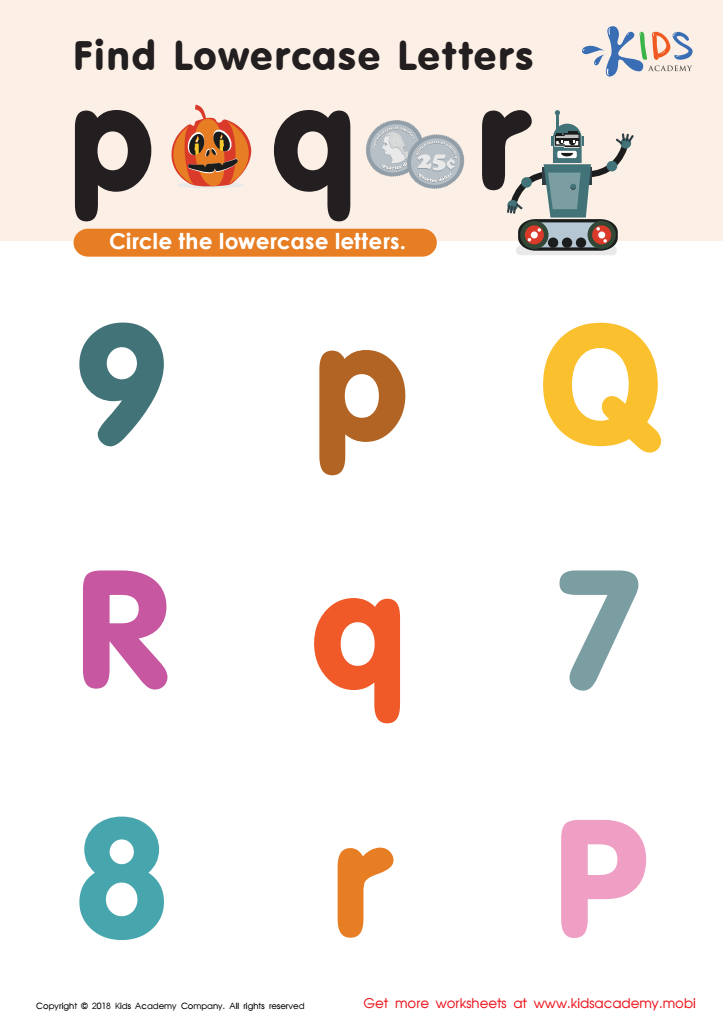
Find lowercase Letters p q r Worksheet
 Assign to My Students
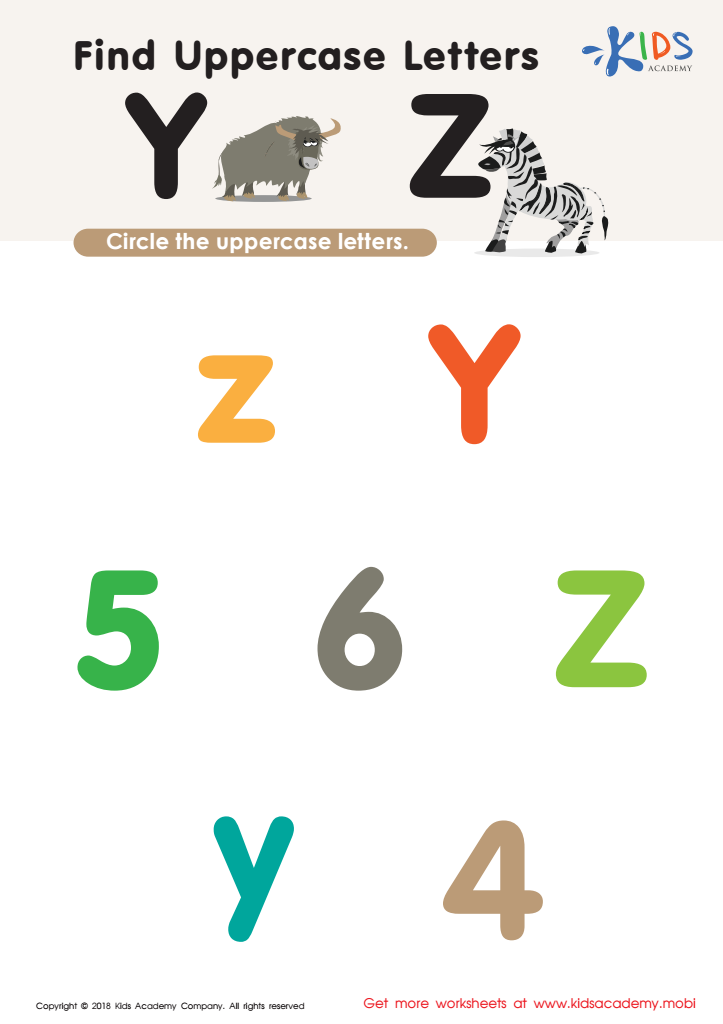
Find Uppercase Letters Y Z Worksheet
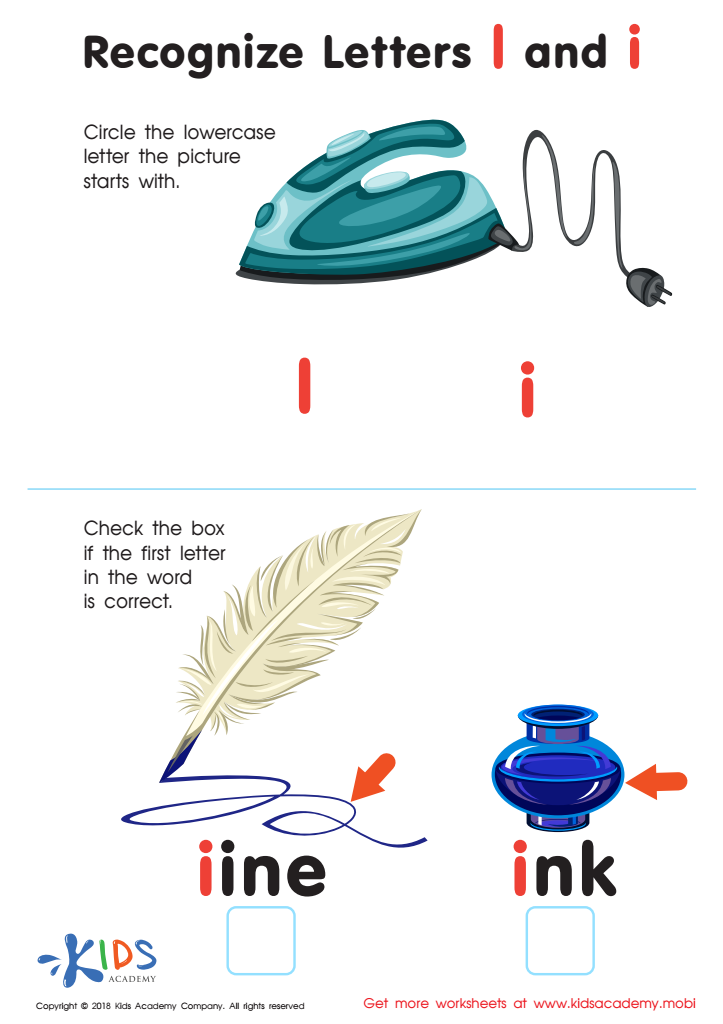
Recognize Letters l and i Worksheet
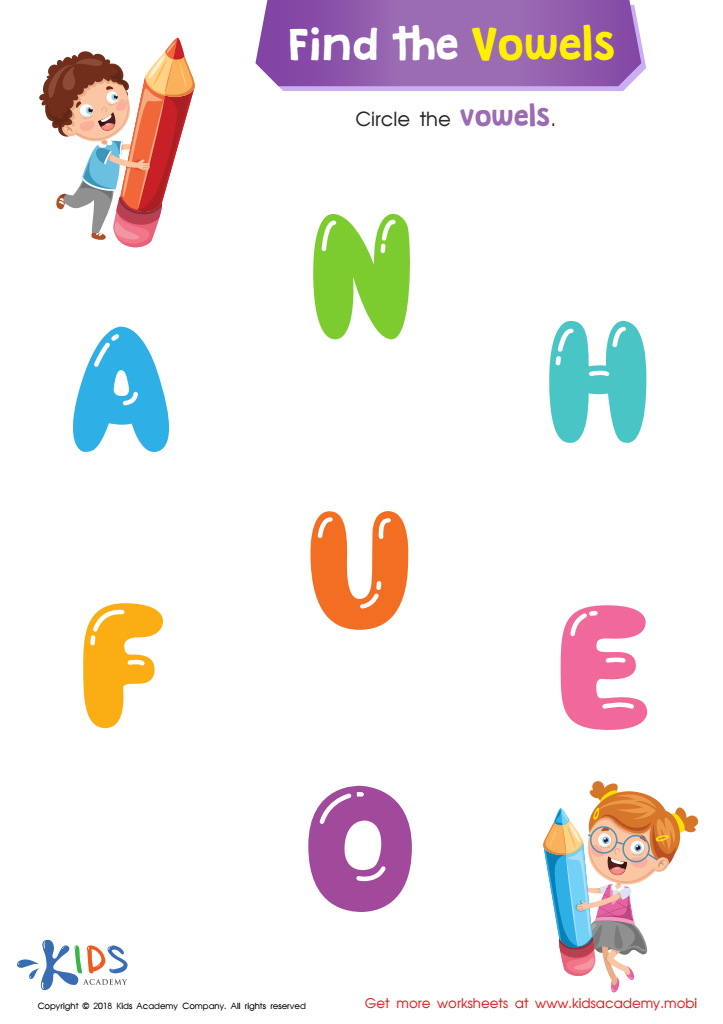
Find the Vowels Reading Worksheet

Find lowercase letters a b c Worksheet
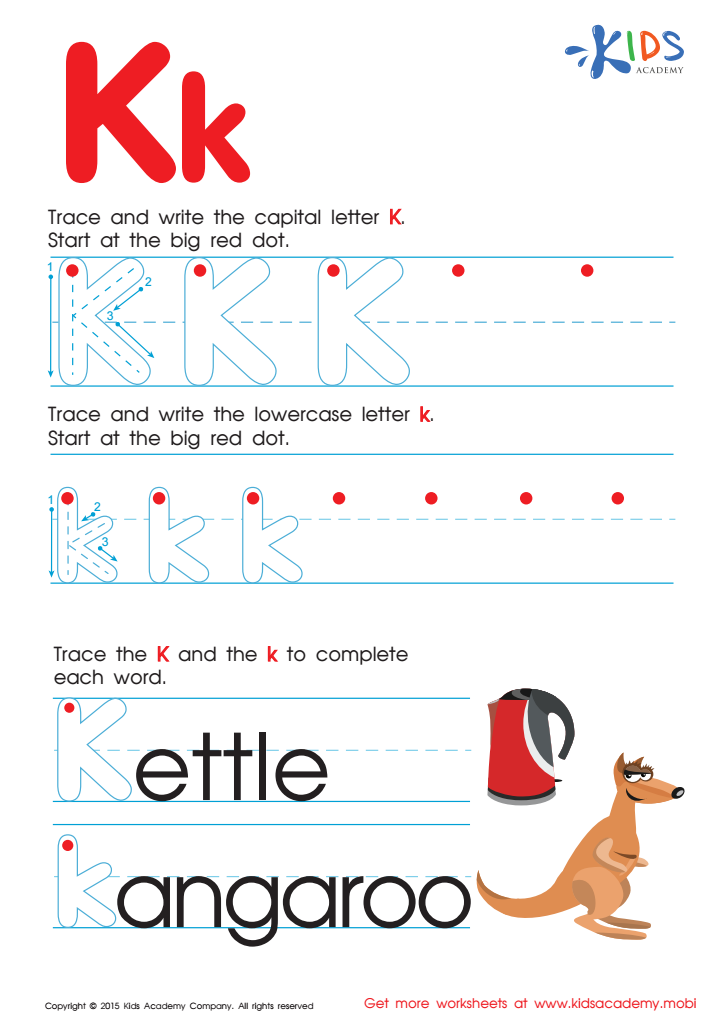
Letter K Tracing Page




.jpg)

Understanding the alphabet is crucial for children aged 6 to 8, as it forms the foundation of their literacy skills. During this developmental stage, children transition from learning individual letters to recognizing their sounds and blending these sounds to form words. This skill directly influences their reading abilities, comprehension, and overall academic performance.
Parents and teachers play a pivotal role in this process. By fostering a love for reading and writing, they can create a supportive environment that encourages children to explore language. Engaging activities, such as phonics games, storytelling, and interactive reading sessions, make learning enjoyable and effective.
Moreover, a solid grasp of the alphabet aids in social communication and builds confidence. Children who can read and write are more likely to engage in classroom discussions, express their thoughts clearly, and develop stronger relationships with peers.
In essence, when parents and teachers prioritize alphabet understanding at this age, they equip children with essential tools for their educational journey. Encouraging this foundational skill not only enhances language proficiency but also instills a lifelong love of learning. Supporting children's literacy development fosters critical thinking, creativity, and a greater ability to navigate the world around them.







