Fine Motor Skills Normal Letter Recognition Worksheets for Ages 6-8
41 filtered results
-
From - To
Explore our "Fine Motor Skills Normal Letter Recognition Worksheets" designed specifically for children ages 6-8. These engaging worksheets combine the essential elements of letter recognition with fine motor development, making learning enjoyable and effective. Each worksheet features a variety of activities, including tracing, coloring, and matching letters, all aimed at enhancing dexterity and hand-eye coordination. Perfect for home or classroom use, these printables help young learners build confidence in their alphabet skills while strengthening their writing abilities. Whether as a supplement to classroom instruction or a fun at-home activity, our resources support a well-rounded educational experience for early learners.
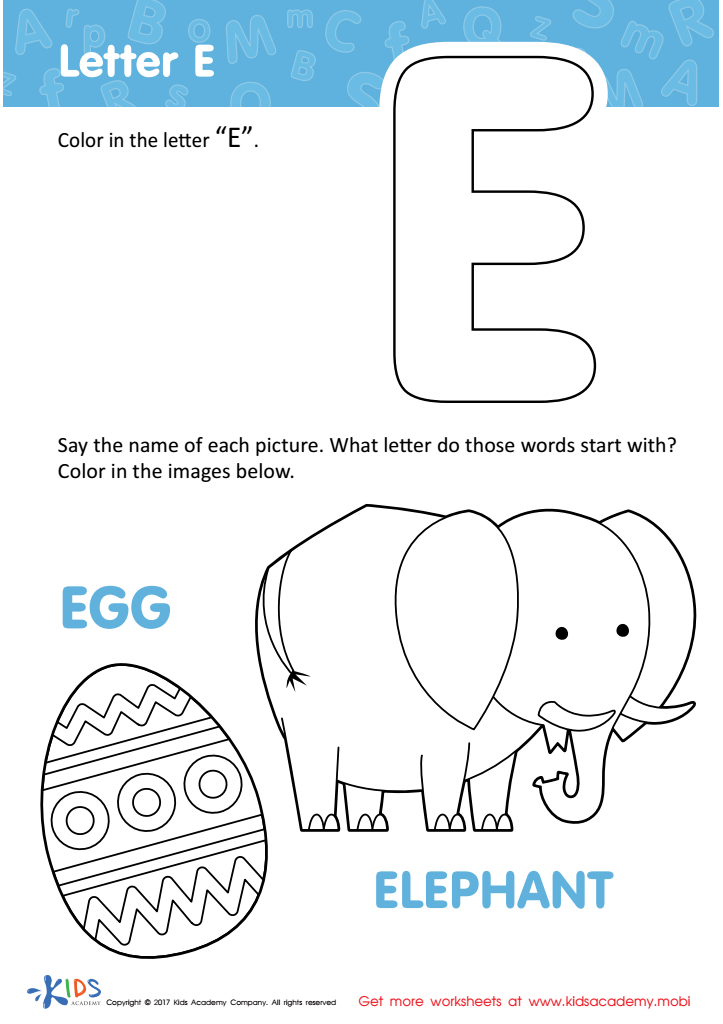
Letter E Coloring Sheet
 Assign to My Students
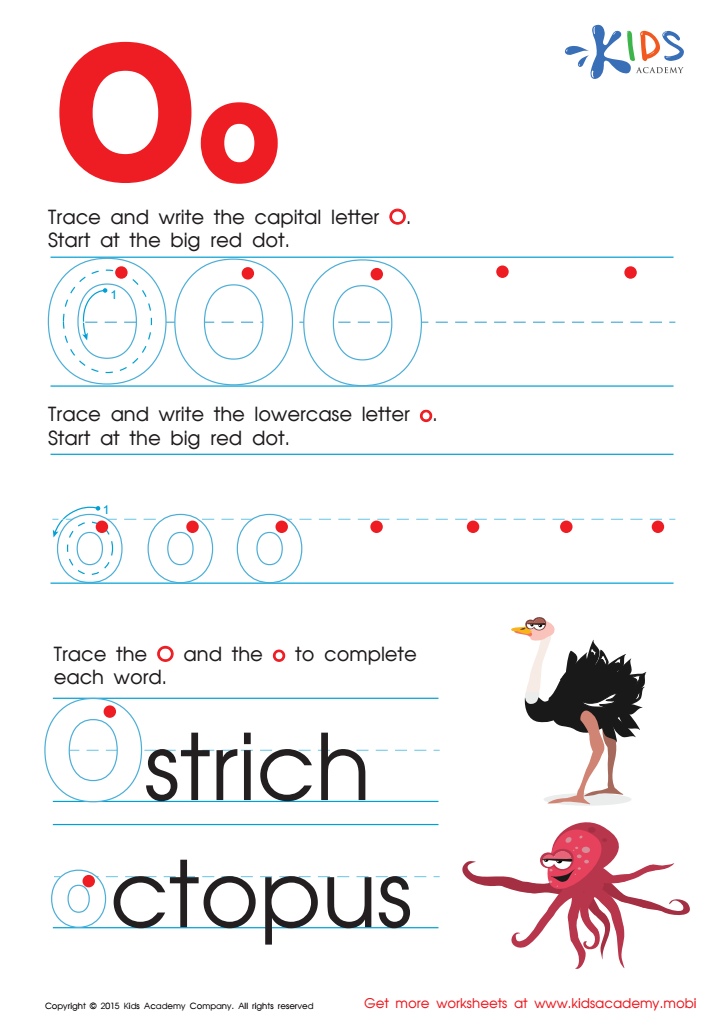
Letter O Tracing Page
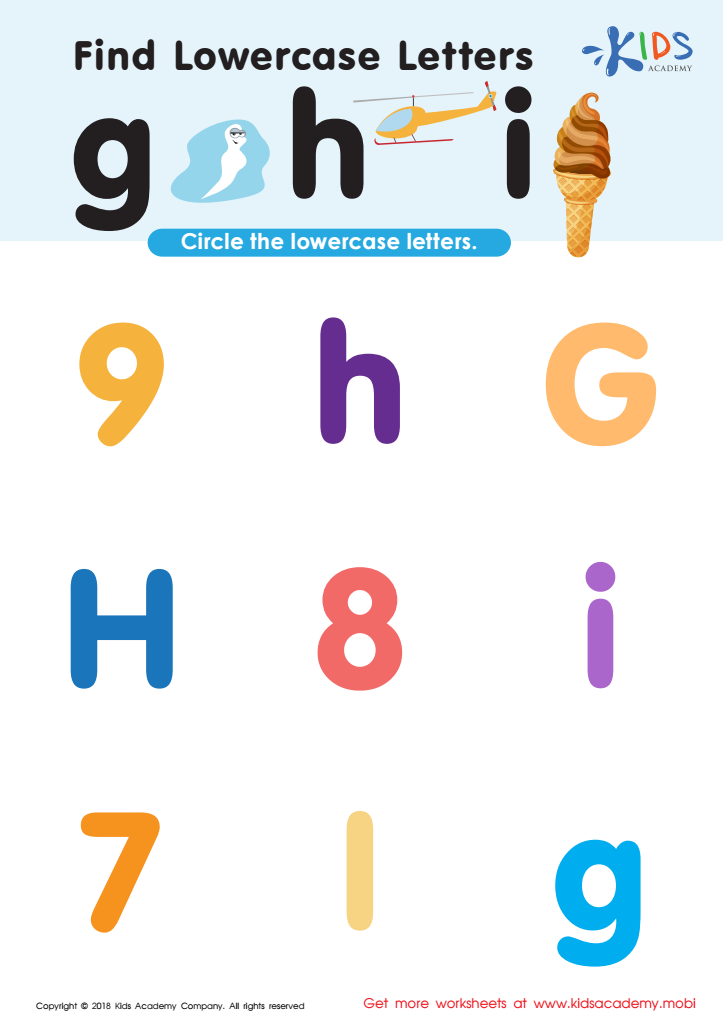
Find Lowercase Letters g h i Worksheet
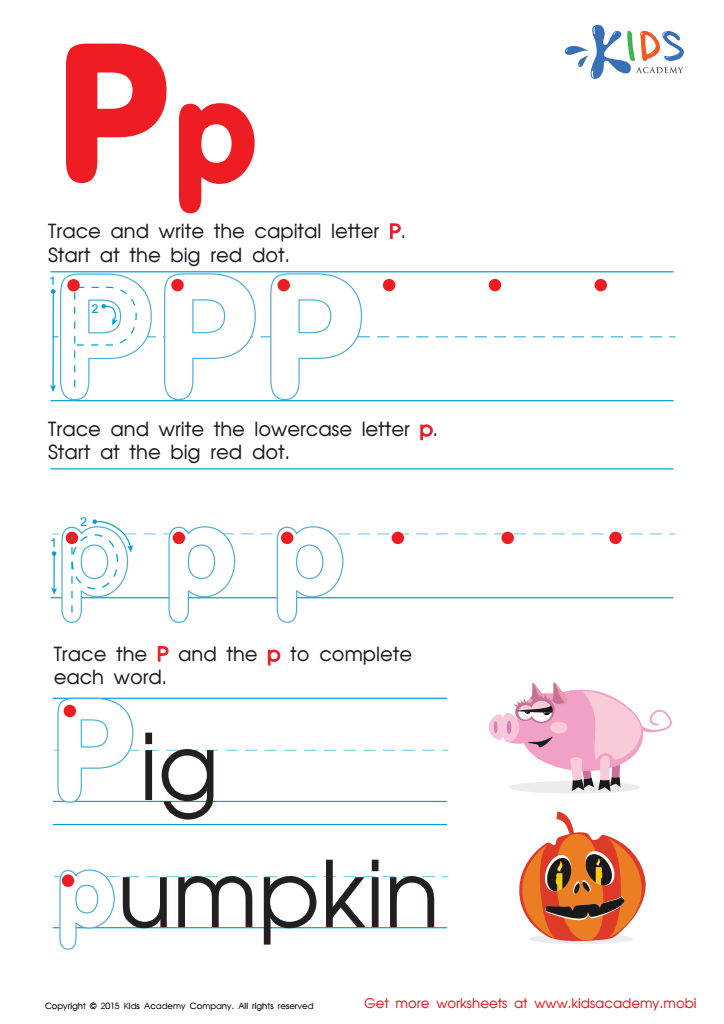
Letter P Tracing Page
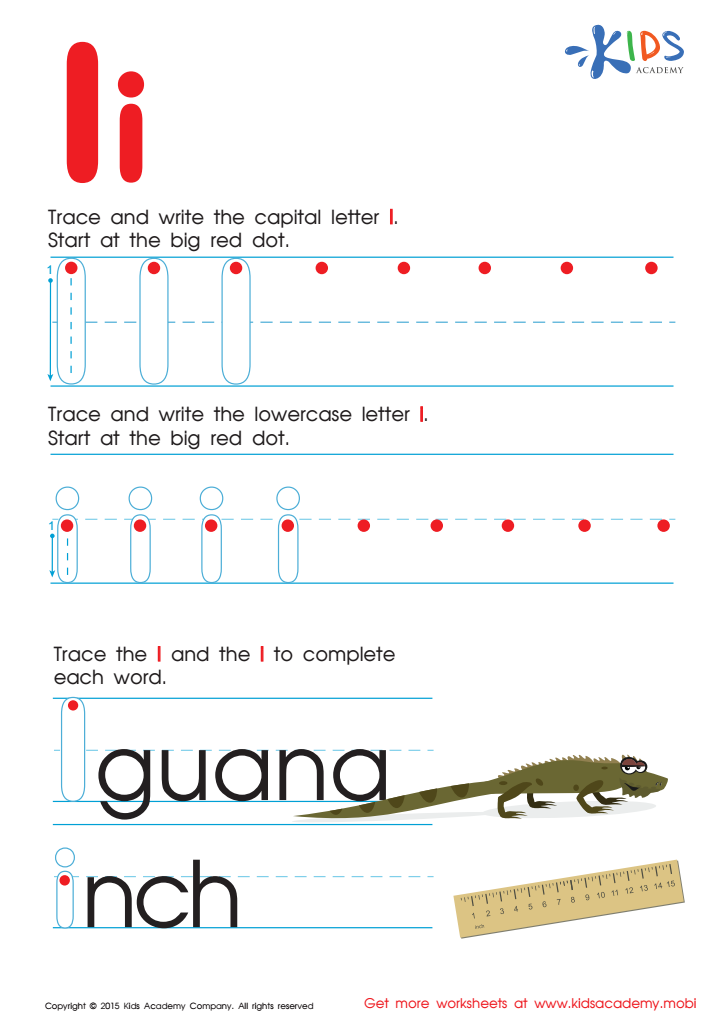
Letter I Tracing Page
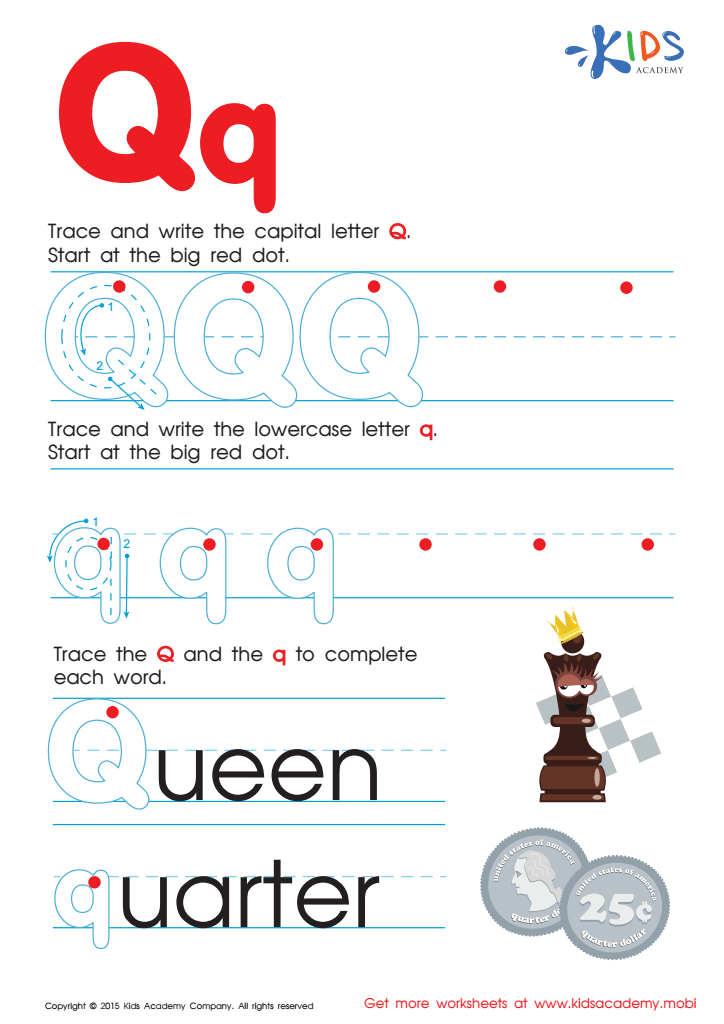
Letter Q Tracing Page
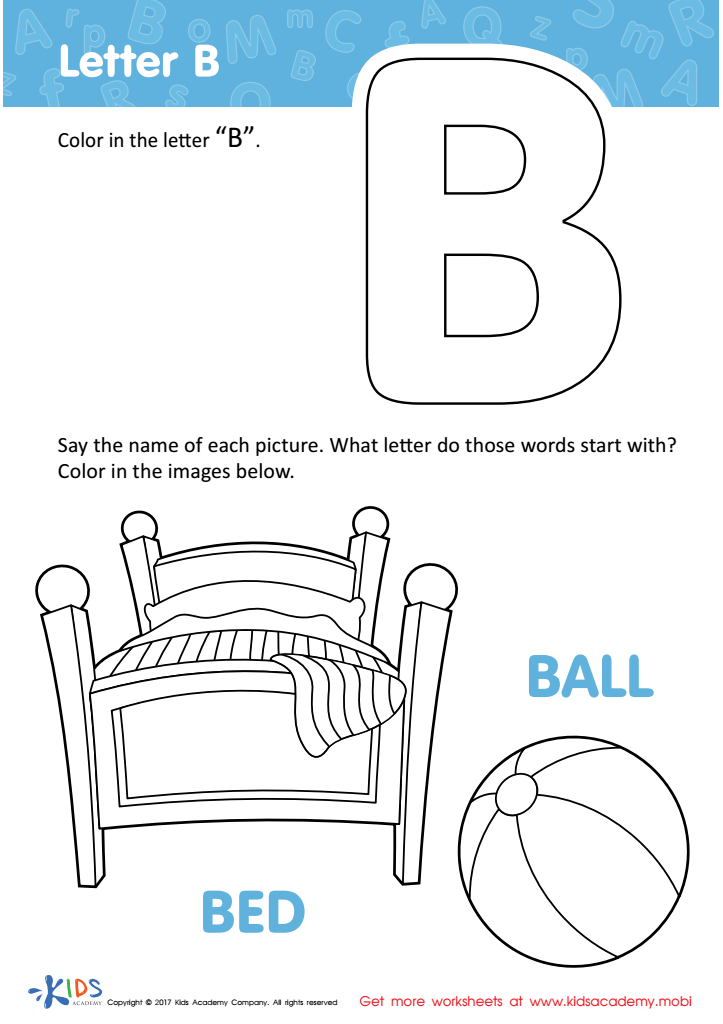
Letter B Coloring Sheet
Assign to My Students
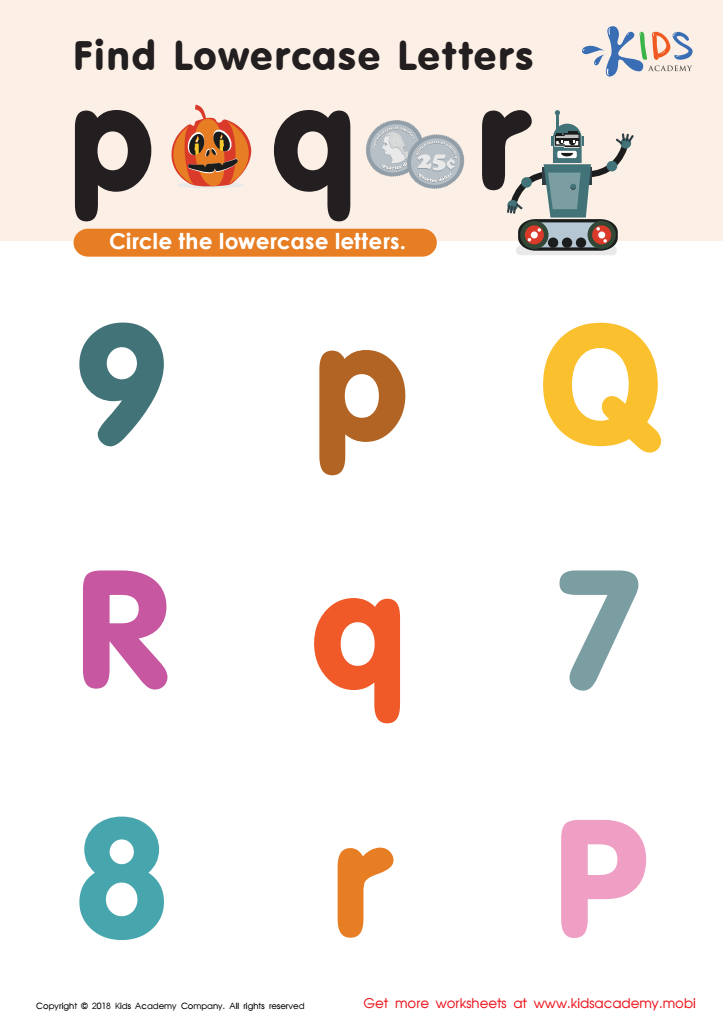
Find lowercase Letters p q r Worksheet
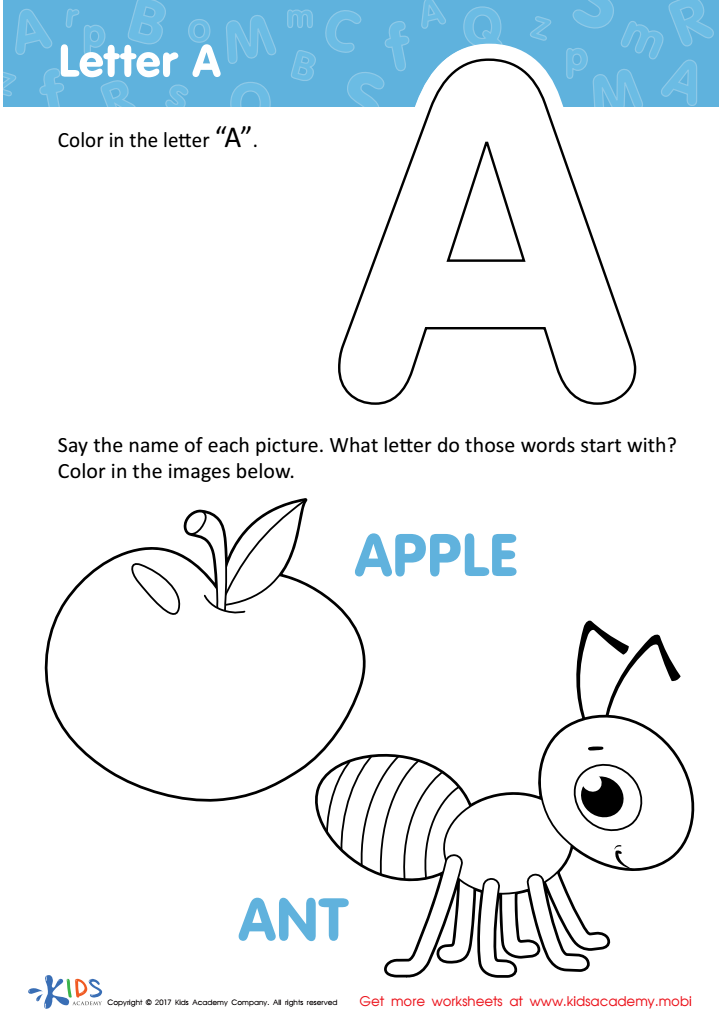
Letter A Coloring Sheet
Assign to My Students
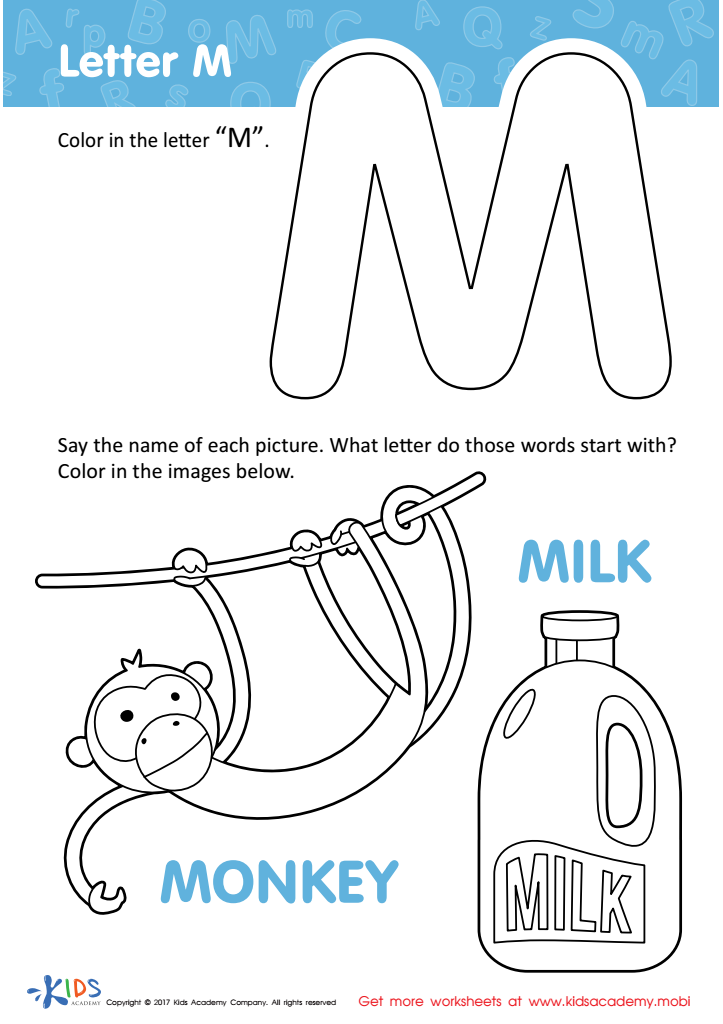
Letter M Coloring Sheet
Assign to My Students
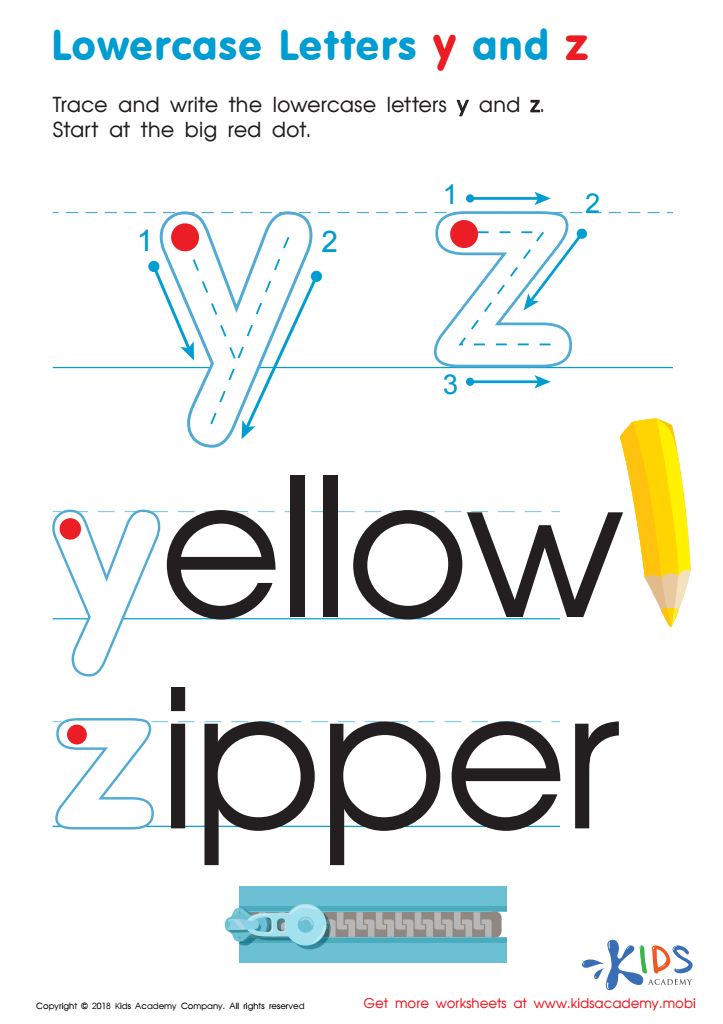
Lowercase Letters y z Worksheet
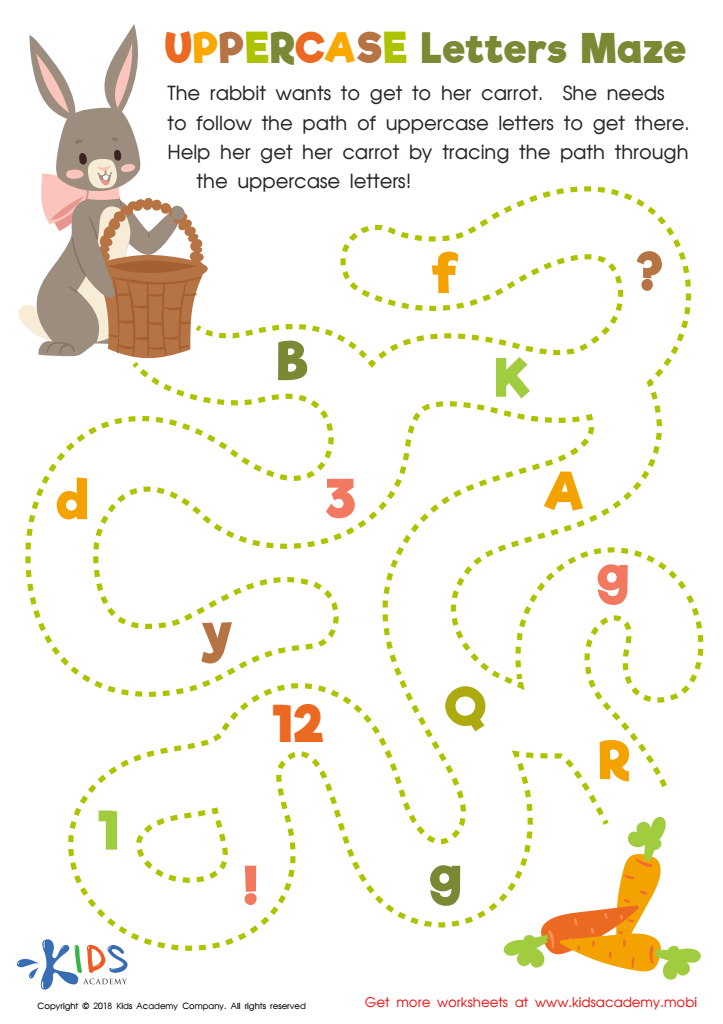
Uppercase Letters Maze Worksheet
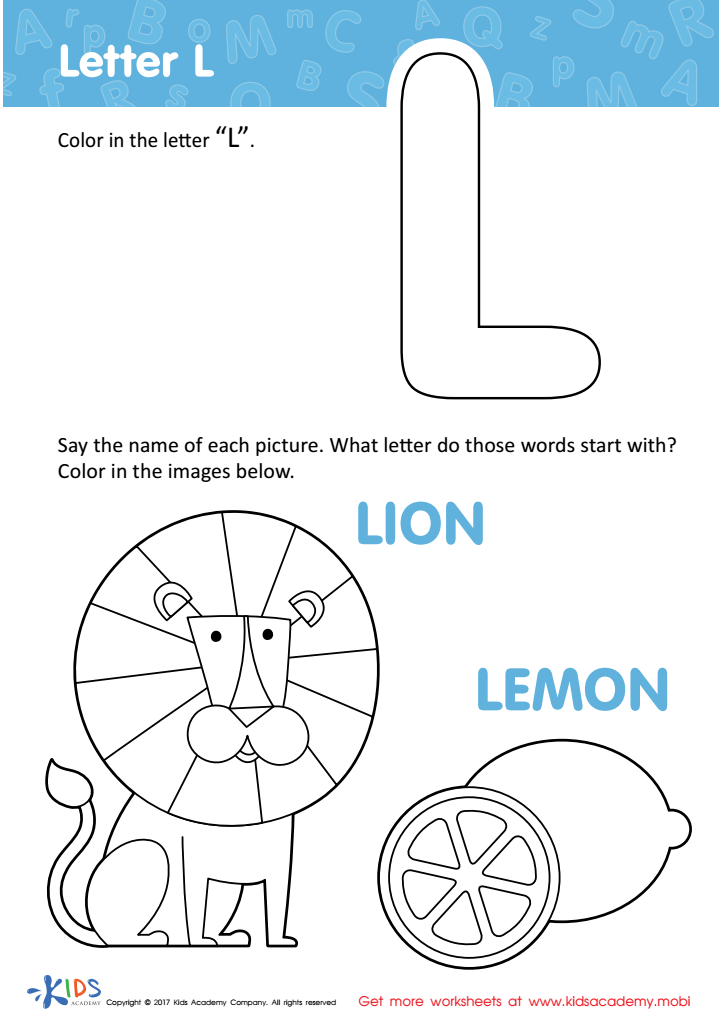
Letter L Coloring Sheet
Assign to My Students
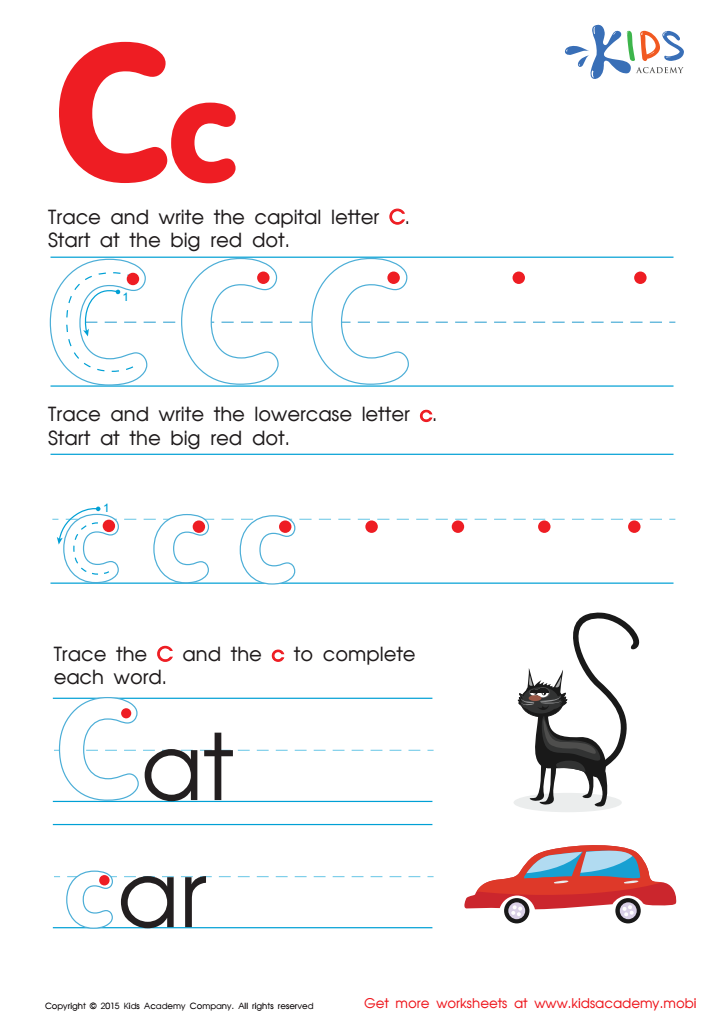
Letter C Tracing Page
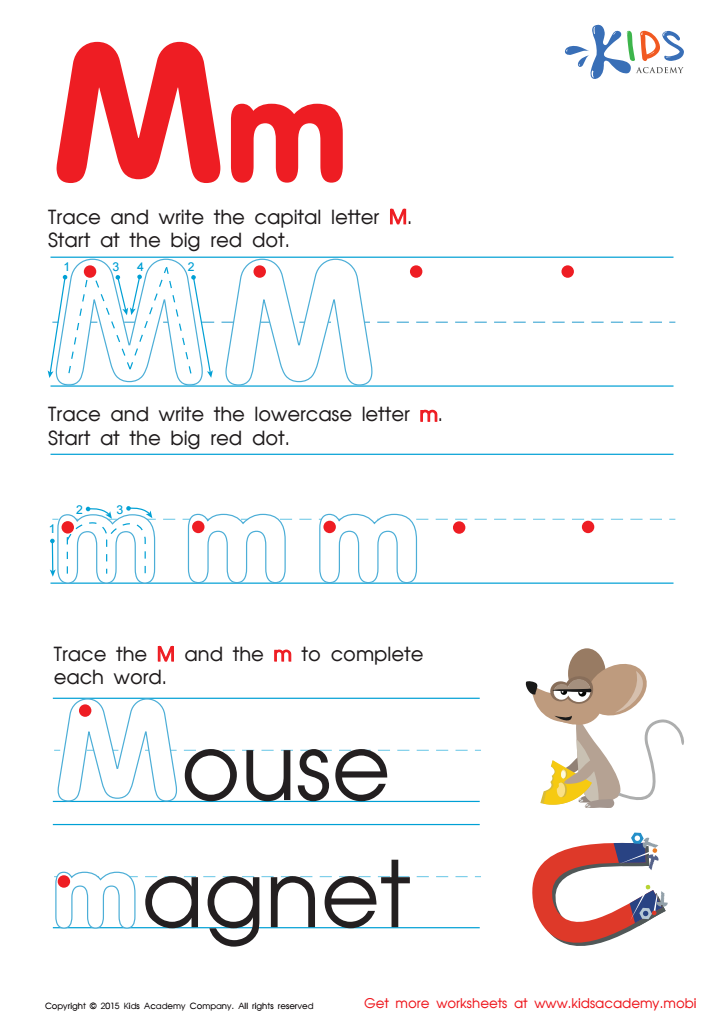
Letter M Tracing Page
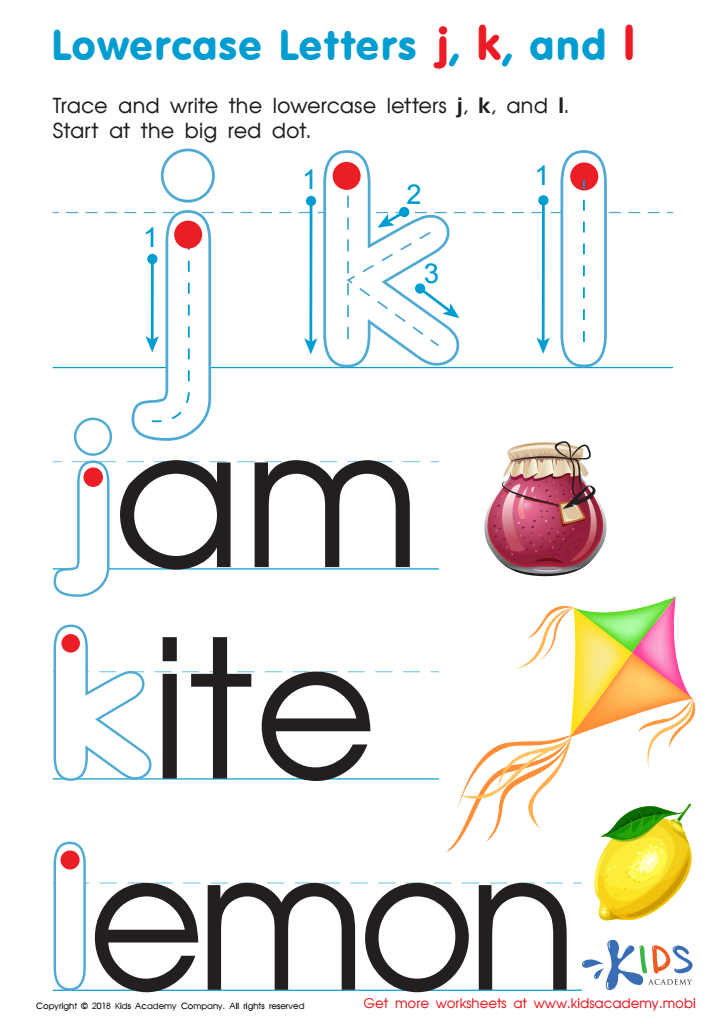
Lowercase Letters j k l Worksheet
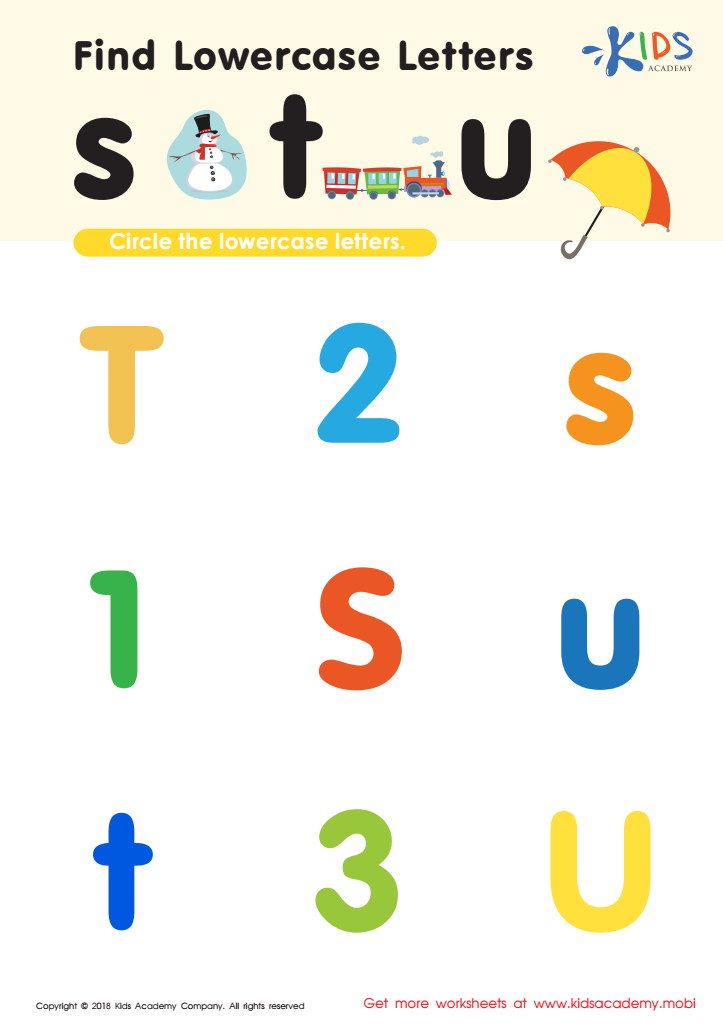
Find lowercase Letters s t u Worksheet
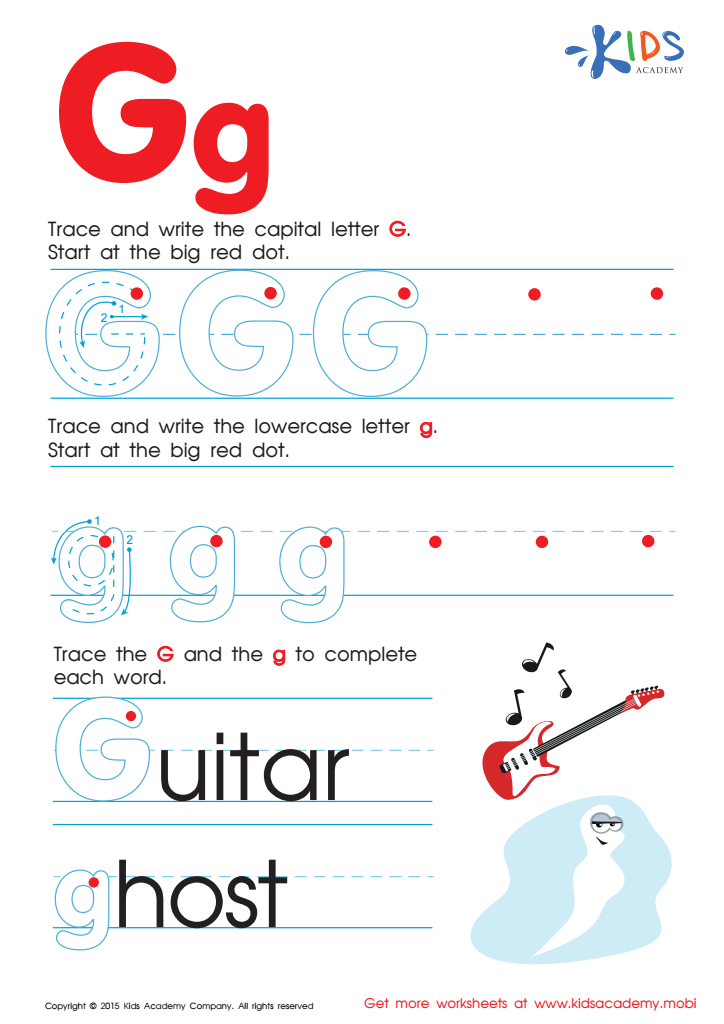
Letter G Tracing Page
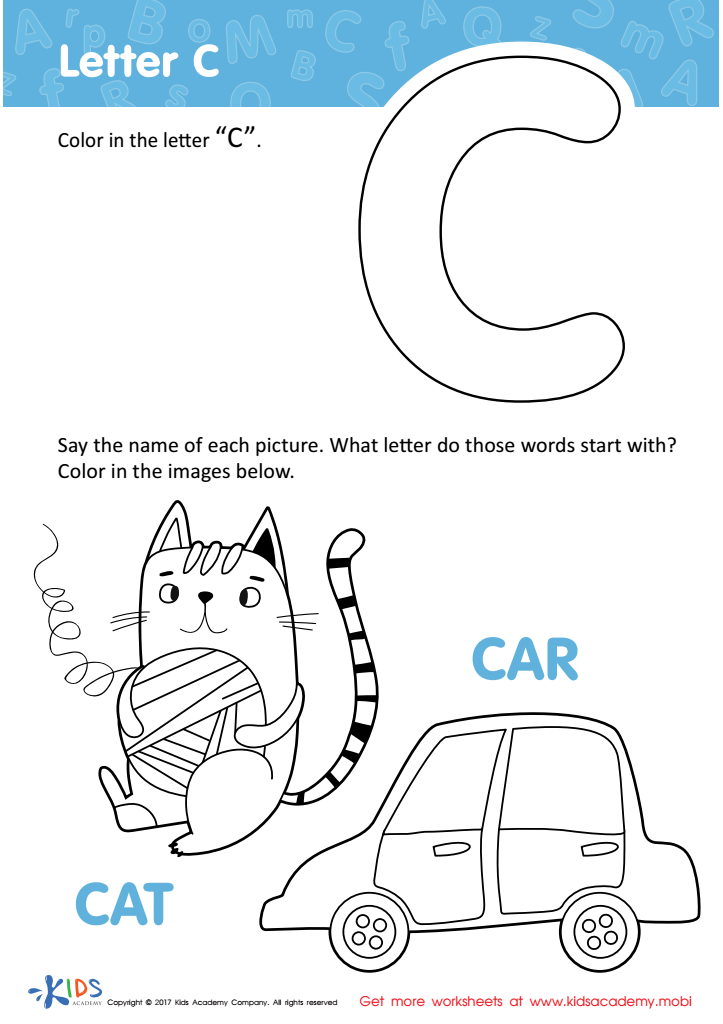
Letter C Coloring Sheet
Assign to My Students
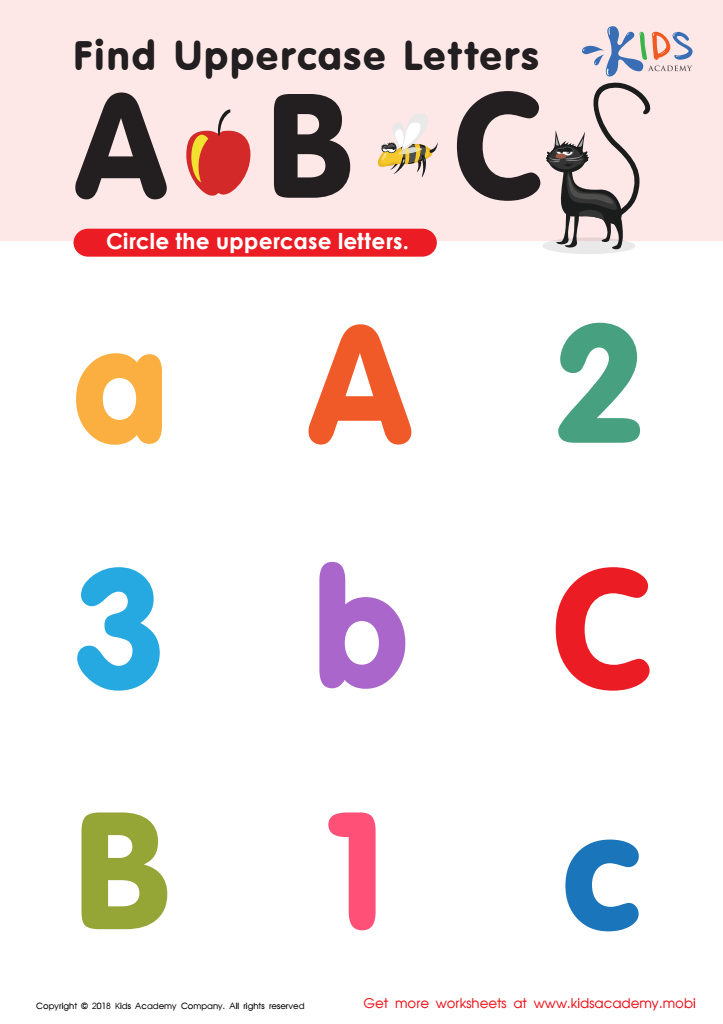
Find Uppercase Letters A, B, and C Worksheet
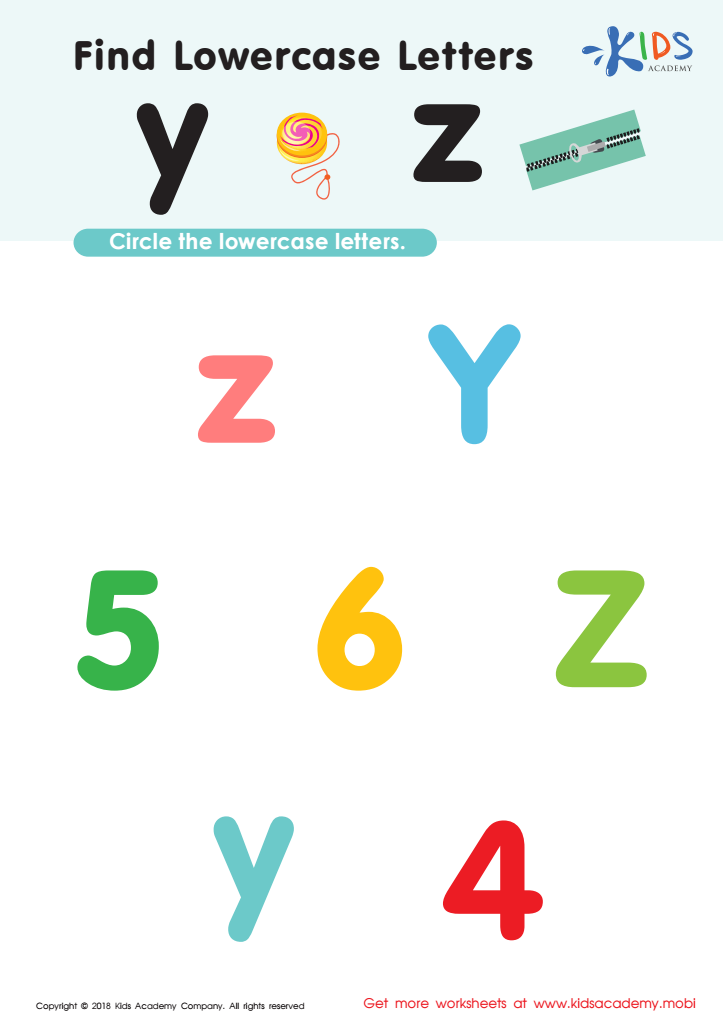
Find Lowercase Letters y z Worksheet
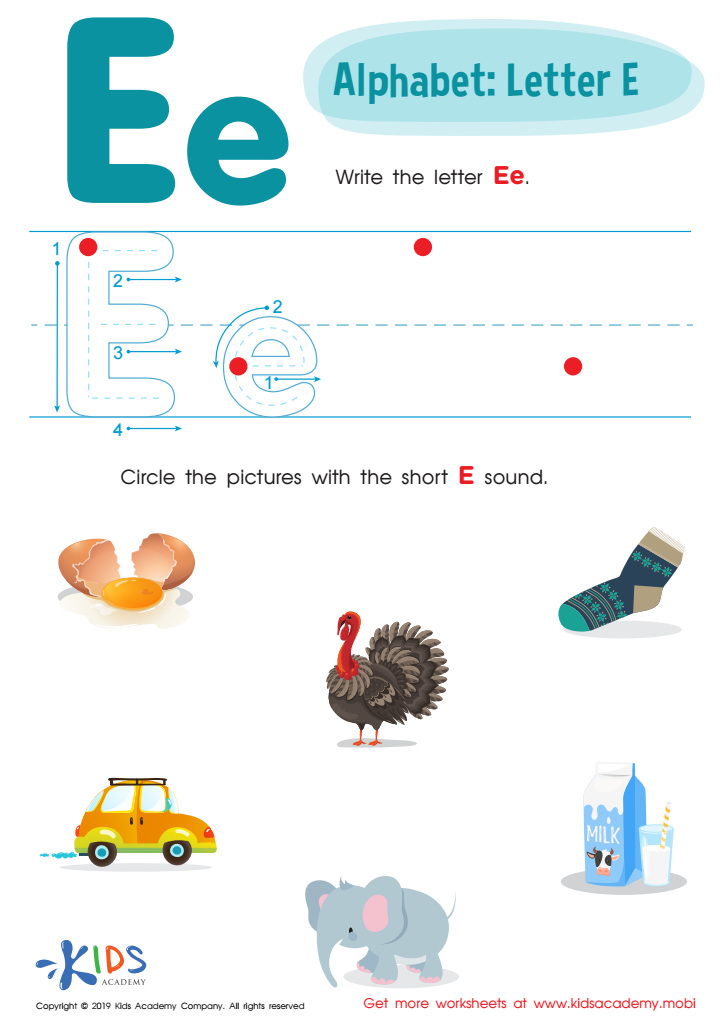
Letter E Tracing Worksheet
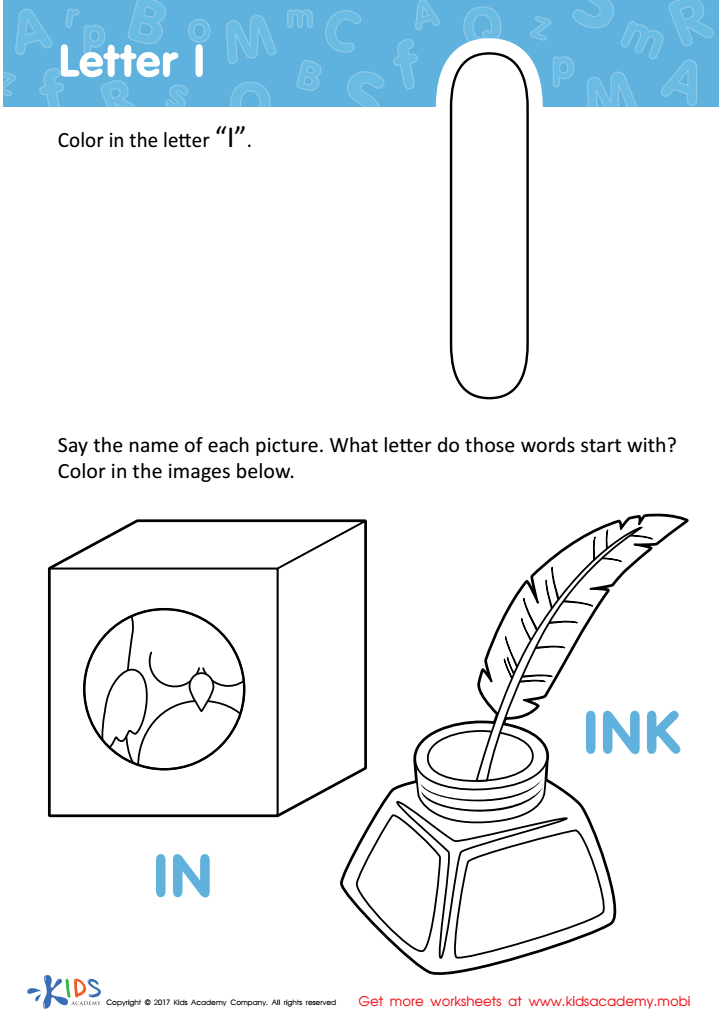
Letter I Coloring Sheet
Assign to My Students
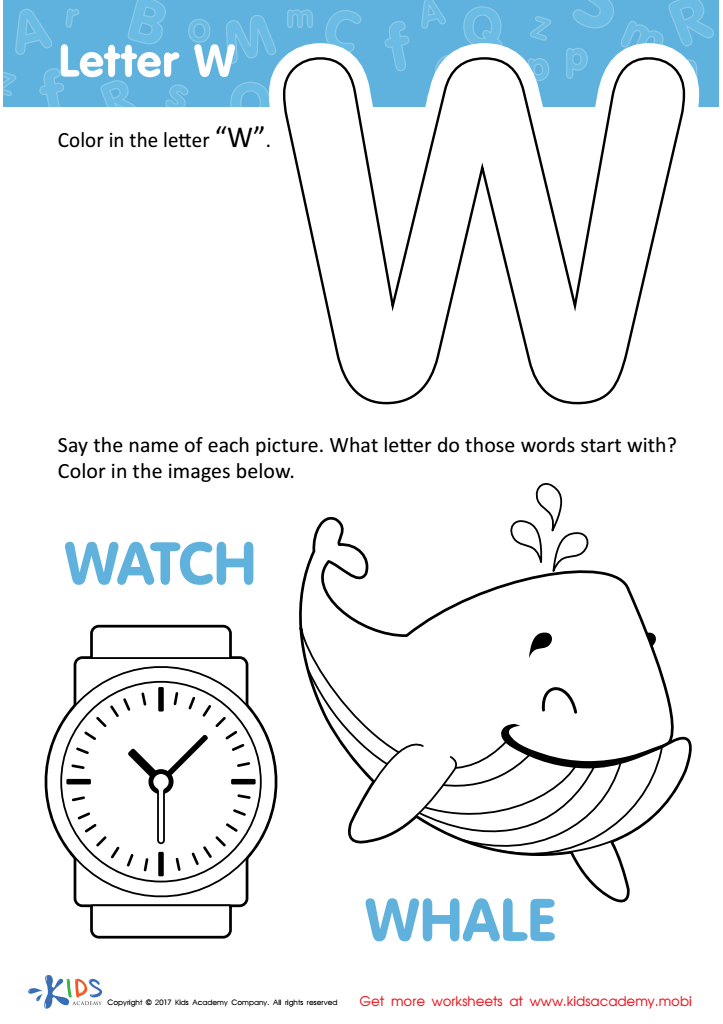
Letter W Coloring Sheet
Assign to My Students








Fine motor skills and letter recognition are crucial developmental milestones for children aged 6-8, serving as foundational skills for academic success and everyday tasks. Fine motor skills involve the coordination of small muscles in the hands and fingers, enabling children to engage in activities like writing, drawing, and using scissors. These skills are essential for tasks that require precision, and mastering them allows children to express their creativity and communicate effectively.
Normal letter recognition ensures that children can identify and differentiate between letters, forming the basis for reading, writing, and spelling. At this stage, children transition from learning letters and sounds to reading simple words and phrases. As such, supporting fine motor development alongside letter recognition helps solidify phonetic understanding and boosts confidence in literacy skills.
Parents and teachers should prioritize these areas because they directly impact a child's academic performance and self-esteem. Well-developed fine motor skills and letter recognition can prepare children for future learning challenges, fostering a love for reading and writing. Early intervention and support can prevent potential difficulties, ensuring children develop the proficiency needed to succeed in school and beyond, making it critical for parents and teachers to actively engage in enhancing these skills.








