Reading comprehension Normal Long And Short Vowel Worksheets for Ages 6-8
10 filtered results
-
From - To
Enhance your child's reading journey with our engaging "Reading Comprehension Normal Long and Short Vowel Worksheets for Ages 6-8." These meticulously designed worksheets help young learners distinguish between long and short vowel sounds, a critical stepping-stone in early literacy. Each worksheet integrates colorful illustrations and fun exercises, making learning enjoyable and effective. Boost your child’s reading comprehension skills while developing phonetic awareness, vocabulary, and confidence in decoding words. Ideal for youngsters beginning their literacy adventure, these resources are perfect for both classroom and home use. Empower your young reader today with Kids Academy’s printable worksheets!
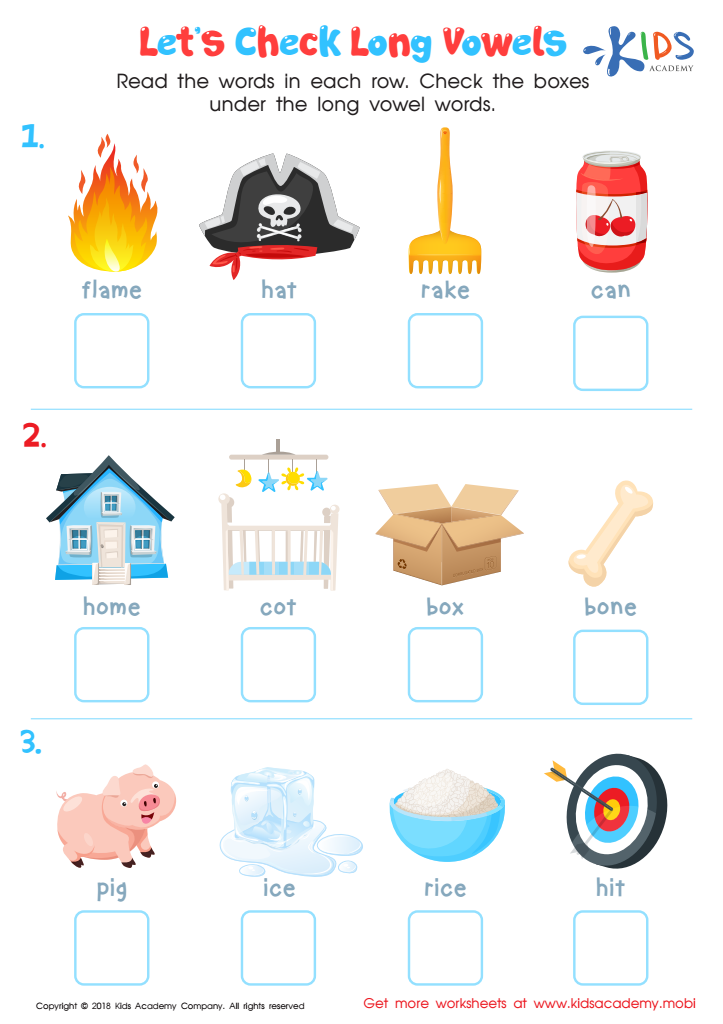
Let's Check Long Vowels: Assessment Worksheet
 Assign to My Students
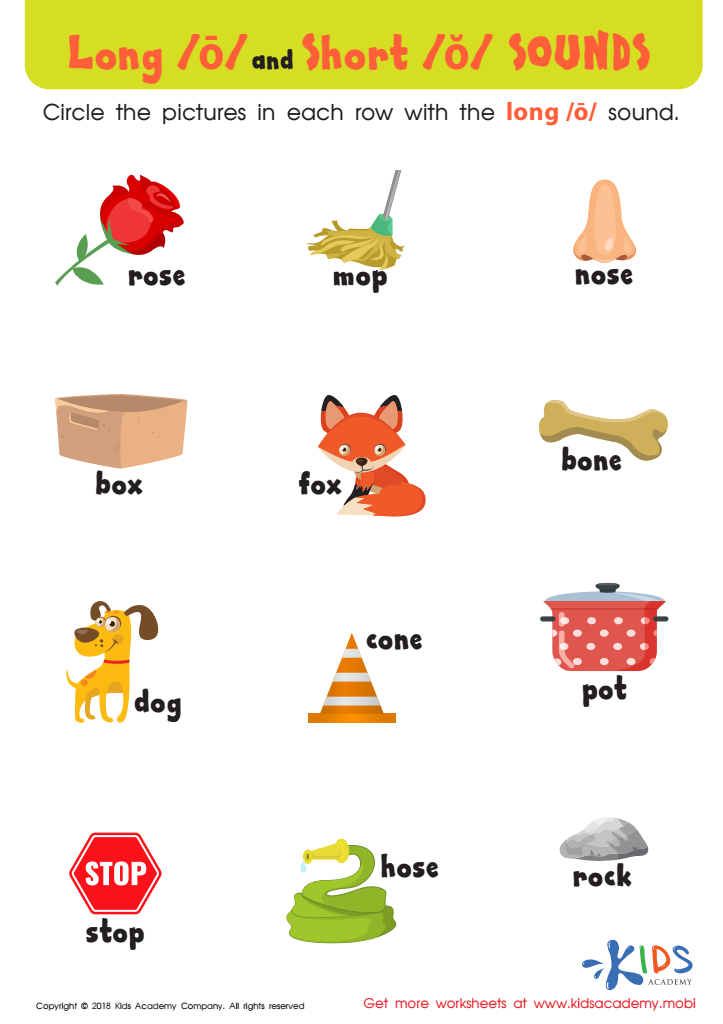
Reading: Long O and Short O Sounds Worksheet
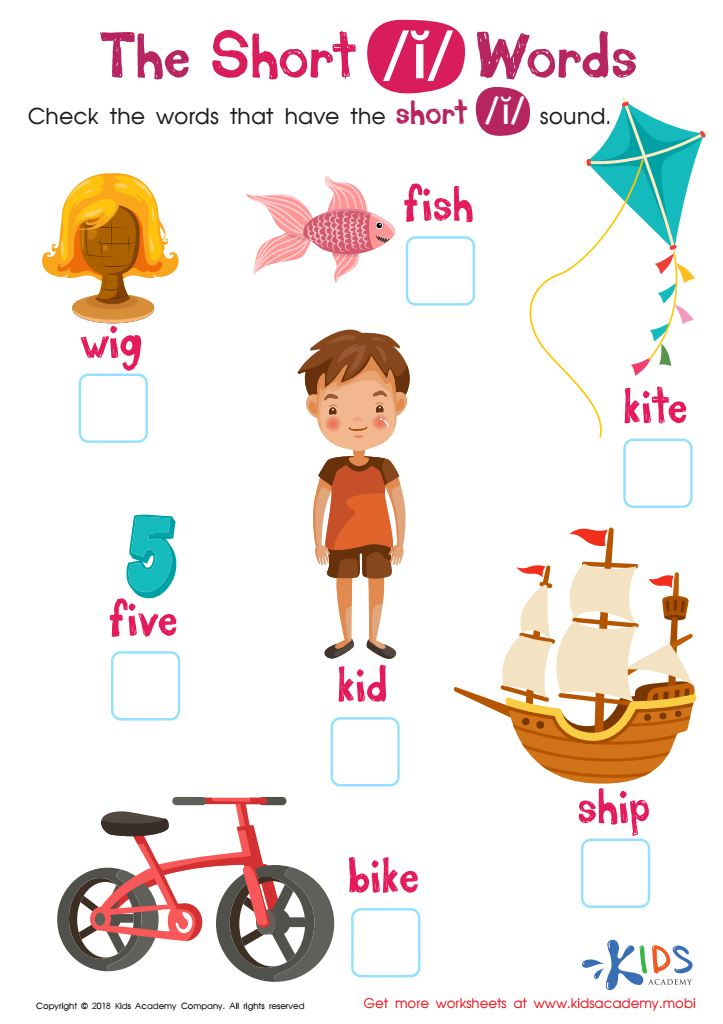
The Short I Words Reading Worksheet
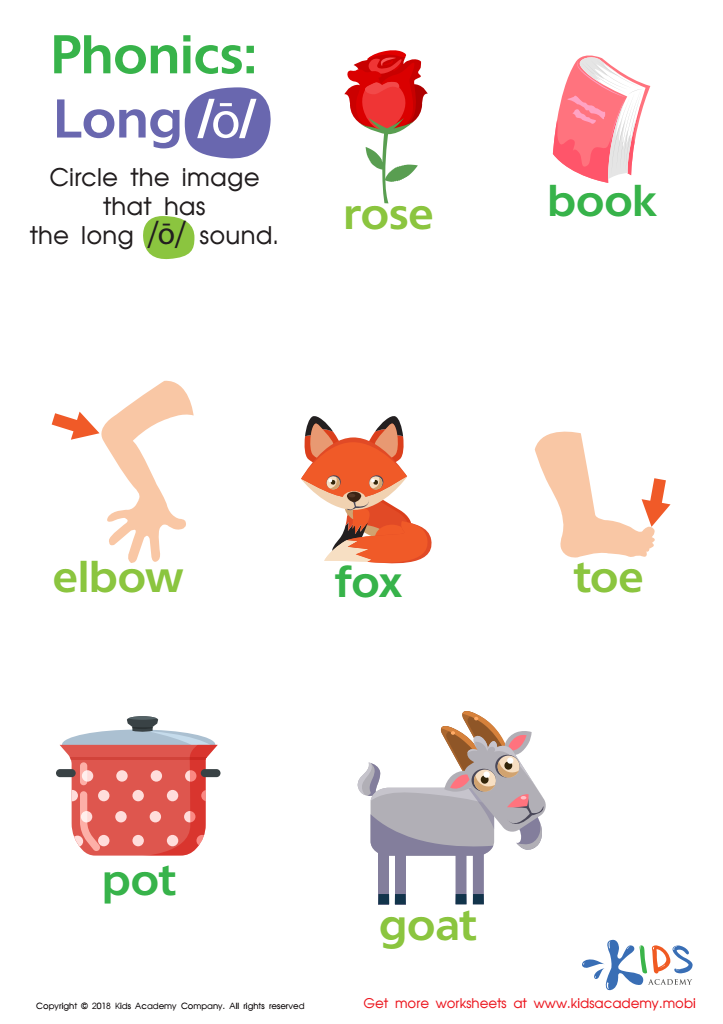
Phonics Long O Reading Worksheet
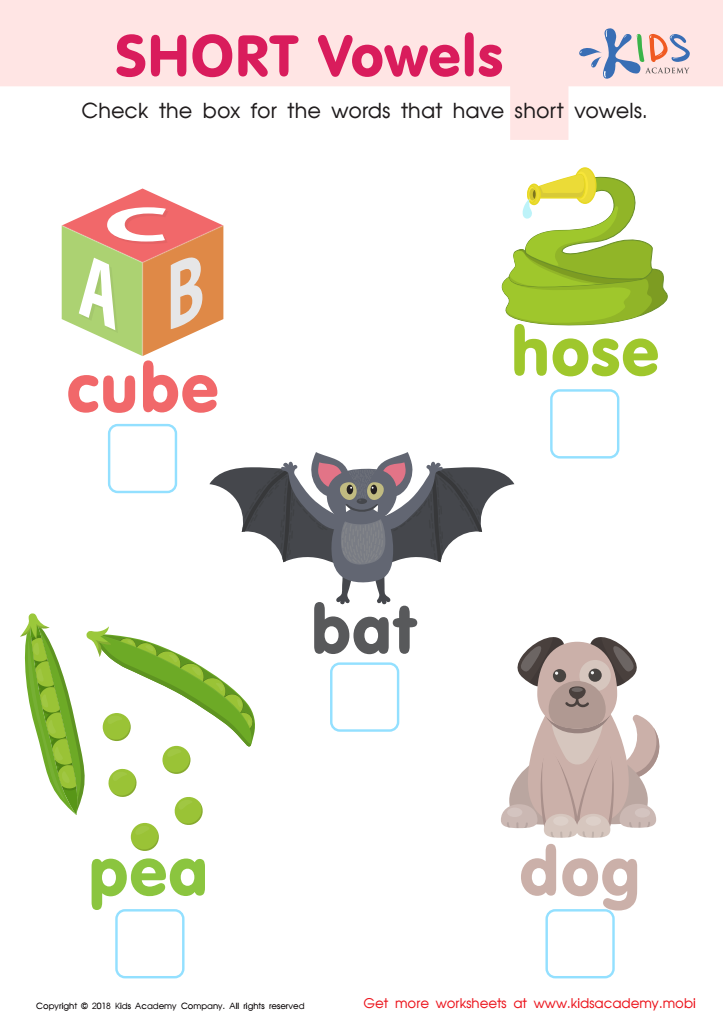
short vowels Worksheet
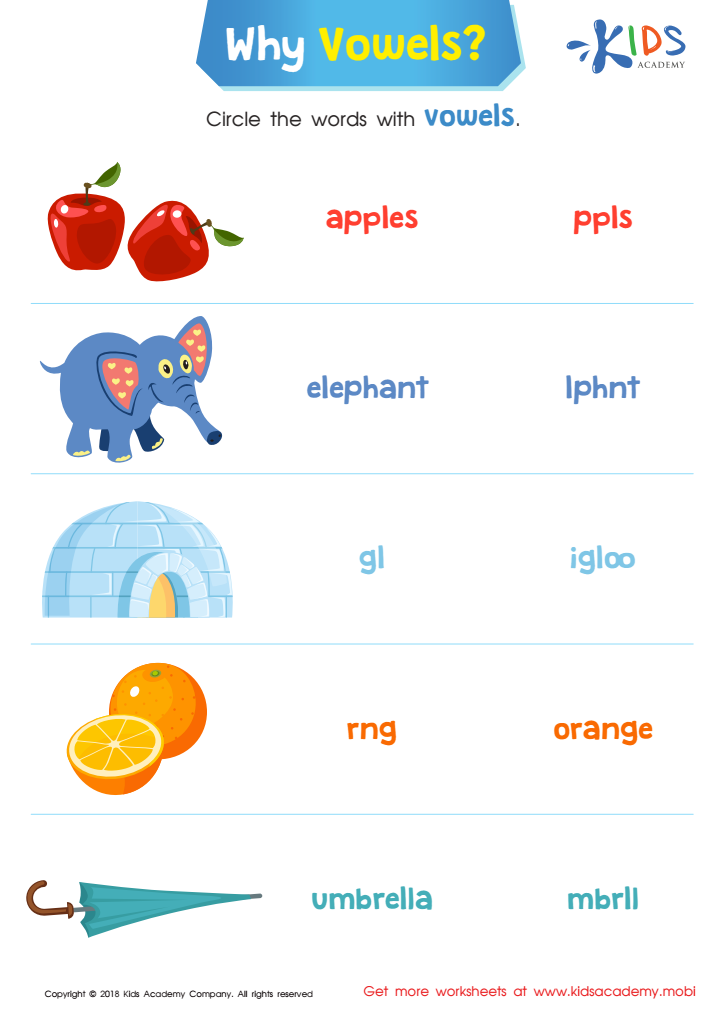
Why Vowels? Reading Worksheet
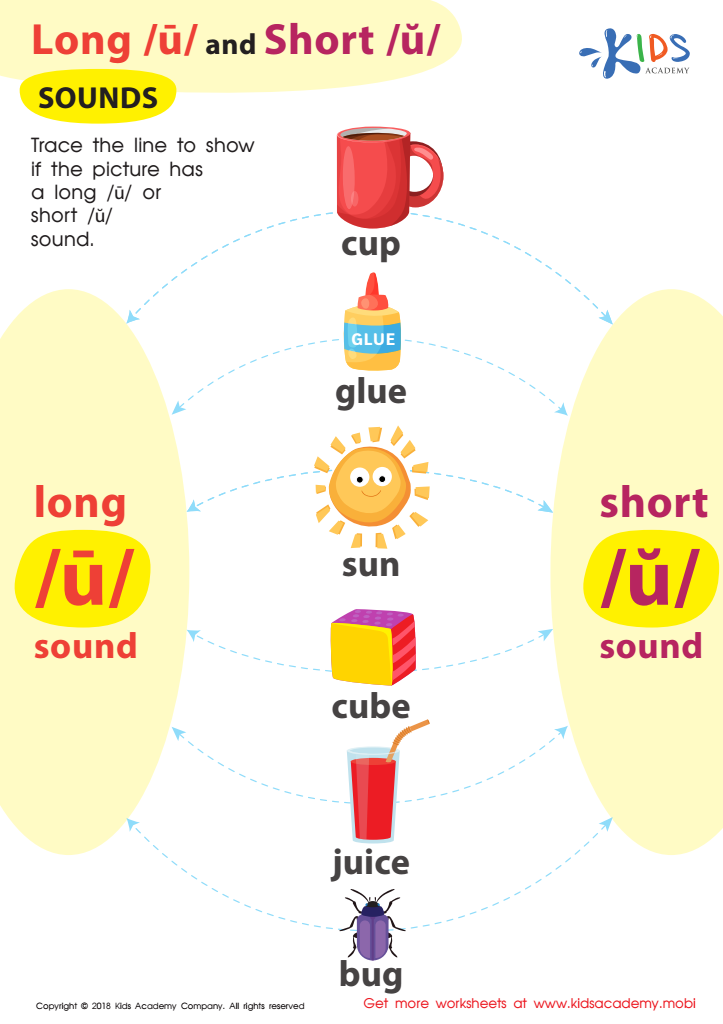
Reading: Long U and Short U Sounds Worksheet
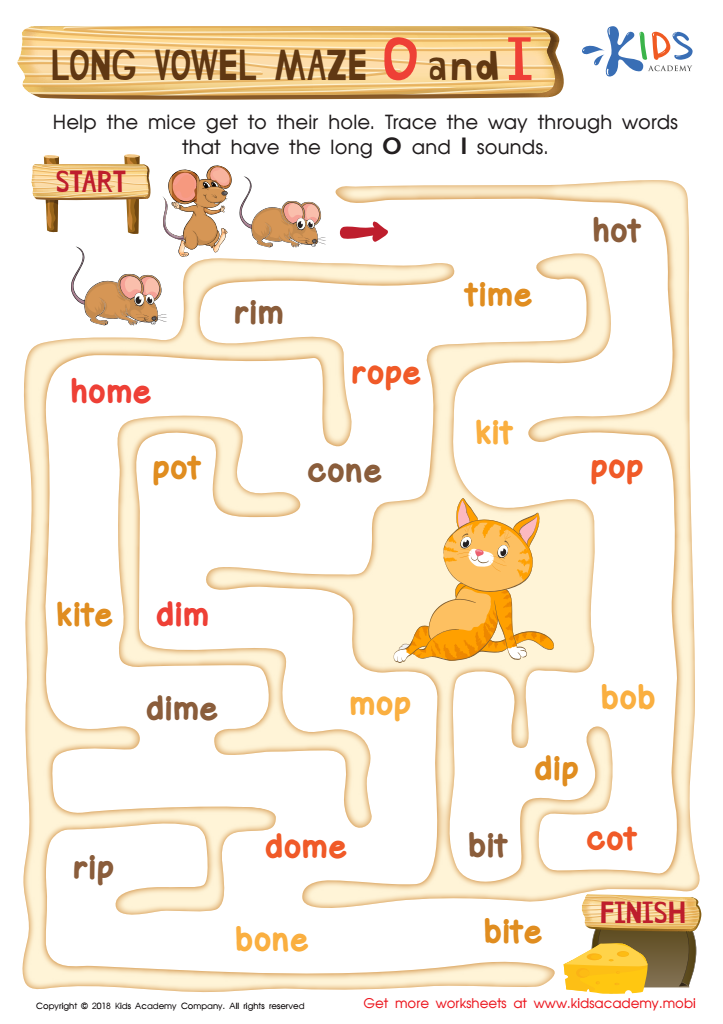
Long Vowel Maze /o/ and /i/ Worksheet
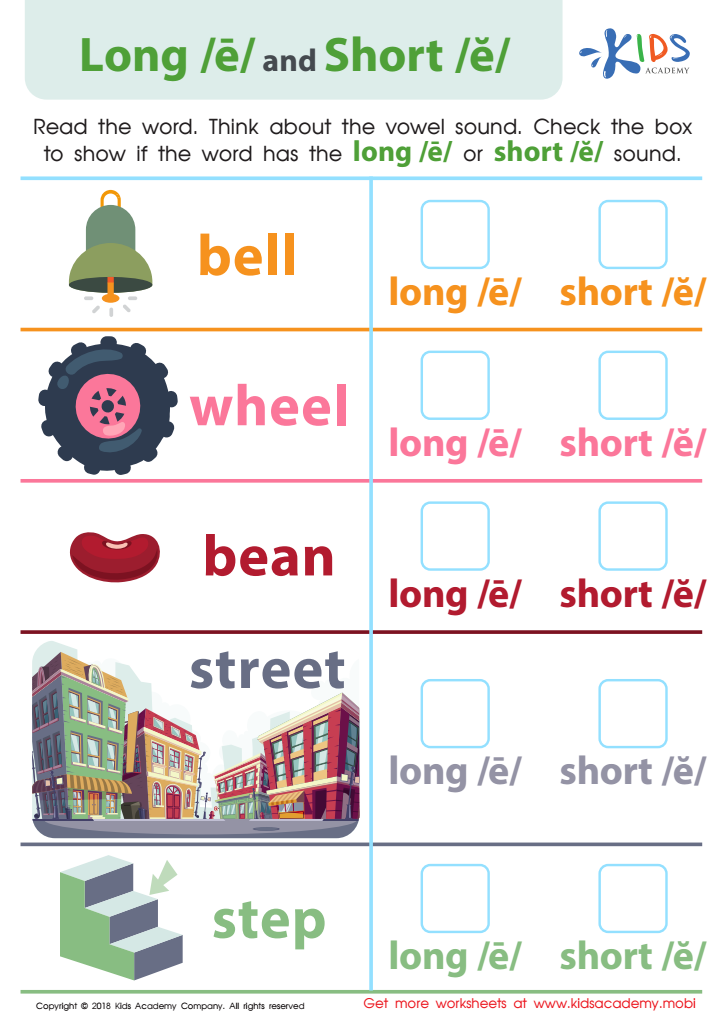
Reading: Long E and Short E Worksheet
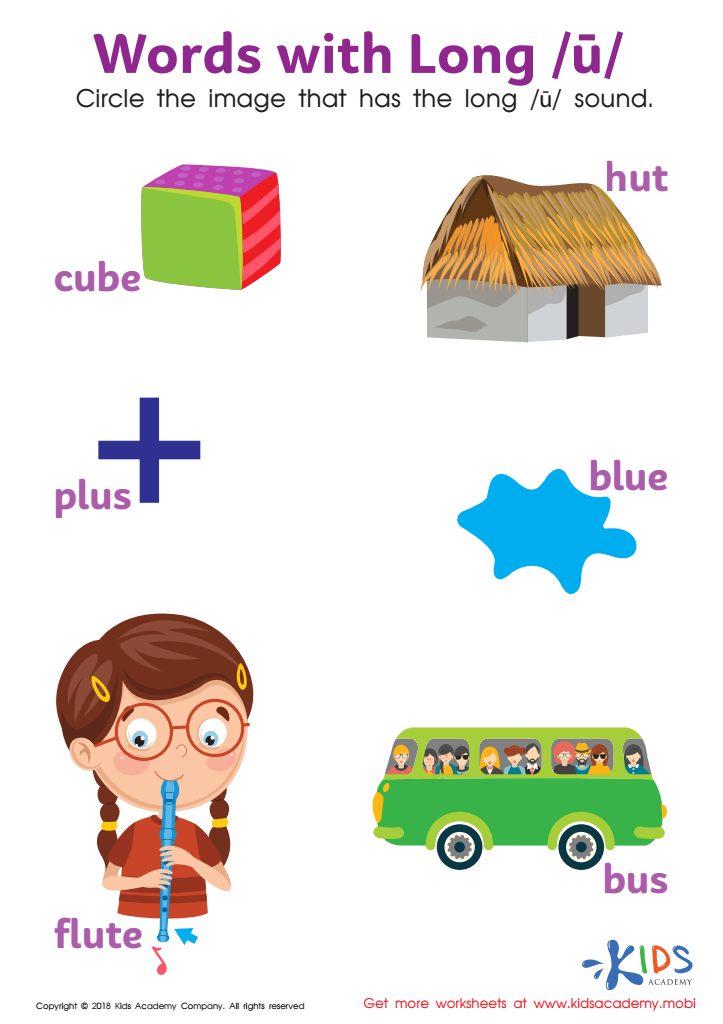
Words with Long U Reading Worksheet




Reading comprehension is a cornerstone of early childhood education, and understanding vowel sounds, including both normal long and short vowels, plays a critical role in developing these skills for children aged 6-8. This is an age where foundational language skills are established, and knowing the differences between long and short vowel sounds can significantly enhance reading fluency, pronunciation, and comprehension.
Parents and teachers should care about this aspect of literacy because it aids children in decoding words more efficiently. When a child understands the different vowel sounds, they can sound out words accurately, leading to better word recognition and smoother reading. This ease in decoding words allows children to focus on comprehending the text rather than getting stuck on individual words, thereby improving overall reading comprehension.
Moreover, proficiency in vowel sounds prepares children for more complex reading and writing tasks ahead. It's a building block that supports their ability to spell words correctly, articulate thoughts coherently, and even gain confidence in their communication skills. Early intervention in these areas fosters a love for reading and learning, setting the stage for ongoing educational success. Therefore, investing time and resources in teaching long and short vowel sounds is essential for developing competent, confident, and comprehensive readers.